A Guide to the County of Northumberland, Naturally
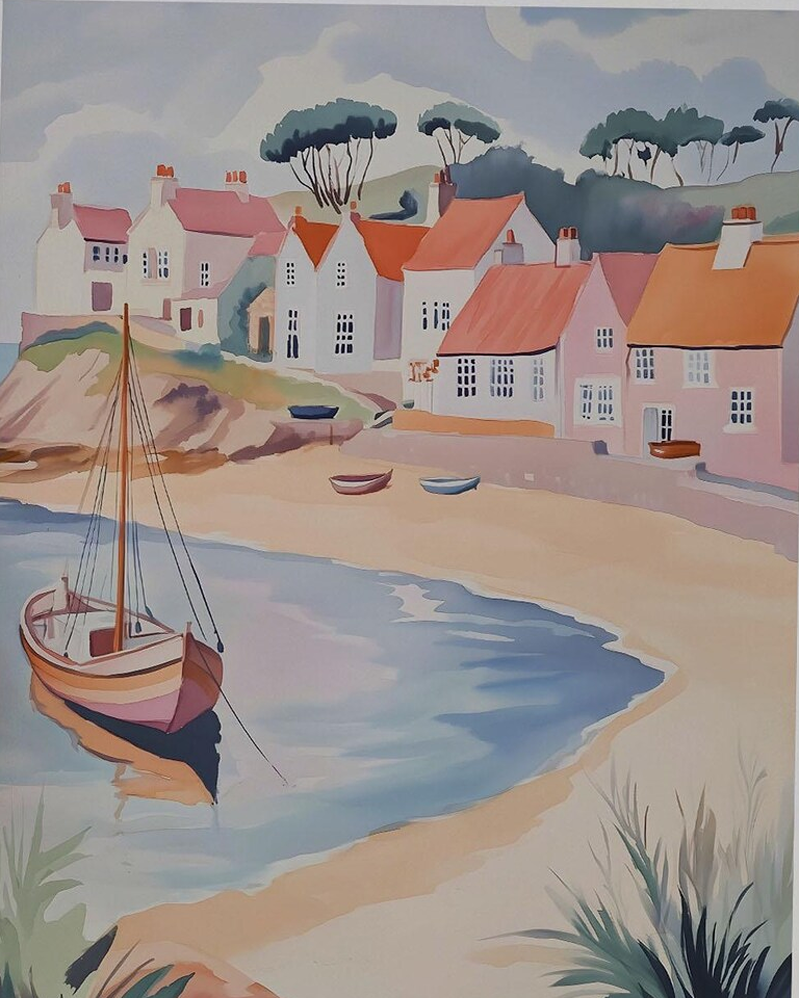
Beadnell, Pastel Pine
The whole of the north east county is a National Park, and home to one of England’s lowest populations. So it has wonderful night skies, due to lack of light pollution.
When out walking, always follow the Countryside Code, to keep all creatures safe. At the coast, read how to keep dogs safe by the seaside.
Interestingly, it has one of England’s largest populations of endangered red squirrels. This is because it houses pine forests (red squirrels need natural habitats for good immunity against Squirrelpox – read more on how to help both red and grey squirrels)
Farne Islands: England’s Marine Wildlife Haven

The Farne Islands are located just off the town of Seahouses, on the Northumbrian coast. People can take boats to view (from afar) what is Sir David Attenborough’s favourite wildlife-watching spot in England. But mostly nobody other than wildlife rangers are allowed on the island, to monitor populations and keep habitats safe.
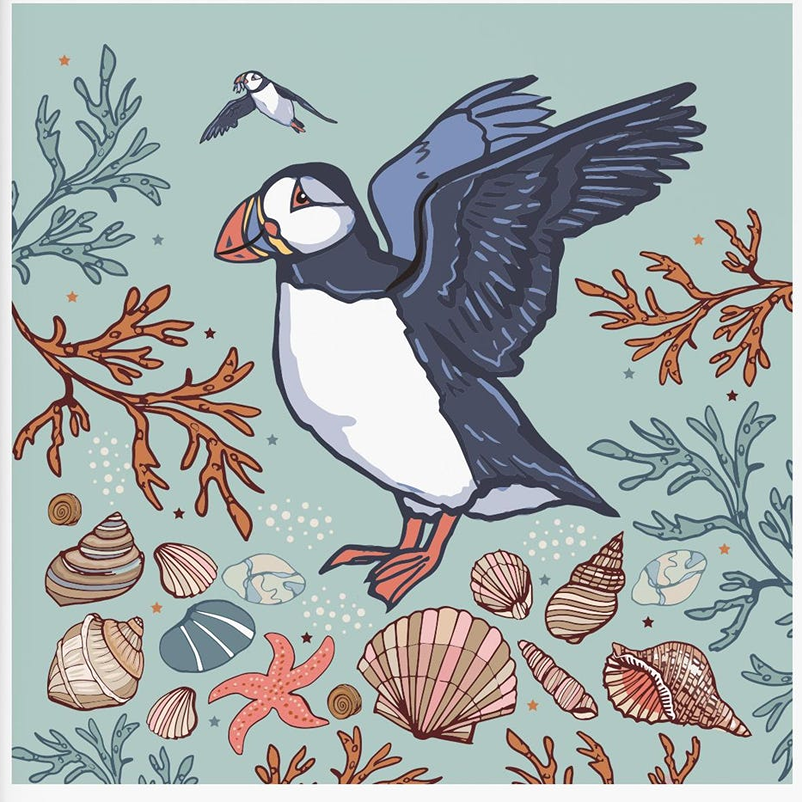
The Farne islands are home to around 43,000 pairs of puffins during breeding season, and hosts England’s largest breeding colonies for Atlantic grey seals.
Along with being one of Europe’s most important seabird sanctuaries, with over 200,000 breeding pairs from over 20 species (including Arctic terns, guillemots, razorbills, and eider ducks.
Dogs (including assistance dogs) are not allowed on the Farne Islands, due to wildlife. A few ferry owners may let dogs stay with them, if you visit. Or enjoy local dog-friendly beaches (check for seasonal restrictions).
There are three lighthouses on the Farne Islands. Longstone Lighthouse is linked to the rescue by Grace Darling and her father Robert in 1838 (rowing out to save shipwreck survivors, in rough seas).
St Cuthbert was ‘the first environmental saint’ who campaigned for eider duck welfare. Legend has that otters would dry his skin with their fur, after he had gone for a swim!
Many monks lived here in the days of hermits, often not seeing other people for years.
Nearby Smaller Islands
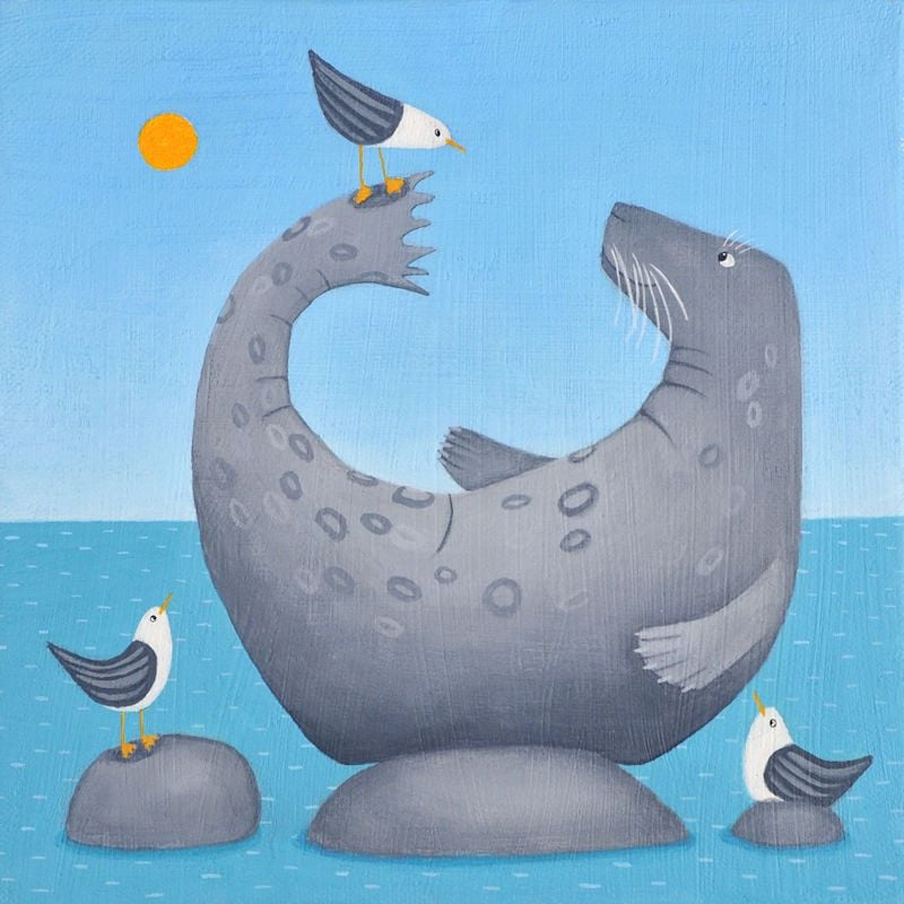
Less well-known is nearby Staple Island, which is a small rocky skerry on Outer Farne, also an important wildlife haven for birds and seals. This is not visited much by humans, due to Gun Reef (a dangerous ridge of rocks that extends from the southwestern point).
Coquet Island, a mile off Amble, is a haven for some of Britain’s rarest birds including roseate terns, sandwich terns, puffins and eiders. The RSPB manages the island as a nature reserve, using solar-powered cameras and remote monitoring to keep the birds safe.
Northumberland Coast Path: Cresswell to Berwick-upon-Tweed
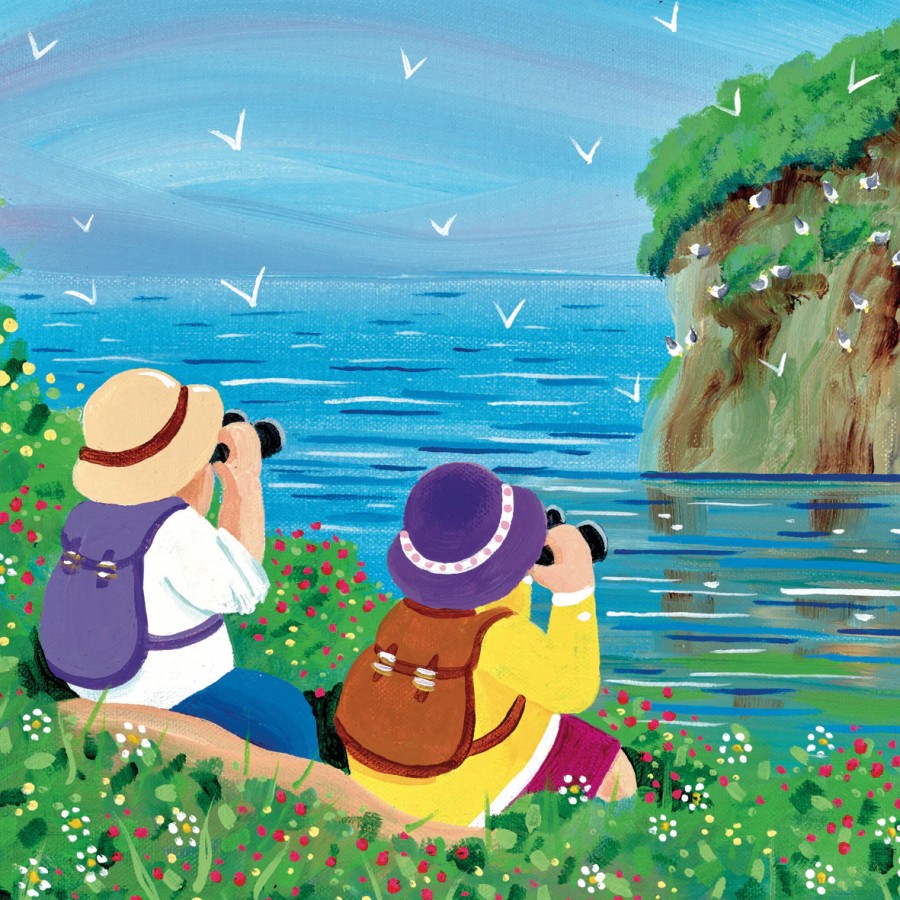
The Northumberland Coast Path goes for 62 miles from Berwick in the north to Cresswell in the south. The walk also takes in Seahouses, which faces out to the Farne Islands.. It’s mostly flat.
If walking to Lindisfarne, set off 2 hours before low tide (walk with the outgoing not rising tide) and avoid poor weather/dusk, and wear good boots. Most people use the hopper bus.
Offshore, seabirds wheel over the Farne Islands (no dogs allowed due to wildlife) while Bamburgh Castle stands bold against the endless sands. There’s a timeless feel to this part of England, with small harbours, quiet paths and wide open space all the way to Berwick-upon-Tweed.
Check tide times and avoid walking in bad light/weather). Follow the Countryside Code (don’t walk on sand dunes), and keep numbers on hand to report concerns for farm animals, wildlife or marine creatures.
Check for dog beach bans (avoid walks for 2 hours after long drives) and keep dogs away from cliffs, seaweed, palm oil (white waxy lumps), jellyfish and uncapped mine shafts.
Also keep dogs away from seals, coastal birds and coastal flowers (many are toxic). Read how to keep dogs safe at the seaside (and info on dog safety and hiking with dogs).
Sycamore Gap: Northumberland’s Legendary Tree

Sycamore Gap tree (which stood in a dip next to Hadrian’s Wall) was recently cut down in an act of eco-vandalism. This drunken act of stupidity cost two men over 4 years of their lives, recently imprisoned.
Situated in the wonderfully-named village of Once Brewed, the stump has recently sprung eight new shoots, a hopeful sign of coming back to life. Sycamore Gap is more than a scenic spot. People from across England beyond know it as the home of the famous “Robin Hood Tree.”
Sycamore trees (along with yew and oak) are toxic to horses.
The National Trust is hopeful that Sycamore Gap tree is showing signs of life, after it was chopped down for no reason. Along with Northumberland National Park Authority, a protective cage of wire mesh has been attached to the stump, to protect it.
However, innocent visitors who are leaving stones and tributes at the site, could disturb the roots, as ‘every step on the soil or contact with the stump damages the tree’s chance of recovery’, we are told.
The respectfully ask to admire from afar. But they are overjoyed that people are showing so much love to the tree, and they say it’s uplifting to see the tree ‘defiantly growing back’ despite the trauma endured.
One local said ‘This is a moment for patience and care. Allowing nature to do, what it does best.
The Holy Island of Lindisfarne (Northumberland)
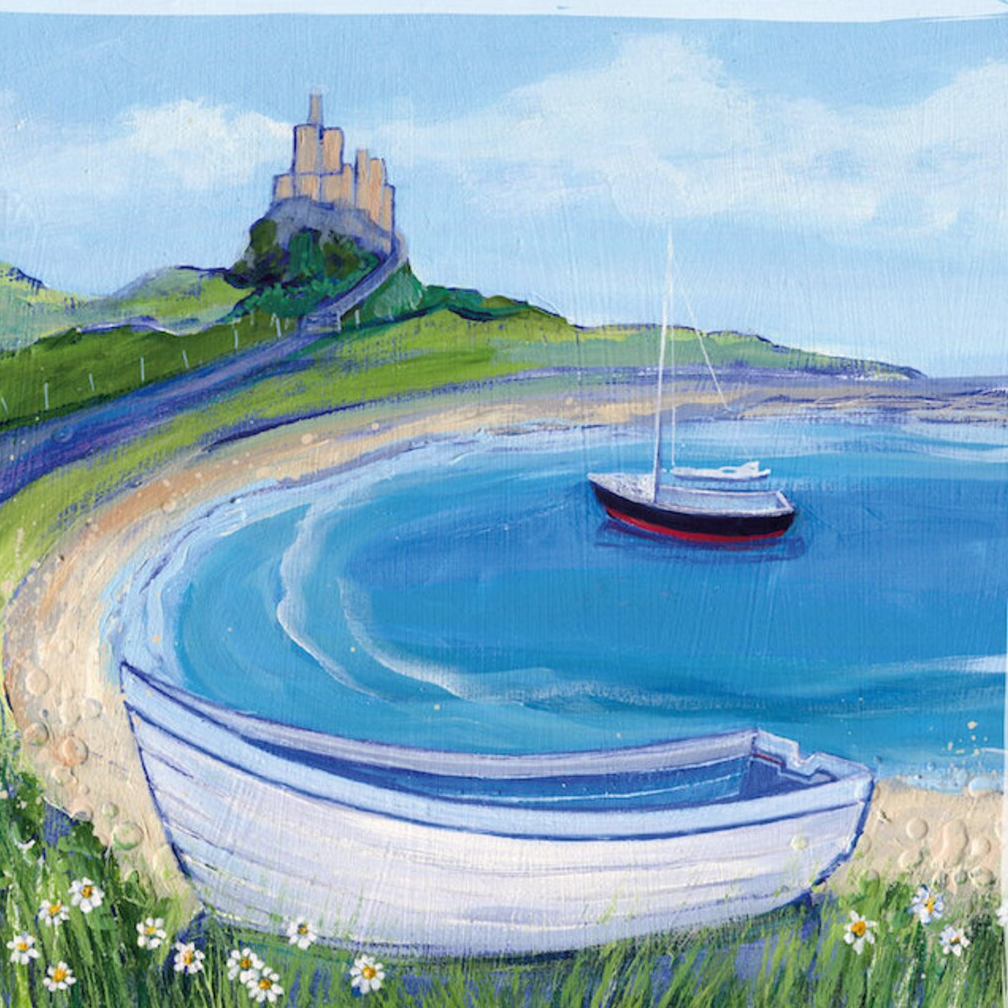
Lindisfarne is a small island (just 3 by 1.5 miles) off Northumberland’s coast, with just 200 residents, but 650,000 yearly tourists. The island is surrounded by a nature reserve, home to many birds and native seals.
Always check the tide times, as it’s common for people to get stranded and have to be rescued from their cars, when the road to this island disappears. Read more on tidal causeways.
If you’re a fan of the TV detective drama Vera, although parts of it are filmed elsewhere (Newcastle, Hexham and Alnmouth), the main character’s home is filmed on Lindisfarne, which was featured in the episode The Rising Tide.

Many religious hermits would spent years here. Local boy St Cuthbert was regarded as the world’s first religious environmentalist. He guarded sheep, and campaigned for the welfare of eider ducks. It’s said that otters would dry his fur, after he’d gone for a swim!
It’s said that he became a monk, after witnessing angels carrying St Aidan’s body to heaven. Craving isolation, he returned to live on Inner Farne, after serving as Bishop of Lindisfarne. After he died, his body was taken back to Lindisfarne, where the many claimed miracles at people who prayed by his grave, led to him being declared a saint.
St Aidan of Lindisfarne is the religious hermit credited to bringing Christianity to pagan lands. He arrived here from the Scottish island of Iona, where he would walk the streets performing miracles, and converting people with his love.
The other two saints associated with this tiny island are St Eadberht (a bishop who is now buried in Durham cathedral) and St Eadfrith (who created the Latin manuscripts for the Lindisfarne Gospels).
A County of Grand Ancient Castles
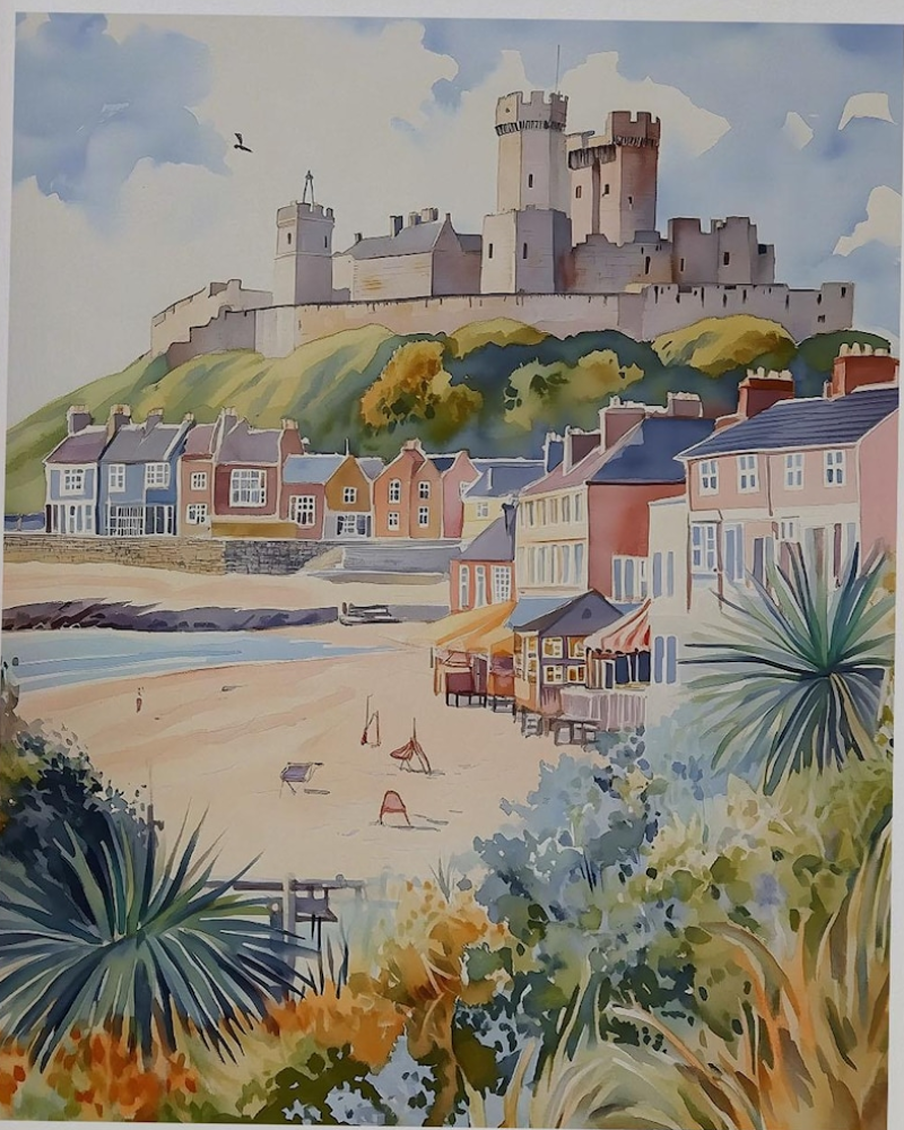
Northumberland has more castles than anywhere else in England. Alnwick Castle is one of the oldest inhabited castles, often called the ‘Windsor Castle of the North’. If you like period dramas, you’ll recognise the sumptuous Italianite rooms, in episodes of Downton Abbey.
Bamburgh Castle (above) was once lived in by kings, who ruled over this county. Today it’s said to be the most haunted of castles! It has a stunning location overlooking the wide sandy beaches near the Farne Islands.
It’s also home to large seabirds called Fulmars, who for hundreds of years have nested on the battlements. Now protected by law, staff often rescue chicks who land on the roofs, unable to take off again.
Nearby is the town of Seahouses, which is where you can look out towards The Farne Island, home to thousands of puffins, seals and seabirds. The town did not exist, until the harbour was built.
Beyond that is Beadnell, a very pretty village by the sea, with sandy beaches and a unique west-facing harbour. It was originally two medieval hamlets, that grew into one single village.
Northumberland has over 70 castles. Some are small and inland, others are large and overlook the sea. Some of the best-known are Alnwick Castle (the second-largest inhabited castle in England after Windsor Castle and the grand ruins of Dunstanburgh and Edlingham Castles.