The Healthiest Cooking Oils (and proper disposal)
In England, we like our cooking oils. But which ones are better for health? Rapeseed oil is more local than olive oil (responsible for those fields of bright yellow flowers). But is it the healthiest, and what about coconut oil and sesame oil – or even cooking without oil? Let’s find out!
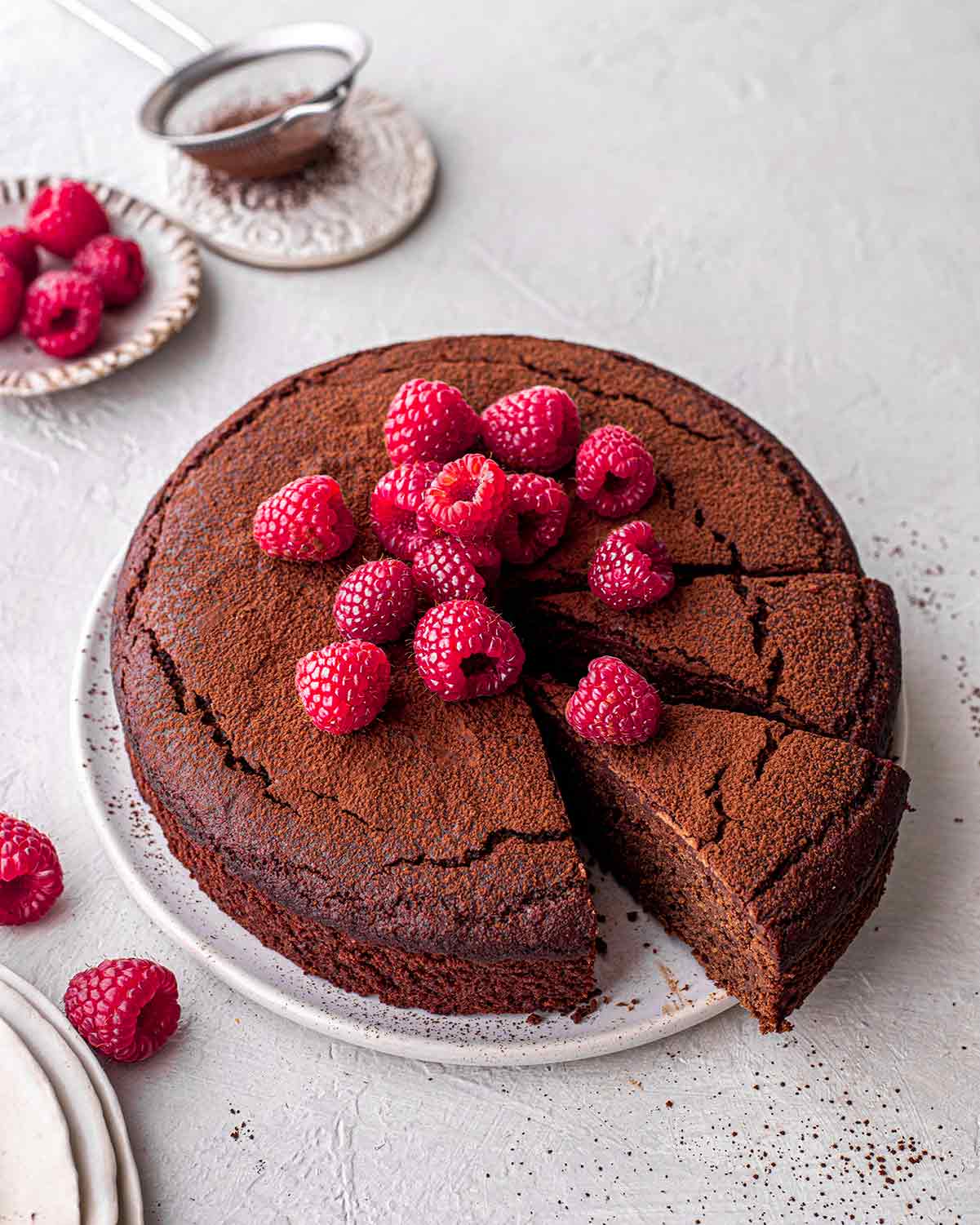
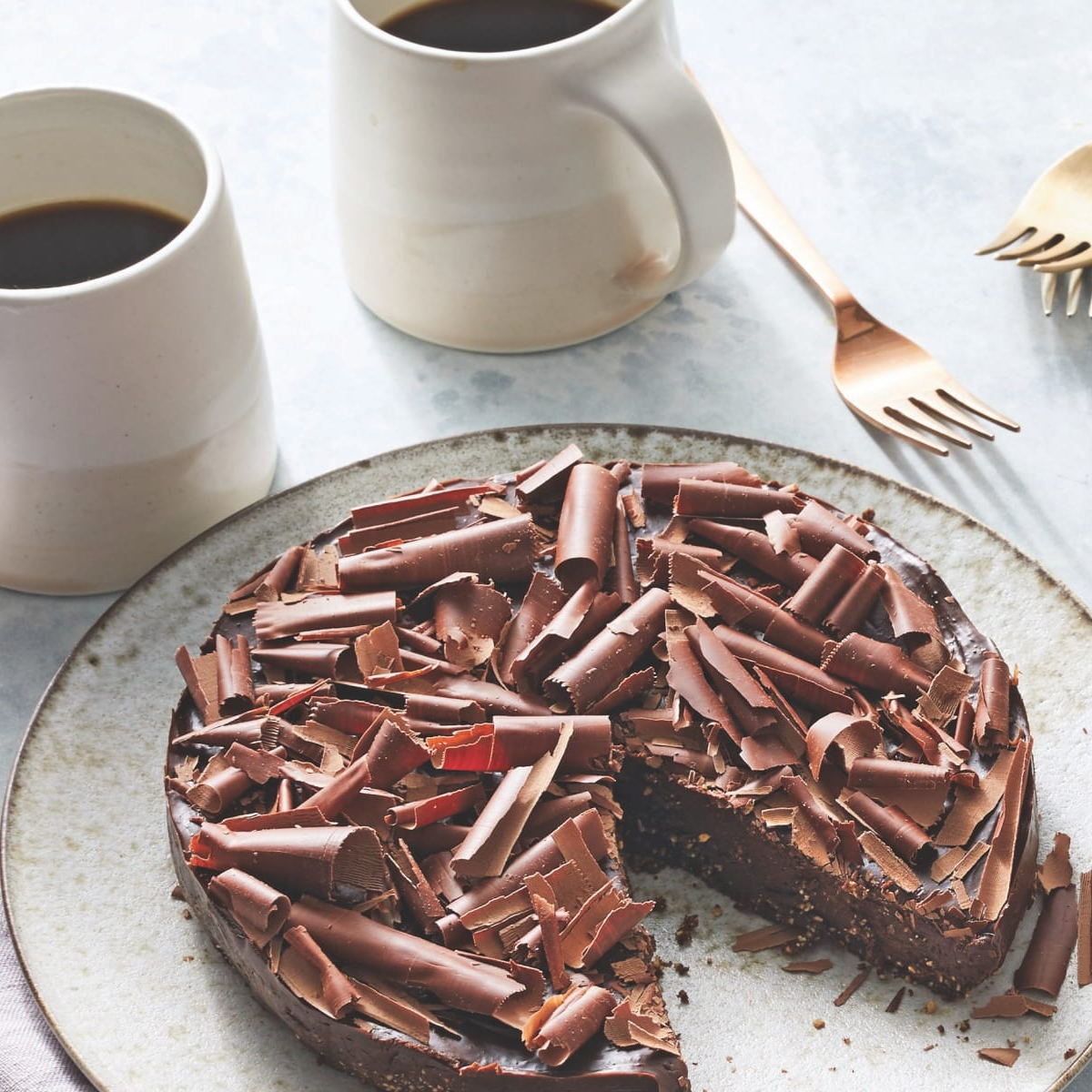
This vegan chocolate cake (Rainbow Nourishments) is oil-free!
Experts say that for a tiny amount of oil (say if you were just shallow-frying something in a pan), just pour the leftover oil in some kitchen roll, and bin. Otherwise, use a cooking oil recycling bin.
Read our post on food safety for people and pets. It’s best to just bin allium (onion family) and tomato/citrus/rhubarb scraps, as acids could harm compost creatures. For tinned foods, always remove lids fully or pull ring-pulls back over holes, to avoid wildlife getting trapped.
Don’t give leftover fatty foods to garden birds or wildfowl (it smears on feathers, affecting waterproofing & insulation).
What Makes a Cooking Oil Healthy?
Oils are not really ‘healthy’, as they are refined. Brandi (who wrote the cookbook The Vegan 8) never uses oil in her recipes, but she does use fats (olives over olive oil, nuts over nut oils etc).
But most people do like a little fat on their food, and we can’t have a nation of chip shops, without using some kind of oil! So let’s look at the main players: what they are, how they are used, and their healthy status – or not!
What’s important with oils is the smoke point, to determine cooking methods. For instance, most experts say (and Italians may disagree!) that olive oil is best reserved for salad dressings, and rapeseed oil is better for cooking (it makes for wonderful roast potatoes, you don’t need goose fat).
Ignore information on whether the oils are high in omega fats, because once you cook them, they get destroyed anyway (a reason why ‘oily fish’ does not really offer omega 3s, unlike nuts and seeds).
The smoke point is the temperature when oil starts to burn, smoke and lose flavour. Overheating oil can also make your kitchen smoky, and create compounds that can have health risks.
When cooking, avoid floaty sleeves and tie long hair back, and keep a small kitchen fire extinguisher nearby.
Palm oil should be avoided (Greenpeace says The Round Table on Sustainable Palm Oil is just self-policed, meanwhile orangutans have forest homes torn down, to provide cheap saturated fat (imported from thousands of miles away) to put in junk food and bar soaps.
Which Oil is Best for What?
Rapeseed oil is good as the ‘local oil’ which also supports our farmers, though brands are not yet organic. Low in saturated fat, its neutral taste makes it good for general cooking. And it’s a good alternative to palm oil (used by most chip shops).
Extra virgin olive oil is best for salad dressings, finishing dishes and healthy dips, due to its smoke point (not the best for high-heat cooking). For baking, choose a light version, to avoid a strong taste.
Sunflower oil is cheap and popular, but use in moderation, as it’s high in omega 6 (too much of this is not good). Nutritionist Michaella Mazzoni says that deep-frying with this oil damages the fats like a broken vase (‘it has been put together, but isn’t quite right anymore’).
Coconut oil has more saturated fat than butter (so can raise cholesterol) and is flammable (so take care when cooking). Popular in Asian cooking, the odd creamy coconut curry is not going to harm, but don’t eat this oil every day. Life in balance!
A Handy Cooking Oil Recycling Bin

In England, we like our cooking oils, but this does mean that sinks and drains get clogged, which causes plumbing issues and fatbergs (which councils then have to spend time and money breaking down). Another idea is to use an air-fryer, which uses far less oil to cook with.
One giant one in a London sewer (made from congealed oil and incorrectly-flushed waste like tampons and condoms) was affectionately named ‘Fatty McFatberg’, but took a huge amount of time and money to remove. Fatbergs also choke oxygen out of the water, with consequences for marine creatures.
Experts say that for a tiny amount of oil (say if you were just shallow-frying something in a pan), just pour the leftover oil in some kitchen roll, and bin.
Larger amounts of cooking oil should be recycled (some companies will collect, to turn into biodiesel). This cooking oil recycling bin is an ideal little purchase. When full, just empty at your local oil recycling bank.
Also never pour cream liqueurs (like Baileys) down drains, as they also clog drains. Drink them up!
Reusable Silicone Baking Sheets
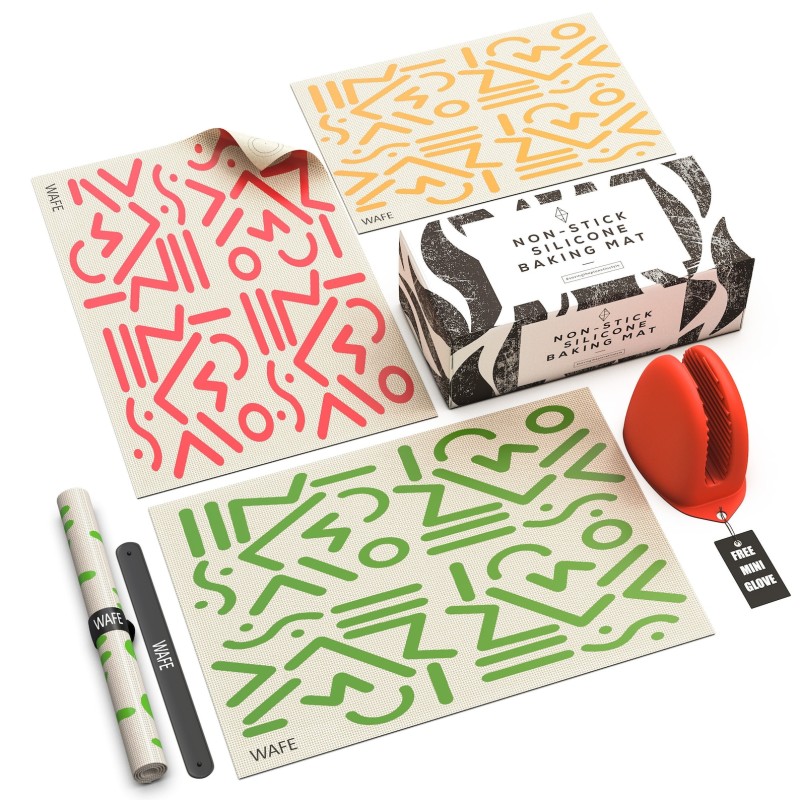
WAFE Reusable silicone baking sheet is a quality alternative to disposable parchment paper, for all your baking needs. Ideal for electric, gas and fan-assisted ovens, these non-stick mats catch drips and splatters before they burn, saving you scrubbing leftovers from cooking a Sunday veggie roast! After use, just wipe clean or toss in the dishwasher, to use again.
Silicone is made from a blend of sand and fossil fuels, but it’s food-safe, lasts years and is easy to recycle. It also withstands high temperatures, so the liners can also be used for steamers and ovens.
Read our post on food safety for people and pets. It’s best to just bin allium (onion family) and tomato/citrus/rhubarb scraps, as acids could harm compost creatures. For tinned foods, always remove lids fully or pull ring-pulls back over holes, to avoid wildlife getting trapped.
With a thickness of 0.75mm embedded with fibreglass fabric, these cooking mats are extra sturdy and colour coded, to prevent cross contamination.
Each kit includes 2 large silicone baking mats, 1 medium silicone mat and a silicone band for easy storage. The set also includes a mini silicone oven glove, which provides maximum coverage to fingers up to 220°C, and stays firmly in place, also ideal for air-fryers.
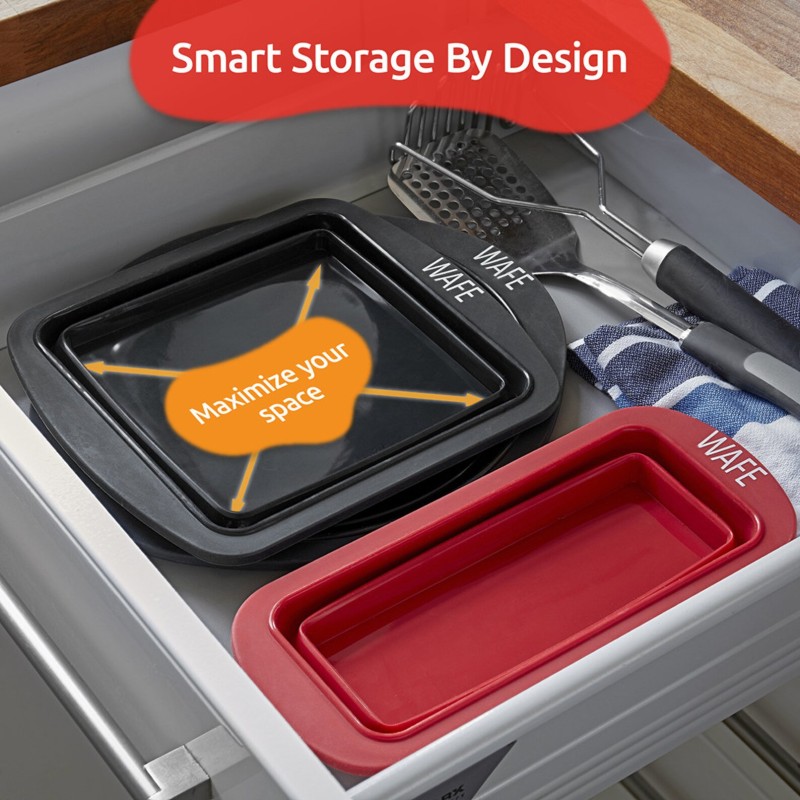
You can also buy these alongside the matching silicone bread and loaf tins, in space-saving designs that collapse down after use. They’re also good for making layered tortes and homemade pizza.
Keep fresh dough away from young children and pets.
Reusable Silicone Air Fryer Liners
Air-fryers are very popular these days, and you can see why. A safe new brand (with automatic shut-off switches) from a kitchen shop can cook homemade and ready-made food with little or no oil in less time, saving a fortune also on energy bills, as you don’t need to bother turning on the oven.
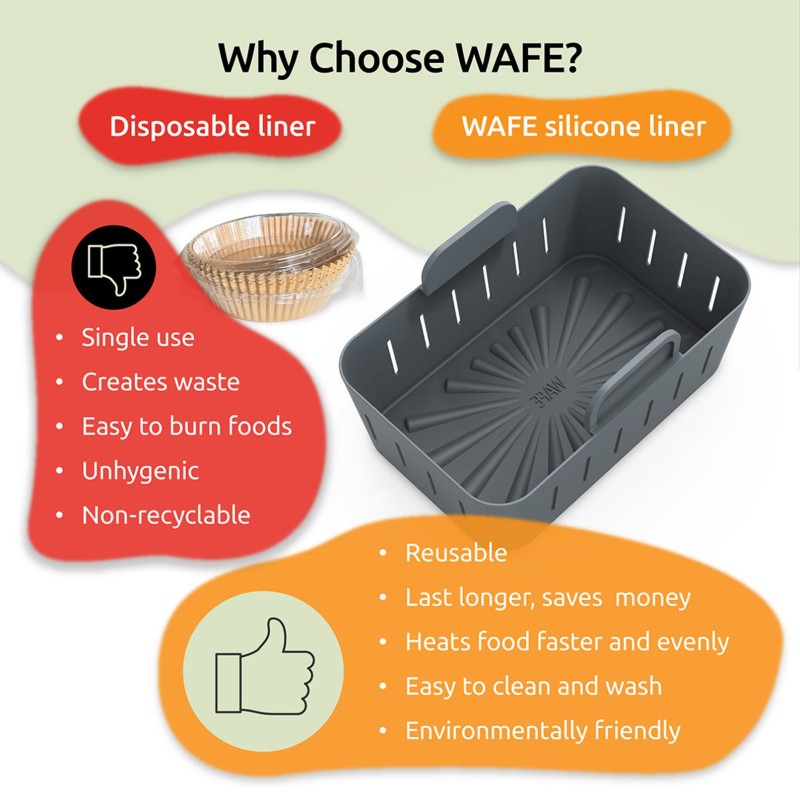
But as with all appliances, they can be tricky to clean. These silicone air fryer baskets (also in rectangular shape) are in various sizes (measure your air basket before ordering). The slotted holes and air-flow keeps them clean, and the dishwasher-safe liners capture oil and large food bits.
Silicone is made from a blend of sand and fossil fuels, but it’s food-safe, lasts years and is easy to recycle. It also withstands high temperatures, so the liners can also be used for steamers and ovens.
Read our post on food safety for people and pets. It’s best to just bin allium (onion family) and tomato/citrus/rhubarb scraps, as acids could harm compost creatures. For tinned foods, always remove lids fully or pull ring-pulls back over holes, to avoid wildlife getting trapped.
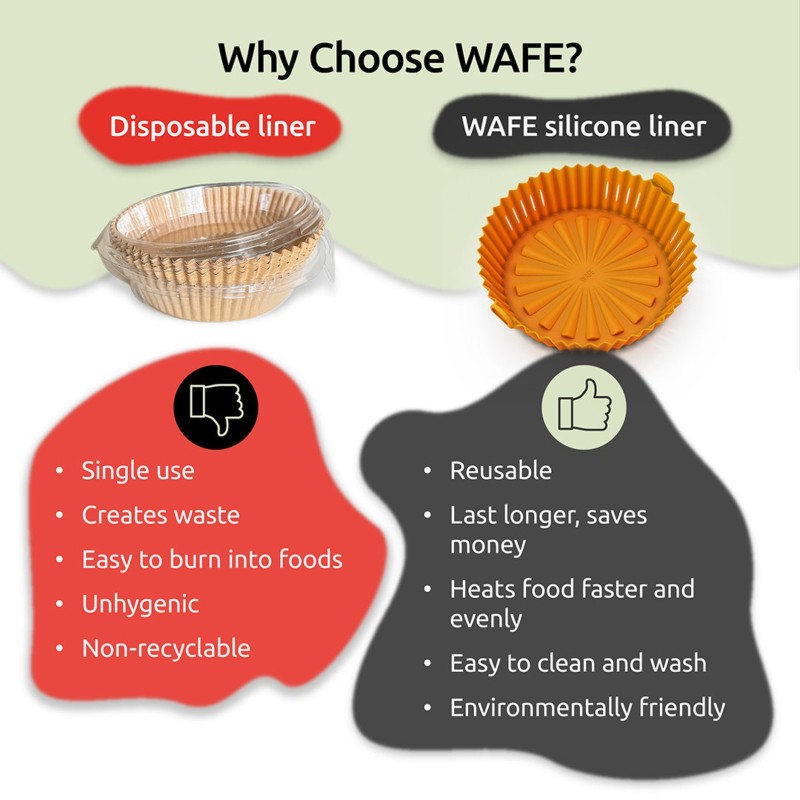
The unique base patterns and drain channels prevent oil from soaking your food, so now you can enjoy everything from homemade chips to homemade recipes, in half the time and far less oil.
We do need fats for good health, but in reality we don’t actually ‘need’ oil (olive oil used to only be sold in chemists). It just means using olives instead of olive oil etc.
And if you are trying to lose weight or have serious illness like heart disease, it’s good to at least reduce the use of refined oils.
England’s top cause of kitchen fires are fat fryers. So it’s great to replace one with an air-fryer instead. UK law is that if you buy a new appliance, the store has to recycle the old one. So take the opportunity to take the rusty old fat-stained chip fat fryer to the shop, and let them recycle it for you!
The Vegan 8 (simple healthy plant-based recipes)
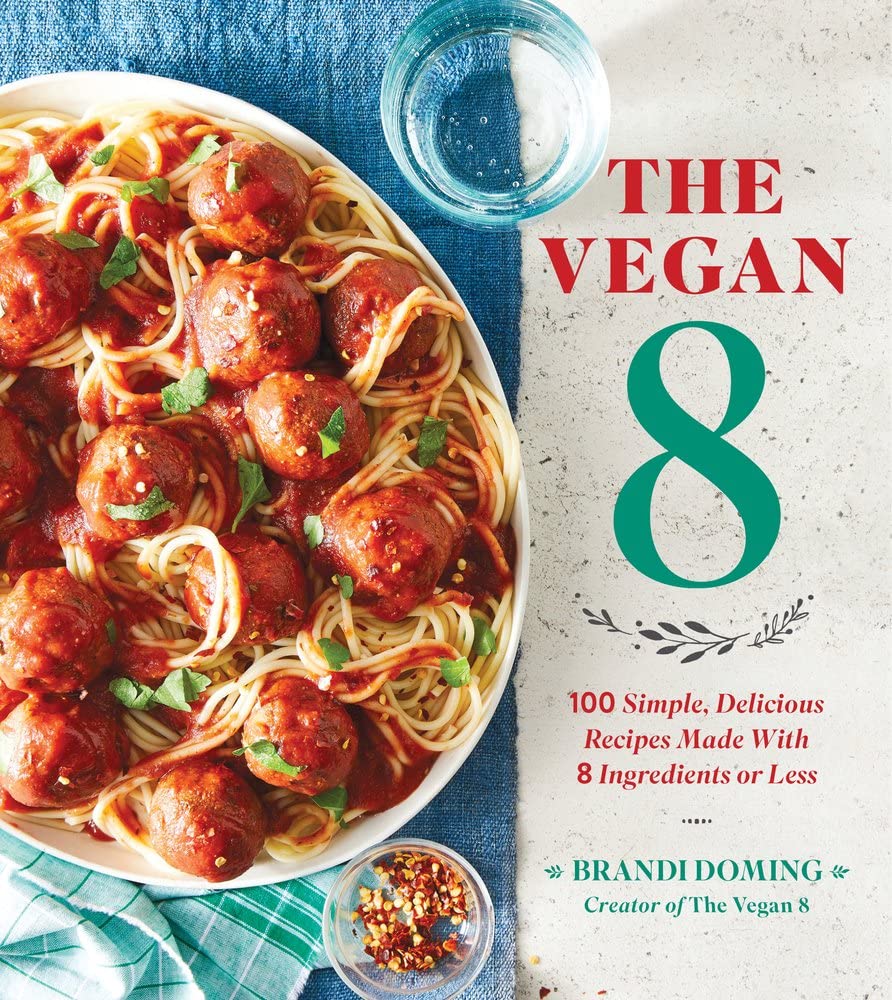
Brandi Doming is a former model, who helped heal her husband’s gout, by creating tasty recipes without oil (or gluten). Her book The Vegan 8 has recipes with 8 ingredients or less (not including water and salt).
Read our post on food safety for people and pets. It’s best to just bin allium (onion family) and tomato/citrus/rhubarb scraps, as acids could harm compost creatures. For tinned foods, always remove lids fully or pull ring-pulls back over holes, to avoid wildlife getting trapped.
We do need fats for good health, but in reality we don’t actually ‘need’ oil (olive oil used to only be sold in chemists). There is sometimes occasion to slather oil on recipes.
But actually if you are trying to lose weight or have serious illness like heart disease, it’s good to at least reduce the use of refined oils.
That does not mean you give up fats. It just means using olives instead of olive oil, and nuts instead of nut oils etc. Brandi does use coconut milk in some of her recipes, to replace dairy.
Recipes include:

- Roasted Gold Potatoes with Rosemary Sauce
- Bakery-style Blueberry Muffins
- Cream ‘Cheese’ Spinach Artichoke Dip
- Cajun Veggie & Potato Chowder
- Skillet Baked Mac n ‘Cheese’
- BBQ Bean Ball Sub
- No-Bake Chocolate Espresso Fudge Cake


To hit the same amount of fat and calories in 1 tablespoon of olive oil, you would need to eat 24 pitted green olives. 8 olives vs 1 teaspoon of olive oil gives a lot more food, with fibre and nutrients. A tiny dab of oil or lots of olives? I’ll take the olives. Chef Lindsay Nixon
A Book of Delicious Vegan Recipes (no oil or gluten?!)

If your intuition is telling you that vegan food is bland and boring, this book is not just vegan, but free from gluten and oil! But stop right there!
Ashley is a talented chef, who has produced recipes that are ideal for people who have been advised to give up cholesterol, too much oil or gluten, yet still can enjoy recipes that taste as good as others. She’s a genius!
Plant-Based Delicious is a book of flavourful recipes that are also super-healthy. The author is a chef and nutritionists, so combines her knowledge of both areas.
The recipes in this book include:
- Cauliflower Casserole
- Tofu Black Bean Burgers
- Spicy Sheet Pan Cauliflower Tacos
- Rice Poutine with Miso Gravy (not for pregnancy, unpasteurised)
- Tofu Benedict with Corn Hollandaise & Spinach
- Mushroom Lasagne with Kale & White Bean Ricotta
- Moroccan Potpies with Almond Pastry
- Maple ‘bacon’ Cauliflower Steaks with Lentils
- Mint Chocolate Ice Cream Cheesecake
- Double Chocolate Chip Chickpea Cookies
- The Chocolate Cupcake

Neal Barnard MD calls this book ‘a secret culinary weapon’, and it’s loved by acclaimed chef Sarah Britton as ‘food you want to dive headfirst into’.
Originally from Canada, Ashley Madden is a certified holistic nutritionist and former pharmacist, who became interested in anti-inflammatory foods, after being diagnosed with MS. She lives in Tapai (Taiwan) with her family.