Help and Resources for Sheep (and their shepherds)
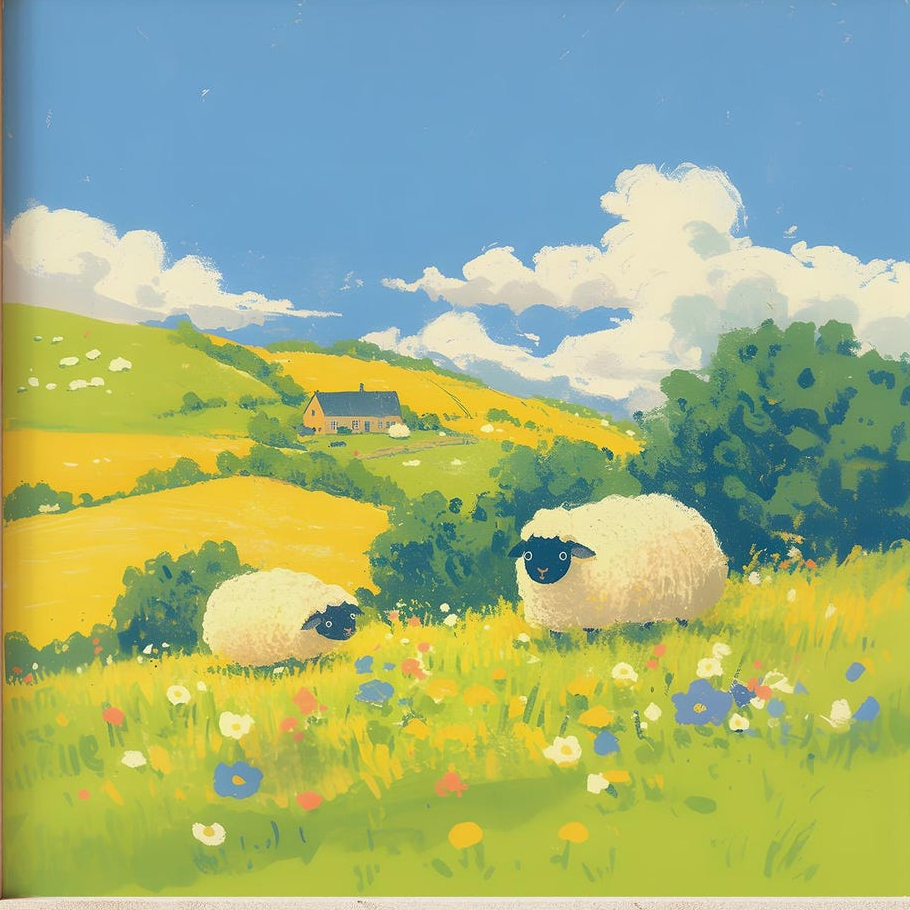
Whether used for grazing land or meat, England has over 20 million sheep, and thankfully unlike most barn animals, they are mostly free-range. Whether you eat lamb or not, here are ways to make life better for sheep and their shepherds.
Sheep (and goats) spook easily, which is why they have rectangular eyes to see predators from all angles. So never approach them (ewes can miscarry from shock).
Follow the Countryside Code to help dogs and livestock safe. Read our post on humane dog training, to keep dogs under control near sheep (if in doubt, don’t walk nearby).
Put dogs on leads on Open Access land (a legal requirement between 1 March and 31 July). This is for your dog’s safety too, as farmers can legally shoot dogs that worry sheep.
Report farm animal concerns first to farmers with a friendly word. If no joy, call RSPCA (or Crimestoppers (anonymous).
How to Help an Overturned Sheep

No matter where you live or visit (but especially in areas like Cumbria, Shropshire and Northumberland that have more sheep than people), it’s worth knowing how to upturn a sheep, in case you find one lying on its back, and there is no farmer nearby.
Always find the farmer afterwards to inform, in case of medical care needed.
Sheep don’t sleep on their backs naturally, due to having four stomach chambers. So if they fall over (sometimes due to the weight of rain or pregnancy, or even scratching an itch), they often can’t right themselves. And if not turned back up by a human, they will die.
It’s very simple, really. You just gently approach the sheep, grab a handful of wool and turn it back upright. The sheep will likely run off to join the flock, or be a bit wobbly at first. Stick around to ensure the sheep is okay.
Especially if the sheep fell upside down due to the weight of rain. It’s important to hold the sheep to allow the rain to drain off, so it doesn’t happen again.
Although vegans don’t wear wool, sheep do need shearing, as not doing this can create waterlogged coats, which can lead to them falling over, due to the weight of the water.
Helping Farmers to Treat Sheep Feet!
Although sheep in England tend to all be farmed outdoors (so no factory farms), there are still many welfare issues. The demand for Easter Lamb leads to many being bred to produce two or more lambs (if left to nature, multiple births are rare for sheep).
Farmers have a non-stop battle with scald and foot-rot, as the grass never dries out, due to constant rain.
Many ewes miscarry, and many lambs die due to disease and exposure. This is because simply that there are often too many sheep in a field at one time, to keep an eye on foot scald (inflammation from droppings and soil bacteria) or foot rot (the hoof starts to die). These diseases are common in northern England, due to more rain.
Most sheep farmers carry a spray, in an never-ending battle to prevent disease. The other main issue is fly strike (maggots laying eggs in the fleece, caused by blowflies). This can leave near-fatal open wounds, if not immediately treated.
This is why some sheep farmers use a practice called mulesing (slicing away chunks of skin without painkillers) which is why ‘ethical wool companies’ have website statements that they only buy wool from farmers who do not use this practice.
Good sheep farmers (and sanctuaries) pay shearers per hour (not by sheep). To ensure the job is done properly. Not shearing sheep properly (and too early) can lead to pneumonia.
- Mudcontrol is recommended by farmers. It helps to stop the need for sinking concrete into the ground. Safer for animals and humans, it can help turn dangerous muddy ground, into safe paths.
- Sheepeasy is an engineer-designed invention, to make it easier to look after the feet of sheep, goats and alpacas, while keeping them calm. Sold in 3 sizes – just hook on a fence, hurdle or gate.
- Sheep Veterinary Society has info on preventing and treating foot rot. You can also take vet-endorsed courses for farmers at Homeopathy at Wellie Level.
- The Farming Community Network is an umbrella of charities that has helplines for struggling farmers of any animals. From providing free feed, to help with finances and tenancy.
- The Transfarmation Project can help with setting animal farmers up with free feed and advice to grow oats (a very profitable growing market, due to oat milk). Cherished family farms can then thrive, with remaining animals living lives in peace.