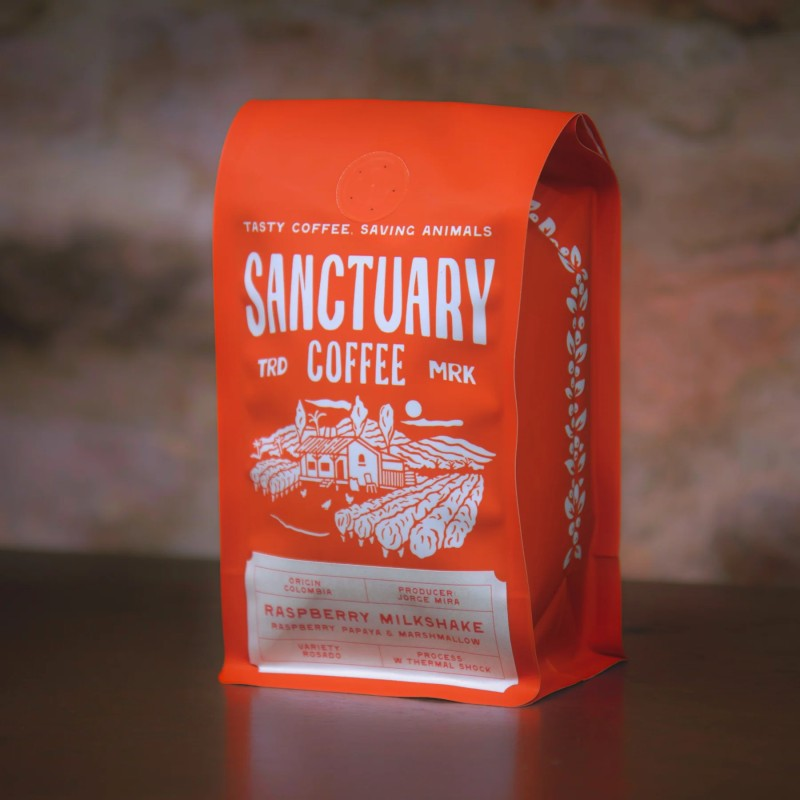
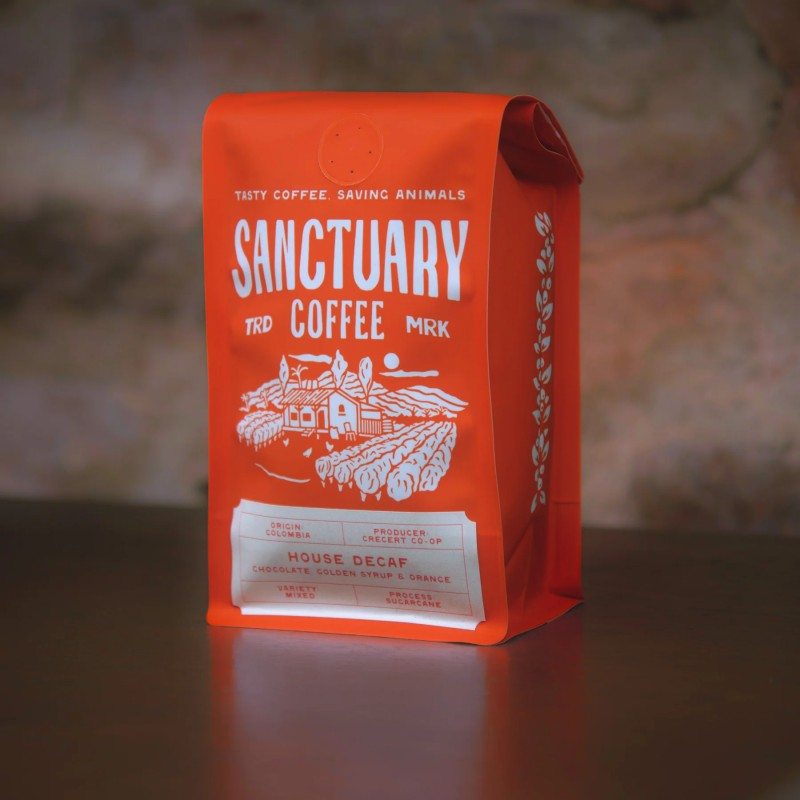
Animal sanctuaries play a vital role in providing care for animals who need a safe place to live. Unlike temporary shelters, sanctuaries may provide long-term or lifelong homes.
An animal may arrive needing medical attention, rehabilitation, specialist care or simply a safe environment where it can live without fear. Sanctuaries can care for farm animals, domestic animals, wildlife and other species depending on their individual missions.
The work is often intensive and expensive.
The hidden costs of sanctuary care
Caring for animals involves much more than providing food. Sanctuaries may need to cover veterinary treatment, vaccinations, medication, bedding, fencing, shelter repairs, transport and specialist equipment.
There are also everyday costs such as heating, water, cleaning supplies and staff. Some animals require lifelong medical treatment or special diets. Unexpected veterinary emergencies can create significant additional expenses. This is why reliable financial support can make such a difference.
Also read how to support animal shelters in Eastern Europe.
How coffee can support animal welfare
The connection between coffee and animal sanctuaries may seem unusual at first. But everyday products can provide useful fundraising opportunities.
When a business links purchases to a charitable purpose, customers can support that cause while buying something they would already use. Coffee is particularly suited to this model because it is a repeat purchase.
Many people drink coffee every day. That means a product with a charitable connection can potentially create ongoing support rather than relying entirely on occasional donations.
Turning everyday buys into positive choices
Most of us make countless purchasing decisions every week. Some are necessities. Others are small treats. Coffee often sits somewhere in between.
If you are going to buy coffee anyway, choosing a product connected with animal welfare can make the purchase feel more purposeful. It does not replace direct charitable giving, but it can complement it.
Coffee with a conservation mindset
Animal welfare and environmental sustainability are closely connected. Many sanctuaries also care deeply about protecting habitats, biodiversity and the natural world.
Coffee itself comes from an agricultural system that depends on healthy ecosystems. Coffee farms can provide habitat for birds and insects, particularly when shade trees and natural vegetation are maintained.
Before coffee reaches your kitchen, it starts as a fruit grown on a coffee plant. Coffee cherries develop in suitable climates, often in mountainous or tropical regions. Farmers cultivate the plants, harvest ripe cherries and process the beans.
The resulting green coffee is eventually roasted before being packaged and sold. Understanding this journey can make a simple cup of coffee feel surprisingly connected to the wider world.
Supporting responsible coffee production
If you care about animal welfare, you may also be interested in the environmental side of your coffee. Look for information about sourcing, farming practices and certifications.
Organic coffee, shade-grown coffee and other approaches can offer different environmental benefits, although each claim should be considered carefully. There is no single label that guarantees that a coffee is perfect in every respect.
Coffee-growing areas can support impressive levels of biodiversity. Shade trees can provide habitat for birds. Flowering plants can support pollinating insects.
Healthy soil supports microorganisms and other organisms that contribute to ecosystem function. When agricultural systems maintain more natural features, they can become part of the wider landscape rather than completely replacing it.
The role of coffee farmers
Farmers are at the beginning of the coffee supply chain. Their work determines much of the quality of the beans. They also face many challenges, including unpredictable weather, crop diseases, pests and changing market conditions.
Climate change adds further pressure. Supporting coffee businesses that take producer livelihoods seriously can help contribute to a more resilient coffee industry.
Other coffee brands helping animals
Around the world, other coffee companies are using their profits to support animal welfare. Examples include:
In the USA, several coffee companies also help animals:
- Grounds & Hounds Coffee donates a portion of profits to support animal shelters, rescue programmes, vaccinations and spay/neuter initiatives. Its playful coffee names include Soul Pup, Morning Walk and Rescue Roast.
- Underdog promotes the idea that every cup helps save a pup.
- Rescue Coffee Co (Go Fetch! and Downward Dog)
- Fluffy Cow Coffee supports farm animal sanctuaries.