A Guide to the County of Staffordshire, Naturally

Staffordshire is one of England’s many land-locked counties in the West Midlands. This one is known for its many canals, and being the home of pottery. With industrial roots, most canals these days are towpath walks.
If out walking, follow the Countryside Code to keep all creatures safe. Read more on how to protect England’s historic canals.
Flash (the highest village in England!
Surprisingly (if you thought it was going to be Yorkshire or Durham), the highest village in England is here. Flash is very close to the Cheshire/Derbyshire border, and not far from Buxton.
The village was not always so popular. It has a rough history of smuggling and counterfeiting money!
Ilam (a village that looks like Switzerland)
Ilam would trick you into thinking that you were in Lucerne (minus the lakes). The little cottages and lush valleys are unique in this part of the world.
There used to be a stately home here, but it was partly demolished in the 1930s. What remains is now a YHA youth hostel.
Home to the Northern Peak District
You likely know that England’s oldest national park is mostly in Derbyshire. But the northern corner sits here, packing wild moorland and rugged peaks into a popular walking destination. Due to the Midlands being so accessible for so many people, it’s also loved by millions of people.
The ‘winking man’ is a rock formation near the village of Leek, as it resembles a face. Protruding from a hillside, locals know him as ‘Winky!’
Stoke-on-Trent (the historical home of potters!)
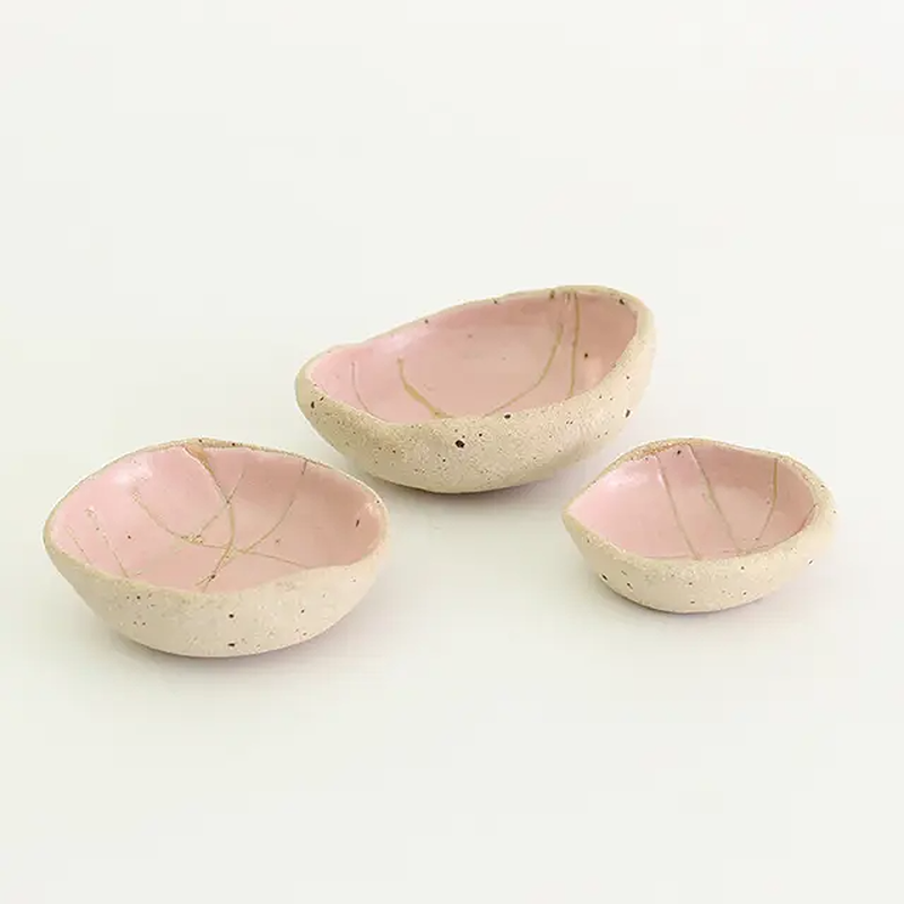
Staffordshire (and in particular Stoke-on-Trent) is of course known for its pottery. These handmade clay wonky bowls are made by hand.
Oxford Clay has a great e-book on 30 ways to make your pottery greener. It includes which ingredients to use and avoid, eco-friendly tools and recipes (including one without oxides).
Its own pottery is made with clay that’s fired with clean energy, and uses vegan tools and ingredients. This potter creates ‘green’ colours by recycling copper from broken electronics, and ‘blue colours’ by recycling broken glass and bottles from around the city of Oxford!
Saint Chad (from the small city of Lichfield)
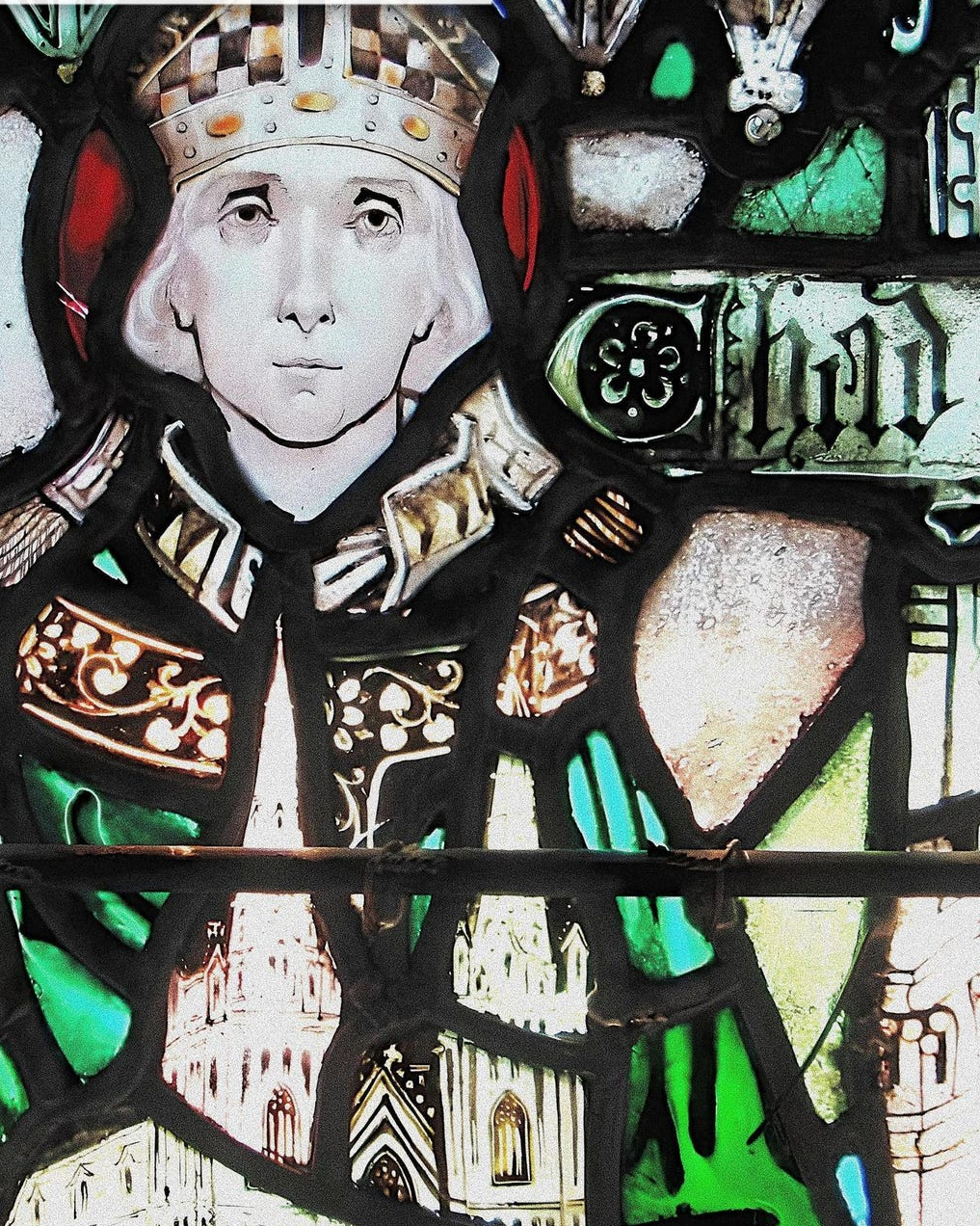
Tucked away in Staffordshire, the small city of Lichfield surprises many who visit. It has a stunning three-spired cathedral, a compact place with hidden museums, green parks and quirky shops.
St Chad arrived in Lichfield back in the seventh century. He became bishop and turned the city into the heart of early English Christianity. After he died in 672, his tomb in Lichfield Cathedral became popular with pilgrims (people believes relics worked miracles).
Everything changed in the 1530s during the English Reformation. King Henry VIII split the Church of England from Rome and ordered religious shrines like St Chad’s to be destroyed.
Monks and loyal townsfolk tried to protect what they could, but much was lost. All that survived from the original relics was a small portion, later rediscovered and now displayed within the cathedral.
Lichfield Cathedral’s churchyard is the resting place of 18th century Romantic poet Anna Seward. She was very religious and despite writing of romance, never married herself. A bit like England’s version of the Romantic American poet Emily Dickinson.
If you wander a little farther, you’ll find Dr Milley’s Hospital. Despite its name, this isn’t a hospital in the modern sense. Founded around 1500 by local doctor Thomas Milley, it was set up as an almshouse to house women who needed accommodation.
Birth Place to Hard-Living Celebrities!
For some reason (a bit like Finns who play in heavy metal bands), Staffordshire seems to give birth to celebrities who enjoy a pint or two or more! Locals born here include Robbie Williams (whose parents ran a local pub) and Neil Morrisey (the son of Irish parents).
Motorhead’s Lemmy (the Ace of Spades) also hailed from here. Most other hard-living celebrities had nothing on him.
After 15 years of taking drink and drugs, he asked for a blood transfusion. But doctors who ran tests said his body was so toxic, that fresh blood may have killed him!
Slash (guitarist with band Guns’n’Roses) spent his childhood here, before his family emigrated. He recalled that when touring in England, visiting relatives ‘downed every drop of cider in our dressing room. Our booze would have killed anyone but us!’