A Guide to the County of Lincolnshire, Naturally
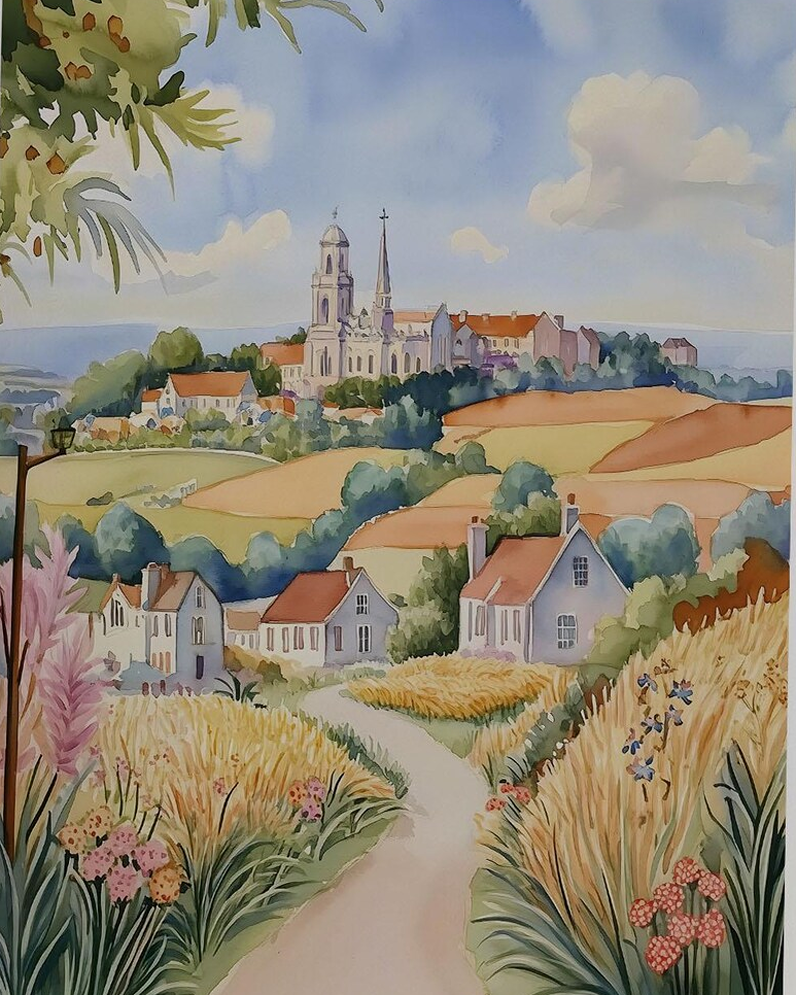
Lincolnshire is a county in the East Midlands, with sandy beaches. The Wolds run 216 miles (low hills running along the North Sea coast).
Here you’ll find walking routes, with flourishing wildlife amid ancient woodlands and hedgerows, with buzzard and red kites soaring overhead.
If out walking, always follow the Countryside Code to keep all creatures safe. If at the coast, read about how to keep dogs safe by the seaside.
Never walk on sand dunes, to protect nesting birds, seal pups and other wildlife. Also keep dogs away, especially in breeding season.
The Viking Way runs for 147 miles, with some of its best parts winding through this area. You’ll pass old hedgerows, and winding streams. Villages like Tealby and Binbrook invite lazy afternoons with stunning views.
Hidden in quiet Fenland, Heckington is the only eight-sailed windmill left in England. Restored by local enthusiasts, the mill acts as a living museum.
A Wilding Year: Rewilding a Lincolnshire Farm

A Wilding Year tells the personal journey of artist Hannah Dale and her husband, as they return their farm to nature. They had inherited it from his father, a regenerative farmer (who had invented a seed drill to avoid disturbing his beloved earthworms).
They plant trees, create wildlife ponds and scatter wildflower seeds, and today there are blossoming hedgerows that burst with berries in autumn.
Grasses ‘fizz with insects’, and over 1000 meadow brown butterflies fly over creeping thistles. Birds sing and owls hunt, goldfinches to chatter to each other, and badgers snuffle for worms.
The rewilding project saw these marshy wetlands herald the return of skylarks, meadow pipits, hobbies and polecats to their farm. Which also provided new inspiration for her wildlife paintings.
The Wild Beauty of Lincolnshire’s Beaches
Lincolnshire has many wide sandy beaches and dramatic skies. Perfect for quiet and gentle strolls, these are the nearest seaside towns for people living in Derbyshire and Leicestershire (counties furthest from the sea).
Gibraltar Point National Nature Reserve (near Skegness) is a long strip of saltmarsh, sand dunes and lagoons, a haven for native birds, where Lincolnshire meets the sea. You can also spot avocets (with upturned beaks, these wading birds are the RSPB symbol), owls and grey seals.
The three main seaside resorts in Lincolnshire are:
Skegness is a small town that became a major holiday resort, when the railways arrived in 1873. It also became the location of one of the first Butlins holiday camps (opened in the 1930s). Today it’s a bit run-down and has the sad title of ‘England’s most littered beach’ followed by Margate and Formby.
The local RNLI has begged people not to throw litter on the sand dunes. Not only is it bad for the planet, but poses a threat to lifeguards, who keep tourists safe. Some had even been treated from cuts and burns, due to standing on disposable barbecues (banned by most councils).
Cleethorpes sits on the Humber Estuary and has one of the widest beaches at low tide in England, and lies directly on the Greenwich Meridian Line. It’s not technically even on the sea, and is one of the driest areas in England, with low rainfall rates.
Mablethorpe has a slowly eroding coast. At very low tide, you can see the remnants of an ancient mixed forest on the beaches here (and nearby Sutton-on-Sea). This is because the North Sea used to be dry land. So as water levels rose, the trees died and fell into jumble of stumps and trunks, which where buried and preserved by peat.
Home to Many of England’s Wild Seals

The mild sandy beaches means that the Norfolk coast is popular for native seals to bask and pup here (keep yourself and dogs away from seals and their pups, who mums often hide in sand dunes).
There is presently a campaign to ban flying rings (due to curious seals getting them trapped around their necks on land or sea). Add your signatures (over 45,000 so far!) If passed, the UK would become the first nation to do so. It’s also good to avoid flying kites, for the same reasons.
Let’s Visit The Historic City of Lincoln
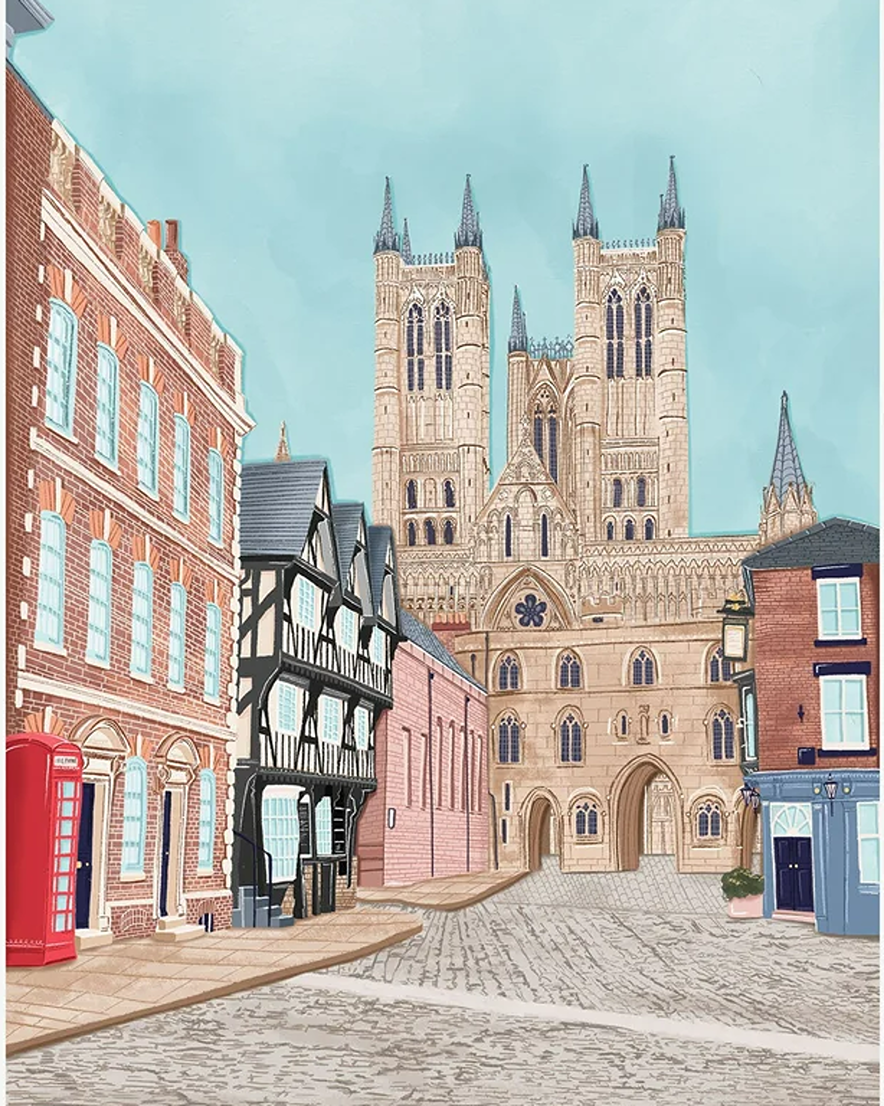
The main city of Lincoln has ancient roots, but due to no motorways, you’ll find more local food than most places. You may have to go up Steep Hill to find them! For over 200 years, Lincoln Cathedral was the world’s tallest building, its carved stonework and stained glass dating back to 1072.
In 1905, Lincoln faced a serious health crisis, when a typhoid outbreak swept through the city. The cause was traced to polluted water, which had become contaminated by sewage. Hundreds of people fell ill, a timely reminder of why we need better sewage treatment, even today.
The town of Boston is where pilgrims came from when landing in Massachusetts (hence why there is a US city of the same name). Also here is Louth is ‘Lincolnshire’s favourite market town) where Georgian houses frame narrow streets, and the tall spire of St James’ Church stands out for miles.