A Guide to the County of Hampshire, Naturally
The large county of Hampshire is one of contrasts: from a National Park to England’s former capital city, and from seaside resorts to pretty villages.
If out walking, always follow the Countryside Code to keep all creatures safe. If at the coast, read about how to keep dogs safe by the seaside.
The Solent (seagrass meadows and chalk reefs)

The Solent is a 7000-year old stretch of water, formed when sea levels rose during the last Ice Age, to flood the River Frome estuary, causing the Isle of Wight to separate from the mainland.
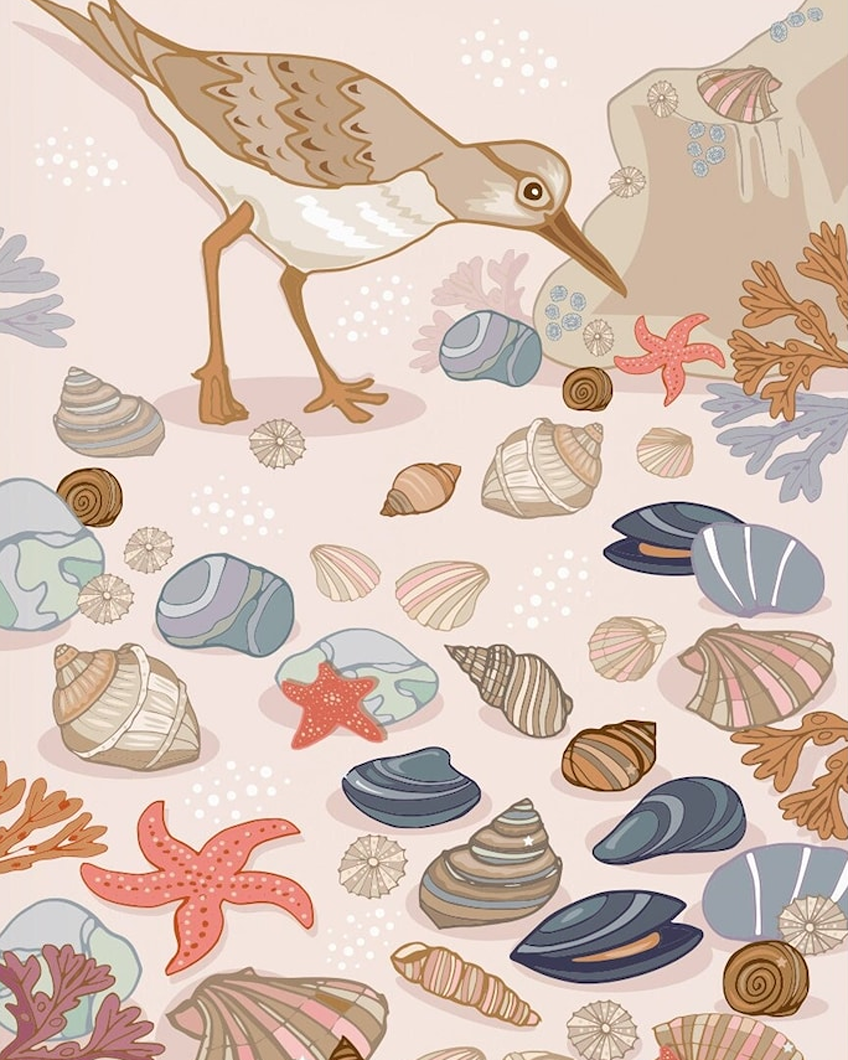
This narrow stretch of sea is a very important haven for seagrass meadows (home to endangered sea turtles and sea horses) and rare chalk reefs (like our version of coral reefs).
Hayling Island is the largest island in the Solent, with many Blue Flag beaches. The shallow waters has made it popular for water sports (windsurfing was invented here).
Never use jet skis, they harm many creatures, and cause noise pollution and accidents, and drive baby gulls and seals away from their parents. Report any wildlife crime to Crimestoppers (anonymous).
Portsmouth: England’s Only Island City
Portsmouth is England’s only island city, with a commercial hovercraft service (no rudders, so better for wildlife) to Isle of Wight. It has a strong naval base, and like Norwich, one of the few cities to have two cathedrals (one Catholic, one Anglican).
Birthplace to writer Charles Dickens, it’s skyline is dominated by Spinnaker Tower (which accepts money to light up at night – this could cause cause bird strike, as lights should be turned off in glass buildings).
A short walk from Portsmouth is Southsea, a nice little town with a pier and boating lake. Its main claim to fame is that one gym member during the 60s was Arnold Schwarzenegger, who visited for bodybuilding exhibitions, before he left to become a movie star and governor of California.
Southampton: A South Coast Sailing Port
The home for sustainable sailors (and is one of the world’s busiest cruise ports), Southampton is sadly the place where the luxury liner Titanic set sail for its final voyage, before hitting an iceberg, and sinking in 1912.
Jane Austen also lived here (she wrote Sense and Sensibility while living here). The city is also home to the world’s oldest bowling green.
The Hamptons (visit another Southampton!)
Just a short drive from New York City is The Hamptons, a set of two affluent towns (Southampton and East Hampton) along with beautiful villages. It’s known as the East End, but not like our version!
Home to swanky millionaires, it has clean beaches and many independent shops, and a non-profit organic teaching farm. The local bookstore was saved from development, bought by a local art dealer.
Bookstores are genuinely useful to me. I like picking things up, reading the dust jackets. The great thing about a bookstore, is that you’ll go in looking for one thing, and come out with five. Larry Gagosian
Winchester (England’s former capital city)
This beautiful city (which used to be the capital of England) has a lovely cathedral and castle ruins. The weekly farmers’ market brings local fresh produce to everyone’s table.
Winchester Litter Pickers began with 3 friends, and now has over 30 local volunteers. Areas they clean include outside the cathedral and the area around the railway station. They collect around 1000 bags of litter per year. Volunteers receive litter grabbers and reflective vests.
Regency writer Jane Austen (often more associated with Bath, where she lived) was born in nearby Steventon, where her father was the local vicar. Several of her nephews attended Winchester collage, and she spent her last weeks in the city. She is buried at Winchester cathedral.
Winchester College is up there with Eton, as one of England’s poshest private schools. Founded in 1382, it’s also one of the oldest, and includes a 14th century Gothic chapel, and a schoolroom designed by Sir Christopher Wren (who designed St Paul’s Cathedral in London).
Some well-known pupils who attended here include actor Colin Firth and Tim Brooke-Taylor (former Goodie!)
The New Forest (and its wild ponies)
The New Forest contains the largest expanse of lowland heath in southern England, a habitat now rarer than rainforest. Home to trees that are over 1000 years old, this diverse patchwork of ancient woodland, heathland and coast, is home to 75% of the world’s endangered dragonflies.
The New Forest Verderers employ five Agisters whose oversee all grazing wild ponies, livestock, cattle, donkeys, pigs and sheep.
Never disturb or feed wild ponies. For concerns, contact the Verderer and Agisters website. Road traffic accidents involving ponies, cattle, donkeys, pigs and sheep must be reported immediately on 999.
The South Downs (England’s Newest National Park)
This stretches from Winchester (Hampshire) to Eastbourne (East Sussex) and is known for its chalk downs and beech woods that glow with copper hues in autumn. Many villages (like Amberley) lie nestled in the valleys, with old pubs and hidden churches giving a real example of old England.
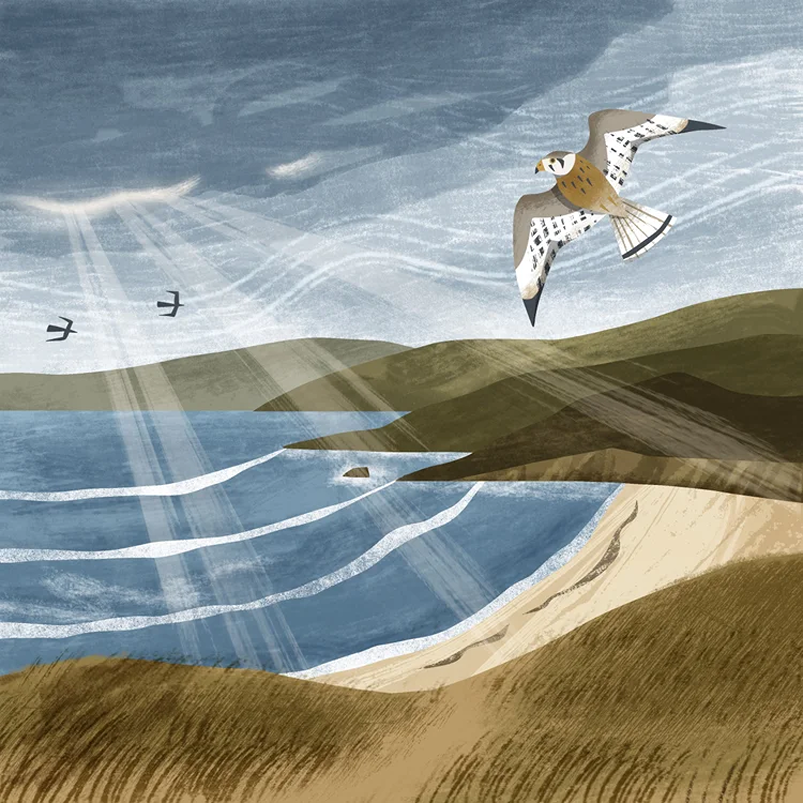
This park is an International Dark Sky Reserve, which attracts butterflies, skylarks and shy deer. Barn owls can safely hunt at dusk, and local nature reserves protect rare bats, dormice and orchids.
The South Downs Way is a 100-mile national trail that runs across the heart of the park. It’s well-marked and open to walkers – taking you through open hills, secret valleys and quiet forests.
Why Hampshire is ‘King of the Watercress!’

Peppery watercress is Hampshire’s best-sold crop, easily cooked, so only add at in the last few minutes for recipes. Also popular in Dorset, it was first eaten by the Romans in the first sandwich! Try this 15-minute watercress soup (Salted Mint).
Check medication before consuming watercress (due to vitamin K interactions) and keep away from pets. If growing your own, use no-dig methods to protect wildlife (also read about pet-friendly gardens).
One bag of watercress is sold each second in England. It’s been popular since Roman times, when it was thought to cure everything from baldness to insanity. Or just to freshen breath.
Best enjoyed from April to September, choose strong green leaves for freshness and only wash and shake dry before use. Store in the fridge (ideally in water) and eat within a couple of days.
A former watercress farm near Chichester, is set to become a glamping site. The owners plan to let tourists help themselves, and remaining beds will be turned into wildlife ponds.
Free Watercress on the NHS?
The founder of England’s largest watercress farm eats it each day, as does his family. He’s so passionate about the crop, he arranges a watercress festival in the village of Alresford.
The company is also trialling ‘free watercress soup’ at an NHS hospital,. This could use up 90,000kg of winter watercress that would otherwise go to waste, and serve nutritious tasty food to patients.
M & S recently sold a ‘posh egg cress sandwich’ for £6 with ‘whole sliced egg, fresh baby watercress and mayo on two slices of bread’. It did not take long for comments like ”this country is finished’ and that ‘the word posh costs you 3 quid’.