Simple Steps to Be a Digital Nomad
If your work is online, some people like the idea of becoming a ‘digital nomad’. This does not always involve living on a paradise island, though it could. Or it could simply mean working from a garden shed or travelling around England, earning money on the go.
But there are issues you have to navigate. Like flexible broadband connections, banking (especially if you travel abroad) and finding and paying for travel and accommodation, if you are frequently on the move. Security is an issue too, so use a good VPN, as you may well be working from hotel rooms or airport lounges.
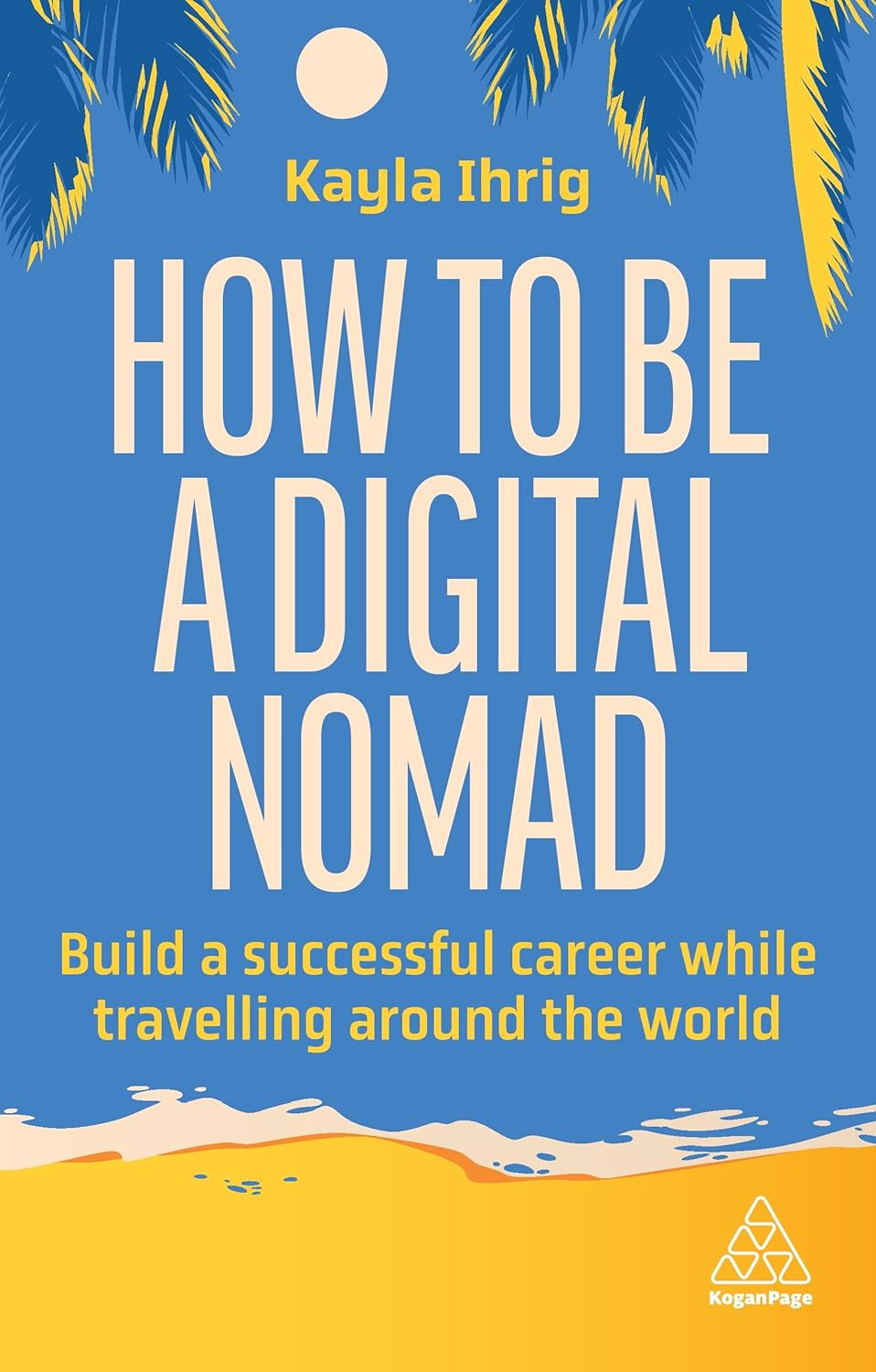
But it’s a popular way of working, as you get freedom to travel when you want. How to Be a Digital Nomad is a great little read by an American who took a one-way ticket a few years back and now earns a living doing just that. The book includes interviews with remote workers who collectively have been making a living remotely for years.
If you wish to donate a portion of income to favourite causes, read our post on how to give anonymously to c
If you work digitally (just like working from home) you have to have some self-discipline. It’s good to try to set some kind of routine for working hours, so you (a) get the work, but (b) don’t become a workaholic, and take time off for rest and relaxation (and travel, if that’s why you’re a digital nomad in the first place).
Secure Your Finances Before You Leave
Try to have a 6 month buffer for funds, before you travel, and also save a set amount each week, keeping your personal and work accounts private. Look up the laws with your business bank for international payments, and ensure your Internet connection is good. Things you’ll need to budget for as a digital nomad include:
- Housing
- Food and drink
- Work costs
- Transport
- Insurance
- Leisure
- Emergency funds
It may be an idea to get a virtual address, so any post can go to a set address, and then be sent on to you (or back to a UK address, if you still have one).
Pack Smart and Stay Connected
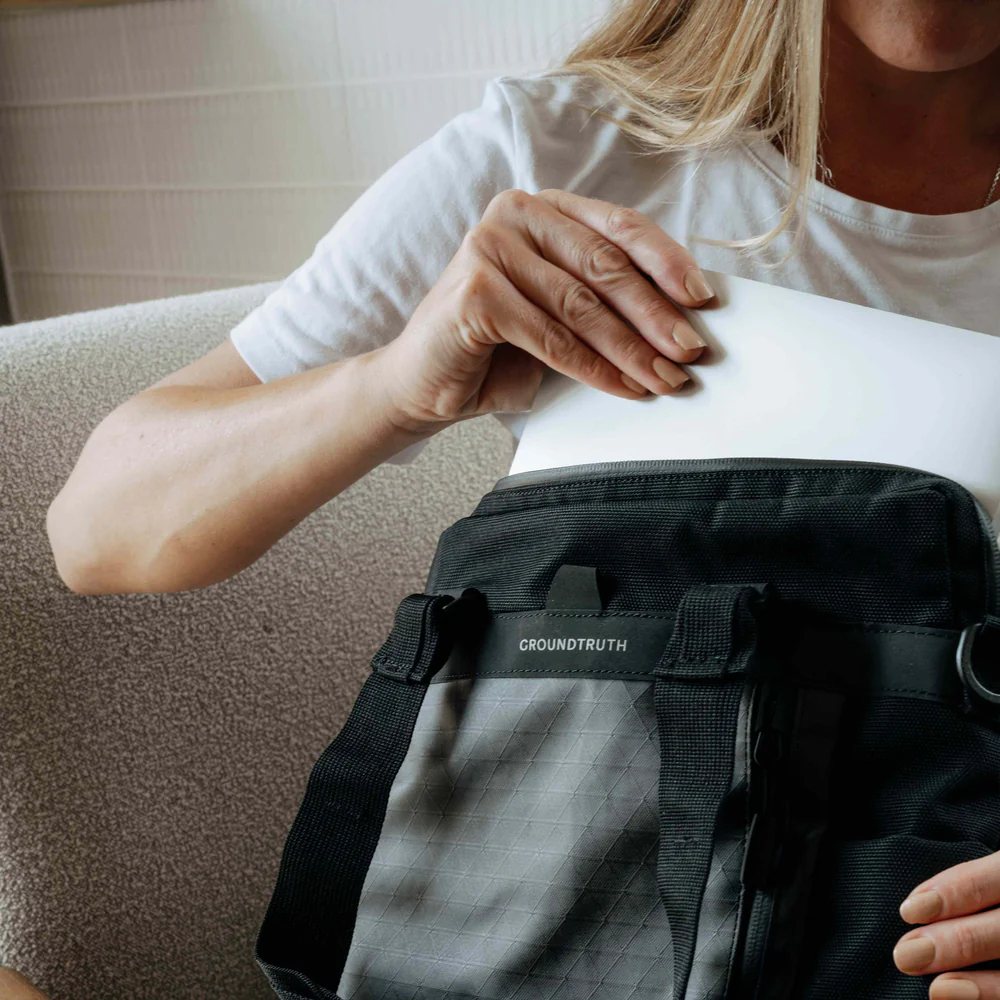
You’ll also need a simple kit to take with you:
- A good backpack or carry-on suitcase
- Compact first-aid kit and basic meds
- Two pairs of vegan shoes, walking and casual
- Clothes you can layer
A good laptop and charger, with universal adaptor. And a portable power bank (check it works in your country or reserve for UK use).
Digital Nomad Case Study: Courtney Carver
Courtney Carver (whose recent book Gentle has tips on balancing life and work) in the USA who decided to completely change her life, when diagnosed with MS in 2006. This led her on a journey of love, health and simplicity. And now she runs a successful site on simple living, and works from wherever she happens to be.
She sometimes works from home, sometimes at a local café or sometimes in an airport lounge. She takes a lot of time off, and although not a world-travelling digital nomad, she still follows the principles, all be on a smaller scale. And because she lives a simple life, she has less income needed, to lead a quality life.
Instead of working so hard to make ends meet, work on having fewer needs. Start to think about what really matters to you. If you aren’t sure at first, don’t worry. Sometimes you have to get rid of the things that don’t matter, to let the things that do, rise to the surface. Courtney Carver
Digital Platforms to Earn Income for Writers

Many talented writers have much good to say, but can’t earn an income doing it. If you are a creative writer, you likely don’t want to earn money comparing car models. But unless you get a book contract (very rare in this day and age), what can you do?
Well, you could do some other job, and just write for love. Another idea is to make use of digital platforms online, then let readers subscribe.
There are no ads or bias, you just write what you love, and people who want to read your work pay you for it. Small subscriptions pooled can sometimes earn you a full-time income.
Substack: Turn Newsletters into Profitable Ventures
Substack runs on free and paid newsletters. You write some content for free, then gradually if the work is good, people sign up for ‘extra’ paid content. Typical prices are a few pounds a month.
Some people earn earn nothing, others earn a nice little part-time moolah, and a few writers make thousands of pounds each month. The key is a clear niche and regular delivery.
Good nature writers to inspire on Substack are:
Patreon: Reward Fans with Tiered Memberships
Patreon lets writers offer tiered memberships. You share exclusive posts (this site is also used for artists and musicians), and members pay a monthly membership. Members then get rewards for support. Say links to written articles, preview chapters of a new book or song etc.
This does have platform fees. But when writers, artists and musicians often are controlled by big business, this kind of lets you ‘run your own self-publishing or record label’, and keep most profits yourself.
The Hound and the Fox (a husband-and-wife singing duo from Portland) are a good example of how to do this. They together sing (he sometimes plays guitar) and make wonderful music together.
It’s all rather gentle and lovely (mostly covers), and they have over 500 members, who help them do this for a living, as well as for love.
Medium: Earn from Reads Through Partners
Medium pays based on member reading time and engagement. So you sign up and start writing good articles. If one becomes popular, many people can show their support by rating it. And then the top-rated articles pay the authors, through membership fees paid for by members.
You have to write well to appear in popular articles here. But if you write a post that goes viral, it could pay handsomely. And that popularity is designed by readers of quality content, not anyone else.
Ghost: Create Your Own Paid Blog
Ghost is an open-source CMS that lets you run a custom site with memberships and paid posts. You can self-host or use the hosted version for a monthly fee. To set up, install Ghost or sign up for hosting, pick a theme, connect Stripe for payments, and set your pricing.
There is no revenue share, so you own your content, domain and data. It does cost (not much) to set up a hosted plan, but you can quickly make this back (for instance, many writers charge £10 a month for premium written or audio posts, so one member would cover the monthly hosting fee). A modest goal of 200 annual subscribers at £20 a year, could yield £4000 a year. Reach 1000 subscribers, and you’ve got yourself a nice full-time income.
Buy Your Favourite Writers a Coffee!
Buy Me a Coffee works a lot simpler. Basically, the writer sets up a page, and if you fancy contributing, you can just add a little ‘tip’ to help support him or her. Paul Kingsnorth has one, as an example.
You can choose to make a one-off donation, or subscribe monthly.
Ko-fi is similar. Again people can donate to help writers do what they do, in a world that is more interested in cars and war. Climate Change Writers is one member, a group of writers from all over the planet, whose goal is to create awareness of the science and impact of climate change, in a world where politics and the media have too many vested interests to tell the truth.
Wordsworth: Monetise Poetry and Prose

Poetry is always nice. But we know that writing poetry usually won’t earn you a penny. Wordsworth has set out to change that, offering an online home for talented bards, to charge per piece or by subscription. Just create a profile, upload your work and choose a price (fees are lower compared to most platforms, these are poets, who are not normally materialistic!)
William Wordsworth was not poor as he came from a wealthy family. But he hardly earned a bean for his poetry, so likely would like to support yours!
This site is a good idea to let creative souls to happily write poems, with enough subscribers. Most poets don’t earn more than a few hundred pounds, but this pays for recycled notepads to scribble your verse! You can also share free poems, and offer paid poems (like how Substack works).