Reasons to Protect The World’s Arid Deserts

Arid deserts might seem harsh, empty, or even lifeless to some. In reality, they play a key role in our planet’s health, helping sustain rare habitats, native wildlife, and even the balance of our air.
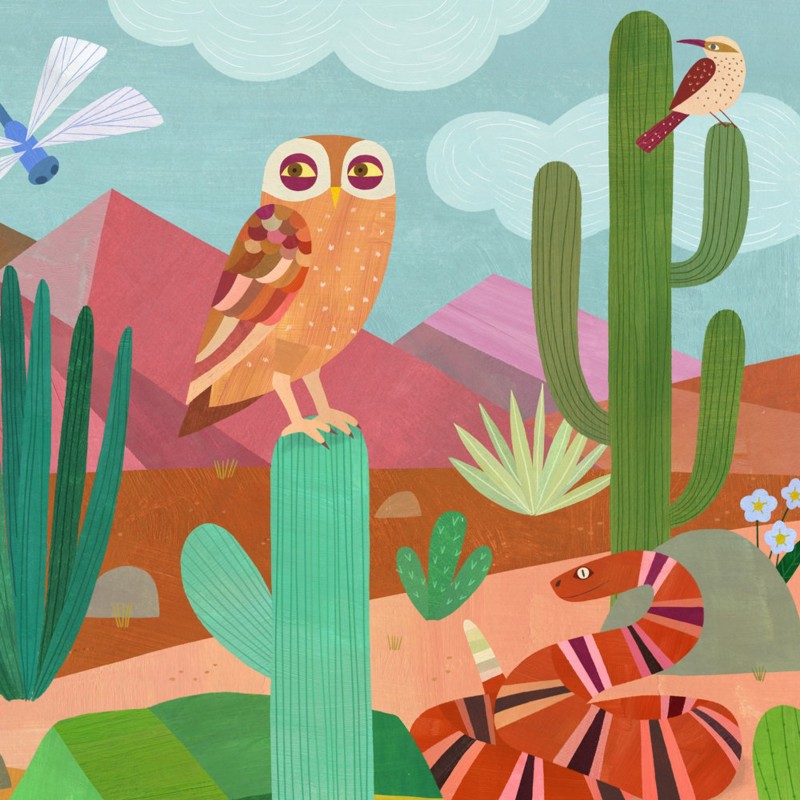
Many creatures live only in desert habitats: rare lizards, snakes, and insects that have adjusted to hot, dry days and chilly nights. Birds such as the greater roadrunner or desert lark thrive in these rough conditions.
Reptiles do especially well in deserts. Species like the Mojave rattlesnake or bearded dragon rely on open, sun-baked ground. Some live below ground to escape the heat, while others change colour to blend into sand or stones.
One of the most familiar desert trees is California’s Joshua Tree, which can take up to 75 years to flower! They are actually a species of yucca that lives in a protected park that supports up to 60 native mammals. Due to climate change, it’s the first tree to be listed as an endangered species, just like for animals.
England’s Own Desert – in Kent!
You would not think it, but England also has a desert. It’s in Dungeness in Kent, on the southeast coast. It’s not officially declared as such, but is one (the Met Office won’t classify it, as it receives more rainfall than a desert does).
This triangular space of land was formed by different sediments and includes Romney Marsh, 7 lighthouses, a light railway, 30 houses (converted from old railway coaches) and concerningly, two nuclear power stations.
From the Old Norse word ‘nes’ for headline, it also houses one of England’s biggest expanses of shingle, with the RSPB trying to keep the area free from over-tourism, to protect resident birds. The area is also home to many rare bees, beetles, spiders and moths, and over 600 plant species.
A unique species found here is the Sussex emerald moth, who emerges at night, and is bright green, hence its name.
Avoid using off-road vehicles in fragile habitats.