Why We Must Protect England’s Woodland Wildlife
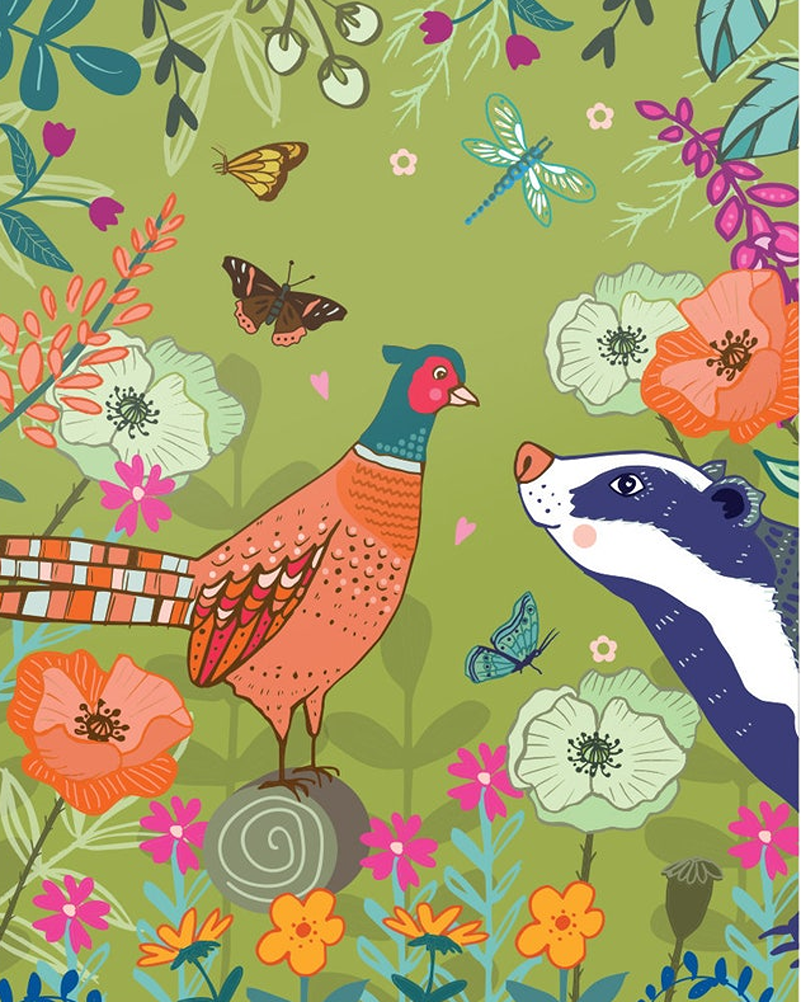
England has lost most of its woodlands, and this is not just sad for us (and trees) but our wonderful woodland wildlife, from birds to insects to native mammals.
If planting green spaces, read about pet-friendly gardens and wildlife-friendly gardens. And trees to avoid near horses (including yew, oak and sycamore).
Create More Woodland Glades
Glades are when trees are spread out with sunlight still reaching the ground, which helps to grow grass, wildflowers and sometimes small bushes. Animals and insects move freely in a mix of shade and light, without dense tree cover. These are loved by birds and butterflies.
Because the soil is thin, big trees are not found here, instead there are rocks and little hills. Glades are important for plants and animals that need sunlight and space.
Protect and Restore Ancient Trees
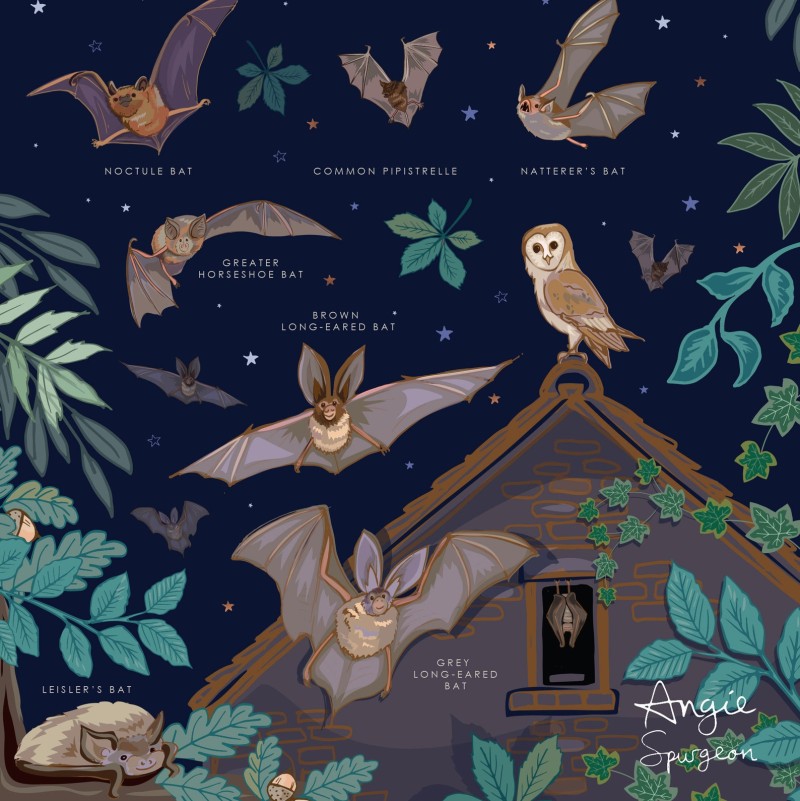
Ancient trees are just as important and many other creatures prefer here, with owls, bats and beetles liking to live among the thick trees. Cutting down old-growth trees removes shelter and food for wildlife, and places for birds to nest. Planting new trees does not replace these benefits.
It’s just as important not to pick at bark, or carve names in ancient trees.
Encourage Natural Regeneration
This like a ‘food forest’, where trees are simply left to grow without planting new seeds, almost like a kind of rewilding to let nature get on with it. Leaving land alone is sometimes the best option.
This enables birds, bugs and animals to live and eat, without disturbance. And creates leaves and branches that are big enough to offer shade and shelter.
Rewilding woodlands is similar, with areas often linked to meadows, ponds and wetlands, which helps bats, dormice, and warblers. Plants thrive in damp shady spots, birds fill the air with song and the wildlife comes back.
However, Reform UK policy is to give back all rewilding land to farms, which will disturb wildlife corridors, so less linking will mean many native species won’t be able to survive.
Leave Deadwood and Fallen Logs
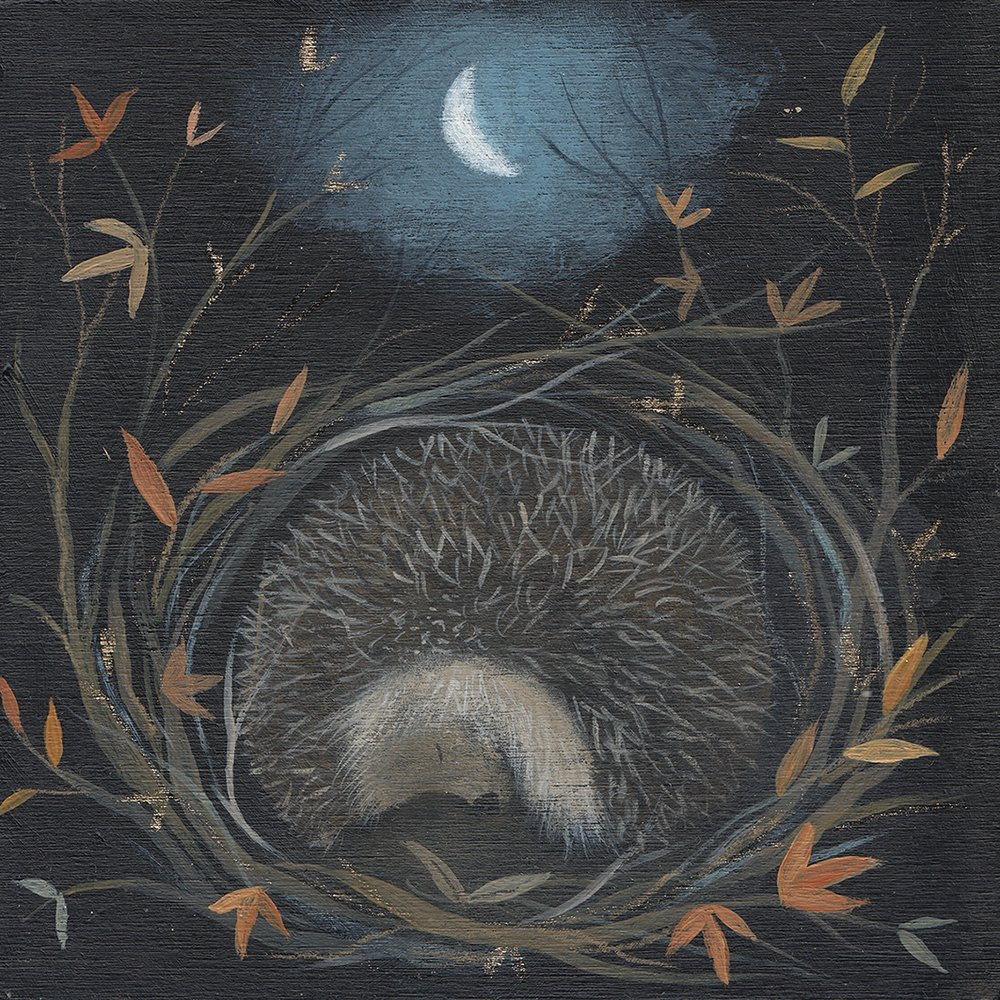
Just like leaving fallen logs in the garden, deadwood and logs in parks and forests are best left, as they provide nature and wildlife hiding places for creatures like hedgehogs.
Beetles and ants hide under bark, birds and frogs rest or nest below hollow logs, and woodpeckers dig holes to find bugs. Plants grow on fallen wood and return nutrients to the soil.
Logs and deadwood also help to keep the ground damp by holding moisture, even in dry weather. They also slow down rain, to stop soil from washing away.
Woodland Corridors and Linking Habitats

Woodland corridors are wide strips of trees and plants that link woods or forests. These help animals move from one place to another. If woods and forests are spread apart, animals can get stuck in small spaces.s
This has happened with hedgehogs (the clue’s in the name!) In nature, nocturnal hedgehogs roam up to 2 miles each night, sheltering in hedges during the day. But due to a lack of wildlife corridors, that’s why you see so many on roads, and they need ‘hedgehog highways’ to move between gardens.
Again, if Reform UK ends rewilding projects, there may be woods and parks, but the wildlife corridors will be reverted to farmland, and many endangered species could go extinct.
Wildlife corridors give creatures safe way to move between spaces (birds, foxes). They find better food and stay safer, and animals also carry seeds through these corridors, which helps ecosystems.
We need affordable homes. But present Labour policy is to relax planning laws, and build on areas close to wildlife. This will break wildlife corridors and then wildlife won’t be able to survive.
Avoid Chemicals and Light Pollution
At night, keep outdoor lights low or off, as many creatures (including bats, moths, and owls) need darkness to thrive. This also helps to stop birds flying into windows.
Chemicals like bug sprays or weed killers can make animals sick. They can even make water and soil dirty, which hurts the places where animals live. Some birds, frogs and bugs are very sensitive. When chemicals get into their home, they can’t always recover.
Read our posts on:
Help Community Woodland Projects
Join or support conservation groups in your area. Volunteers can plant trees and hedges, clear rubbish and create safe walking paths, to avoid disturbing wildlife. Well done, you!