How to Help Save Endangered Curlews

Curlews are Europe’s largest wading birds, and many of these critically endangered birds live in England. Named after their melodic call, their official name is Greek for ‘new moon’ (due to the shape of their long curved beaks, which are ideal to probe soft soil and mud, to find worms and crabs).
Curlews are endangered due to habitat loss, disturbance and intensive farming practices (curlews lay eggs directly on the ground). They mate for life, often returning to the same nesting spots each year.
Keep at least 50 metres away from wading birds (they need more space at high tide), as flying away wastes energy that could be used for feeding. Keep dogs away, as disturbing nests could cause birds to abandon chicks (most areas popular with wading birds have sinking mud, so are not safe areas to walk anyway. Read more on keeping dogs safe at the seaside.
Stick to Paths Near Potential Nests
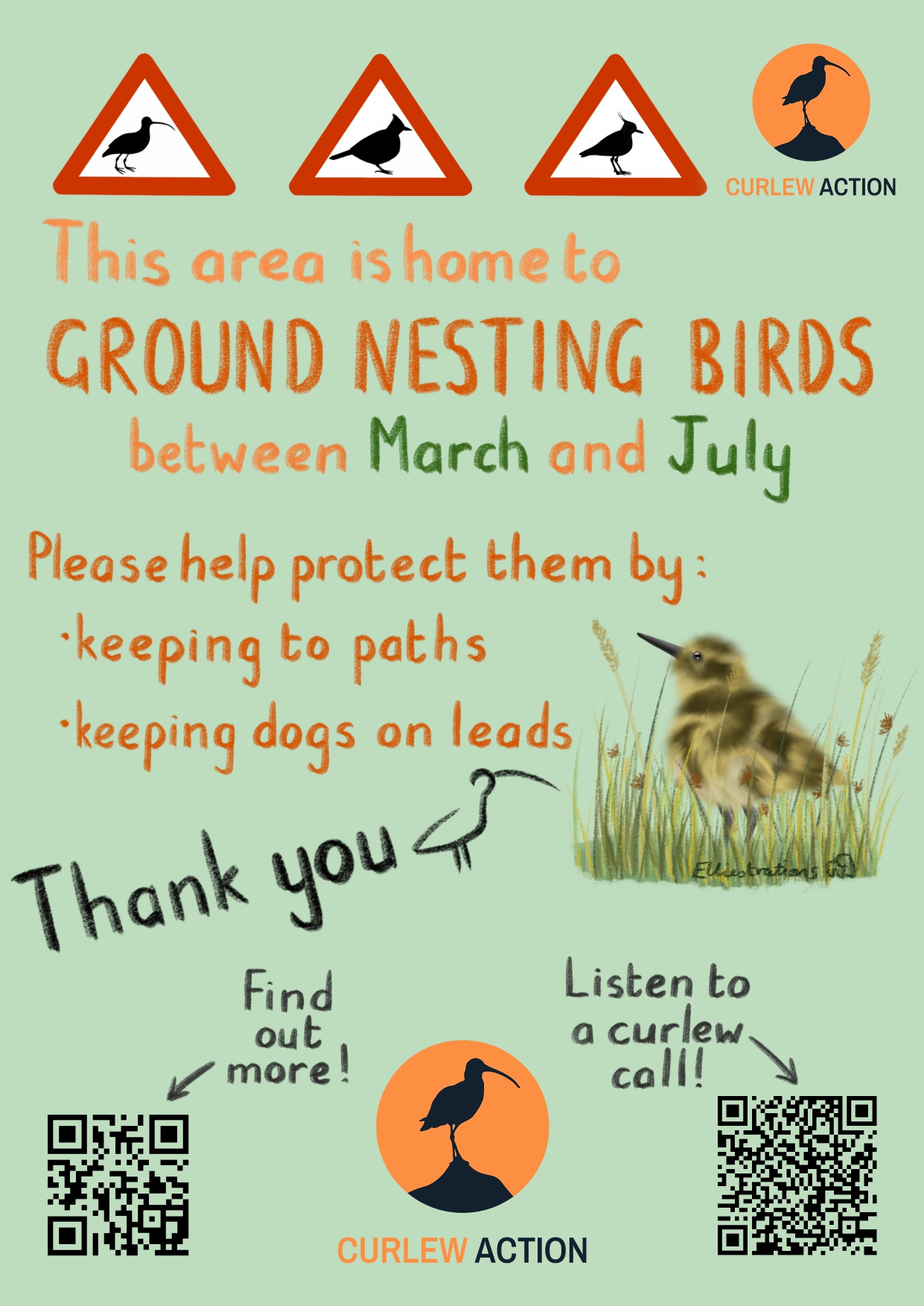
- Keep to official walking paths (especially during breeding season from April to July) and keep dogs on short leads. You can download free signs in English or Welsh.
- Avoid Buying Peat Compost. This protects wetlands, where wading birds live. Make your own compost or choose peat-free brands. Keep fresh compost away from pets (read more on pet-friendly gardens).
- Practice Nature-Friendly Farming. As well as protecting wetlands (avoid planting trees in these areas, as they can help to hide predators), leave areas with nesting birds alone. If you mow, start from the inside out to edges of fields, so creatures have a chance of escape.
- Campaign for Wildlife-Friendly Planning. Write to your MP. We need affordable homes, but not on land that is home to our native and endangered wildlife. Politicians can work with wildlife ecologists, to learn how to build without harming other creatures.
- Report Litter to Fix My Street. Councils (no matter who dropped it) are responsible for clearing it on public land. For private land, they can serve Litter Abatement Orders to have landowners clear it.
- To avoid wildfires, never smoke near farmlands or wetlands (and use a personal ashtray to immediately distinguish cigarettes.
- Anglers can use a Monomaster to store fishing gear, until deposited at a fishing line recycling station.
- You can report wildlife crime (anonymously) to Crimestoppers. In many cases, there are rewards (using a bank code, so no personal details are given).