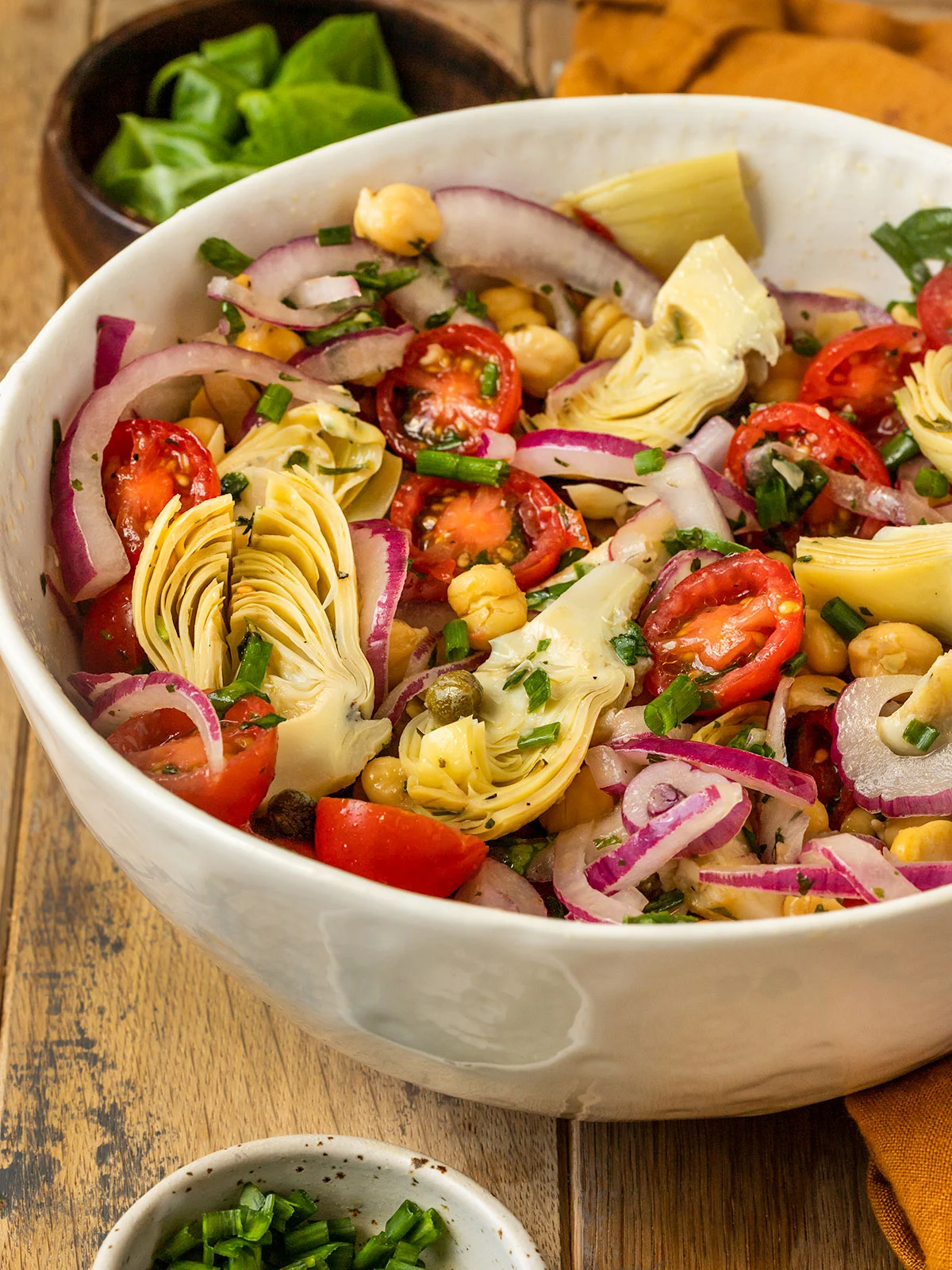
Let’s Meet a Middle Eastern (vegan) Prince!

A controversial law in England is that of religious slaughter, when animals are not stunned, in accordance with laws for the Jewish and Islamic faiths.
The fact is that it’s perfectly possible for both faiths to be vegan, so no ritual slaughter is needed. It may be religious ‘law’ if you eat meat, but you don’t actually have to eat meat. So this can keep everyone happy, without breaking any faith traditions. Here are some helpers:
Compassion in World Farming says that many ‘Halal’ meats are from stunned animals (so not compliant). While some supermarkets sell Halal meat, without labelling it properly. So people buy it, not realising that it comes from animals that were not stunned.
Some of the best-selling vegan cookbook authors in the world are vegan. One Arab Vegan is one of the most popular recipe blogs (its founder a practicing Muslim). And Prince Khaled bin alwaleed (above) is so passionate about the lifestyle, he now has invested heavily in the world’s biggest plant-based news website.
Many Jewish and Muslim food brands are now vegan, proving that it’s perfectly possible to eat in line with your religious beliefs, but also enjoy great-tasting plant foods. Doing this abroad also helps (in Australia, there is huge controversy over sheep and goats sent in blistering heat to boats abroad, where they then are religiously slaughtered).
In fact, Israel is one of the most vegan-friendly countries on earth. And the Middle East Vegan Society now certifies foods using its own V label.
A Recipe for Homemade Butter Bean Hummus

This butter bean hummus (The Veg Space) is full of protein. A great basic recipe that only needs 4 ingredients (lemon juice, tahini, canned butter beans and garlic), you can then have fun varying up the flavours: Add cooked beetroot or vegan pesto to make pink or green hummus, or swap the soil for jarred sun-dried tomatoes.
A Book of Vegan Middle Eastern Recipes
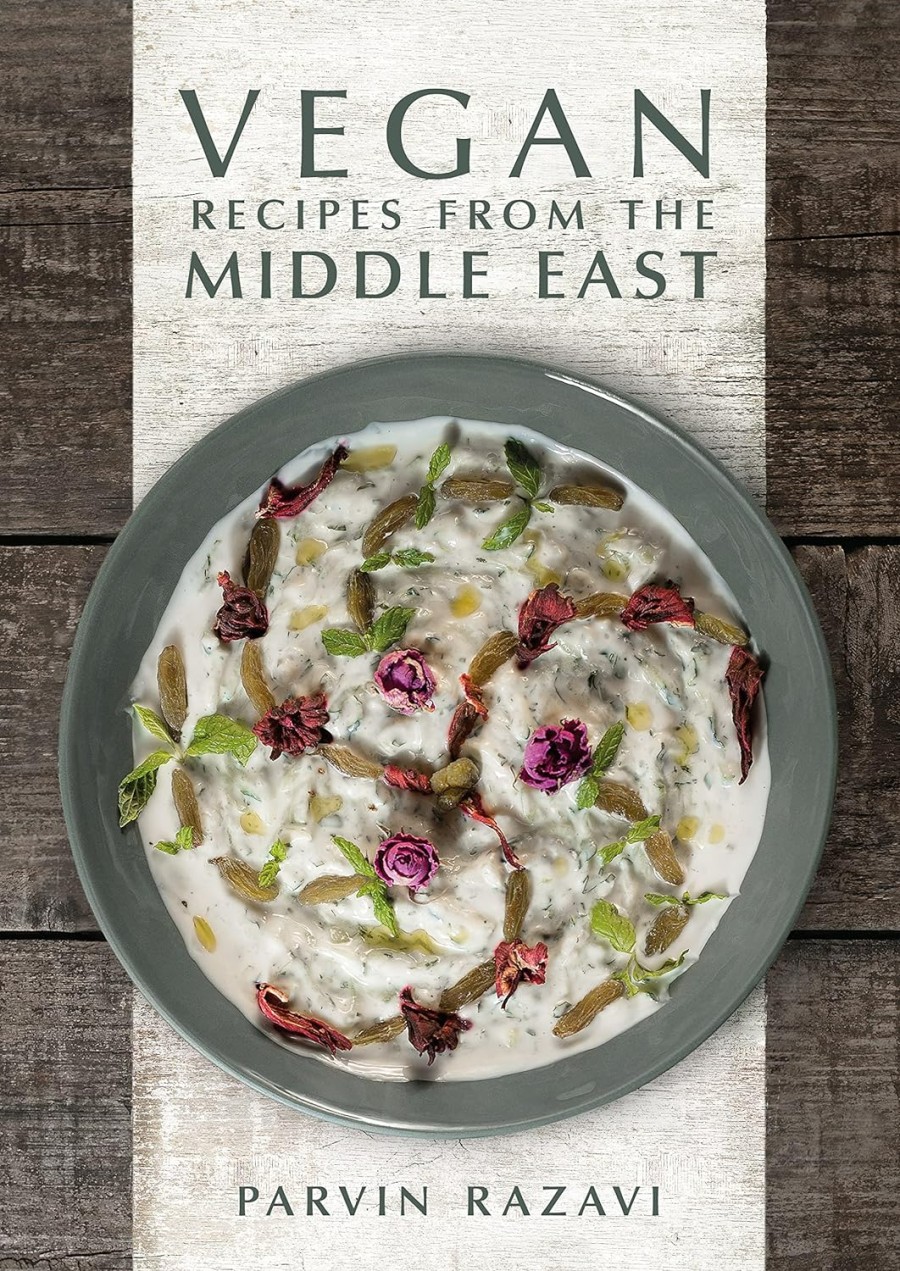
Learning to cook your own food is empowering, as you no longer have to rely on expensive plastic-wrapped ready-meals and takeaways. Master your favourite cuisines at home. Then every night is restaurant night!
The Vegan Middle Eastern Cookbook is a beautiful book of authentic recipes, based around grains and pulses, nuts, vegetables and fruits, from cuisine in Iran, Armenia, Syria, Lebanon, Jordan, Egypt, Morocco and Turkey.
Never eat rice after 24 hours. Before cooking, read up on food safety for people and pets (many ingredients are unsafe near animal friends). Bin allium scraps (onion, garlic, leeks, shallots, chives) as acids may harm compost creatures (same with tomato/citrus/rhubarb scraps).
Find dishes to use as a main course or traditional mezze. This book features warm and spicy stuffed vegetables, cool and fragrant soups, delicate preserves, pilafs, bread, pickles, relishes and pastries.
Parvin Razavi was born in Iran, and spent her early years at the Caspian Sea and in Tehran, until their family emigrated to Europe. She has always been fascinated by her family kitchen, and her culinary talent was valued for years among friends, before she turned her passion into her profession.