Beautiful Books About England’s Urban Wildlife

Wild City (available on audio for blind readers) is a book that takes us on a fascinating journey into why we should learn to appreciate our fellow urban species, from the badgers of central Brighton to tunnel-dwelling Black Country bats. And even insects on the London Underground that are found nowhere else on earth.
Read how to how to help your wildlife rescue). Reducing light pollution (especially in glass buildings) can help stop birds flying into windows.
Only cut and prune vegetation from September to February, outside of breeding periods. This is to help nesting birds that are protected by law (it’s a crime to harm a nest).
The author shares what we might see (if we only take time to look). And how nature is adapting to human-engineered environments in unexpected and clever ways.
This a lyrical book that invites us to celebrate the natural world that surrounds us. And offers a clear glimpse into the challenges that our fellow species face (both animals and plants) as cities turn to urban sprawl.
The author then offers a compelling manifesto for city wildlife, suggesting how we may take action to protect the often over-looked residents that live alongside us.
Florence Wilkinson is a journalist and filmmaker, who has written for Telegraph Magazine. She is also cofounder of Warblr, an app that recognises any bird by its song.
London in the Wild (nature in the city)
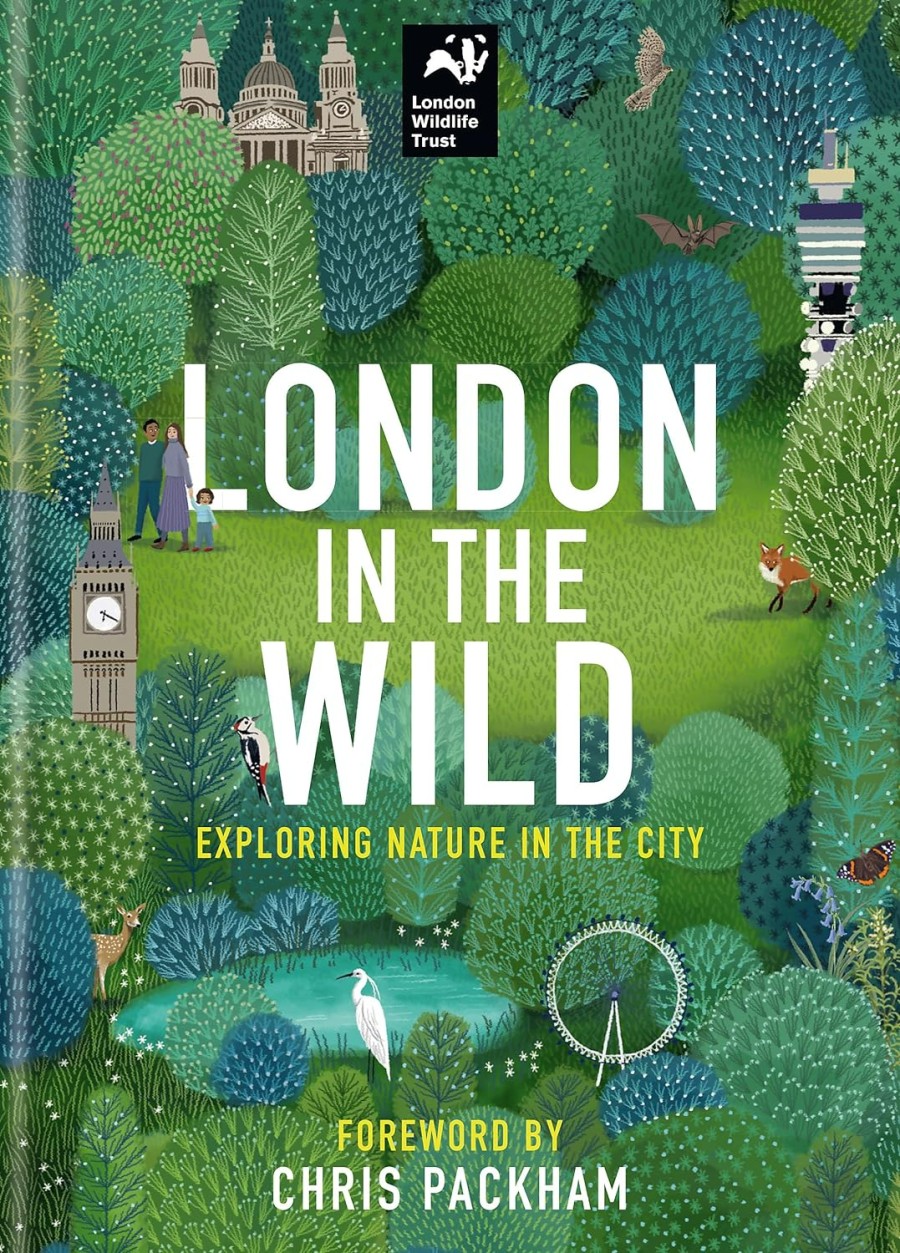
London in the Wild is a guide to a city teeming with over 15,000 species of flora, fungi and fauna (marsh frogs, hedgehogs, short-eared owls, dragonflies, foxes, stag beetles and pigeons!) You’ll even learn about the day-to-day life of a London tube mouse! London also has over 800km of surface railway lines, which provide habitats and food for wildlife.
- Local wildlife rescues or rehabilitators
- London Wildlife Protection (birds) and Moonstone Rescue
- Report wildlife crime to Crimestoppers (anonymous)
London Wildlife Trust has over 1000 volunteers who manage 36 free-to-access nature reserves (you can get married there, with profits helping local creatures). It’s also helping to transform London’s 3 million gardens into mini-nature reserves.
Record your sightings to help them monitor welfare and numbers of:
- Deer
- Dragonflies and damselflies
- Hedgehogs
- Owls and kestrels
- Glow worms
- Stag beetles
- Water voles
Ring-necked parakeets live wild in London, due to escaping from the pet industry. Native to Africa and southern Asia, they nest in tree holes in gardens and parks, and can roost in noisy flocks, eating nuts, seeds, berries and fruits.
A Book of Essays on Urban Nature

This is How a Robin Works is a unique book by an American naturalist, on how nature is not just in a park or in the wild, but often right outside our door.
Nature can be a jumping spider on the screen, the bug in the shower, or the cluster of ladybirds. It’s the moss on brick (where gutters spill), a sprout in a storm drain, and the trash can lid that that birds bathe in.
The book begins with the author’s recollection as a child of being the only one to notice a dragonfly that had landed on a hat in a goodwill store.
She secretly takes it out to release it, wondering what would have happened, if nobody else had noticed it. And would they have rescued it too?
This ‘late-blooming naturalist with chronic illness’ now spends much of her time exploring the natural world, and encourages us to also have a zealous love for the flora and fauna that surrounds you. This urban almanac is weaved into 52 short lyrical essays, with earthy humour.
Each essay offers a sketch of everyday wonders, focusing on habitat loss. Despite the sadness of a dead sparrow (perhaps due to preventable bird strike) or a dawn chorus that may not make your migraine better (but for sure won’t make it worse), this book celebrates nature by season, just as it is. On the pavement, in the backyard, in the park or in the parking lot.
Joanna is a suburban Thoreau. In essays that can be read as daily meditation, she takes us to pocket parks, dead mall parking lots and concrete canyons in pursuit of little ecological marvels. Georgann Eubanks
She is a gift to the trees, the bees, the bats, the birds and me – as well as anyone else who is looking for microhabitats of hope on a fractured planet. She is my new favourite nature writer. Nancy Lawson
Brichetto’s keen eye wonders about the purpose of dandelions – is a dandelion to blow, or is it (as Thoreau mused) ‘the sun itself in the grass?’ Almost anything alive or dead merits her curiosity, voiced in cocktail party-worthy chatter. Barbara Jacobs
Joanna Brichetto is a certified naturalist, whose essays appear widely in the media. She lives in Nashville, Tennessee (USA).
Extraordinary Encounters with Cornwall’s Wildlife
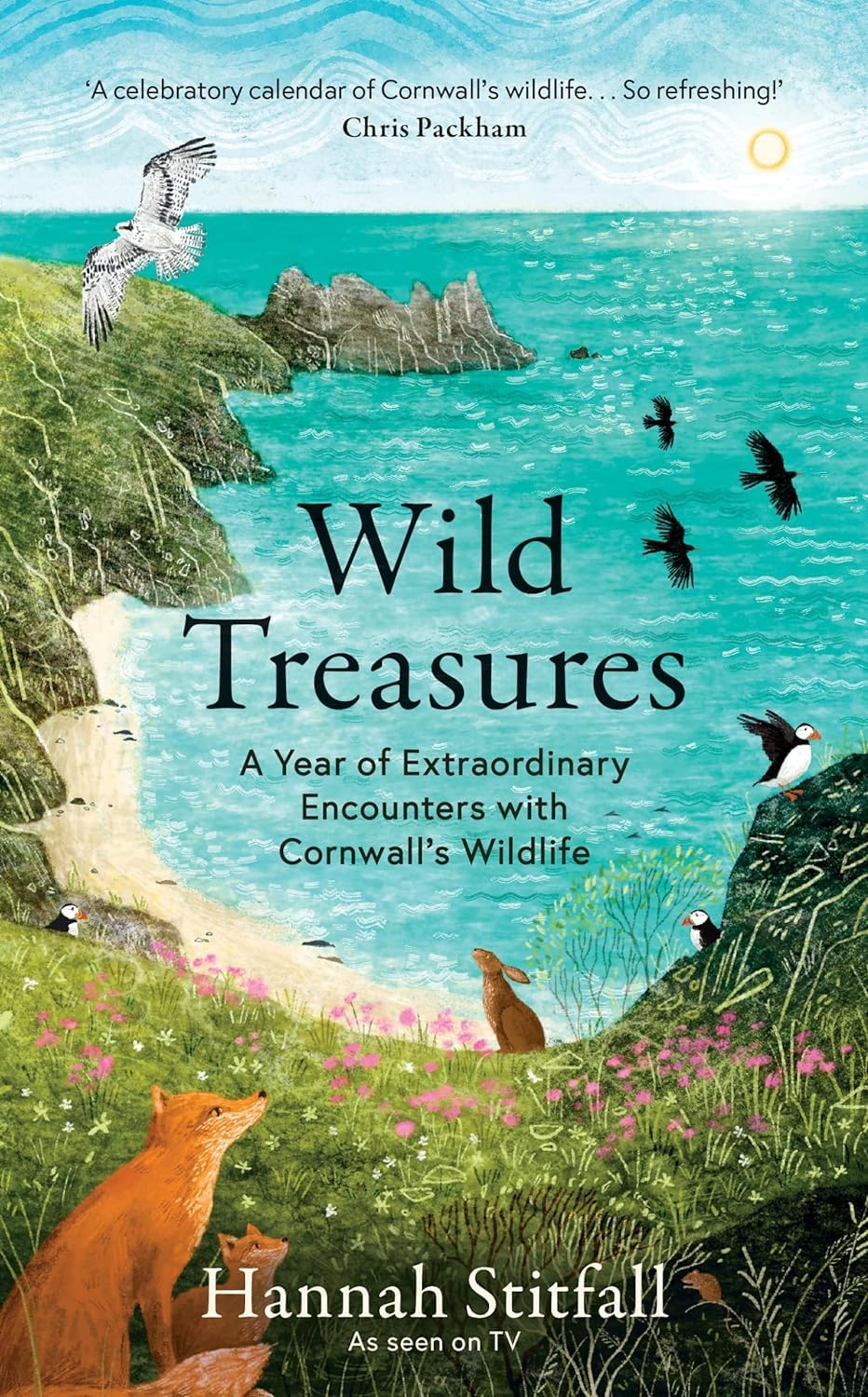
Wild Treasures is a beautiful and charming introduction to creatures and plants that can be enjoyed for anyone living or visiting Cornwall.
Hannah regularly gets up in the early hours, to catch sight Cornwall’s hidden wildlife. She will spend hours on end, waiting for a creature to appear among a hedgerow, scurrying across Cornwall’s open fields, or taking flight across its towering cliffs and sandy beaches.
In these brief moments, she is able to see and capture animal behaviour, that the general public rarely get to witness. In this book, Hannah shares her incredible stories, beautiful photographs and often funny meetings with Cornwall’s wildlife, through the course of a year.
From brown hare in the spring grass, watching an otter cub hunt in winter wetlands to witnessing the unique bioluminscence of a glow-worm in summer, this is a remarkable diary, informative guide and joyous celebration, or England’s wonderful creatures.
Hannah Stitfall is a TV presenter and wildlife expert, who leads her own seasonal wildlife-watching safaris in Cornwall. She’s a regular digital presenter on BBC Springwatch and Winterwatch.
I love the changing seasons. An old oak sheds its acorns on the forest floor, while wildflowers begin to bloom in early spring. We follow the clock of the natural world. The wildlife know this too.
The chiffchaff and the cuckoo are the first to announce the spring season as they welcome it in with their song. And the grey seal pupping season (coupled with the arrival of redwings) signify the return of the autumn and winter months.