Let’s Pop Over the Border to Scotland
Scotland is a vast country if you include the highlands, and due to its colder weather, has a lot of more common wildlife than we do (eagles, dolphins, whales, orcas etc). Let’s learn about the wildlife and wonderful parts of this beautiful country!
Which English Places are Nearest to Scotland?
Would you like to know? Of course you would! The three nearest (main) towns and cities near the Scottish border are Berwick-upon-Tweed (Northumberland), Newcastle-upon-Tyne and Carlisle (in Cumbria).
Let’s visit all three!
Berwick-upon-Tweed (2.5 miles from Scotland) is England’s most northerly town, on the mouth of the River Tweed, and has been ruled by England and Scotland many times over the years, changing hands (it even has its own tweed). Still featuring Elizabeth town walls and the ruins of a castle, it has three bridges and a beautiful coast.
If at the coast, read our post on keeping dogs safe by the seaside.
The nearest place in Scotland to Berwick-upon-Tweed is Eyemouth, around 8 miles away. It is mostly sadly known for a massive storm in 1881, that claimed the lives of 129 fishermen.
The nearby coastal villages are now best-known, for being locations for the Scottish crime series Taggart, when it was still filmed.
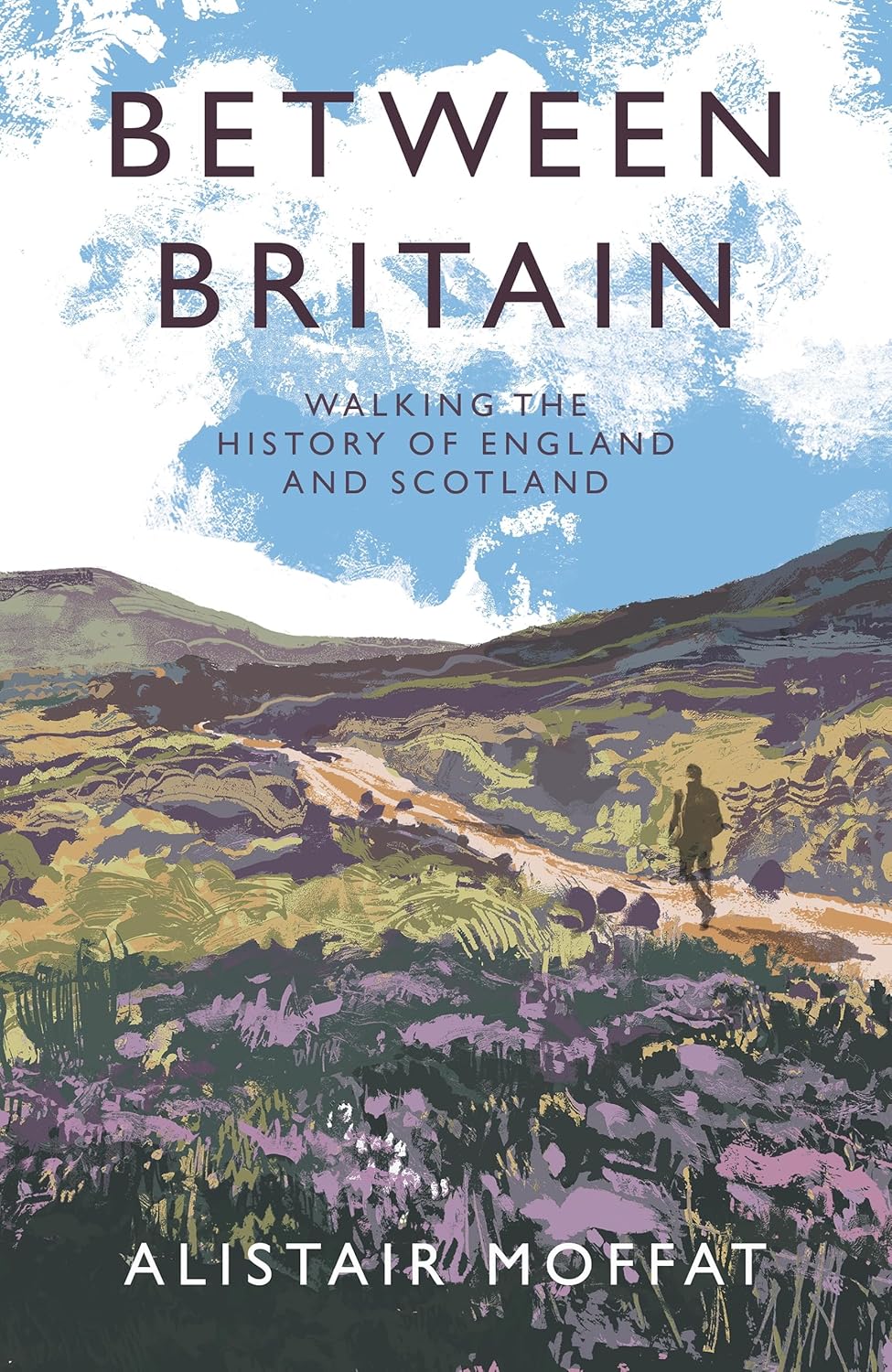
Berwick-upon-Tweed was recently named one of England’s happiest places to live. Read Between Britain: Walking the History between England and Scotland, by Scottish writer Alastair Moffatt.
Carlisle (10 miles or so from Scotland) is Cumbria’s only city, an ancient place with a stunning cathedral, and a real heart of Romans, Viking and medieval kings.
Not far from here is Hadrian’s Wall, an ancient landmark built under Roman rules almost 2000 years ago. It stretches right across to Northumberland (one happy resident that stood alongside it was the Sycamore Gap tree, recently in the news when destroyed by vandals – it is now growing new shoots).
The nearest Scottish place to Carlisle is Gretna (Lockerbie is around 25 miles away, scene of the fatal plane crash). When Scottish laws were more lax, many people eloped to Gretna Green to marry, when they did not have parental consent.
Newcastle (46 miles from Scotland) and its neighbouring town of Gateshead) are near Scotland, as are the towns of North and South Shields (on opposite ends of the River Tyne) and the seaside city of Sunderland.
This area (known for its attractive ‘Geordie’ accent), is cold! It sits on the same latitude as Scandinavia (with a warming Gulf Stream). So bring a thick organic cotton jumper, you’ll be in for chilly nights!
Talonmore (a no-alcohol ‘hot toddy’ from Scotland)

Talonmore (use code englandnaturally for 5% discount) is a delicious ginger cinnamon warming drink inspired by historic Edinburgh. It’s alcohol-free, so ideal to cut back on the booze.
Due to caffeine and high levels of ginger, this drink is not for pregnancy/nursing. Also avoid tonic water (and for certain medical conditions) as a mixer, due to quinine (use soda water instead).
Corks are choking hazards and too dense to compost. So recycle them at off licenses, or send off in bulk to Recorked.
This family business blends Assam tea with ginger, prickly pear and hawthorn berry, for a fiery taste that replicates the ‘pleasant burn’ of alcohol, but without the alcohol. Designed to replicate whisky or rum, all packaging is easy to recycle.
Brewed with Scottish water, it contains notes of cactus juice, with fig and watermelon flavours. Once open, keep chilled (for up to 4 months). Serve neat or on the rocks, or warm on winter nights. 28 servings per bottle.
Almost half of people in England now opt for alcohol-free alternatives. Talonmore was voted the best no-alcohol spirit in blind taste tests by Good Housekeeping and Men’s Health.
For a Hot Toddy, combine 50ml of Talonmore with 150ml of hot water, 25ml each of lemon juice and agave syrup. Then serve with a lemon wheel and cinnamon stick.
Another No-Alcohol Scottish Hot Toddy Drink

Feragaia is an artisan no-alcohol spirit from Scotland, made with 14 sea and land botanicals including blackcurrant leaf, lemon verbena, sugar kelp and pink peppercorn. Serve neat over ice with a slice of orange peel, or with your favourite mixer. The bottle is made from partly recycled glass, and the cap from biodegradable plastic.
You can use this drink to make homemade no-alcohol Margaritas. Just mix with pineapple, lime, agave syrup and optional jalapeno, shake and double strain, and serve with fresh lime or jalapenos.
Let’s Visit the Majestic Highlands and Islands
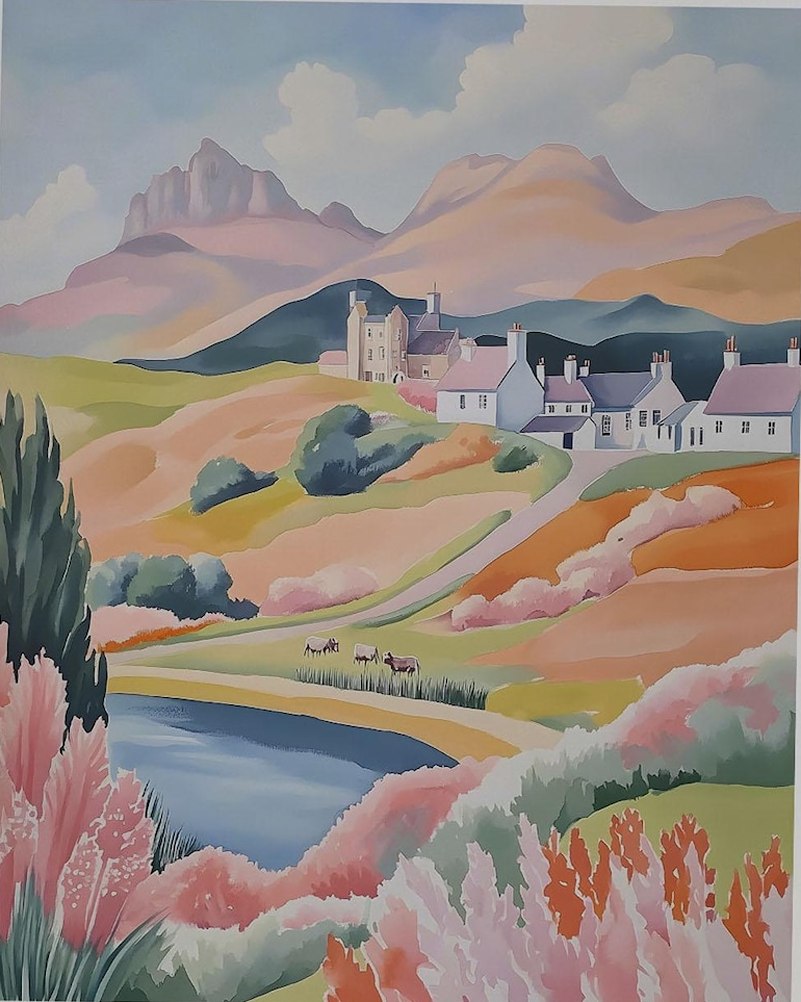
Isle of Skye, Pastel Pine
Scotland is not so far away (just over the border if you live in Cumbria or Northumberland). However this is a large country, and the Highlands are as far away from Glasgow or Edinburgh, as Brighton is from Yorkshire!
Known for its high mountains, pine forests and beautiful coastlines, this is a county of contrasts. From the crisp Highland air to the beautiful city of Edinburgh. But wherever you go – it’s cold!
The Majestic Highlands
The Scottish Highlands cover a vast area of Scotland, with some places (like the Shetlands) being nearer geographically to Norway, than London.
Don’t think it’s all cold and icy! Although areas like The Cairngorms National Park are frequently covered in snow, towns like Nairn (which sits on the east coast) resembles a Caribbean paradise, with its white sand, and midge-free summer sunshine.
The west of Scotland features many beautiful islands (there are midges in summer). The Highlands also houses Britain’s highest mountain (Ben Nevis).
This is also the area of Lochs (lakes) that are far deeper than say Lake Windermere (which is surprisingly shallow in comparison).
The main Scottish Highland Islands are:
- Isle of Skye is the largest, home to puffins, clans and castles.
- Isle of Lewis is another stunning beautiful island.
- Shetland Isles has Viking heritage, on the north east coast.
- Orkney Islands are stunning, with ancient standing stones.
- Isle of Seil has a ‘tiny bridge’ over the Atlantic.
- Isle of Harris is part of the Western Isles (or Outer Hebrides) that stretch for over 100 miles in northwest Scotland. The others are Uist and Barra (rugged hills with dune-backed beaches).
Watch BBC Alba, the Scottish highlands TV channel. It’s all in Gaelic, but strangely relaxing to listen to, even if you don’t understand it. And often features programs on local wildlife.
Windswept is the story of a woman who traded a busy academic life for a small croft on Scotland’s west coast. Walk with her, as she watches otters play tag, and is awoken by the bellowing of stags.
Does the Loch Ness Monster Really Exist?
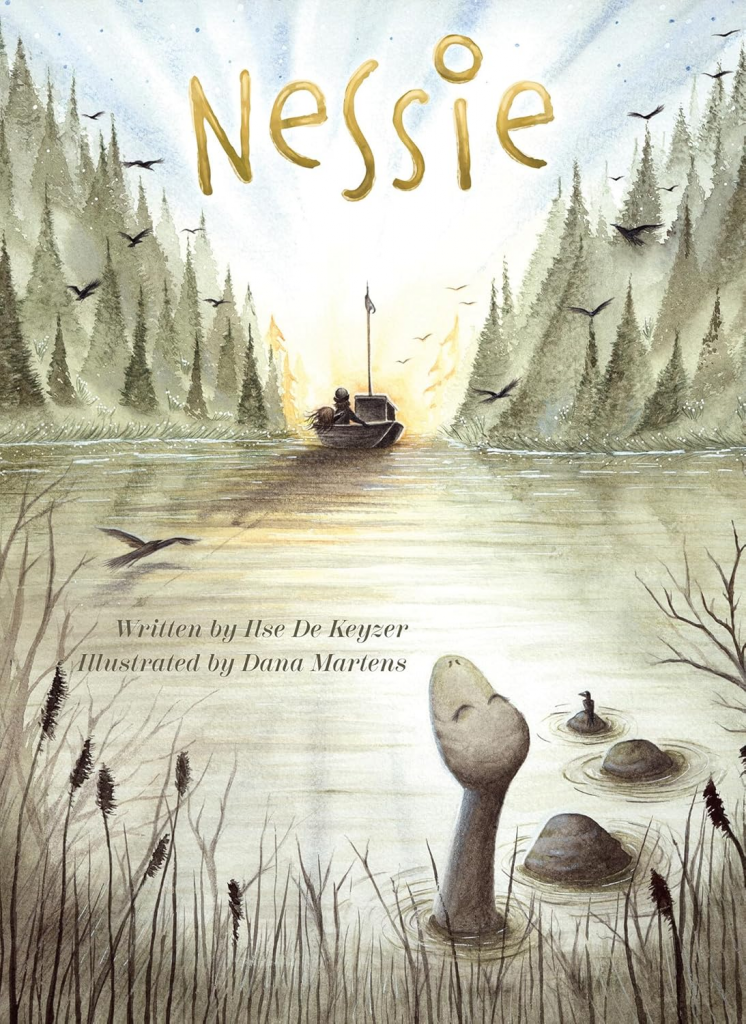
Scotland has many legends, and likely the best-known worldwide is that of the Loch Ness Monster, or ‘Nessie’ as he or she is affectionately known. There are sightings each year, with those who believe, saying it could be a giant eel (hence a lot of fish go missing).
Others say it may be an old elephant (allowed to bathe in these waters, back in the days of travelling circuses).
Zoologist Jeremy Clark believes that it is a Greenland shark, which can reach up to 20 feet and has a dorsal fin that protrudes from the water. And could survive in fresh water, with a lot of salmon.
Those who don’t believe it is a living creature suggest a protruding strange-shaped tree trunk, wave patterns from passing ships, reflections of light on water, or even seismic gas.
What is known, as that ‘Nessie’ is very good for Scottish tourism!
Unique (often endangered) Scottish Wildlife
Like Ireland, Scotland has a lot of wildlife similar to England, but also a few unique species, and sometimes far more of creatures that are rarely found south of the border.
Most of Scotland’s ground-living birds are also found in England (the new name to replace ‘game birds’ that suggests it’s ‘sport’ to shoot these beautiful creatures for fun).
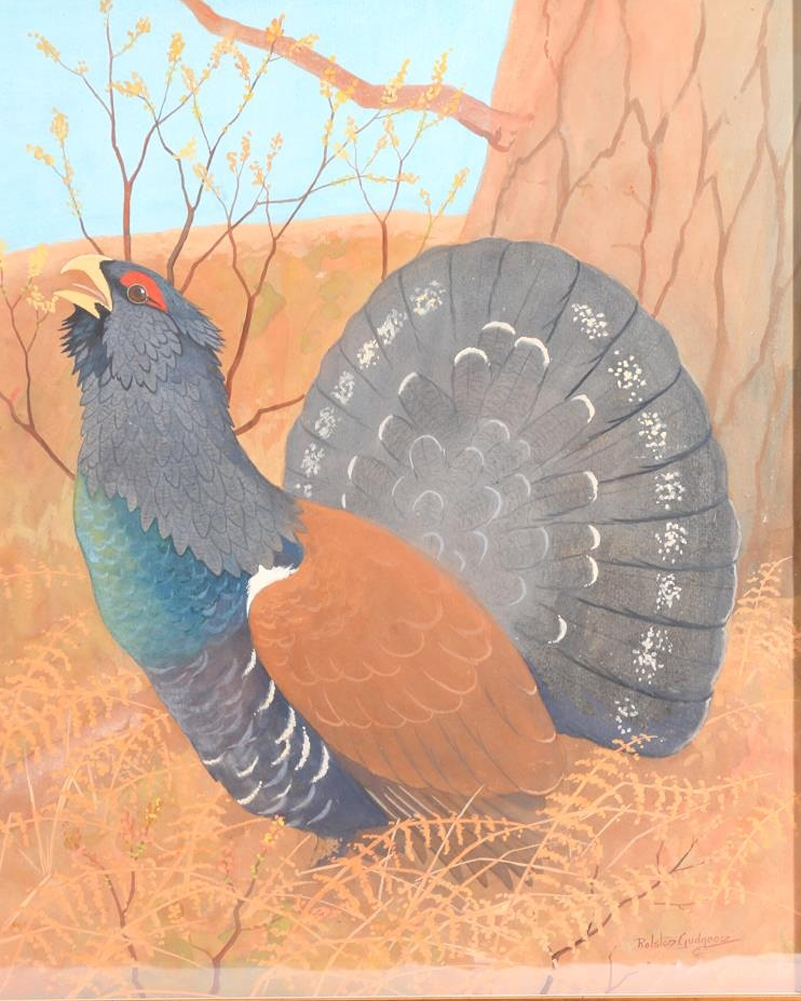
But critically endangered capercaillies are only found in Scotland. There are real efforts to protect them (hunting has now been banned mostly), as they almost became extinct in 1785.
Their cousins (black grouse birds) have males known for their elaborate dance, fanning out their tails to attract a mate (similar to peacocks). Another local bird is the Scottish crossbill.
Hen harriers are native to these lands. Again there is controversy over hunting estates, due to some being killed (illegally) as they hunt young grouse. These birds almost became extinct in the 19th century due to expansion of game hunting estates, and are now protected by law.
Scotland is also home to many other birds of prey, including golden and white-tailed eagles, red kites and ospreys (in England, only really found in Rutland and Cumbria)
Cold Waters (means more marine friends!)

The colder waters in Scotland means you have more chance of spotting dolphins, whales and harmless basking sharks. And sometimes even wild orcas (killer whales).
Fun fact: Orcas are one of the few species, where males remain with their mum for life. Aah!
Common Wildlife Friends in Scotland
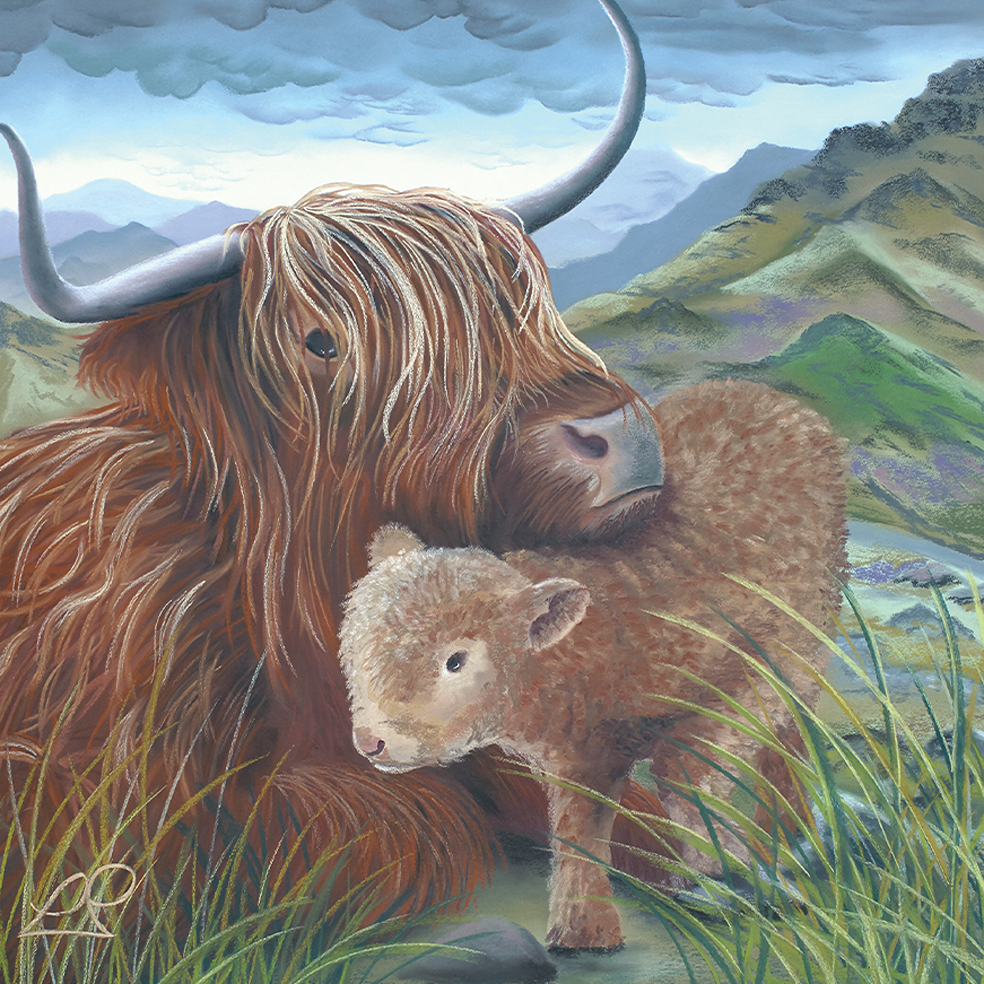
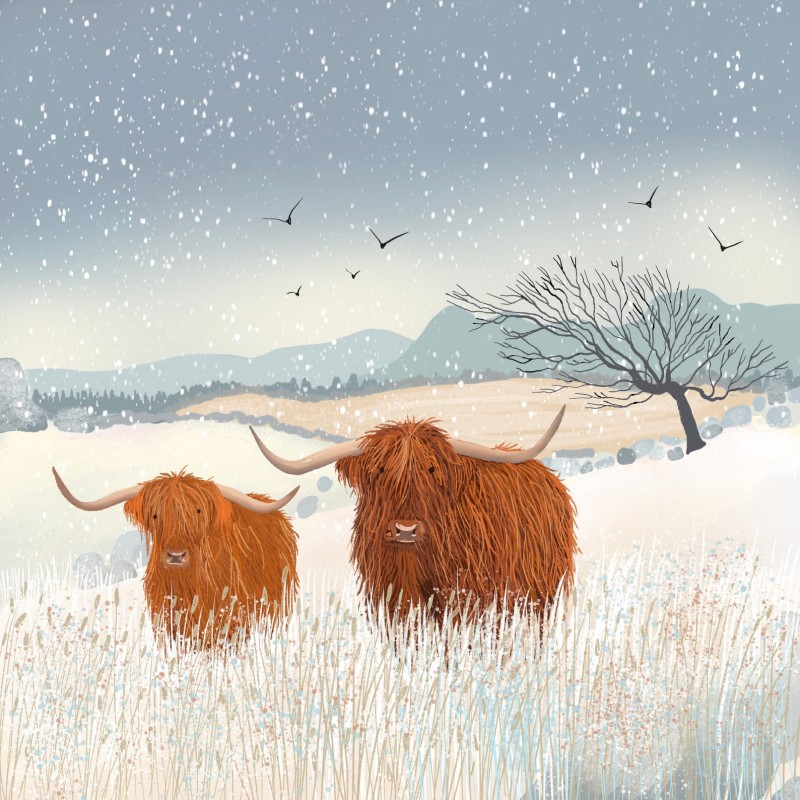
Gorgeous Highland cows have long shaggy fringes, covering curved horns (used to forage for food in winter). Originally black, they were bred to be brown or ginger. Their long hair and eyelashes helps protect from rain and snow.
These cows are the right size and weight for conservation grazing, as they leave the vegetation not too short (their poo is good fertiliser!) The seeds that stick to their fur, get pollinated in other places too.
They are very small, but Shetland ponies (just like their cousins in Iceland) are very hardy, and easily survive outside-year-round. Believed to have arrived on the Shetland Isles by crossing ice fields, these beauties even have waterproof manes – like natural umbrellas to keep rain off!
Scottish Wildcats are critically endangered felines that resemble big tabby cats, mostly living in remote locations. They can see 7 times better than us, and have amazing hearing to hear prey.
Also found in northern England, mountain hares camouflage their fur in winter, which turns from brown-grey to snowy white. Living amid the heather of the Scottish uplands, they are very shy and run off at top speed, if seen.
Despite its fairly low population (compared to England), Scotland (like Northumberland) has far more pine forests, which is why both areas are home to more red squirrels.
Grey squirrels do carry the Squirrelpox virus, but a cull is not the answer, rewilding pine martens (natural predators – common in Scotland) and more pine forests are.
Read our post on saving both red and grey squirrels.
A Book about Scotland’s Wild Beauty
Community is a book by a local author who starting from her own garden, travels to 10 locations in western Scotland, from the towering cliffs of St Kilda and the peatlands of Lewis, to the Solway estuary and the urban sprawl of Glasgow.
All to explore the interaction of people and wildlife in a variety of settings. She discovers community who are regenerating their own landscapes. Like Eigg (community ownership) to Knapldale (wetlands) and Loch Arkaig (woodland) and St Kilda archipelago (sea).
Does the Wild Haggis Really Exist?
Haggis is a disgusting-sounding dish made from a sheep’s innards and oats (there is a vegan version on sale in shops, but it contains palm oil).
The legendary wild haggis is a creature with unequal legs, to help it get around hilly Scottish terrain. It has one leg that goes in a clockwise direction, the other anti-clockwise. This makes breeding difficult. As when facing the same direction as an intended mate, the male falls over!