Natural Sun Protection (for people and pets)

Years ago, many people just slathered on oil and baked in the sun. But today we know better. Never use tanning salons (they can cause skin cancer and even blindness, even if you use goggles). And stay out of strong sun (between 10am and 2pm). Also read about sustainable sunglasses.
The simplest way to avoid sunburn is to stay out of strong sun, and stay in the shade (use a parasol and a floppy large cotton or hemp hat). Other options are portable gazebos and awnings.
How to Choose More Natural Sunscreens
There are two types of UV rays: UVA ages the skin and UVB causes sunburn (both can weaken the immune system). But most sunscreens are packed with chemicals (and many contain ingredients that pollute the oceans, when they wash off skin and go down sinks).
‘Mineral sunscreens’ have moved on from big white strips on cricketers’ noses. But still do a patch test and don’t use on broken skin.
Natural sunscreens usually contain zinc oxide (toxic to pets). So never use on pets, and wash off your own skin, before letting them kiss you – same for mineral cosmetics.
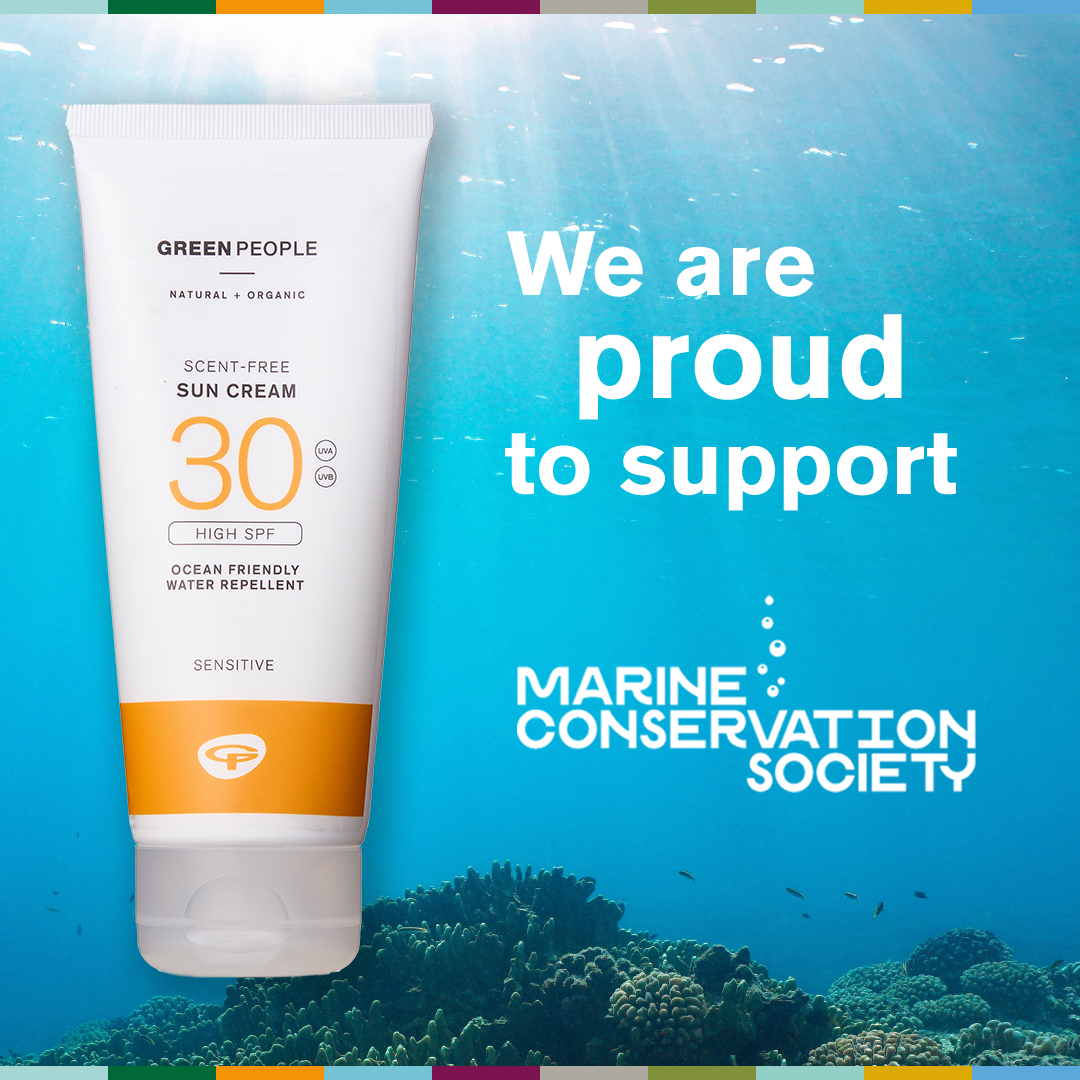
Good brands of natural sunscreens are:
Green People Age Defy SPF30 Moisturiser combines a skin cream and sun protection, made with organic ingredients in easy-to-recycle sugar cane packaging. It also sells natural sunscreens for men and babies.
Suntribe is another good brand for adults and children. The site has extensive information on site on how to keep safe in the sun.
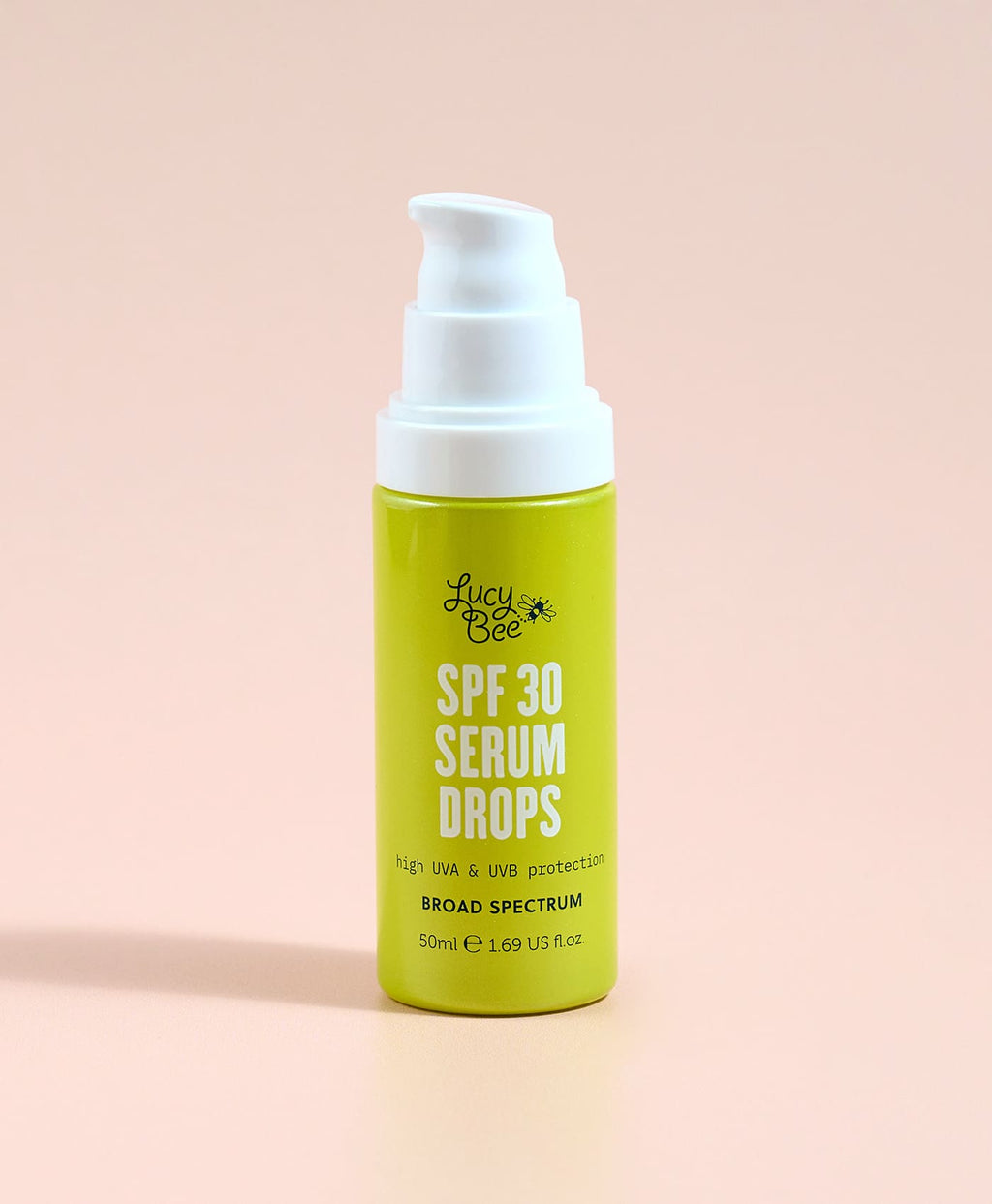
Lucy Bee’s SPF Broad-Spectrum Sunscreen is one of the better ‘chemical sunscreens’ on the market, wait up to 20 minutes after application before going outside.
Natural Self-Tanning Products
If you want a tan, avoid tanning salons and instead choose Age Defy Liquid Gold Tanning Drops(just one or two drops can offer a subtle tan within hours). Made with 9 ingredients (including seaweed and green tea), this is for people over 30.
The Real Risks of Sun Exposure
Sunlight brings joy. However, UVA and UVB rays damage deeply. UVB causes instant burns. UVA sneaks in, wrinkles skin, and raises cancer odds.
In the UK, doctors spot over 16,000 melanoma cases each year. Numbers climb. Fair-skinned folks suffer most. Children build lifetime risk from early burns.
Pets face trouble too. Dogs with thin fur blister on noses and bellies. Cats hide but still scorch. Horses develop eye issues from glare. Vets see rising bills for sunburn treatments. White-nosed animals burn quickest.
Chemical sunscreens add risks. They spark allergies or poison pets. Zinc versions clog fur. Early protection beats regret. Shade works best. Habits follow close.
Vulnerable groups need care. Think pale kids or short-haired hounds. One bad outing leads to pain. Sun damages DNA over time. Pets show heat exhaustion first: drooling, weakness.
Act now. Prevention saves vets and doctors. Simple steps shield all.
Proven Natural Shields for Human Skin
Clothes and shade lead natural sun protection. Foods and oils boost them. Studies show real SPF from nature. Always pair with cover. No single fix blocks all rays.
Topicals need reapplication. Patch test first. Dilute oils right. These add layers to habits. They fit busy lives. Families stay safe outdoors.
How to Keep Pets Safe in the Sun

All pets (especially large breeds and older pets) are at risk of heatstroke (and that includes cats, even though many like warm weather). Blue Cross has tips to keep pets safe in warm weather.
- Ensure pets have access to fresh clean water (take travel bowls on walks).
- Only walk dogs early morning and late evening in warm/hot weather (not at all, during heatwaves). If pavements are too hot for your hands/feet, they are too hot for paws.
- Swimming can mask heatstroke symptoms (75% of cases are with running/playing dogs). A shallow paddling pool (with no toys) may be a good idea.
- Groom regularly to avoid matted fur (stops regulating temperature).
- Some dogs with thin coats or pink noses, may benefit from pet-safe sunscreen (ask your vet about suitable brands). Use parasols to protect from sunburn.
- Always check before travel of dog-friendly places (to save wasted trips, as dogs should never be left in cars). Read more on keeping dogs safe by the seaside.
How to Prevent and Treat Pet Heatstroke
Signs of heatstroke in pets are:
- Heavy panting
- Weakness
- Red gums
- Vomiting
If dogs are panting with red gums, or vomiting/collapsing, move to shady area and pour cool (not icy) water over the body (not head) until breathing normal. Give small sips of cool water.
- Use a fan (or place ice wrapped in a towel) on groin/armpits.
- Don’t place wet towels on the body, this can raise temperature.
- Put air-conditioning on in the car, when driving to vet.
Never Leave Dogs in (even warm) Cars
- Never leave dogs in (even warm) cars, as the temperature heats up quickly inside (air-conditioning can fail), and can kill in minutes (same for glass conservatories).
- If you find a dog in a hot car, smash the window and move to a shady area, then use cool (not cold) water as above, and immediately call the vet, RSPCA and police (take registration number).
- You may be charged with criminal damage, but most people who leave dogs have ‘forgotten’ and will not prosecute. They will feel terrible.
- Visit My Dog is Cool to download free posters for your community. Likewise, don’t leave dogs (or other pets) in cold cars either.
It’s important that babies don’t overheat (remove hats, socks and cardigans in warmer temperatures and don’t let babies sleep in car seats). Aneby has excellent posts on dressing babies in layers and dressing babies for sleep. Also find safe sleeping advice at The Lullaby Trust.
Keep Dogs Away from Adders
Dog-Friendly Cornwall has tips on when to avoid walking near basking adders (‘safe hours’ were before 9am and after 7pm). But rising temperatures means times may change. Adder bites need emergency vet care (read more on how to avoid & treat adder bites).