Simple Swaps to be a (slightly) Greener Driver
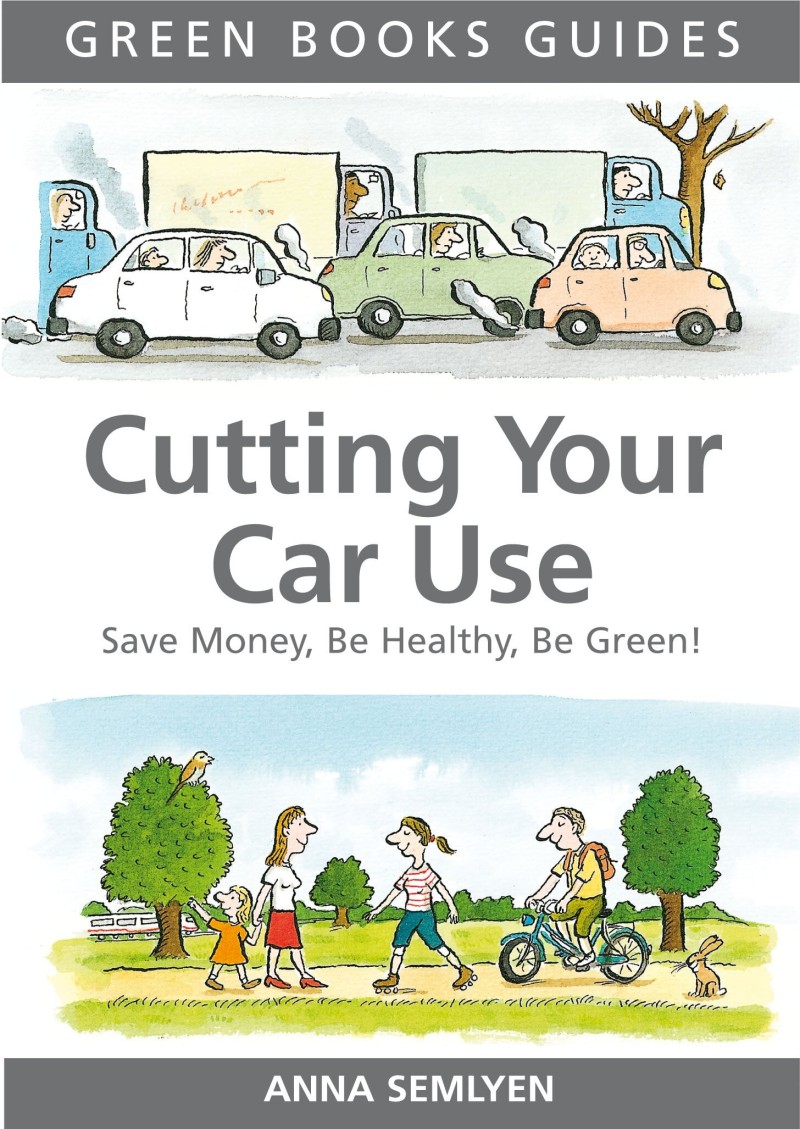
Not every trip needs a car. You can walk, cycle or combine journeys, to lower running costs, and get some fresh air and exercise too.
Read the lovely little guidebook Cutting Your Car Use. Printed on 100% recycled paper, it includes 100 simple tips. The author (England’s first traffic reduction consultant) walks and cycles most places, and sometimes hires a car or taxi, showing you can mix and match, to suit your lifestyle.
Antifreeze is lethal to pets/wildlife, so let mechanics change it in enclosed spaces. Or use funnels (as with oil) and use sand/kitty litter to absorb spills (don’t mop).
Never Leave Dogs in Warm or Hot Cars
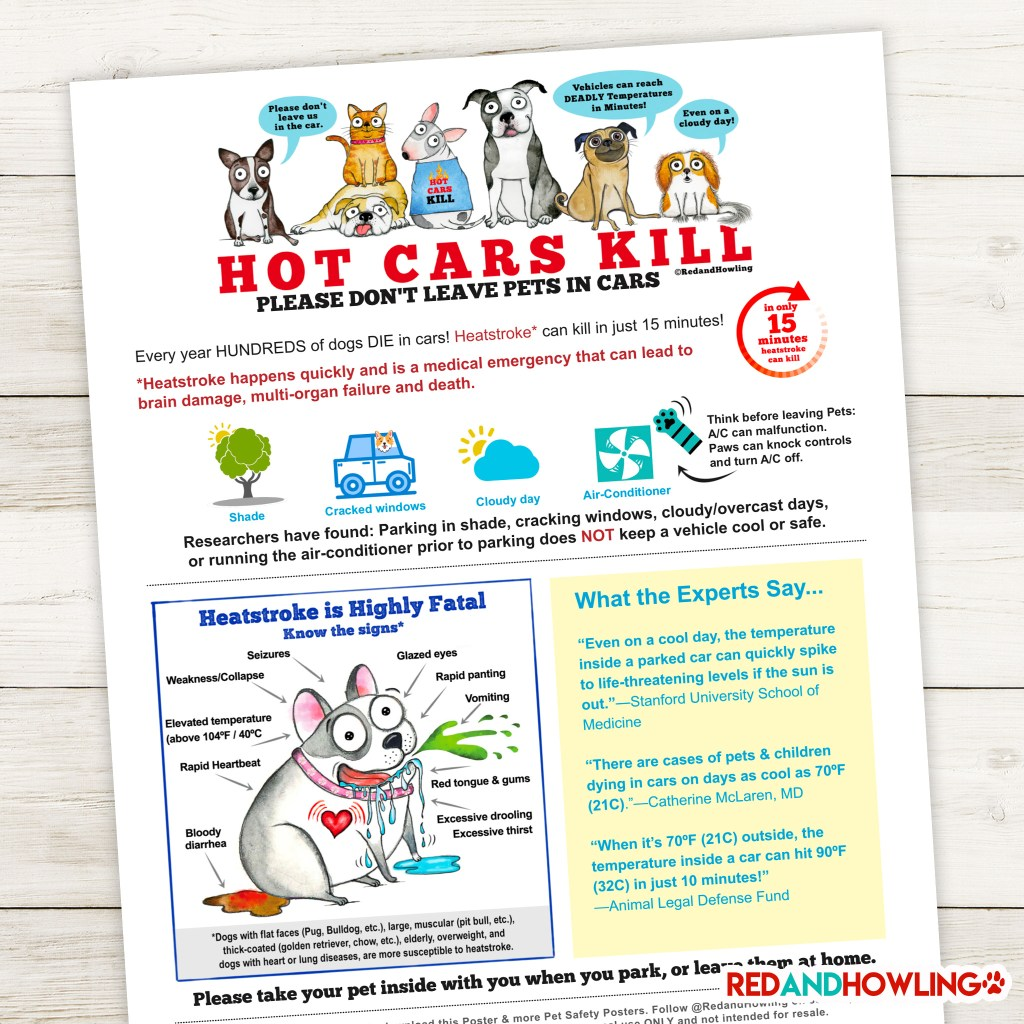
Even a few minutes is risky, for dogs left inside parked vehicles. Temperatures rise fast (even with the window open) turning cars into ovens, even on mild days or in the shade.
Keep pets with you when out driving, or leave them at home in warm/hot weather. Councils can help by creating more dog-friendly beaches (to avoid irresponsible guardians leaving them in cars, when they discover beach bans).
If you see a dog in a hot car, smash the window, move the animal to a shady area and apply cool (not cold) water and call the vet, RSPCA and police. Likely dog guardians will feel too guilty to charge you with criminal damage (they will hopefully thank you).
Visit My Dog is Cool to download free posters for your community. Likewise, don’t leave dogs (or other pets) in cold cars either.
It’s important that babies don’t overheat (remove hats, socks and cardigans in warmer temperatures and don’t let babies sleep in car seats). Aneby has excellent posts on dressing babies in layers and dressing babies for sleep. Also find safe sleeping advice at The Lullaby Trust.
Quick Swaps for Greener Driving
- Hard acceleration burns more fuel because the engine has to work harder, quickly. In contrast, gentle pressure on the pedal builds speed steadily and wastes less energy.
- Idling feels harmless, yet it still burns fuel while going nowhere. Waiting outside school, sitting in a car park, or pausing during a long pick-up adds up. If you’re stopped for more than a short moment, switching off usually makes sense.
- A well-kept car wastes less energy. That means fewer trips to the pump, less tyre wear, and cleaner running. Maintenance also lowers the chance of breakdowns, which saves time and avoids emergency call-outs.
- Check tyre pressures once a month, and before long trips. Do it when the tyres are cold, or at least before you’ve driven far. Use the recommended pressures shown on the door frame sticker or in the handbook. Many pumps show PSI, while your car may list bar, so don’t worry if you see both.
- Correct pressure helps with grip and braking too. So it’s not only about being a greener driver, it’s also a straightforward safety win.
- Extra weight makes your engine work harder, especially in town where you stop and start. A boot full of “just in case” items often sits there for months. Tools, sports gear and boxes of cables add kilos.
- Roof bars and roof boxes matter too. They add drag, which increases fuel use at speed. Take them off when you’re not using them, especially after holidays or a one-off DIY run. It’s like driving with a permanent headwind.
Click Mechanic (mobile affordable car maintenance)

Regular servicing (tyres, engines, oil changes) can improve fuel efficiency. Click Mechanic lets you book vetted local mechanics at good prices, due to low overheads.
Antifreeze is lethal to pets/wildlife, so let mechanics change it in enclosed spaces. Or use funnels (as with oil) and use sand/kitty litter to absorb spills (don’t mop).
- AA has tips on buying used cars. Avoid ‘cut-and-shut (two damaged cars welded together), cloning (replacing number plates) and clocking (adjusting mileage). Don’t check cars in rain (water hides dents/scratches) and insist on a service history and V5C document.
- ETA (Environmental Transport Association) offers vehicle inspection checks (plus eco-friendly insurance/breakdown cover).
- Waterless car washes are better for the planet, as they stop oily untreated water going down storm drains and into the sea.
A Friendly Soap Bar (for mucky mechanics!)
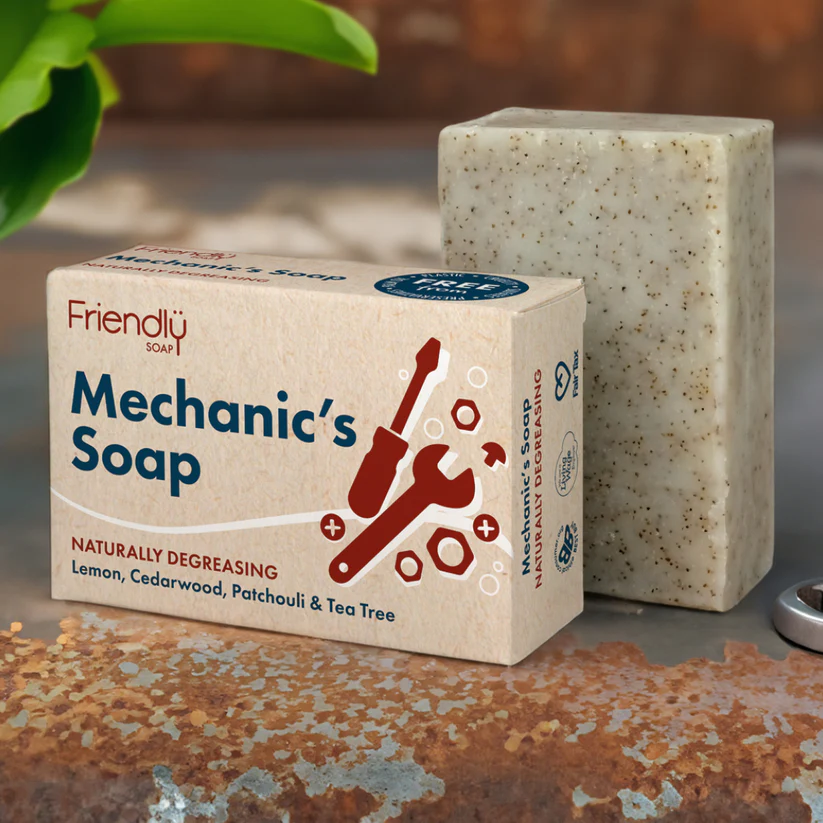
Friendly Mechanic’s Soap (made in Northumberland) is also sold in packs of 12. Free from palm oil, it contains grease-busting lemon oil, exfoliating pumice stone and is scented with cedarwood, patchouli and tea tree oil.
As this soap contains essential oils, it’s best to avoid during pregnancy/nursing, if you’re a female mechanic (girl power!) Also keep away from babies and pets (due to citrus oils).
My husband says this cleans his greasy hands very well, and he smells no more of engine oil!
Animal-Friendly License Plates (idea from the US)

In the USA, many states let drivers buy license plates that donate money to animal charities. It would need a bit of work, as things work differently over the pond. Car owners pay their fee to local motor vehicle license agencies, and simply swap their plates.
It would need a bit of work, as things work differently over the pond. Car owners pay their fee to local motor vehicle license agencies, and simply swap their plates.
But in the UK, DVLA is in Wales, so at present this could not be done. But it should be. It’s possible in England to buy vanity-based private number plates, so why not plates that help animal welfare and conservation causes?

Mutts cartoonist Patrick McDonnell illustrates animal-friendly license plates in New Jersey. Conservation Plate is similar, in that the plates support charities for wild birds and marine mammal protection. Which begs the question why similar programs are not running in England, a country renowned for being batty about animal welfare.
Issues with Baby on Board Stickers
Paramedics are also not fans of ‘baby on board’ stickers. Anything (including furry dice) in car windows can obscure vision, when driving. And reading stickers can cause people to take their eyes off the road.
Nobody ‘plans’ to have a car accident. So displaying warnings does not work. In Australia, one site notes that 1 in 20 accidents may even be caused by stickers obscuring rear window views. And paramedics often look for a child in the car that isn’t there, at the time of an accident.