Banishing the Burnout: Lifestyle Tips to Prevent Fatigue

Millions of people across England and the world feel permanently wiped out. Of course this could be do with insomnia, being a carer or looking after young children/babies, but sometimes fatigue can come from physical conditions or even stress.
Severe fatigue is serious, with experts saying that if you have severe exhaustion, it likely would in an ideal world take a good few months to get back to normal, but of course most people have life responsibilities for family or work.
If you feel constant fatigue after healthy lifestyle changes, it’s best to visit your GP for a blood test, to rule out anaemia or other medical issues.
Come to me, all you who are weary and burdened, and I will give you rest. Take my yoke upon you and learn from me. For I am gentle and humble in heart, and you will find rest for your souls. For my yoke is easy and my burden is light’. Matthew 11: 28-30
Good Quality Sleep
A good night’s sleep is obviously the first port of call, ideally seven to nine hours each day (and that’s proper sleep, not alcohol sleep, which often puts you in a different kind of non-healing sleep, then wakes you up at 2am).
Good sleep is not so easy if you have insomnia, and worrying about it will make things worse. If your sleep deprivation is due to a nocturnal baby, read The Baby Sleep Guide (by a sleep consultant who is also the mother of triplets!)
If you’re a carer, read our help our carers tag, to find lots of help (from benefits to buy things to make life easier, and how to find practical help and support).
Create a calm bedtime routine. Switch off computers and the TV (especially the news and horror films!) an hour before bed, and read a book (not a horror novel!) or take a warm bath, or even have an evening potter around the garden. Avoid alcohol and cigarettes (both are stimulants).
You don’t need essential oils (and they are not safe for pets that sleep on your bed, cats can’t break them down in their liver). A good routine is far more helpful.
Also ensure your bedroom is clean and comfortable, and the right temperature (not too warm or cold). Use black-out curtains and an eye mask, if needed.
Read our post on safe baby nurseries, for tips on preventing SIDS (crib death).
Park Your To-Do Worries on Paper!
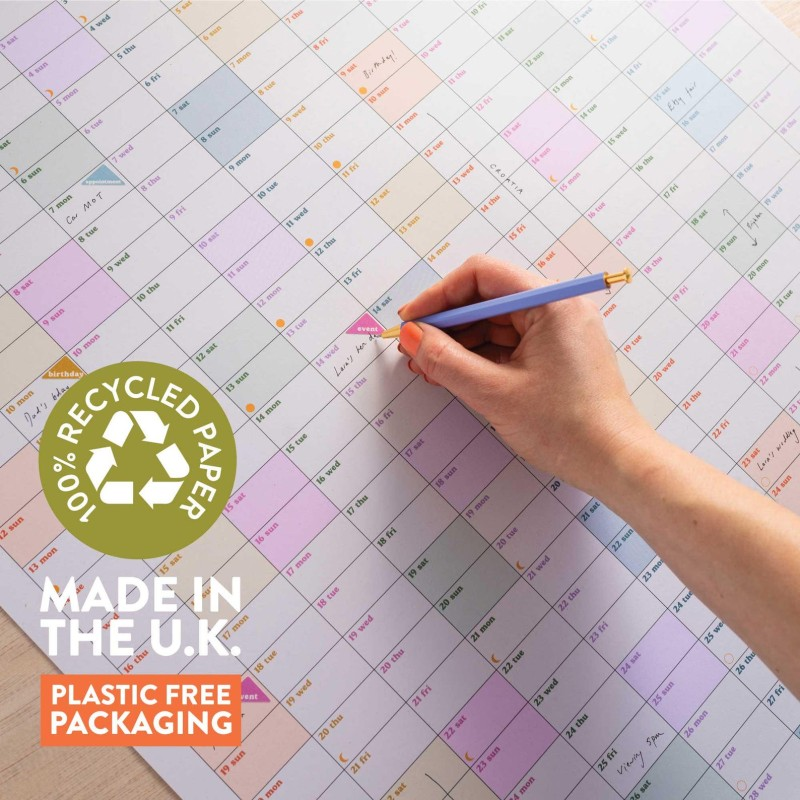
Often people feel stressed and fatigued, because they have a constant ‘monkey chatter’ going on in their heads, on all the things they have to do, which makes them feel tired.
Treat yourself to one of Good Tuesday’s to-do pads (on recycled paper). Beautifully designed, these can inspire you to create small lists that you can plough through over time. Offloading the info onto paper, can help to clear your mind, and help your brain feel more ready to sleep.
Cans functional drinks
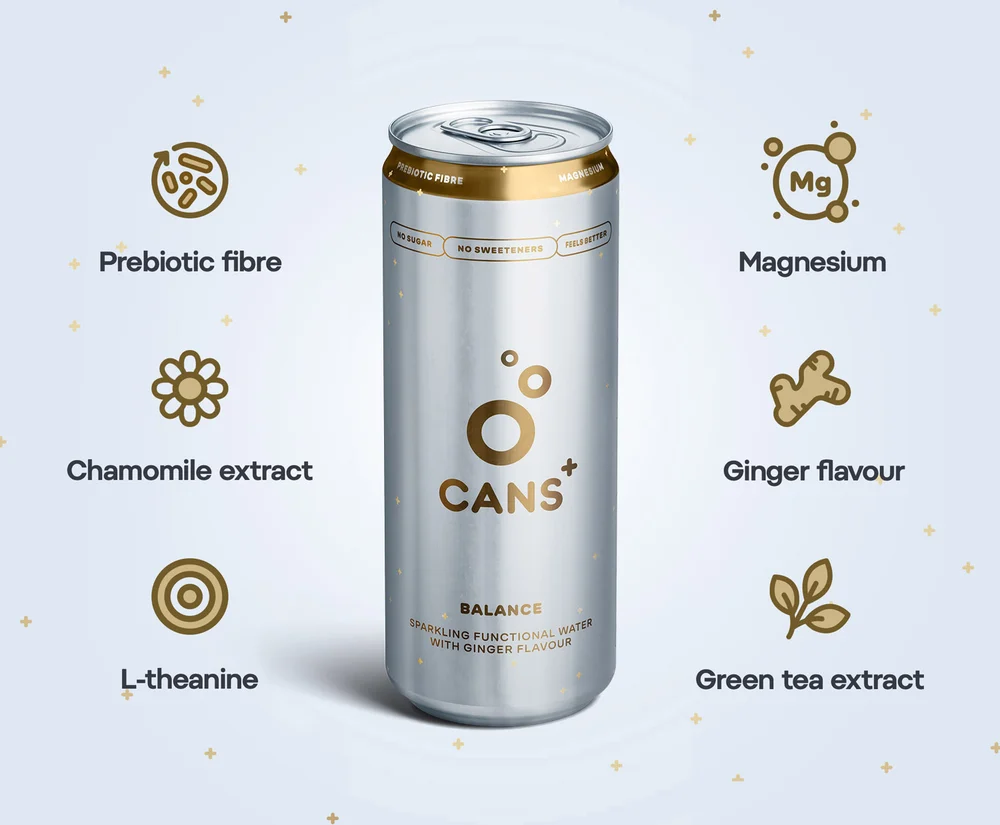
What are these? They are the same, but contain extra ingredients for particular purposes. There are two drinks in the range.
Both contain spring water with real fruit, plus vitamins and minerals, along with green tea. They they branch out into two varieties:
Balance (ginger flavour) is to settle rough tummies, and contains prebiotics and chamomile extract. You can safely drink 2 cans a day.

Performance (raspberry flavour) is a natural alternative to energy drinks, with the same caffeine half an espresso. Not for pregnancy/nursing nor people under 16.
Fuel Your Body with Nourishing Foods
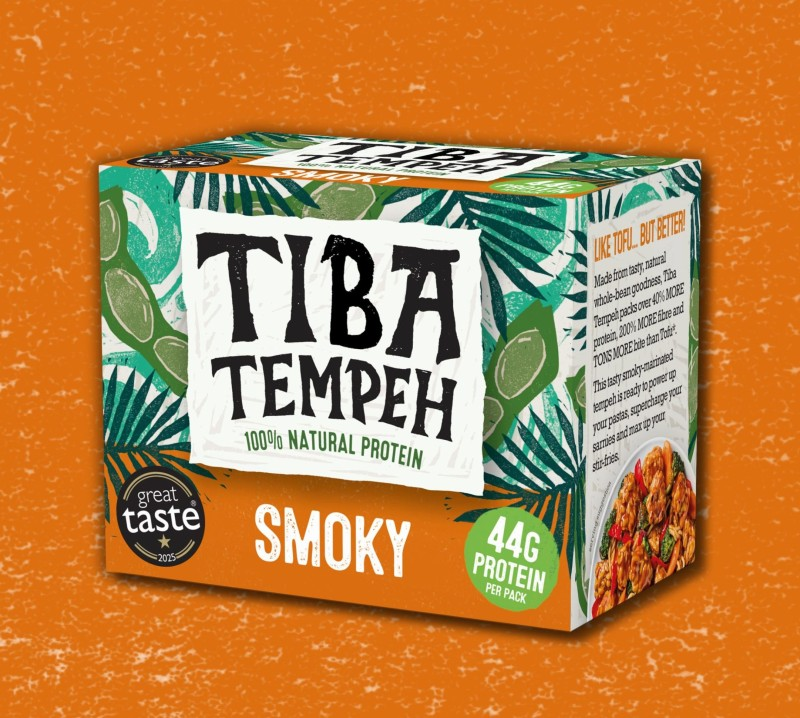
Food is fuel. If you’re not putting good fuel in the tank, your ‘car’ won’t run. You need good nutrition to sleep, as well as to work and run marathons. Build meals around whole foods, lean plant proteins (like tempeh), complex carbs, and colourful veg. Add healthy fats for good brain health.
- Breakfast: Oats with plant milk or yoghurt, topped with berries and seeds. Beans on wholegrain toast with tomatoes. Smoothie with spinach, banana, oats, and peanut butter.
- Lunch: Marinated tofu or beans with quinoa and a big salad. Wholegrain wrap with vegan tuna, crunchy veg, and hummus. Soup with lentils and a slice of wholegrain bread.
- Dinner: Tempeh, brown rice, and greens. Tempeh chilli with beans and peppers. Stir-fry with tofu, mixed veg, and noodles.
- Smart snacks: Apple and almonds, Greek-style vegan yoghurt with fruit, carrot sticks with hummus, wholegrain crackers with vegan cheese.
Stay Hydrated to Keep Fatigue at Bay
- Aim for 6 to 8 glasses a day, more if active or in hot weather.
- Keep a bottle nearby, sip often, refill mid-morning and mid-afternoon.
- Add flavour with lemon, mint, cucumber, or berries if plain water bores you.
- Watch for signs of mild dehydration, darker urine, dry mouth, headache.
- Avoid alcohol. This is a sure way to make you feel tired the next day.
Keep caffeine from tea and coffee early in the day (avoid for pregnancy/nursing).
Incorporate Movement and Relaxation
- Regular walking helps to boost blood flow and clear the head.
- Use Lucy Wyndham-Read’s 10-minute body stretch, for stiff muscles.
- Her body weight exercises are good, or use resistance bands.
Wintering: The Power of Rest in Difficult Times
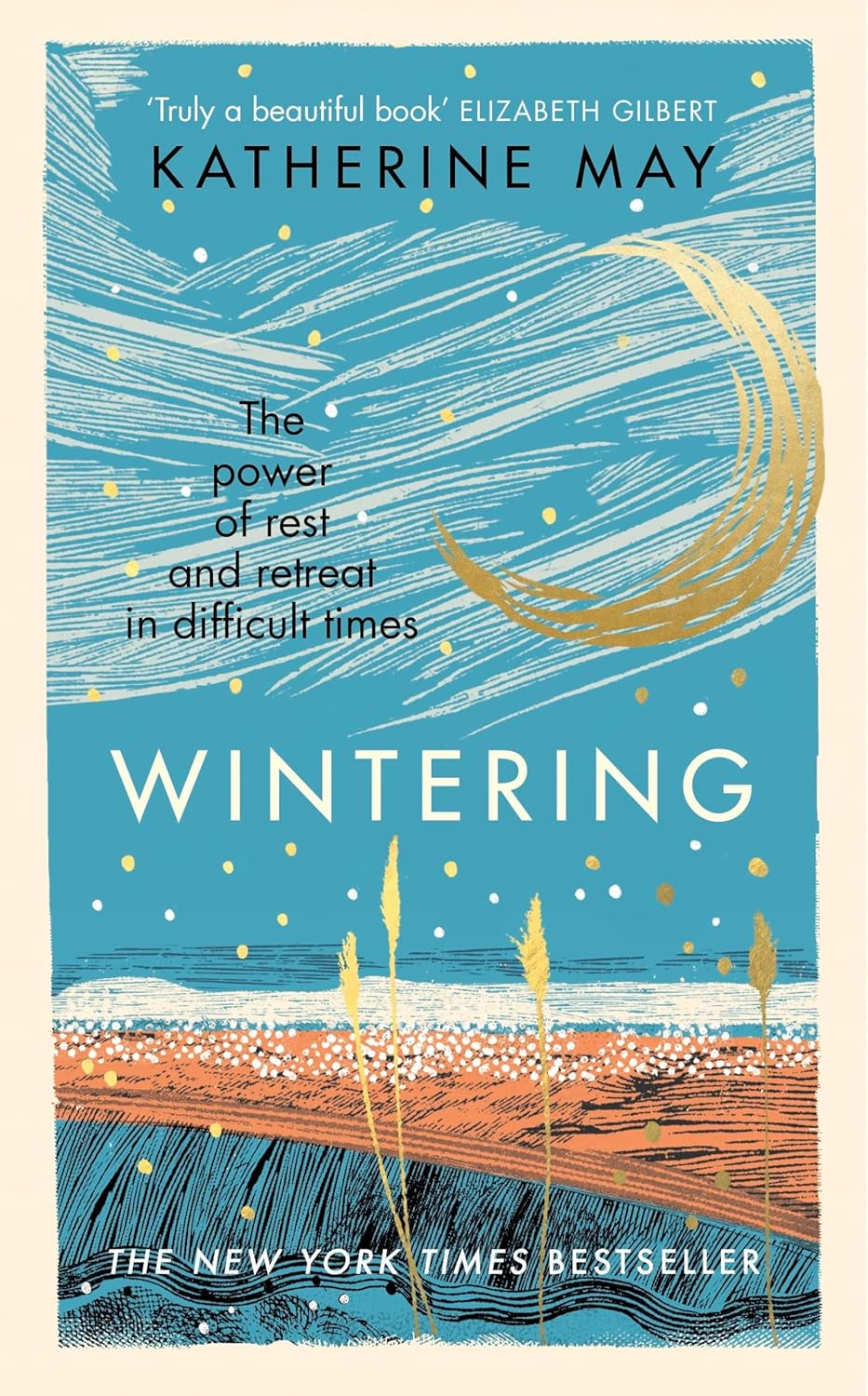
Wintering is a comforting meditation on the periods of life, when we must retreat to care for and repair ourselves. The author thoughtfully shows how to come through these times with the wisdom of knowing that, like the seasons, our winters and summers are the ebb and flow of life.
Read posts on keeping safe in snow.
A moving personal narrative on the transformative power of rest and retreat, illumination emerges from many sources, not least the hibernation of creatures like sleepy dormice.
Plants and animals don’t fight the winter. They don’t pretend it’s not happening, and attempt to carry on living the same lives they had lived in the summer. Winter is a time of withdrawing from the world, and vanishing from sight.
But that’s where the transformation occurs. Its’ a time for reflection and recuperation, and for putting your house in order. Slowing down, getting enough sleep, resting.
This is an invite to accept sadness, and find nourishment in deep retreat, and joy in the hushed beauty of winter, and an understanding of life as cyclical.
May thoughtfully examines the emotional, spiritual, and geographical reality of the cold times, the dark days, and those periods of our lives when things are neither soft nor easy.
In so doing, she offers a great and humane service to her readers: she shows us that wintering cannot be avoided, but need not be feared. Elizabeth Gilbert
Katherine May is a renowned writer and speaker, whose work touches on nature, slow living and spiritualty. She is author of the popular Substack newsletter The Clearing. She lives by the sea in Kent, and loves walking, sea-swimming and cooking feasts.
Together Health Gentle Iron Supplement (in eco packs)
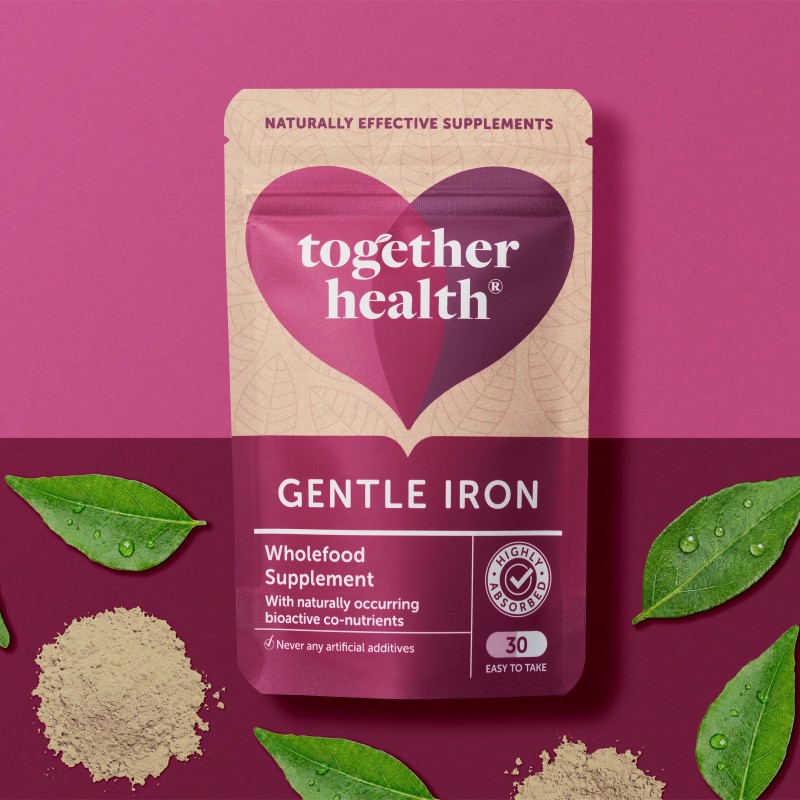
Together Health Gentle Iron tops up low iron levels with organic curry leaf, to help normal blood formation. Using whole food sources means it’s also gentle on your stomach. The whole food ingredients are also raw or use low-heat control, to preserve live enzymes and trace minerals.
If you still need extra iron, consider a plant-based iron supplement in sustainable packaging. As iron is best to take on an empty stomach, use wholefood versoins to avoid stomach cramps, nausea and diarrhoea. It’s also good to take alongside vitamin C foods for better absorption.
The capsules are made from plant cellulose from the Pinus Elliottii tree, and can be separated and the contents mixed with food or drink if preferred.
The supplements are sold in easy to recycle pouches that are plastic-free and contain a protective film made from wood pulp.
Always check with GP if pregnant/nursing or taking any medication, before using supplements.
Vegums Super Iron Gummies (for adults and children)
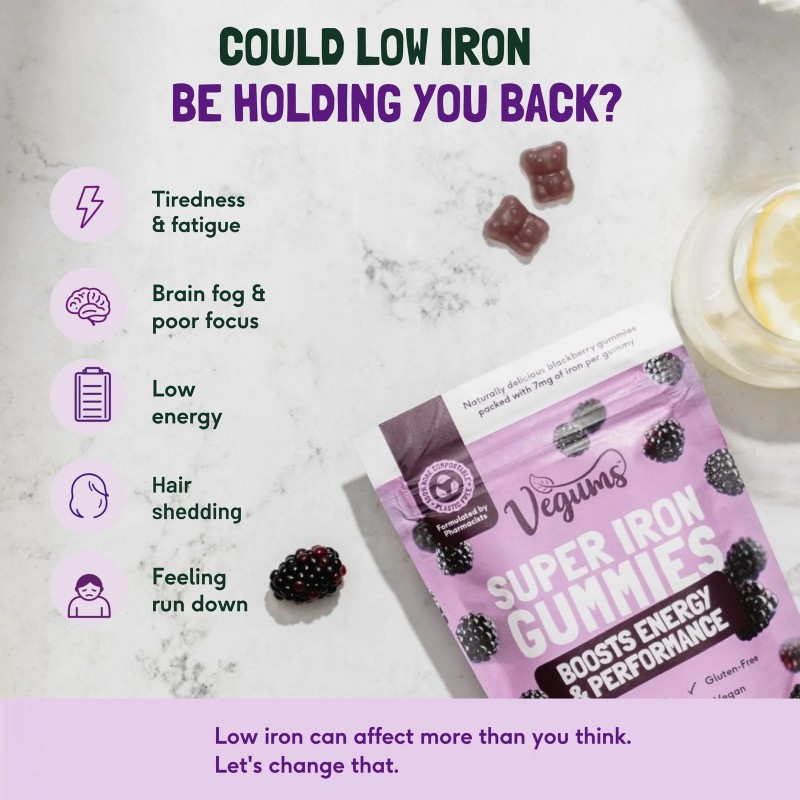
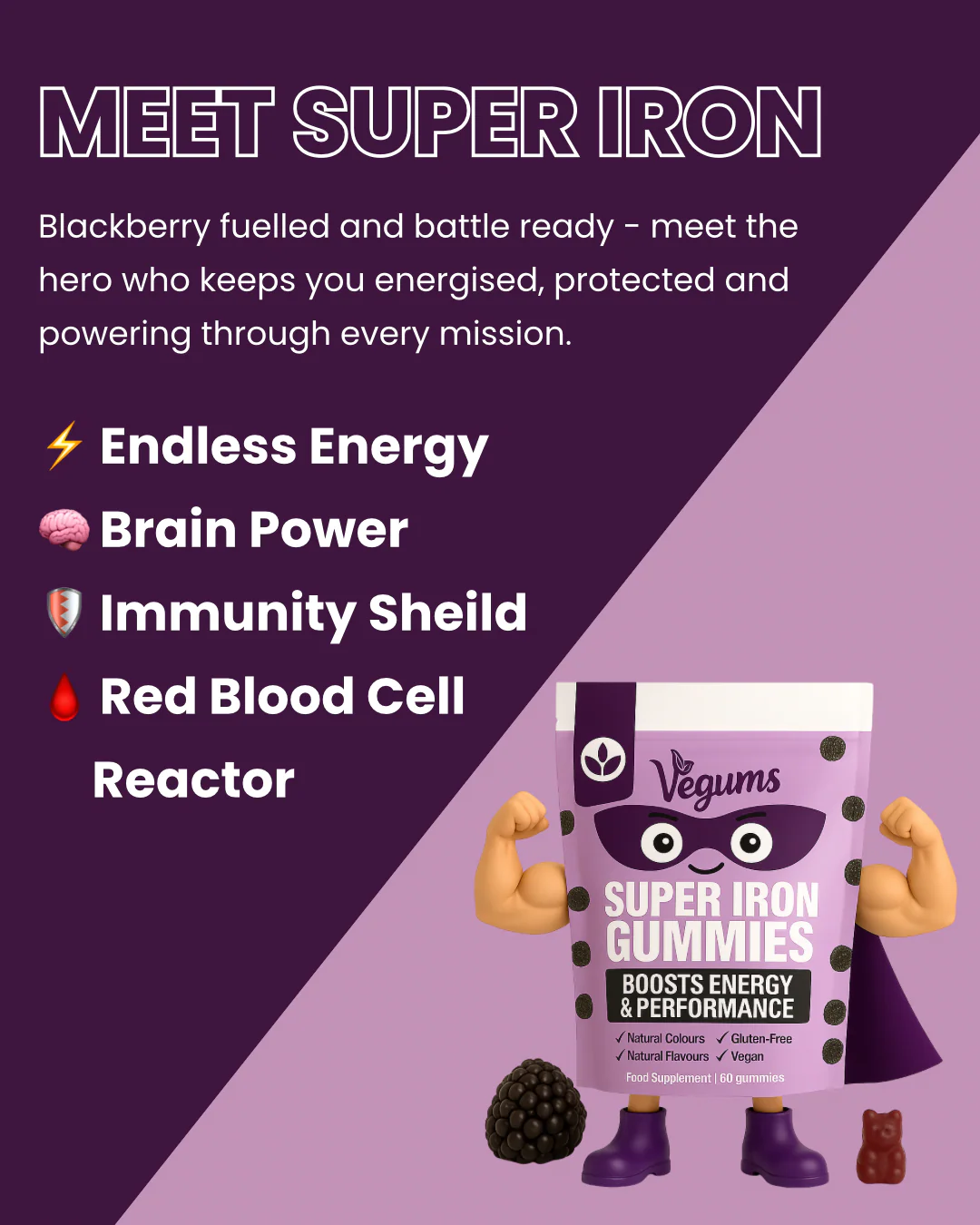
Vegums super iron gummies are by a brand founded by two pharmacists, and sold as easy-to-chew flavoured gummy sweets, to get your nutrition. Also in a child’s version(for age 3 to 11 – after 12 take the adult version). They are sold in tins with compostable refill pouches.
Gentle on the stomach, these are in a nice blackberry flavour. Keep away from young children and pets, as they look/taste like sweets.
How to get iron (without meat)
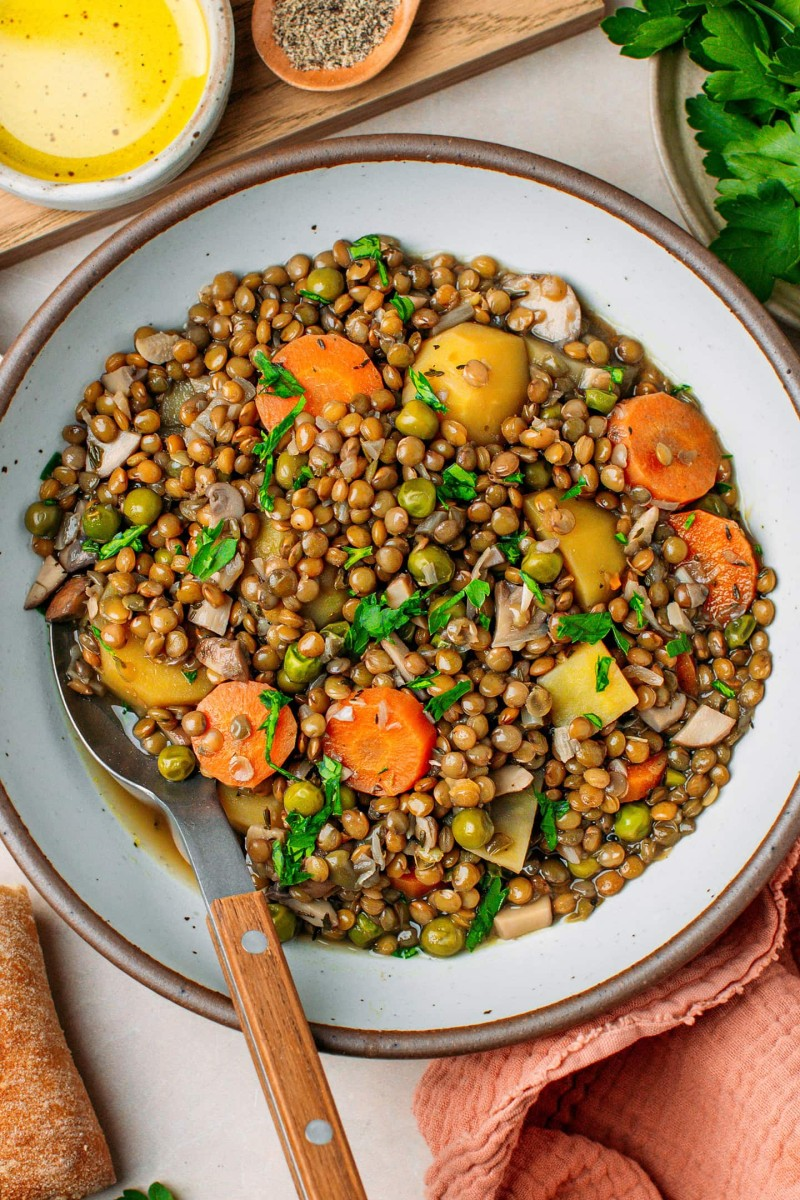
Try this One-Pot Lentil Stew (Full of Plants)
Iron is a crucial mineral responsible for carrying oxygen throughout your body, keeping your energy levels high, and supporting your immune system. While animal products are often touted as the easiest source of iron, the plant kingdom is brimming with iron-rich foods.
Lentils, chickpeas, black beans, and kidney beans are absolute champions when it comes to plant-based iron.
- Lentils: Just one cooked cup provides roughly 35–40% of your daily recommended iron intake.
- Chickpeas & Beans: Offer around 4–5 mg of iron per cooked cup.
Buy dried beans in bulk rather than canned. Dried beans are cheaper, take up less space, and eliminate the energy cost and material waste associated with metal cans. Cook them in large batches and freeze them in glass containers.
Soak your dried beans and whole grains overnight before cooking; this reduces phytates and makes the iron much more bioavailable!
Before recycling empty lentil cans, remove lids (or pop ring-pulls back over holes). Then step on upper can tops to pinch rims together, this helps prevent wildlife getting trapped.
Whole Grains
Don’t overlook grains as an iron source. Quinoa, oats, buckwheat, and amaranth are naturally rich in iron and readily available in bulk bins.
- Quinoa: A single cup of cooked quinoa delivers about 2.8 mg of iron, plus all nine essential amino acids.
- Oats: A warm bowl of rolled oats gives a 3.4 mg start to your morning.
Dark Leafy Greens
Dark, leafy greens are legendary for their iron content. However, they often come wrapped in plastic produce bags or plastic clamshell containers.
Check medication before consuming lots of leafy greens.
- Spinach: One of the most famous sources, though cooking it helps release the iron for better absorption.
- Chard & Kale: Robust greens that hold up well in soups, stews, and sautéed side dishes.
- Don’t throw away the tops of your beets! Beet greens are actually higher in iron than the beet roots themselves.
Nuts and seeds are compact iron powerhouses, perfect for sprinkling over meals or snacking on the go.
Avoid nuts and seeds (and nut/seed butters) for young children and people at risk of choking.
- Pumpkin Seeds (Pepitas): A small handful (about one ounce) packs a whopping 2.5 to 4 mg of iron.
- Hemp Seeds & Chia Seeds: Great for blending into smoothies, tossing onto salads, or making overnight pudding. Always dilute chia seeds with water before use.
- Sesame Seeds (and Tahini): Sesame seeds are extraordinarily rich in iron. Using bulk-bought sesame seeds to make home-blend tahini (or buying tahini in returnable glass jars) is an easy win.
Keep spices (esp nutmeg and mace) away from pets.
Use Cast Iron Cooking Pans
Cooking acidic foods (like tomato sauce or citrus-infused dishes) in an unlined cast-iron skillet actually leaches small, safe amounts of dietary iron directly into your food.
A good cast-iron pan is the ultimate zero-waste investment—it lasts for generations, replaces toxic non-stick pans, and actively fortifies your meals.
Pair Iron Foods with Vitamin C
Plant-based iron is known as non-heme iron. Unlike the heme iron found in animal products, non-heme iron is more sensitive to other compounds in your diet and isn’t absorbed quite as easily by the body on its own.
Purdey’s (a better brand of energy drink)
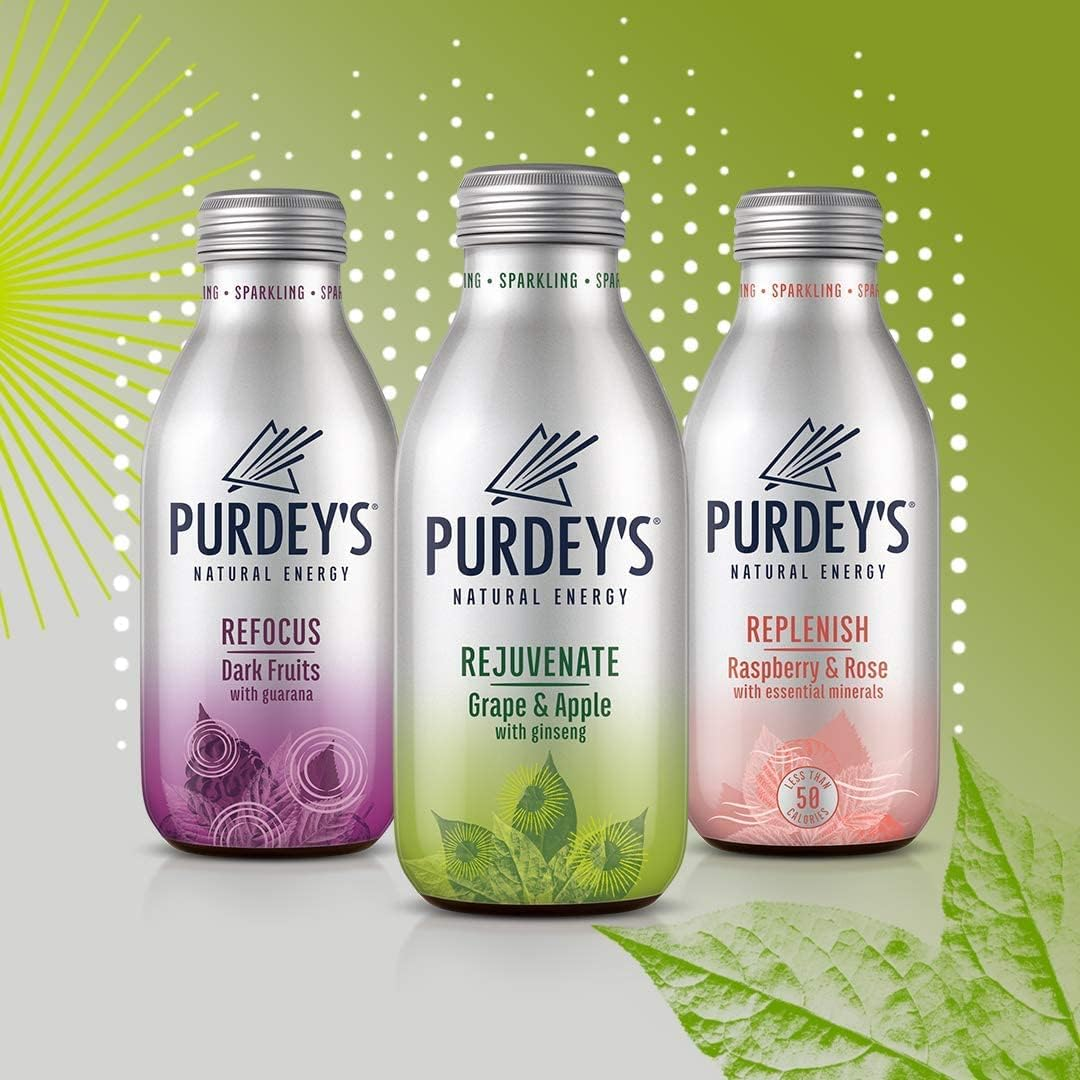
You don’t normally need energy drinks. For most cases, plain water is fine. But if you do drink them, don’t rely on them, just use them as boosters (say if you are feeling tired before work or a long drive, when you have to stay awake).
Energy drinks can raise the heart rate and blood pressure if consumed in excess (they are banned for sale for teenagers in Sweden and Lithuania). They should also be avoided for pregnancy/nursing, children and on medication, due to caffeine and herbs like guarana, ginseng, cola nuts etc).
If you want to buy an energy drink now and then, look in stores for Purdey’s, these are made with sparkling water, fruits and botanicals, and sweetened with stevia (in three flavours – raspberry rose, grape apple and dark fruits).
For tinned drinks, pop ring-pulls over holes) then step on upper cans to pinch rims together, to stop wildlife getting trapped.
The first energy drinks were invented in the 1930s. Lucozade was created by a Newcastle pharmacist, and Ribena as ‘free vitamin C’ for children. But due to the upcoming sugar tax, both now contain artificial sweeteners, so taste rank.
Energy drinks have been around since the 1930s (Lucozade was invented by a Newcastle pharmacist and Ribena created for ‘free vitamin C for children’). Both are very high in sugar, though artificial sweeteners are also now added, to protect against a possible sugar tax.
One personal trainer suggests a healthier homemade alternative is simply to add fresh lime juice to sparkling water.
Gusto Organic offers ‘real cola’ that with organic Fair Trade ingredients, sweetened with cane sugar and agave (the ‘naturally slim’ version is sweetened with stevia). Other flavours are lemon guarana, Sicilian blood orange and fiery ginger beer.
Why Choose Natural Brands over Red Bull?
Red Bull is now the third most profitable soft drink on earth (after Coca-Cola and Pepsi). Due to caffeine limits in various countries, the recipes differ, depending on where it’s sold. But it’s basically a mix of caffeine, taurine (an amino acid to stimulate the brain), B vitamins and simple sugars (or sweeteners).
Apparently users report that it tastes ‘like diluted cough syrup with bubbles’. One person says on first taste, it resembles battery acid? Banned in France for 12 years (the recipe was adjusted to now sell it again), the high acid level means (like diet cola) it also rots tooth enamel.
Masking Red Bull with alcohol is very dangerous, as the stimulants can mask the depressant effects of booze, and cause life-changing dangers (like suicidal thoughts).
Another reason to avoid Red Bull, is that it’s a big Goliath company, in a world of little men. In 2013, a Norfolk micro-brewery was told to change its name (similar but not the same), or face legal action.
How the average beer-loving man in eastern England could confuse a pint of ale with a can of energy drink is not clear. But they had to reach settlement, in order to continue to use a name that was not even the same. It’s corporate bullying, and a good reason to choose Purdey’s energy drink instead!
Red Bull also funds a charity that uses mice for spinal cord injury research. Far kinder, more accurate and cheaper to fund humane medical research instead.