Beautiful Books about Terrific Trees!
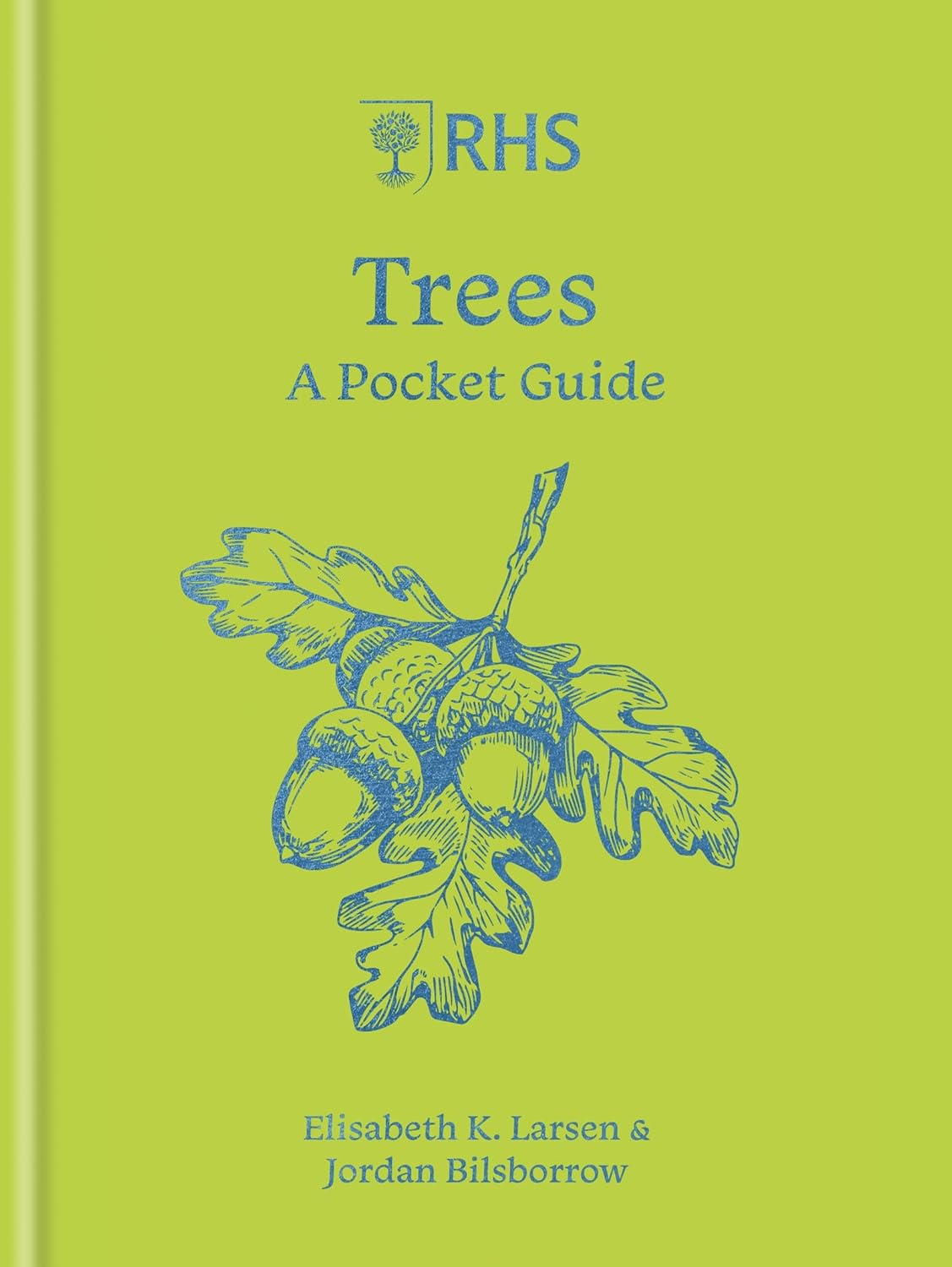
RHS Pocket Guide to Trees is a beautiful guide to identifying, enjoying and caring for the trees around you. Whether you want to know more about trees in parks and the countryside, or how to select the right trees for your garden.
This guide offers year-round guidance and inspiration for anyone who loves nature. It contains 50 charmingly illustrated profiles of British trees, along with a handy identification flow chart for quick reference, when you’re out and about.
Packed with RHS-approved advice for cultivating and caring for trees, this is the perfect companion for a country walk or sunny garden seat.
Many trees (and conkers) are not safe near pets (nor horses including yew, oak and sycamore). Read more on pet-friendly gardens.
If growing fruit trees, read about no-dig gardening. Also use fruit protection bags over netting (to avoid wildlife getting trapped).
Dr Jordan Bilsborrow is a senior botanist at Royal Horticultural Society, who specialises in plant identification, and has a passion for identifying a range of plants – from humble weeds to mighty trees.
He manages the plant identification team at RHS and also teaches horticulture students (he has a PhD on daffodil species identification (daffodils like all bulbs are toxic to pets).
Dr Elisabeth Karlstad Larsen developed a love for trees and forests, while growing up in Norway. She studied black poplar drought tolerance and water-use of Aleppo pine forests, and then worked as a tree scientist for RHS. She currently studies forest biodiversity and agroforestry.

Tree Day is a short book that guides us through the global forest, introducing a single tree during a single hour, with 24 species from around the world. Includes the dragon blood tree in Yemen, where nocturnal geckos carry the pollen in their snouts.
The coastal redwood in the Pacific Northwest, that absorbs morning fog through its roots. and a sugar maple tree in New England that has leaves that have stopped producing chlorophyll, to turn a vivid crimson. A cocoa tree in Mexico lets tiny insects pollinate to make chocolate!
Most charming of all is Lowman’s joy and wonder at the natural world. By the time you reach the last page of this book, you’ll either want to a climb a tree, hug a tree, or both. Rachel Zarrow
Meg Lowman is a treetop explorer and forest conservationist. She is one of the world’s first abornauts (a scientist who conducts research in tree tops), and has climbed trees in over 40 countries.
She is executive director of the TREE Foundation and founder of Mission Green, a project to build canopy walkways in the world’s 10 most endangered, high-biodiversity forests.
The Little Book of Trees is a beautifully illustrated small guide co-written by a professor of biology and a professor of natural history. Learn about trees and their leaves, tree trunks and barks, and the architecture of trees. Along with seeds and curious facts.
The irony of course is that most publishers still don’t print their books on 100% post-consumer recycled paper (they could if they wanted to, we’d all pay a little more per book). A few publishers do this (Green Books, New Society, New World Library). So if they can, so can the others.
Tree: A Life Story (the autobiography of a 700-year old Douglas Fir) is one of the few books about trees, that is printed on 100% post-consumer waste paper.
The Heart of the Woods looks at how trees have evolved over time and (just like a parent to a child) has left a legacy. In this book, the author travels around England (and to Ireland) to explore what we get out of spending time around trees.
Stories in the book includes apple wassailing in Cornwall, making willow coffins (also in Cornwall), forest bathing in Northumberland and rewilding the Scottish Highlands.
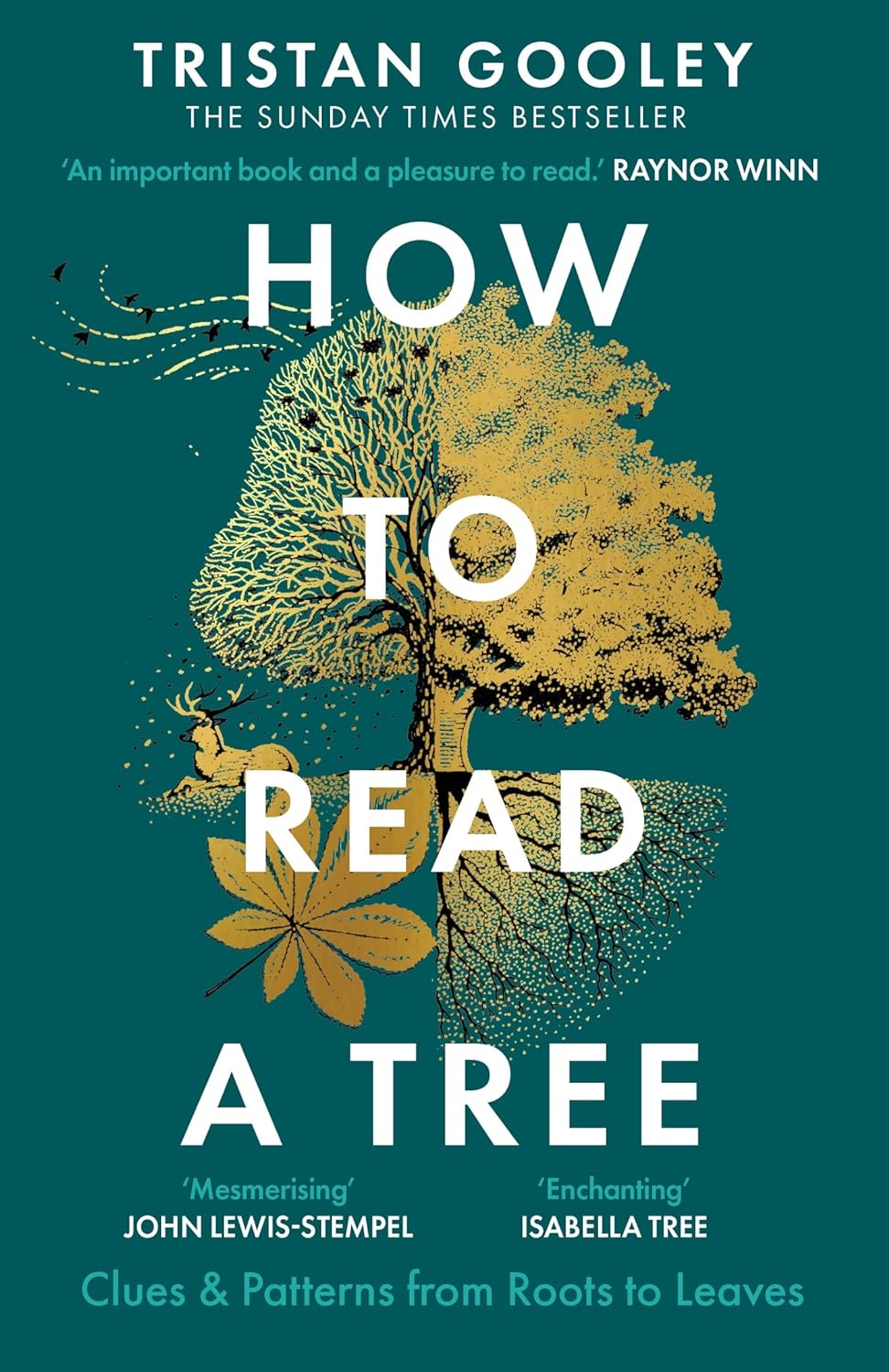
How to Read a Tree is a book by a natural navigator (he can find his way anywhere, by looking at a puddle or which way the tree blows) to explain how each tree we meet, is filled with signs to reveal its life and landscape.
The clues are easy to spot if you know what to look for. You’ll learn rare skills that can be applied each time you pass a tree, whether you are in a town or wilder spot. Trees can tell us about the land, water, people, animals, weather and time. And about their lives.
Fun Books to Teach Children about Trees

The Lives of Trees is a beautiful book with illustrations on the anatomy of trees, for readers age 8 and above. It explains the functions of trees and shows how trees are born. And how they eat, drink, breathe and sleep! Plus how they defend themselves (sometimes attack), reproduce and in some incredible cases – move!
Learn which trees and bulbs are not safe near pets. Also know trees to avoid near horses (including yew, oak and sycamore). Conkers are also not safe near pets.
The Secret Life of the Forest helps children discover (with the help of Little Seed as a guide) the interconnected world of trees, animals and fungi. In this fun illustrated book, discover the hidden wonders of the forest. And uncover the web of connections that sustain this vibrant interconnected ecosystem, where each creature has a vital role to play.
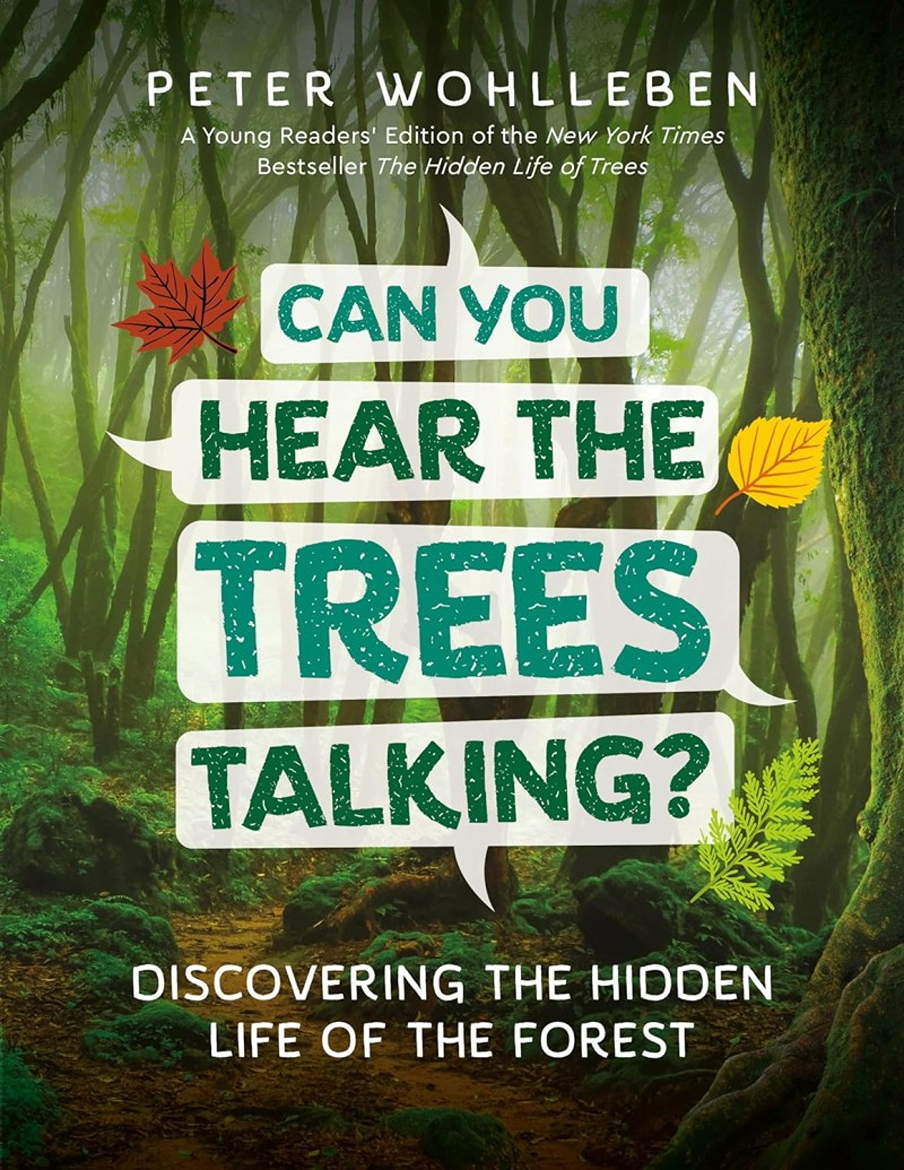
Can You Hear The Trees Talking? is a best-selling children’s version of a book on how trees communicate to each other, written by a German forestry expert.
Learn what trees feel, how they communicate and take care of their families, and how trees can act as nature’s water filters, keep us healthy and how we can help sick trees to get better.
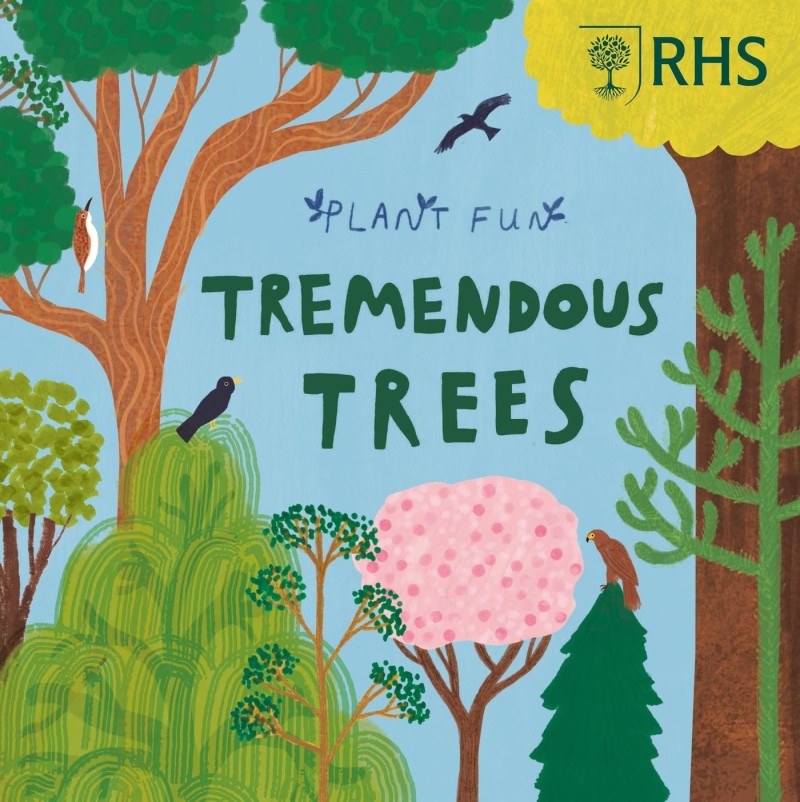
Tremendous Trees is a bright and fun colourful book for all ages, to teach everyone about trees. How do massive trees grow from tiny seeds? What are trees, and why are they so important?
This book explores different parts of a tree, showing how animals benefit, and why leaves turn brown in autumn. Readers will also learn about some of the oldest trees in the world (like baobab and bristlecone trees) and the extraordinary roots of mangrove trees.