Simple Ideas for Affordable Train Travel
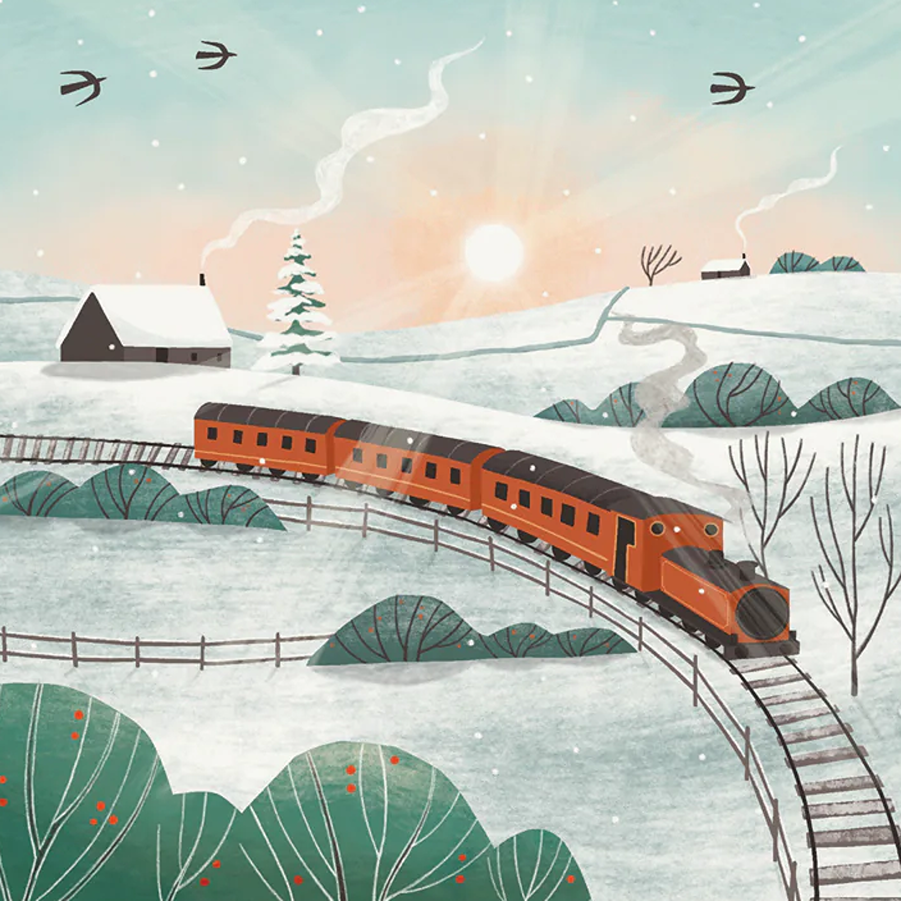
Most of us enjoy a nice train journey, it’s nice to just sit back and watch the world go by, without having to worry about traffic jams, road rage or running out of petrol.
But modern trains are not just often crowded, but hideously expensive (sometimes it’s cheaper to fly or drive long distances, especially once you’ve paid a fortune for a sandwich and coffee in the train station). How do they get away with these prices?
The companies say they are adding a 10% surcharge due to higher rental costs. But if you’ve ever seen the price of the food (not quality) served up and the price, this is more than 100% surcharge!
At time of writing, there are plans to create a publicly-owned railway once again. Some welcome this, others have horror stories of British Rail. Sounds like a good idea in theory, but considering this government has messed up nearly every policy it has created, it waits to be seen (and the government will likely be out of power, by the time it came to pass anyway).
GO-OP! is hoping to be England’s first community-owned train line, currently seeking funding from investors. Focusing on routes that connect poor routes, the first one is destined to be from Somerset to Wiltshire.
Making train stations more accessible
Councils should also provide accessible toilets, especially for long waiting times. A good idea from Portland (Oregon, USA) is for local volunteers who walk disabled and blind people through confusing platform changes until they feel confident to travel by train alone.
There, all train stations and platforms also have information in Braille.
Read tips for train travel with pets. Animals must be kept on leads or in carriers (take plenty of water & treats). Pets are not allowed on seats or escalators (must be carried). Never allow animals near trains.
How to get cheaper train fares
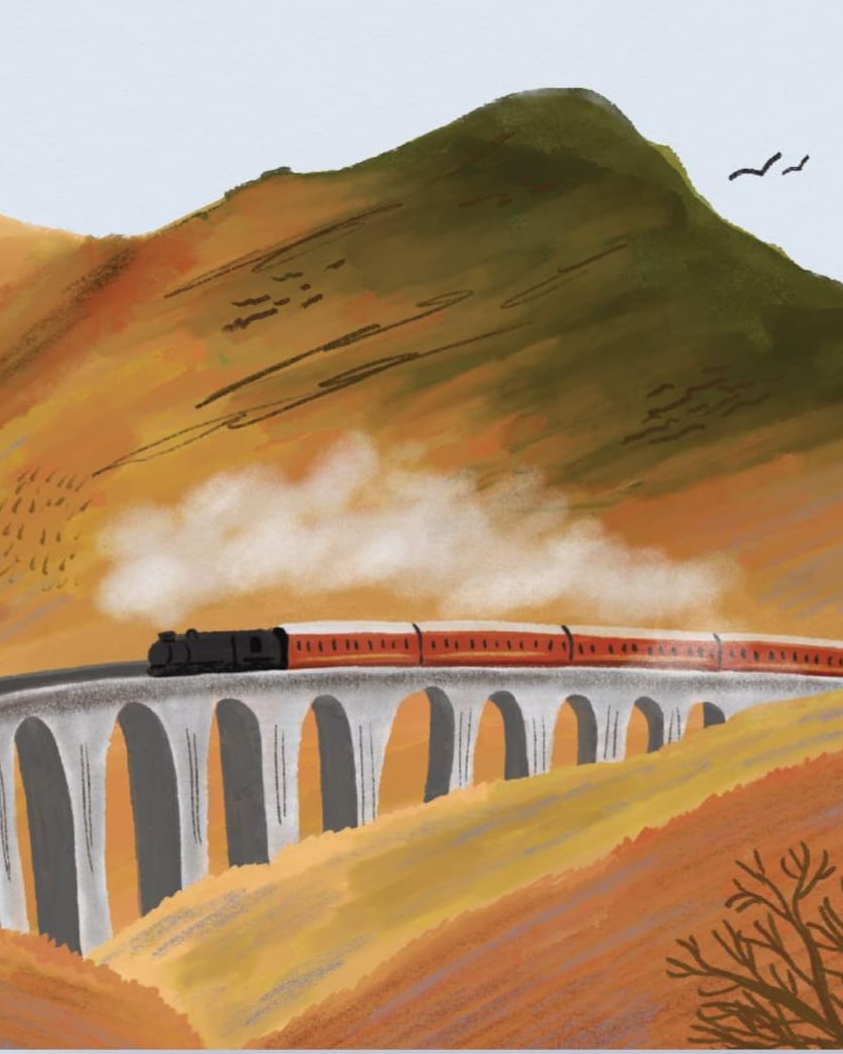
You should not have to take a degree, in order to ‘fleece the system’ to get cheaper fares, but there you go. Sometimes it pays to book in advance, and usually on weekdays it’s best to go after 9am, to avoid rush hour peak prices.
Split My Fare can (sometimes) save a lot of money. You basically put your in your destinations, and then buy each ticket separately. So beware when you print the tickets out at the station, you may get a barrage of them come out, so be sure you have a wallet! For instance:
Say you are travelling from London to Glasgow, sometimes strangely it works out cheaper if you buy 10 separate tickets rather than one.
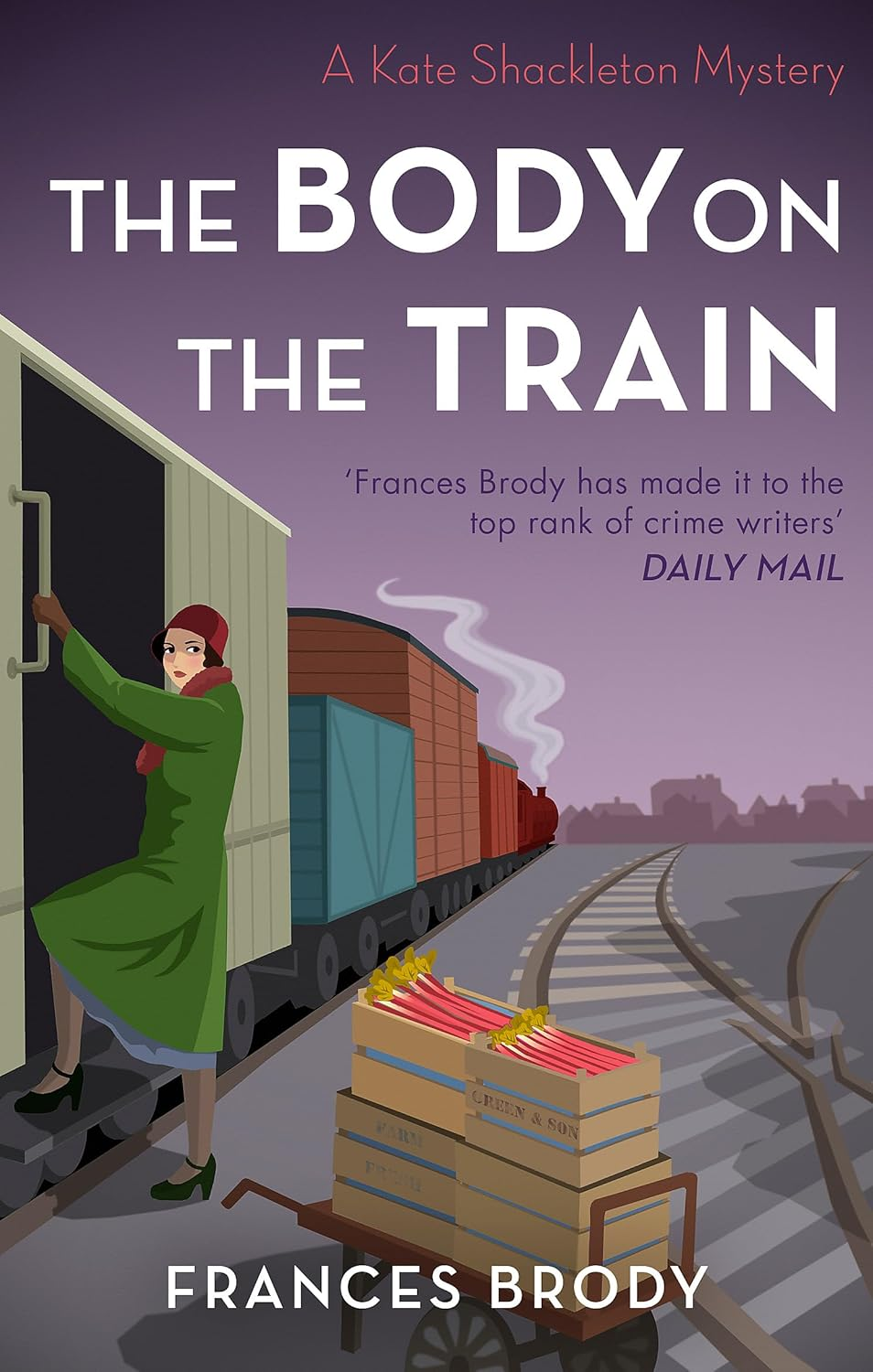
Did you know that the rhubarb express was a nightly train that carried forced rhubarb (grown at heated sheds in complete darkness )from West Yorkshire’s ‘rhubarb triangle’ to London and Paris from the late 19th century until the early 60s? It was only a rail strike that made the journey switch to road transport.
Slow Trains Around Britain is a book by best-selling travel writer Tom Chesshyre. Join him on a zig-zag journey to celebrate the 200th anniversary of the first 26-mile line from Darlington to Stockton, which kickstarted the worldwide railway revolution.
Simple ideas to improve train stations

Just like bus timetables, it would help if people who ran the timetables, hired a good graphic designer, so that it was easier to read them. Most of us find them difficult, let alone people with poor eyesight, learning difficulties or dementia.
This Canva sample template could easily be amended to an easy-read schedule.
Making train stations more affordable

At present, the train stations, trains and tracks are all owned by different companies (something that critics say means it’s more likely to have accidents).
But for now, it’s best to take your own food and drink, to avoid the astronomical prices of eating out, if you have a long delay at the station for the next train. Same with bookshops (take a paperback!
It’s not going to happen anytime soon that train stations are going to supply public water fountains or offer affordable food, so the only solution is to simply not buy it. If we all did, they couldn’t sell it, and something would have to change. Same for the overpriced food and drink on board.
We Don’t Need Hs2 (harms birds & wildlife)
The High Speed 2 (HS2) project has cost billions of pounds, in order to create a train route that hardly anyone will use (we need to slow down not speed up) and commuters could communicate by zoom? The fact that it will connect to airport hubs, shows that it won’t reduce climate change, as it will encourage flying? All experts say that it will do nothing for the planet.
Yet already the project has decimated huge swathes of Buckinghamshire countryside, pulled down England’s second-oldest pear tree (in Warwickshire) and killed countless birds and wildlife.
HS2 is planned to span hundreds of miles, including linking the south to the north. But all critics say the amount of money spent, would be far better used update rolling stock, improve northern and southwestern rail lines, re-open closed rural stations and improve community bus transport.
Why England doesn’t need HS2
Financial Times journalist Simon Kuper lives in Paris, and regularly ‘zips into London’ on TGV (France’s high-speed train). He says the UK version is a vanity project, as England is a quarter of the size of France or Spain, so London to Manchester is half the distance of most TGV journeys.
We can easily reach places without need for flying, so we don’t need a ‘replacement’ for something that’s not needed.
One of the few good policies of Reform UK is to simply scrap it as a bad idea, and use the money to do something useful instead.
Unfortunately most MPs (of all colours) voted for HS2 – see how your MP voted at TheyWorkForYou.

As well as not making a dent in reducing climate change emissions, once built, HS2 will (based on comparisons with other high-speed trains abroad) kill around 20,000 wildlife a year. Many will be swans and other birds that mistake rail lines for rivers, in heavy rain.
And by knocking down lots of ancient woodlands, this will contribute to more flooding (and less natural home for birds and native wildlife.
The Barn Owl Trust says that HS2 is a ‘very expensive way of killing owls. Join the campaign to Stop HS2.
A report by wildlife experts says that HS2 bosses have got their calculations wrong, and wants the existing work halted until updated methodology is used so new (correct) findings are assessed by government.
Wildlife campaigner Chris Packham took the government to court (and lost) to stop HS2 on the grounds that it would cause irreversible damage to ancient woodlands and habitats. He argued that the government was badly advised by vested interests, and did not take account of obligations under the Paris Agreement and Climate Change Act.
Many wildlife species also live near railways, which is why Network Rail employs ecologists to know how to least affect lizards, grass snakes, deer, water voles and slow worms (along with Pipistrelle bats that roost in trees, tunnels and bridges).
Interrail – how to discover Europe by train
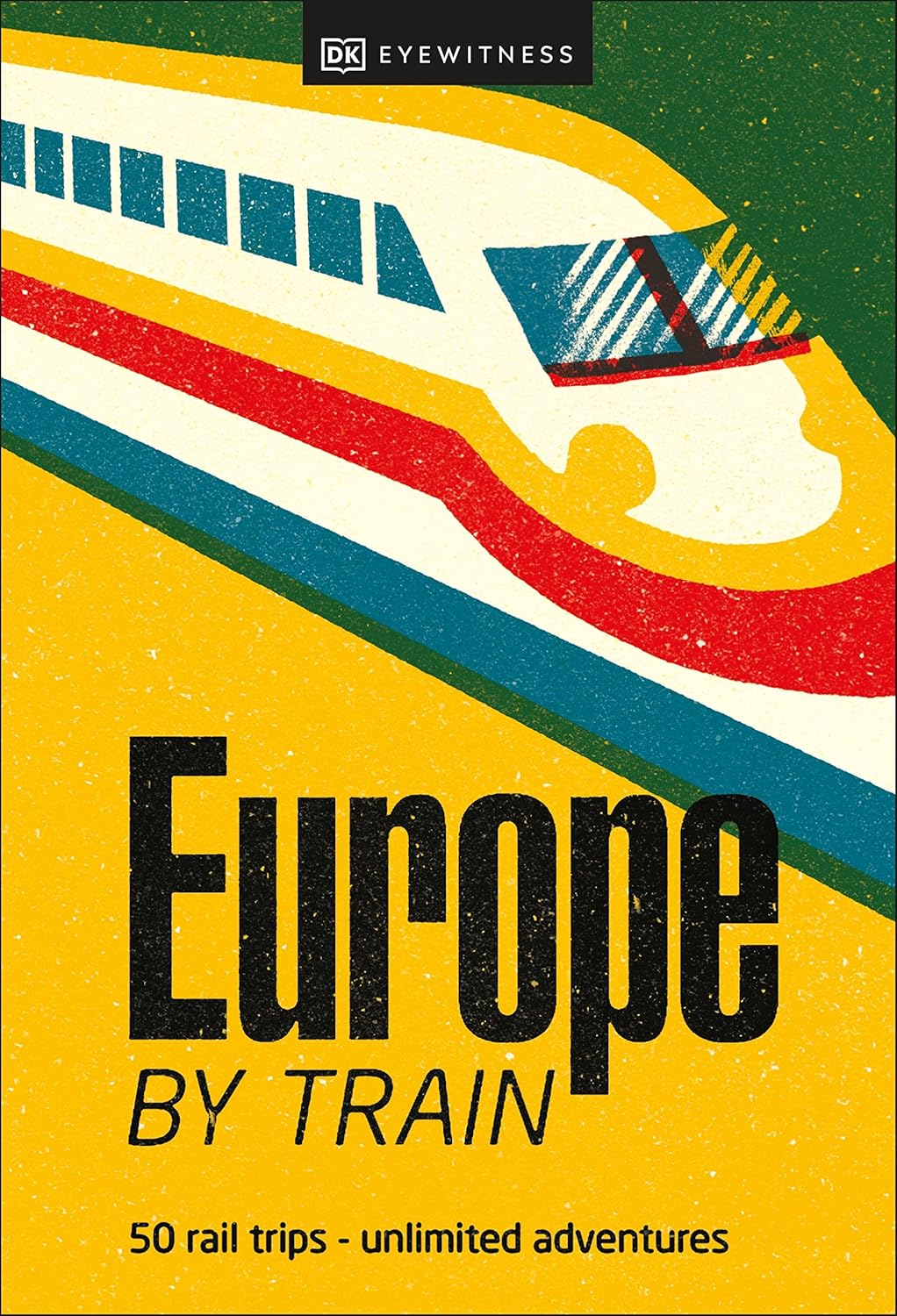
Interrail is a service that lets you discover most of Europe, without ever having to get on a plane. Here is a summary of how it works, and where you can travel. Also read about where you can sail to from England.
It’s unlikely most dogs are going to want to be getting on and off trains all over Europe. If you do take them with you, check policies of each operator before travel. If needing to take pets abroad (say emigration), Eurostar does not allow pets (bar guide dogs) from UK routes.
Le Shuttle offers a 35-minute crossing from Folkestone to Boulogne (your pets stay with you in the car, and there is a pet-friendly check-in, just follow the paw prints).
Explore the Interrail passes
Interrail offers a number of passes. You just plan your route, choose a pass and then activate it, for travel throughout the continent. Any European resident can use them, non-European residents must use a Eurail Pass.
- Interrail One Country Pass is obvious!
- Interrail Plus Pass lets you travel in 1 or more countries, often with reserved seats.
- Interrail Global Pass lets you travel throughout 2 countries. Choose from 33 countries.
The idea is that Interrail is an all-in-one pass (a bit like London’s Oyster card). So once purchased, you can use it within your country of choice to travel on nearly all trains (and sometimes ferry companies), by simply showing staff the Pass (or on your phone). There are 33,000 destinations covered across Europe.
Michael Portillo’s great railway journeys
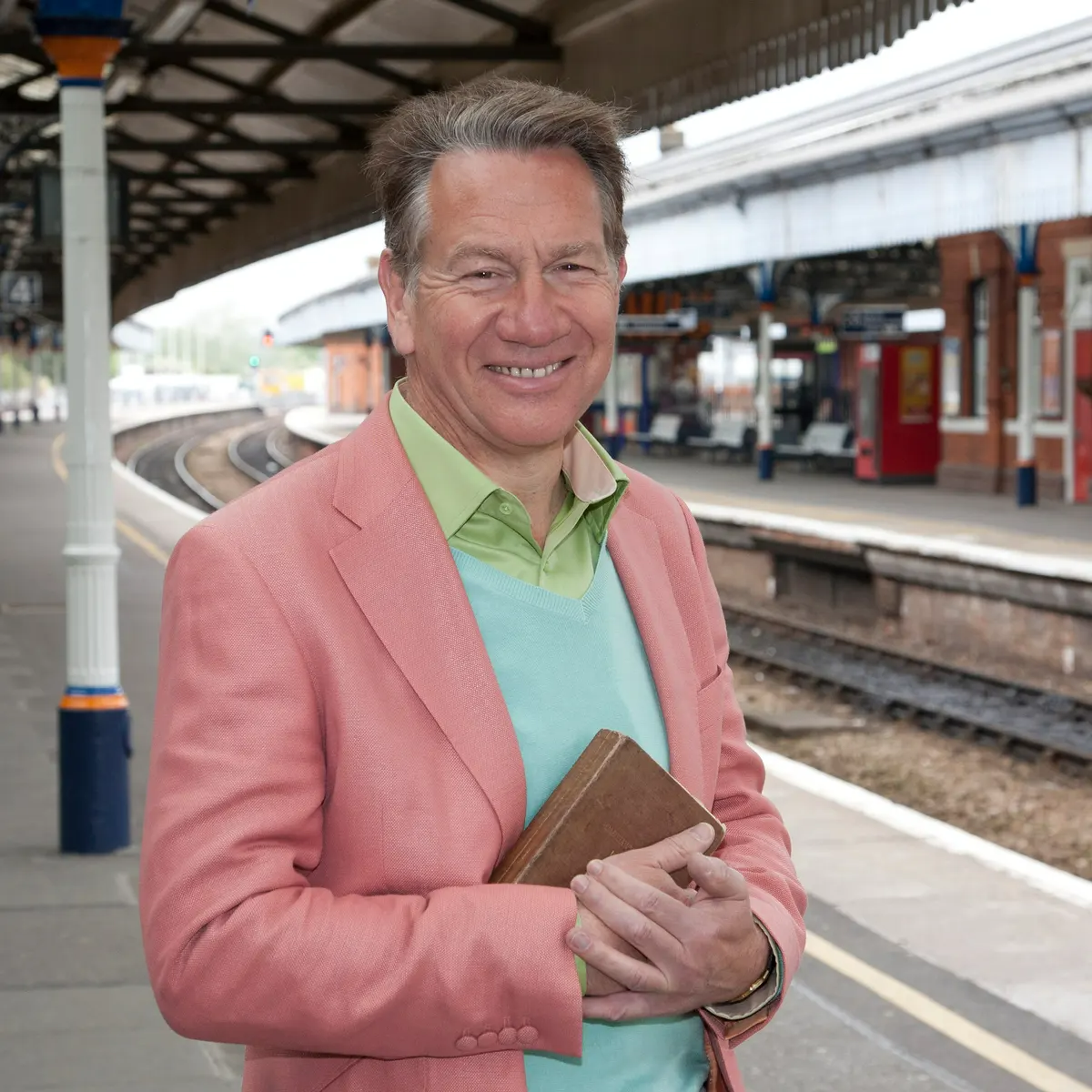
Although most TV these days seems to be either rubbish or bullying or both, the odd decent program is worth watching, like Michael Portillo’s Great Railway Journeys on BBC4.
He may not have been popular as a politician, but since giving up politics and launching into travel programmes, his popularity has soared.
Always polite, nice and enthusiastic, his programmes that follow an ancient book on railway journeys across England (and abroad) make for compulsive viewing:
A little over a year ago, I confessed I couldn’t stand Michael Portillo (Great Continental Railway Journeys) who dressed like an early 1990s gameshow contestant. It pains me to admit this, I got it wrong.
He is a weirdly compelling host. At one point, a woman kisses him on the cheek and he turns to camera and shouts ‘CHOO CHOO!’ at the top of his voice, like the horny wolf from the Tex Avery cartoons.
So fine, I got it wrong. And I hope he never stops making these shows. Stuart Heritage
Susan Boyle’s equally good travel programmes
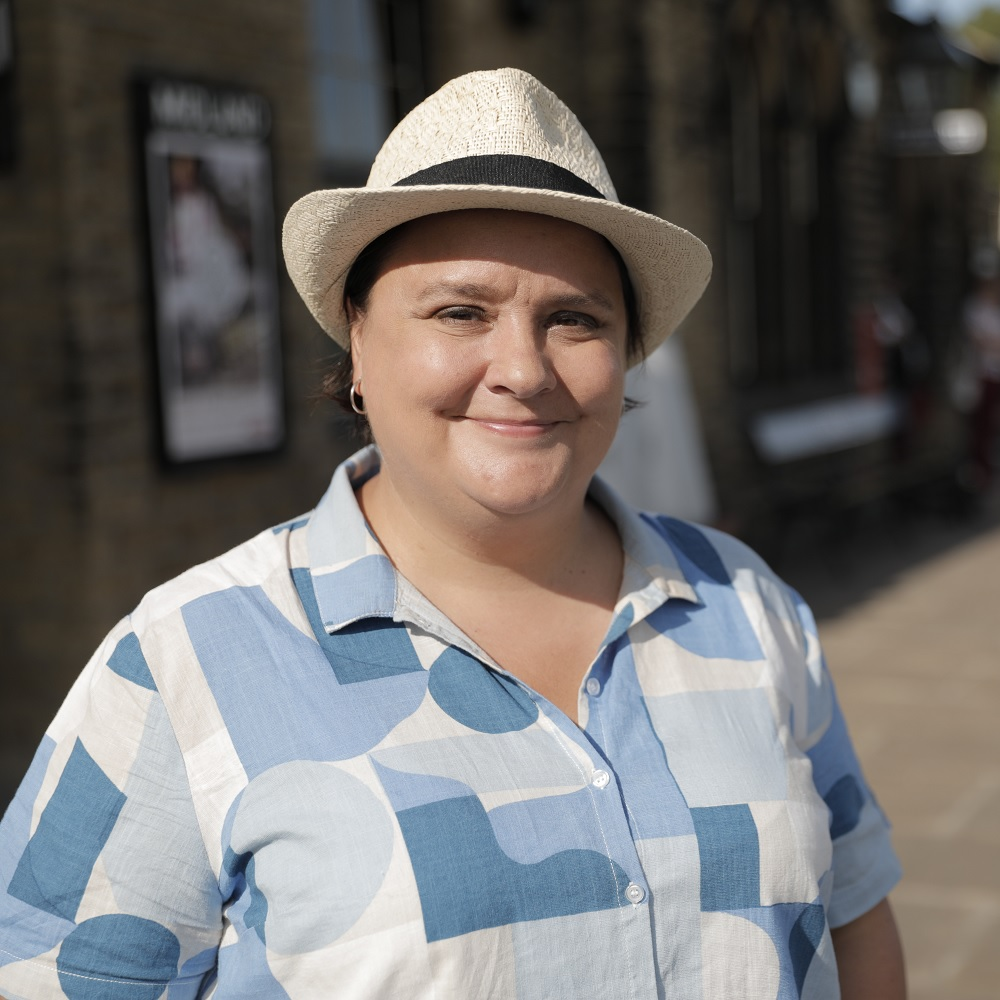
Same with the delightful Susan Boyle. If you don’t already know and love her, you will after watching one of her travel shows. A former lawyer on Death Row in the USA (her late father was the Scottish equivalent of Chris Whitty), she gave it all up to make us laugh. And also wrote a wonderful book on kindness.
Be kind to others. But above all, be kind to you. You deserve it. You can be Wonder Woman if you want to. I know I am. Susan Calman
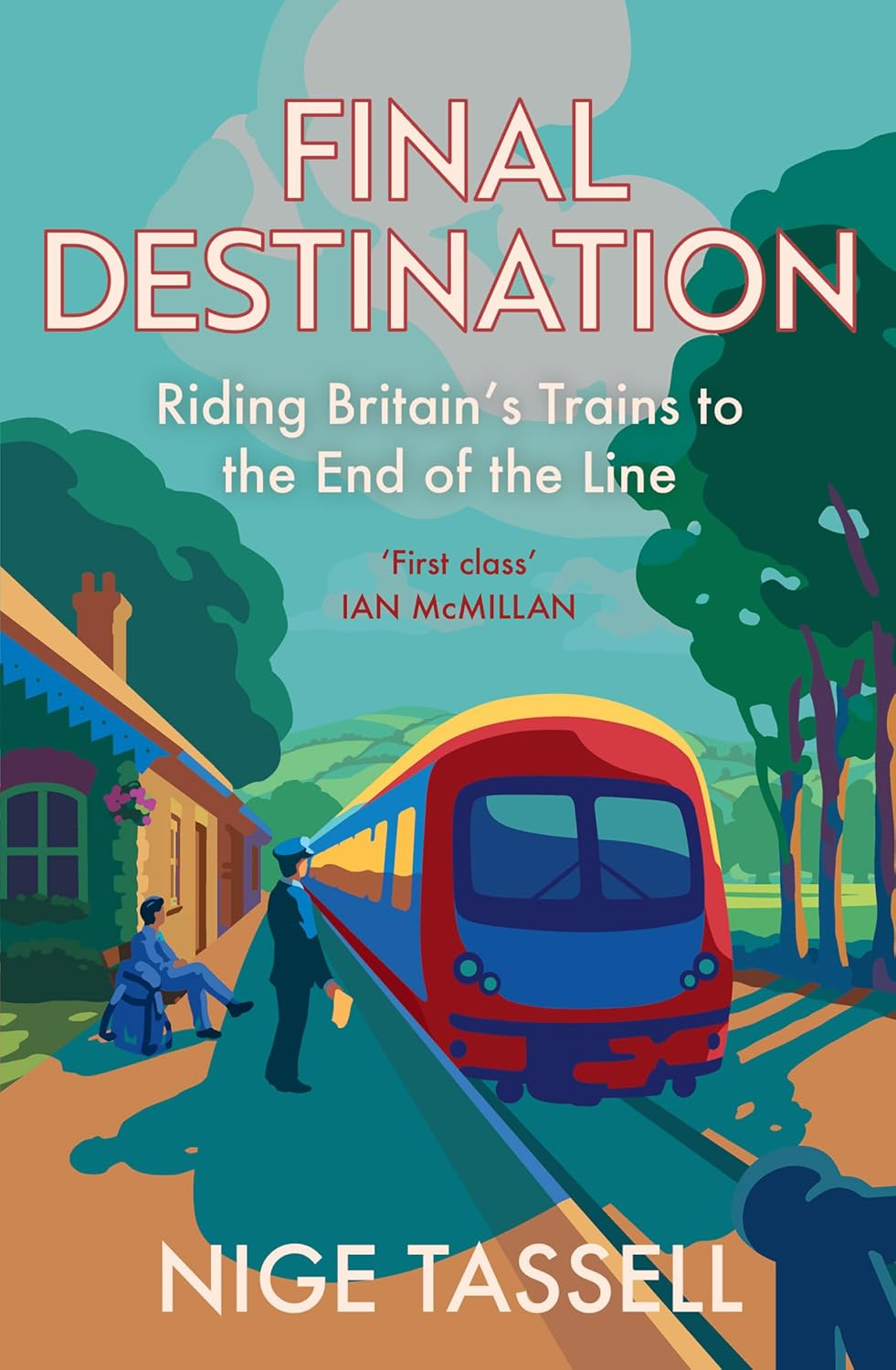
Final Destination is a book to take you on a journey to the most obscure parts of Britain, on the 200th birthday of the world’s first passenger-carrying railway. From Wick to Penzance and many places in between, he stays onboard until the end of the line!
The 16 destinations visit very different stories. From ferry ports to abandoned resorts, and from tiny hamlets to towns being reclaimed by the sea. From Alan Bennett to Nigel Farage, and from John Betjeman to Charlotte Rampling’s dad, all human life is here.