Carlisle (discover Cumbria’s ancient Roman city)
Carlisle is Cumbria’s only city, very close to the Scottish border, which means many people live or work in different countries, and you’re very likely to hear Scottish accents, if you visit!
This is a city of history – not just of Roman rule and walls, but it lies very close to Hadrian’s Wall, one of England’s most famous ancient monuments.
Out walking? Follow the Countryside Code to keep all creatures safe. Keep dogs away from steep banks, mushrooms (and other toxic plants/trees) and on leads during nesting season (and near barnyard friends and wild ponies).
At the coast, keep away from nesting birds and never walk on sand dunes. Learn how to keep dogs safe by the seaside (check beach bans before travel).
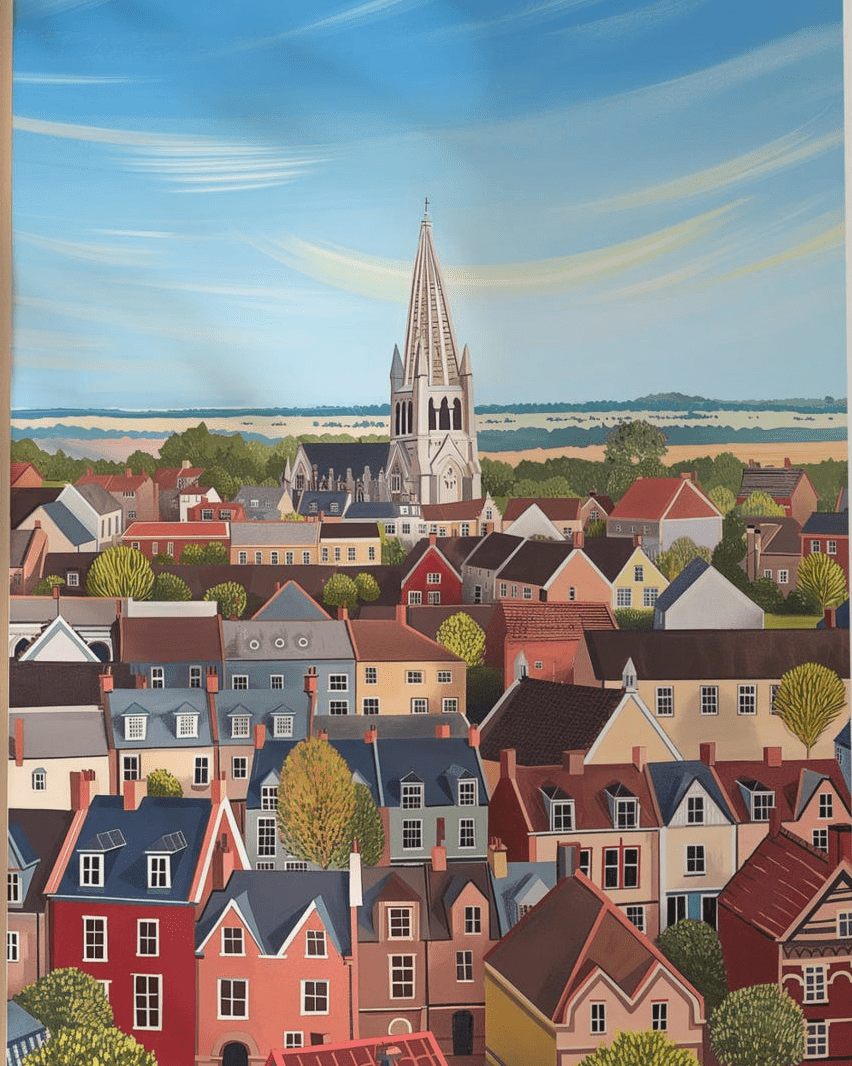
Carlisle is a very walkable city, you can easily get to the main sites (like the castle and cathedral) by foot from the main bus and train stations, and the centre is surrounded by green space and independent shops.
And of course if you fancy going a little further afield, you can pop over the border to Scotland. A lot of the place names here have Scottish roots (a bit like Northumberland, this area changed hands a lot back in the day with wars, though everyone is a lot friendlier now).
Carlisle cathedral (small and sweet!)
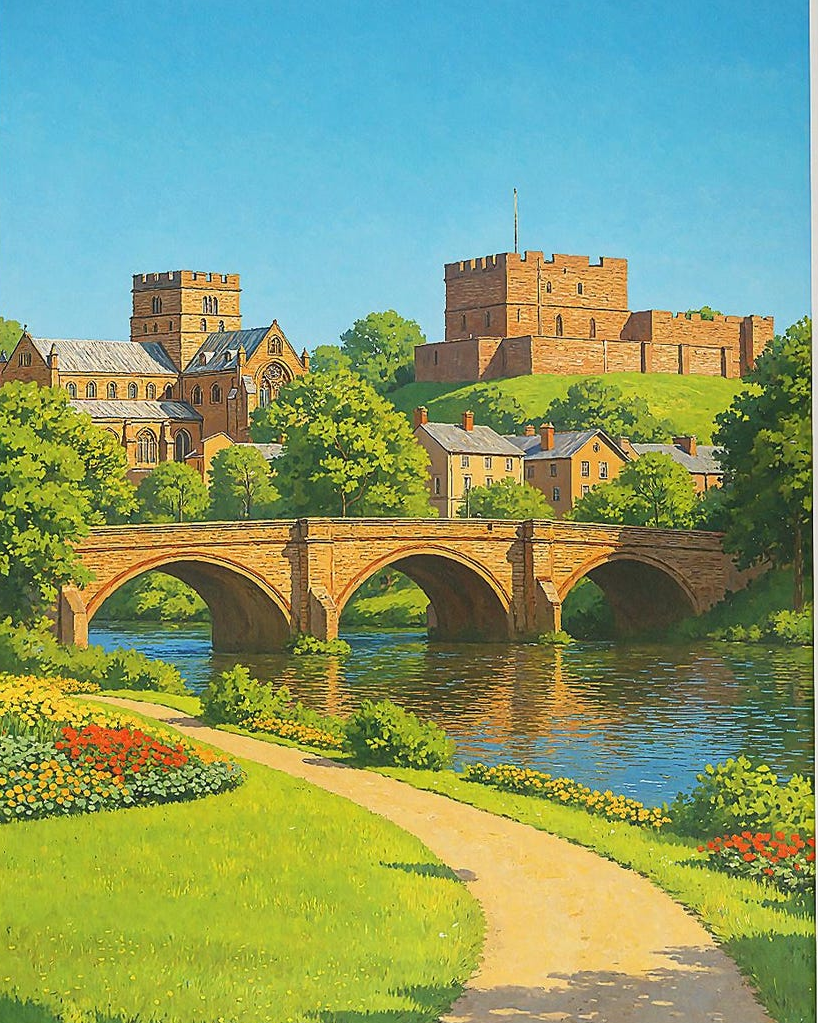
Unlike some big overwhelming cathedrals, Carlisle’s version is small and compact, and easy to explore in an hour or two. The east window and carved stonework are exquisite, and yet after exploring, you can step outside and enjoy a cuppa somewhere, as the castle is still within the main city limits.
The castle also holds a lot of history, the thick walls showing stories of defence
Hadrian’s Wall (an ancient Roman monument)
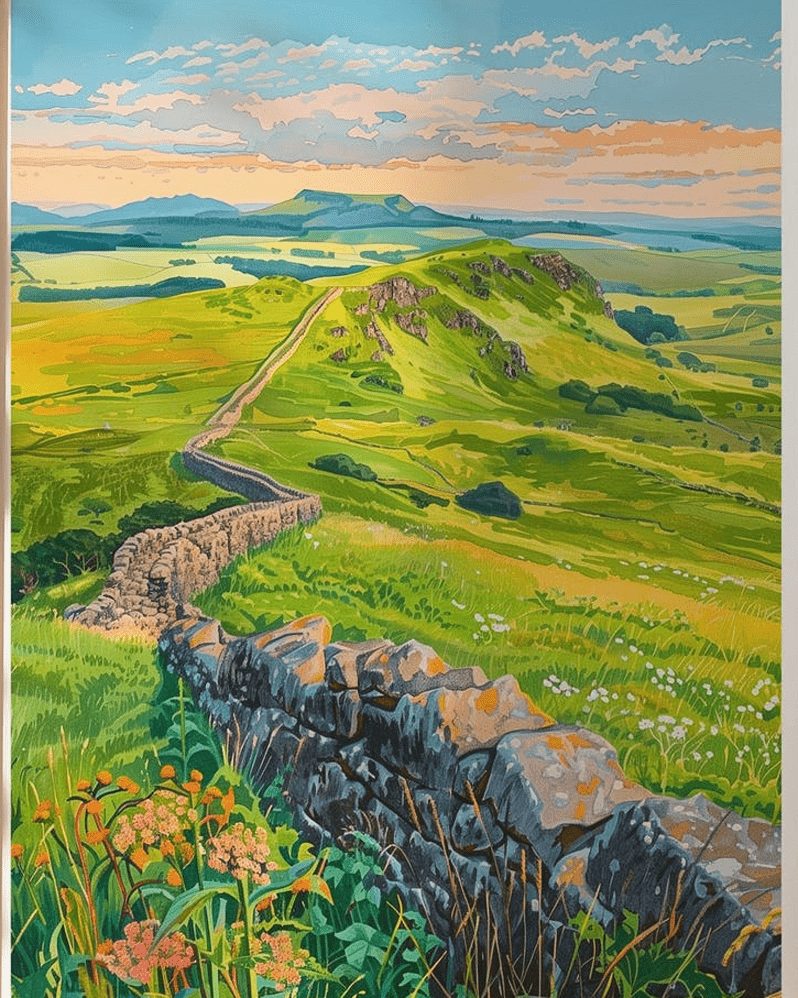
Carlisle has strong Roman roots, and one reason for this is having been under rule almost 2000 years ago, when Hadrian’s Wall (one of England’s most iconic ancient landmarks) was built as a fortress, stretching the entire coast from Cumbria to Northumberland).
The wall took 15,000 men and six years to build. Today it’s a World Heritage site and popular walking path. Archaeologists have found many human skeletons (one with a dagger between his ribs, a still-unsolved murder mystery).
Recently a shoe shop was found ruins of a fort, with soles of huge shoes (some size 13.5). Archaeologists were stumped for reasons (did builders wear extra socks or stuff winter shoes?) In the end, they concluded that it was simply that some people back then just had really big feet!
River Eden (meandering through the city)
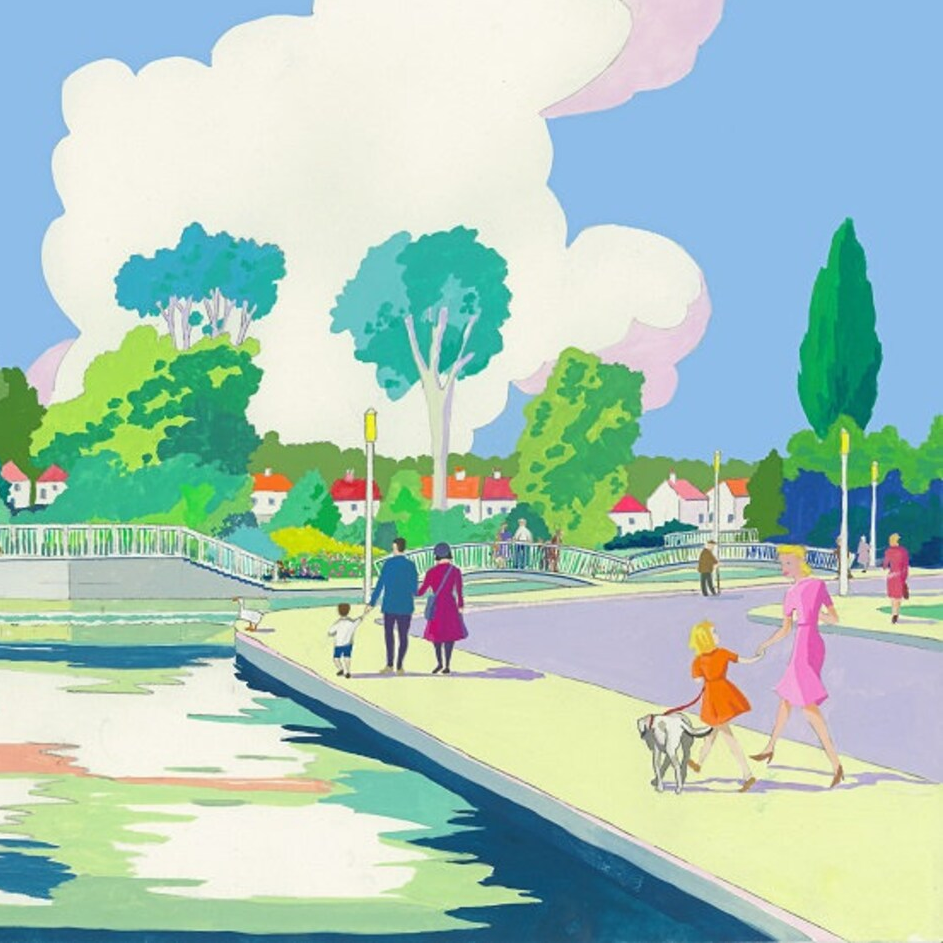
The River Eden adds space and calm to Carlisle. Even a short riverside walk can soften the noise of traffic, because the water and trees change the feel of the place. It also helps the city feel less ‘boxed in’, as it offers a natural line to follow, whether stretching your legs in the morning, or winding down later on.
Although Carlisle can be fairly urban in places, it has plenty of parks and pocket green spaces, to find grass, shade and a slower pace within a few minutes. Ideal for city dwellers and visitors, who want a bench to rest on, and a bit of fresh air to listen to the birds.
The Settle to Carlisle railway line
This is one of England’s most iconic rail journeys, which ends at a busy railway station, that then ferries passengers off to the Lake District, Borders or Scotland.
The Settle Line was built by over 6000 men in the 1870s (many lost their lives) and covers 73 miles, crossing the remote Yorkshire Dales and North Pennines, passing through Dent (England’s highest station at 1.150 feet above sea level).
Known as ‘the railway in the sky’, the 400m long Ribblehead Viaduct (with 24 stone arches) is known by everyone. The railway was built by Midland Railway to compete with the West Coast Main Line, and the signal box at Settle is now a working museum.
Penrith (a pretty town 20 minutes away)
Penrith is known as the ‘red town’, due to its sandstone buildings. Once part of Scotland, it also used to be capital of Cumbria, back in the 10th century.
Today it boasts a medieval castle ruin and many independent shops to browse around. Bonnie Prince Charlie (leader of the 1745 Jacobite rising) stayed here, and poet William Wordsworth went to school here.
Gretna Green (fancy getting married?)
Gretna Green is just over the border, a popular tourist hotspot, as it’s known as the ‘marriage capital of Britain, where people would elope to this border village to marry, back when English law required parental consent for marriages under 21).
Blacksmiths would usually officiate, sealing marriages by striking their anvil with a hammer, on the unions! Chief anvil priest Richard Rennison (also a Methodist preacher) performed over 5000 ceremonies, by the times the law changed for youngsters to marry. Many were for young couples who wanted to marry, before the men went off to serve in World War I.
Whinfell Forest nearby (red squirrels!)

Whinfell Forest gives you a woodland option near Carlisle, which matters if you want a day outside without tackling high ground. The paths and trees provide a forest canopy, with cool air. The forest is home to many endangered red squirrels.
Providing pine trees provides sanctuary, food and shelter for endangered red squirrels, which helps them build immunity and stay safe from Squirrelpox, until a vaccination comes into play. Far better than unkind culling of grey squirrels. Read more on how to help red and grey squirrels.
The Solway Coast (a different side of Cumbria)
The Solway Coast sits within reach of Carlisle, if you fancy a bit of seaside view. Find open skies, tidal flats and a different kind of light, especially on clear days. , and it offers a different side of Cumbria. Instead of peaks and busy honeypots, you get open skies, tidal flats, and a quieter kind of beauty.
At the coast, keep away from nesting birds and never walk on sand dunes. Learn how to keep dogs safe by the seaside (check beach bans before travel).
Stay on the promenade, as Solway Coast is notorious for strong tides and sinking mud. Read more on staying safe near quicksand.