Why Reptiles Matter (even if they’re scary!)
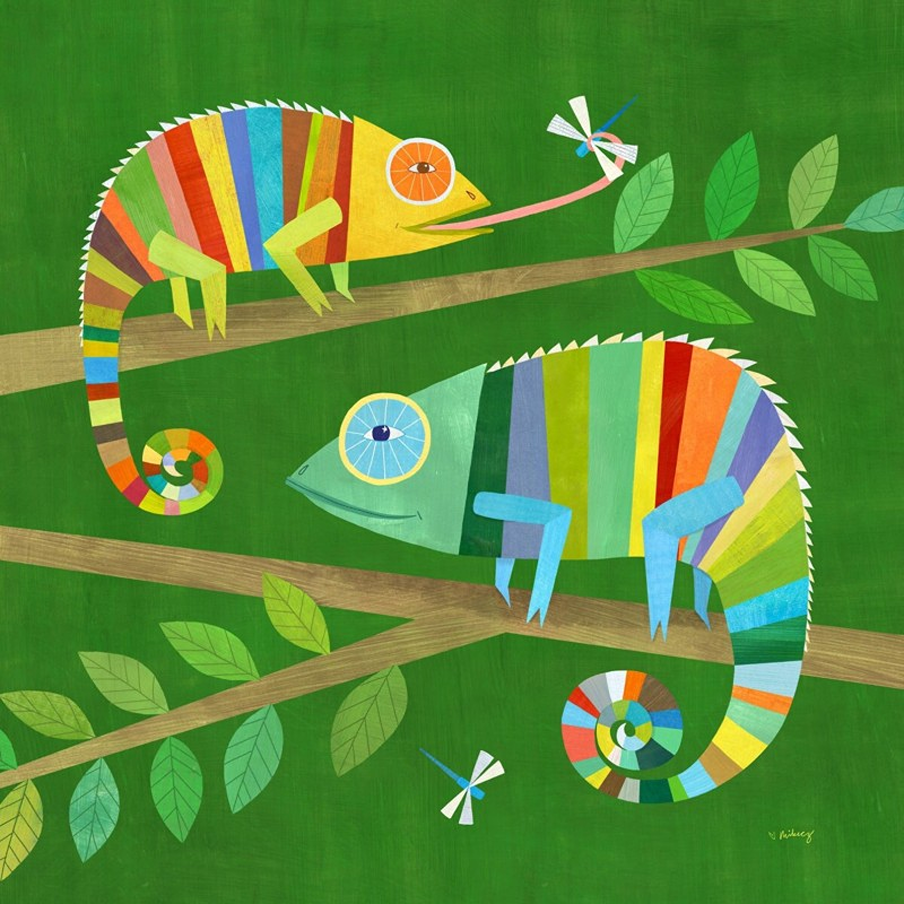
Many people are scared of reptiles (but not tortoises and turtles, as they look super-cute!) But reptiles often get a bad rap, with their slithering bodies and cold stares.
But actually all reptiles are important parts of our ecosystem, keeping nature in check. And many suffer terribly (housed in glass ‘jewellery boxes’ in zoos). Or even skinned alive for the fashion industry (a good reason to choose vegan handbags).
Most of England’s reptiles are harmless. Even poisonous adders usually won’t disturb you, unless they are disturbed.
If you find a loose snake (more likely a legless grass snake or glow worm), Amphibian & Reptile Conservation has advice and local volunteers).
Keep dogs away from adders
Dog-Friendly Cornwall has tips on when to avoid walking near basking adders (‘safe hours’ were before 9am and after 7pm).
But rising temperatures means times may change. Adder bites need emergency vet care (read more on how to avoid & treat adder bites).
Reptiles are part of the ecosystem
It would be nice if all creatures were vegetarian, but nature won’t oblige. Reptiles keep the numbers of mice, slugs and insects in check.
Grass snakes eat amphibians, and adders and smooth snakes eat small mammals. But these are nature’s hunters, so there is no need to use pesticides, if their natural habitats are maintained.
Spotting a lizard or snake in the countryside, is usually a good sign that the land is healthy. Reptiles need shelter, clean water and safe places to bask and hide. England’s reptiles then also become a meal for many birds and mammals, for an interconnected food web.
Sand lizards are also endangered due to their sandy dunes disappearing, so always keep to pathways on dune areas (like the east coast) to avoid stepping on their homes.
Reptiles need swamp habitats (not zoos)
Reptile welfare experts say housing captive snakes in ”glass jewel boxes’ is not good, as enclosures should be more like large swamps.
Here’s a list of reptiles in England, all need natural habitats protected:
- Adder
- Common frog
- Common toad
- Common lizard
- Grass snake
- Slow worm
- Smooth newt
- Great crested newt
- Palmate newt
Also read how to protect our amphibians.
Understanding reptiles (biology behaviour)
There are around 10,000 species of reptiles worldwide, including snakes, lizards, turtles, and crocodiles. Each has developed unique features to survive in their environments.
- Snakes sense vibrations through the ground
- Lizards can regenerate tails
- Crocodiles boast the most powerful jaws
- Turtles have very hardy shells
Reptiles rely on external heat to regulate body temperature. That’s why you see them basking in the sun. They need to, in order to survive.
Conservation efforts and success stories

Thankfully, many conservation initiatives are in place to protect these species. For example, India’s Project Crocodile has been instrumental in reviving crocodile populations. Sea turtle conservation efforts worldwide have seen hatchlings safely reach the sea.
Reptiles fit perfectly into food chains. They hunt and get hunted, which keeps populations steady. Snakes grab rodents, lizards snap up insects. This control stops pests from exploding. Sea turtles munch seagrass, which clears beaches for nesting birds. Crocodiles shape rivers and wetlands by digging pools. These animals signal healthy environments too. Spot fewer reptiles? Something’s wrong.
- In the UK, adders hunt mice in fields and moors. They help farmers by cutting rodent numbers. Reptiles quietly hold nature together. Without them, chaos follows.
- Snakes, lizards, and geckos eat pests non-stop. A single snake devours thousands of rodents over its life. Rats and mice carry diseases and ruin crops. Farmers save billions each year thanks to this help.
- Lizards gobble insects that spread malaria or destroy gardens. In the UK, grass snakes tackle slugs and frogs. Gardens stay healthy as a result.
Reptiles support many other species. Tortoises eat fruit and drop seeds far away. This spreads plants across landscapes. Iguanas munch leaves, which helps pollinators reach flowers. Crocodiles create water holes that fish and birds use in dry times.
These survivors offer clues about climate shifts. They adapt well over time. In the UK, sand lizards live in dunes. They trample paths that let rare plants grow. Reptiles boost life for everyone around them.
Poetry Break: ‘Snake’ by DH Lawrence

This is a beautiful poem by DH Lawrence, whose poetry was far nicer than his books, we think! Read why reptiles matter, even if they’re scary!
A snake came to my water-trough
On a hot, hot day, and I in pyjamas for the heat,
To drink there.In the deep, strange-scented shade of the great dark carob tree
I came down the steps with my pitcher
And must wait, must stand and wait, for there he was at the trough before me.He reached down from a fissure in the earth-wall in the gloom
And trailed his yellow-brown slackness soft-bellied down, over the edge of the stone trough
And rested his throat upon the stone bottom,
And where the water had dripped from the tap, in a small clearness,
He sipped with his straight mouth,
Softly drank through his straight gums, into his slack long body,
Silently.Someone was before me at my water-trough,
And I, like a second-comer, waiting.He lifted his head from his drinking, as cattle do,
And looked at me vaguely, as drinking cattle do,
And flickered his two-forked tongue from his lips, and mused a moment,
And stooped and drank a little more,
Being earth-brown, earth-golden from the burning bowels of the earth
On the day of Sicilian July, with Etna smoking.The voice of my education said to me
He must be killed,
For in Sicily the black, black snakes are innocent, the gold are venomous.And voices in me said, If you were a man
You would take a stick and break him now, and finish him off.But must I confess how I liked him,
How glad I was he had come like a guest in quiet, to drink at my water-trough
And depart peaceful, pacified, and thankless,
Into the burning bowels of this earth?Was it cowardice, that I dared not kill him?
Was it perversity, that I longed to talk to him?
Was it humility, to feel so honoured?
I felt so honoured.And yet those voices:
If you were not afraid, you would kill him!And truly I was afraid, I was most afraid
But even so, honoured still more
That he should seek my hospitality
From out the dark door of the secret earth.He drank enough
And lifted his head, dreamily, as one who has drunken,
And flickered his tongue like a forked night on the air, so black,
Seeming to lick his lips,
And looked around like a god, unseeing, into the air,
And slowly turned his head,
And slowly, very slowly, as if thrice adream,
Proceeded to draw his slow length curving round
And climb again the broken bank of my wall-face.And as he put his head into that dreadful hole,
And as he slowly drew up, snake-easing his shoulders, and entered farther,
A sort of horror, a sort of protest against his withdrawing into that horrid black hole,
Deliberately going into the blackness, and slowly drawing himself after,
Overcame me now his back was turned.I looked round, I put down my pitcher,
I picked up a clumsy log
And threw it at the water-trough with a clatter.I think it did not hit him,
But suddenly that part of him that was left behind convulsed in an undignified haste,
Writhed like lightning, and was gone
Into the black hole, the earth-lipped fissure in the wall-front,
At which, in the intense still noon, I stared with fascination.And immediately I regretted it.
I thought how paltry, how vulgar, what a mean act!
I despised myself and the voices of my accursed human education.And I thought of the albatross,
And I wished he would come back, my snake.
For he seemed to me again like a king,
Like a king in exile, uncrowned in the underworld
Now due to be crowned again.And so, I missed my chance with one of the lords Of life.
And I have something to expiate:
A pettiness.
An excerpt from Baby Tortoise
To open your tiny beak-mouth, that looks as if it would never open
Like some iron door;
To lift the upper hawk-beak from the lower base
And reach your skinny neck
And take your first bite at some dim bit of herbage,
Alone, small insect,
Tiny bright-eye,
Slow one.You draw your head forward, slowly, from your little wimple
And set forward, slow-dragging, on your four-pinned toes,
Rowing slowly forward.
Wither away, small bird?
Rather like a baby working its limbs,
Except that you make slow, ageless progress
And a baby makes none.Traveller,
With your tail tucked a little on one side
Like a gentleman in a long-skirted coat.All life carried on your shoulder,
Invincible fore-runner.