England’s Wild Rabbits (how to help them)
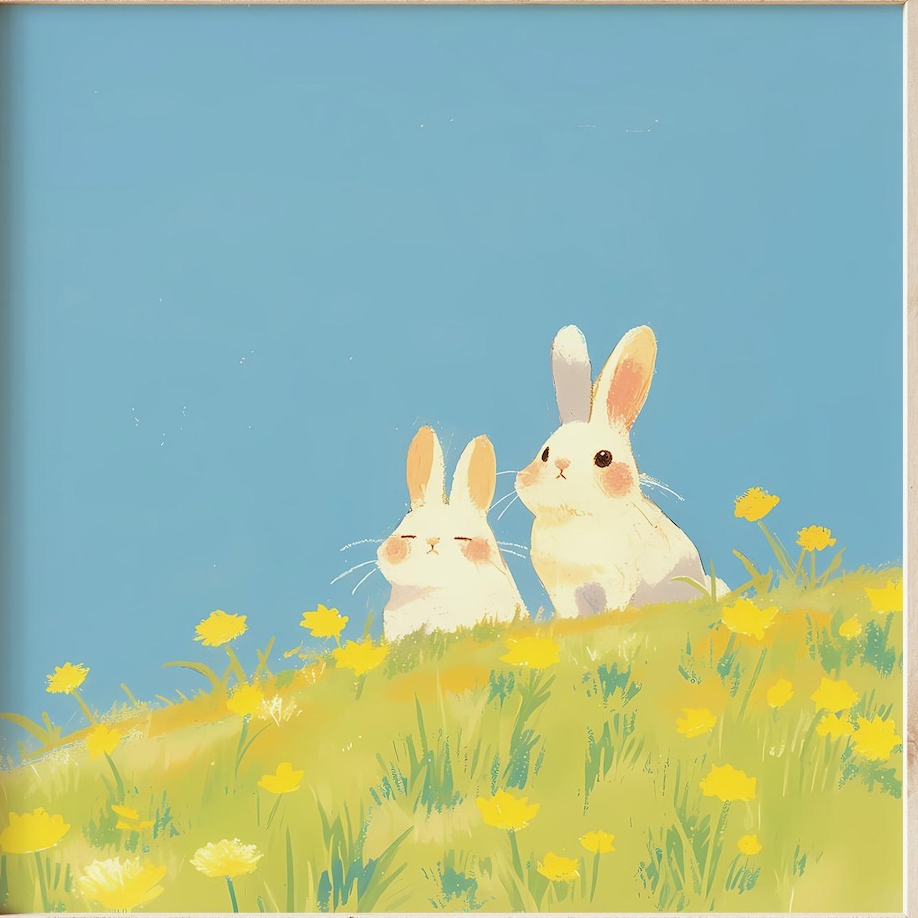
Wild rabbits live different lives to pet rabbits. For domestic rabbits, read our post on happy healthy rabbits!
Native to Spain, sadly wild rabbits were first introduced to England for food and fur. But today thankfully they just run free like hares (much taller with longer legs and ears with black stripes – rabbits live in underground burrows, unlike hares).
Rabbits live in warrens, and the females produce a litter of three to seven babies each month during the season, which means often that’s a lot of rabbits!
Numbers are kept in check naturally as rabbits have lots of natural predators (in the wild, foxes eat rabbits and rats, not contents from litter bins).
Wild rabbits are grey-brown and fluffy white tails. Most are active at dawn and dusk, and powerfully thump their hind legs, to alert of dangers. They constantly gnaw, as their teeth are constantly growing.
Rabbits need a mix of two things that seem opposite: open feeding spots and instant shelter. In the wild, that usually looks like short grass or clover to graze, with brambles, hedges, scrub, or tussocky grass nearby. They also need dry ground for burrows, because wet, flooded soil can collapse or chill young kits.
They’re mostly active at dawn and dusk (crepuscular). So, seeing rabbits in the evening on a verge or field edge is normal. On the other hand, a rabbit sitting out at midday can be a sign of trouble. Heat stress, fear, injury, or illness can make them “freeze” rather than bolt.
Kits often stay tucked away in shallow nests or grass cover, and they can look surprisingly still. That stillness can be normal. The key is to avoid constant checking, because your scent and footfall can draw attention to the spot.
Reducing everyday hazards
- Keep dogs on leads near known warrens, especially at dawn and dusk. Even a ‘friendly chase’ can kill rabbits from shock.
- If you have a large garden that wild rabbits may visit, avoid strimmers (for all wildlife) and sweep through grass before mowing, and leave bramble hedges and wild areas for cover. Avoid netting in gardens, this can trap wildlife, and sure ponds have sloping sides. And water containers are sealed.
- If you find an injured rabbit or orphaned kit, keep in a warm quiet box and call wildlife rescue.
Help wild rabbits with myxomatosis
Sadly the infectious disease myxomatosis was introduced to stop the spread of wild rabbits, but it can spread to domestic rabbits, and is an awful disease.
If you find a wild rabbit with lumps on the head and body and swelling around the lips, nose, eyes and ears (and back end) with runny eyes and pus, it’s best to cover it with a towel and place in a carrier, and take it to a vet, who can put it to sleep, at no cost to you.
How to humanely deter wild rabbits eating crops
Grazers is a Cumbria company that makes a nontoxic calcium product that makes grass unpalatable to rabbits and other creatures.
Obviously not for pet rabbits, but it’s a humane deterrent instead of shooting them, which some golf courses and farmers do, to avoid damage to crops or grass.
Just apply as instructed, and rabbits and other creatures should move to other areas. The product was created after seeing extensive rabbit damage stop after applying, which was followed by agricultural and horticultural trials.
Or you could do what no-dig gardener Charles Dowding does, and just accept that you’ll end up sharing some food with your big-footed friends:
Rabbits have discovered our home in the past three weeks. They are surprisingly tame and disinclined to be shooed away. One came up and waved through the window, while we were eating supper.