Plant-Based Catering (for schools, hospitals & nursing homes)
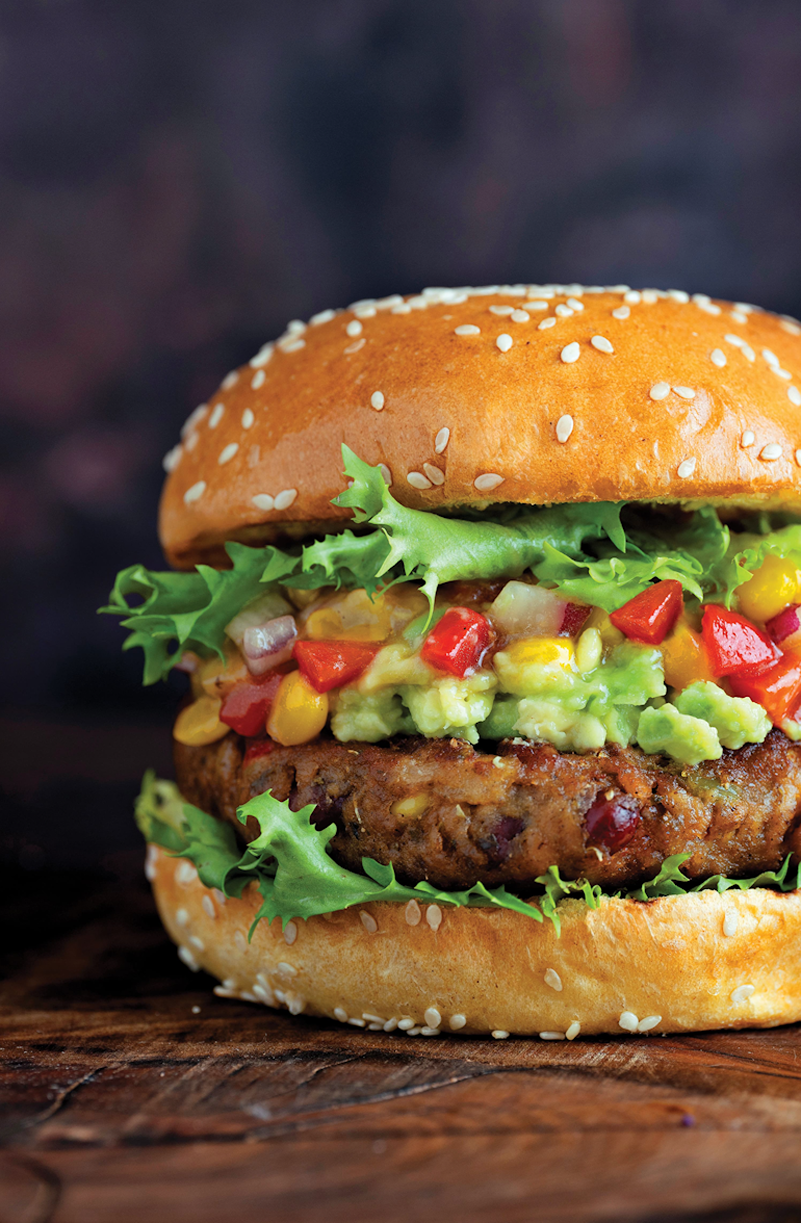
Forest Green Kitchen offers plant-based foods for schools, caterers (including hospitals) and football clubs (the company was founded by the owner of England’s first vegan football club!)
Made in Gloucestershire, the food is free from all major food allergens (and soy) and sold in compostable and recyclable packs. And contains no air-freighted ingredients. Offerings are all high in protein and include:
- Shiitake mushroom burgers
- Jamaican jerk burgers
- Spicy vegan balls
It’s far simpler to just offer good tasty plant-based food for everyone, as it covers all the bases, without having to cook different food for different people:
- It’s suitable for vegans and vegetarians
- It’s good to avoid egg/milk allergies
- Respects religious beliefs (Jews and Muslims can eat most vegan food)
- It’s cholesterol-free and animal-kind
- It’s good for the planet
- It’s often cheaper than free-range meats and dairy
Read info by dietitians on food allergens (they say the top 8 allergens of milk, eggs, soy, shellfish, fish, peanuts, tree nuts and wheat account for around 90% of all allergens, the others being mustard or sesame seeds).
Read our post on food safety for people and pets. Just bin allium scraps (onion, garlic, leeks, shallots, chives) and tomato/citrus/rhubarb scraps, as acids could harm compost creatures (they are okay to go in food waste bins, as this is made into biogas).
For tinned foods, rinse then remove lids (pop in cans) or pop ring-pulls back over holes. Pinch or flatten cans, to stop wildlife getting trapped.
Choking hazards to avoid
Choking hazards should be avoided for children and people with swallowing difficulties (and allergies). Also keep small toys off the kitchen floor where toddlers and pets could find them.
Learn how to help someone who is choking. Foods to avoid include:
- Nuts, Seeds & Nut/Seed Butters (avoid for under 5)
- Chia seeds (soak in liquid first, if used)
- Dry Bread, Crackers & Croutons
- Crumbly Foods (pies & biscuits)
- Peas, Grapes, Cherry Tomatoes, Cherries (even sliced)
- Carrot Sticks
- Sausages (slice lengthwise & again, for older children)
- Foods with Seeds (raspberries etc)
- Boiled Sweets
- Sticky Foods (some cheese, marshmallow, mochi)
- Tough Foods (steak, bacon, skin/bone/gristle)
- Stringy Foods ((beans, rhubarb)
- Floppy Foods (lettuce, cucumber, spinach)
- Chia seeds (mix with water first, if using for others)
Are school dinners any better these days?
The average UK school dinner costs around £2 to £3, and must adhere to strict nutritional standards, ensuring fresh fruits and vegetables, and all the major nutrients.
If you are on a low income, you can apply for free school meals.
Water and/or milk must be available at every meal. Some parents vegan children (and those with allergies or religious beliefs) want NHS Healthy Start Vouchers (for low incomes) to offer dairy-free milk and vegan vitamin D supplements (as well as fresh produce), as many African-American children are lactose-intolerant.
Free breakfasts for children on low incomes
Schools can apply to Magic Breakfast Club, which has been serving free school breakfasts for over 20 years. These are pretty healthy and tend to be made with easy-to-store and freeze ingredients like cereals, porridge, bagels and baked beans, along with fresh juice. All menus comply with school nutrition standards.
Veggie Meal Plans for Nursing Homes & Hospitals
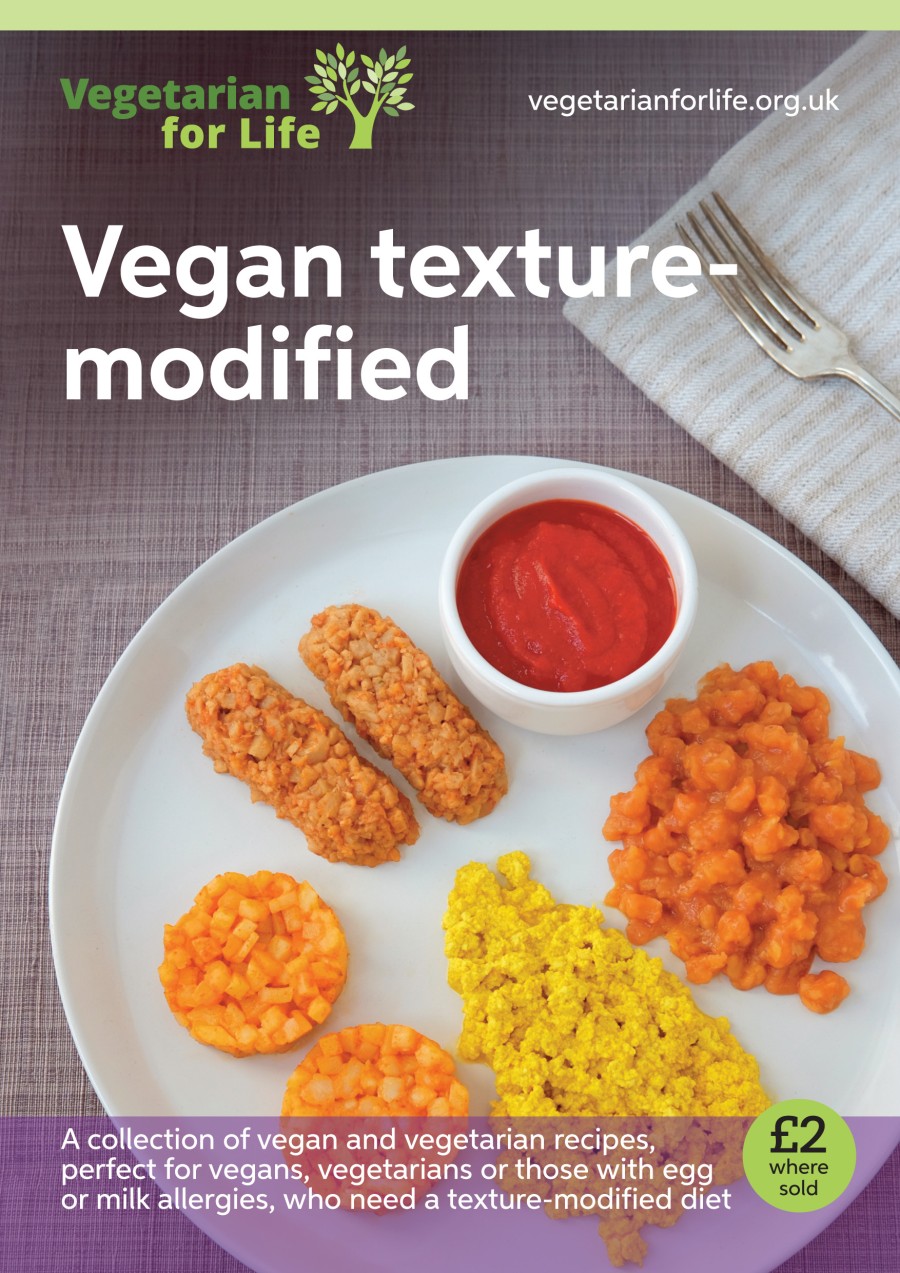
Vegetarian for Life is a charity specifically created to help serve vegans and vegetarians in care homes, hospitals or independent living facilities.
Dog-walking charity The Cinnamon Trust holds a list of pet-friendly care homes.
Often those preparing meals don’t know how to make veggie options, and it’s also obviously important to ensure that guests or patients receive the right nutrients too with their meals.
Read up on food safety for people and pets. Bin allium scraps (onion, leeks, garlic, shallots, chives) and tomato/citrus/rhubarb scraps (acids may harm compost creatures).
Fully remove tinned lids (or pop ring-pulls back over holes) before recycling, to avoid wildlife getting trapped.
The meal planners offer easy meals that most people will enjoy eating. Examples include:
- Baked potato, baked beans, date & orange salad, fresh fruit
- Lentil & spinach quiche, chips, mixed salad, stewed apple & raisins
- Tomato & basil soup, vegan lemon meringue pie
- Veggie roast, potatoes, jam sponge & custard
- Cottage pie, cabbage, yoghurt & mixed berries
- Chickpea croquettes, chips, salad, rice pudding
- Macaroni soup, bread, banana split
- Vegan ham & salad sandwiches, Victoria sponge
- Pasta bolognese, sweetcorn & beetroot salad, ginger cake
- Cauliflower cheeze, baked potato, peas, apricot blueberry crumble
- Vegan cheese & tomato sandwich, cherry cake
You can also download a free 32-page catering guide and a guide to textured foods, for vegans and vegetarians who are no longer able to eat solid food. Plus grants to help vegans live independently.
Eco-Friendly Meal Planner (and shopping list)
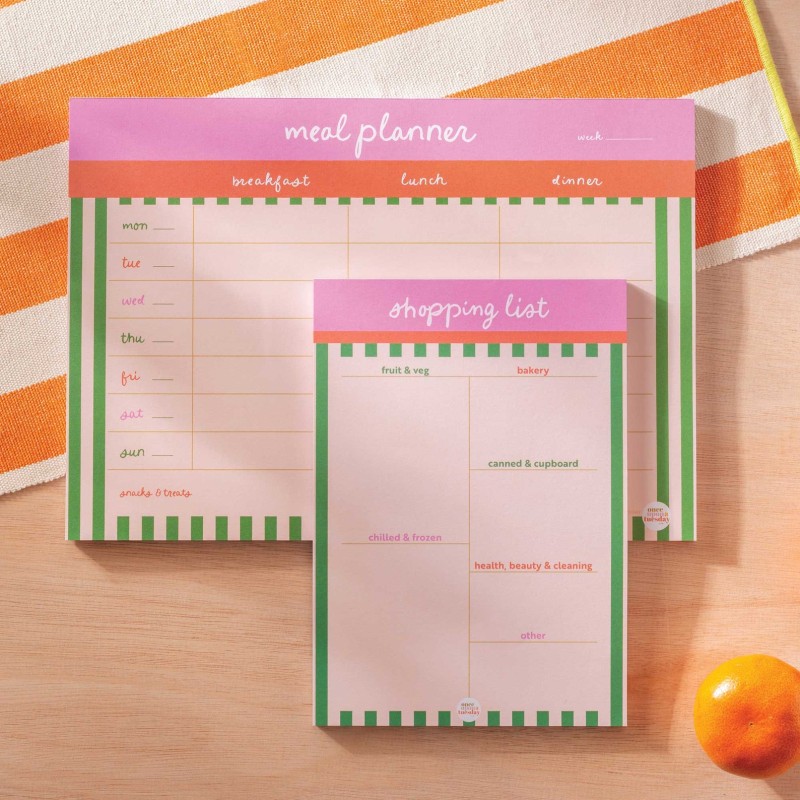
This meal planner and shopping list, is ideal if you like a list to take the grocery, especially if you run a busy household. And need to keep to a budget.
Read up on food safety for people and pets. Bin allium scraps (onion, leeks, garlic, shallots, chives) and tomato/citrus/rhubarb scraps (acids may harm compost creatures).
Fully remove tinned lids (or pop ring-pulls back over holes) before recycling, to avoid wildlife getting trapped.
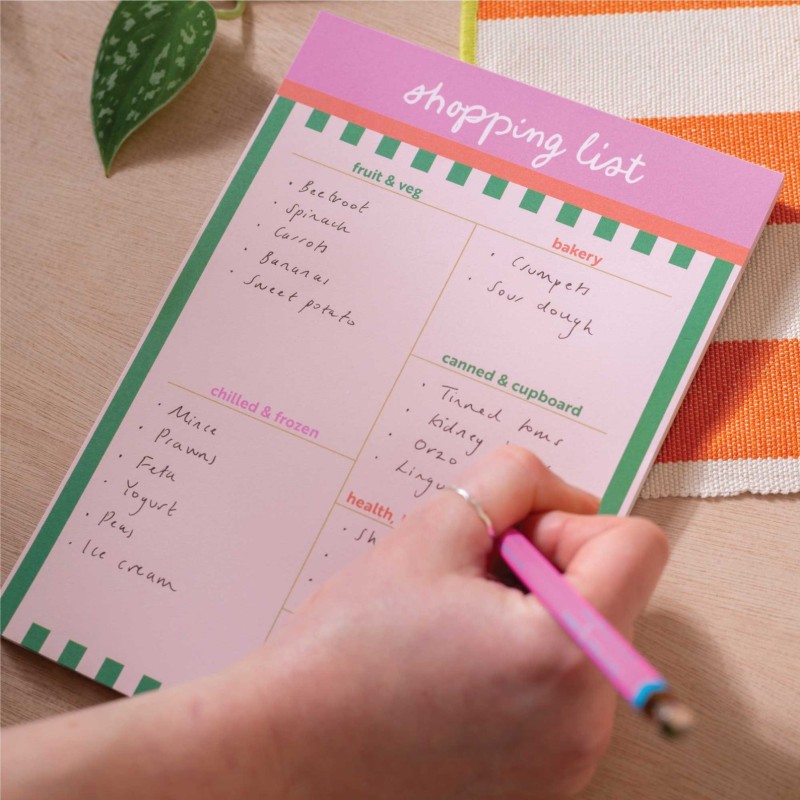
Know what you’re going to buy and make for breakfast, lunch and dinner, and find a shopping list with six sections:
- Fruits and veggies
- Bakery
- Chilled and frozen
- Canned and cupboard
- Health, beauty and cleaning
- Other
The 2 planner pads have cardboard backing, and are printed with vegetable inks.
Everything at Good Tuesday is printed on recycled paper, sent in plastic-free packaging, made in the UK and beautifully designed.
Choosing recycled paper is better than FSC-certified paper, as that still requires fast-growing trees with pesticides (instead these products ‘close the loop’ and use up unwanted waste that would otherwise end up at landfill, emitting methane gas).