Wild Treasures (encounters with Cornwall’s wildlife)
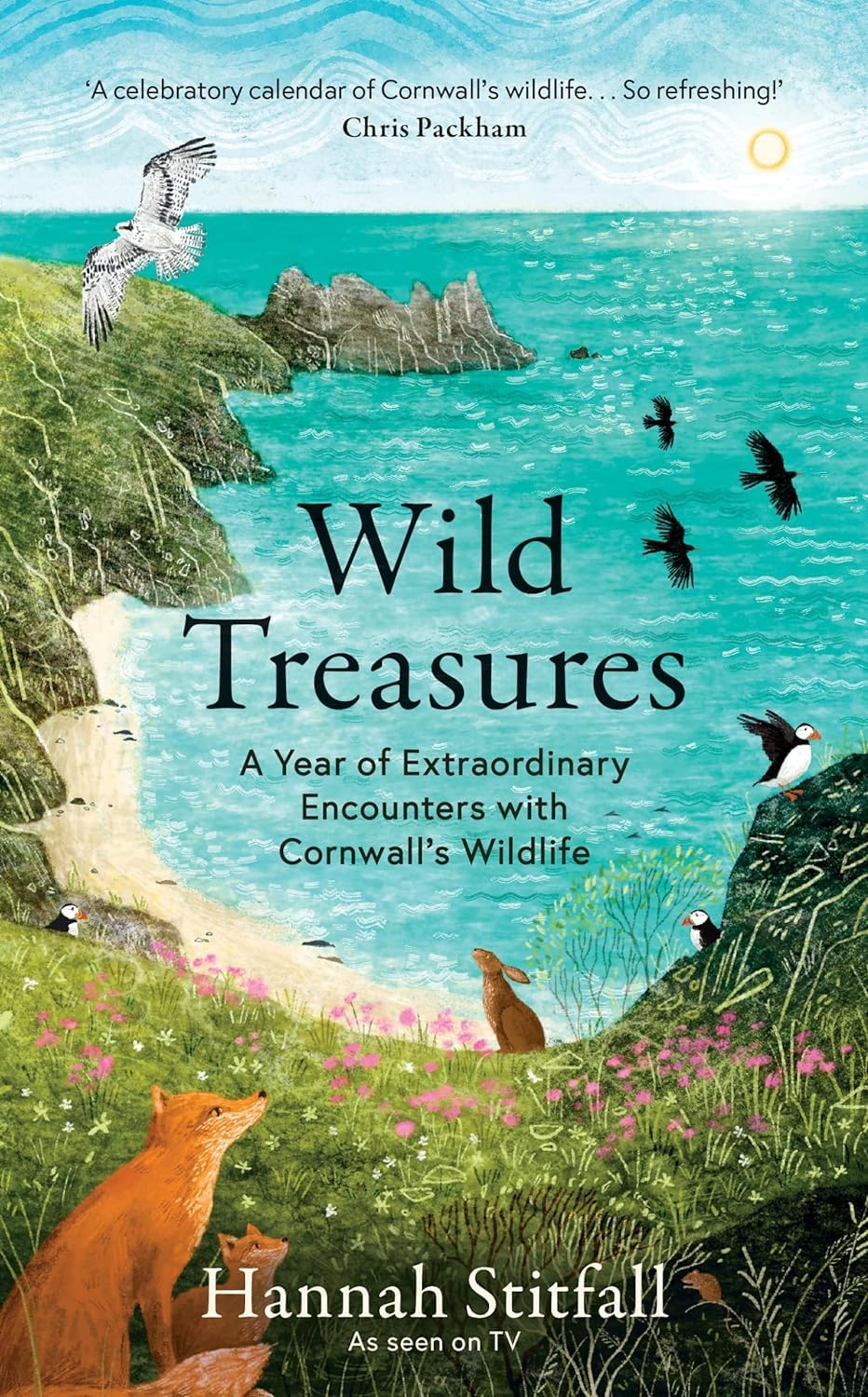
Wild Treasures is a beautiful and charming introduction to creatures and plants that can be enjoyed for anyone living or visiting Cornwall.
Hannah regularly gets up in the early hours, to catch sight Cornwall’s hidden wildlife. She will spend hours on end, waiting for a creature to appear among a hedgerow, scurrying across Cornwall’s open fields, or taking flight across its towering cliffs and sandy beaches.
In these brief moments, she is able to see and capture animal behaviour, that the general public rarely get to witness. In this book, Hannah shares her incredible stories, beautiful photographs and often funny meetings with Cornwall’s wildlife, through the course of a year.
From brown hare in the spring grass, watching an otter cub hunt in winter wetlands to witnessing the unique bioluminscence of a glow-worm in summer, this is a remarkable diary, informative guide and joyous celebration, or England’s wonderful creatures.
Hannah Stitfall is a TV presenter and wildlife expert, who leads her own seasonal wildlife-watching safaris in Cornwall. She’s a regular digital presenter on BBC Springwatch and Winterwatch.
I love the changing seasons. An old oak sheds its acorns on the forest floor, while wildflowers begin to bloom in early spring. We follow the clock of the natural world. The wildlife know this too.
The chiffchaff and the cuckoo are the first to announce the spring season as they welcome it in with their song. And the grey seal pupping season (coupled with the arrival of redwings) signify the return of the autumn and winter months.
How to help native wildlife
- Read how to how to help your wildlife rescue
- Out walking? Follow the Countryside Code to keep all creatures safe. Keep dogs away from steep banks, mushrooms (and other toxic plants/trees) and on leads during nesting season (and near barnyard friends and wild ponies).
- Only cut and prune vegetation from September to February, outside of breeding periods (to help nesting birds – it’s a crime to harm them).
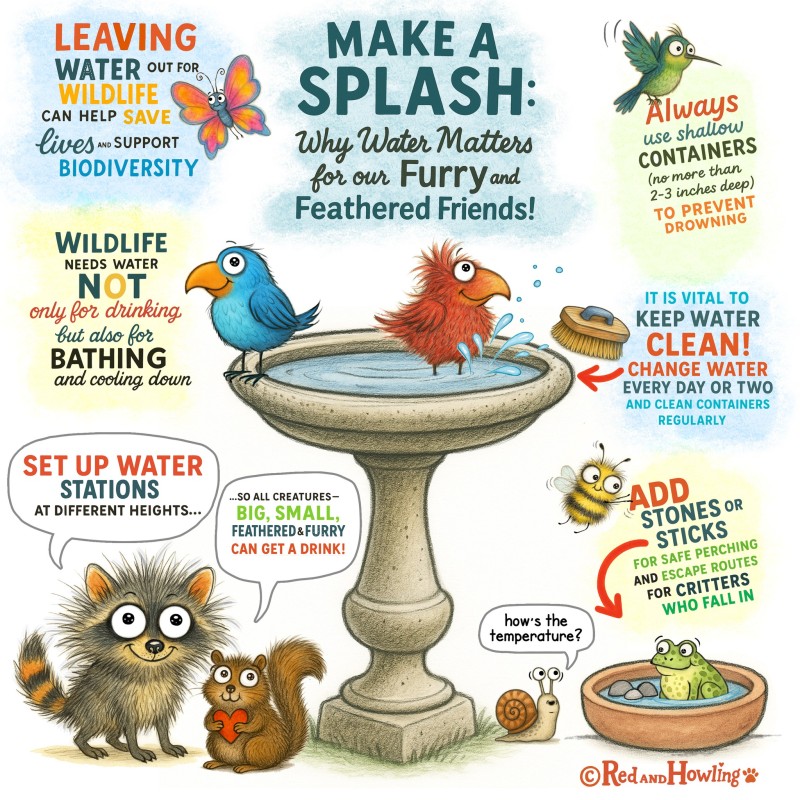
- Safe havens for garden birds (know what not to feed birds (and how to site feeders/houses/bird baths safely – clear look-outs for predators and keep cats indoors at dusk/dawn when birds are feeding – avoid ‘climbable’ poles)).
- Stop bird strike (switch off unused lights, avoid facing indoor foliage to gardens and place feeders less than 1.5 feet or more than 10 feet away).
- Read more tips on wildlife-friendly gardens
If you share your home with animal friends, learn about pet-friendly gardens (many plants and mulches are unsafe near animal friends). And use nontoxic humane slug and snail deterrents (organic gardens should take care of this by attracting birds, ladybirds, frogs and toads).