Grasmere (the loveliest spot – according to Wordsworth!)
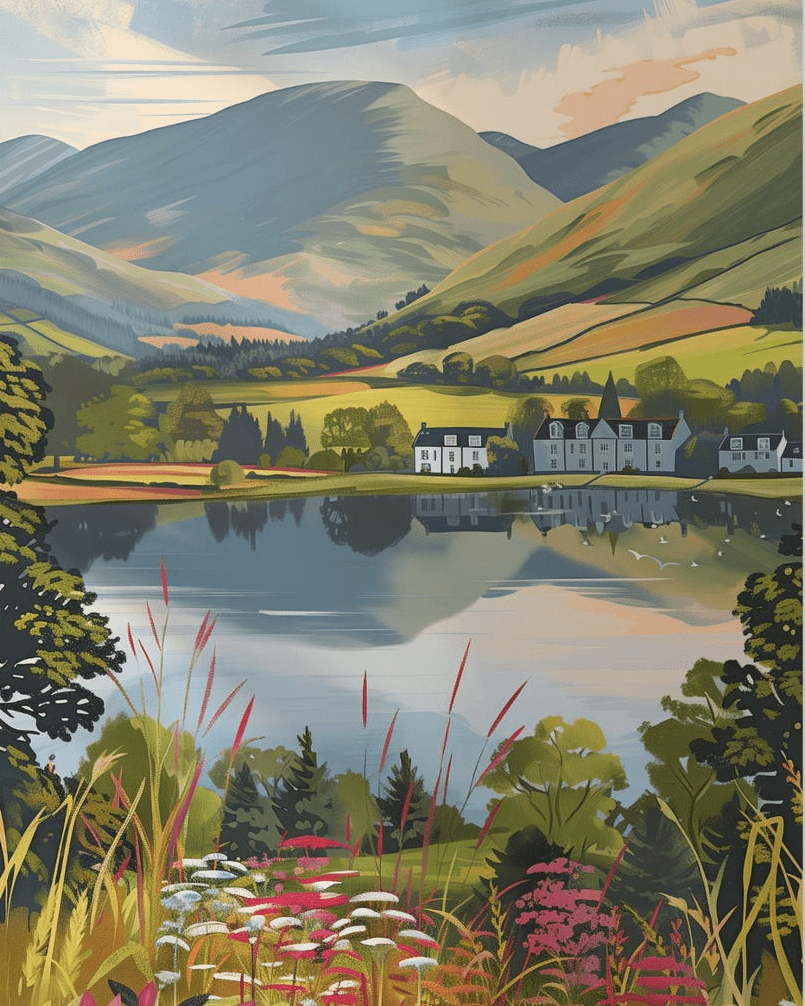
Grasmere is a pretty town in the Lake District, mostly associated as being the home of poet William Wordsworth. He lived at Dove Cottage and is also buried in the village. Famously writing:
“The most loveliest spot that man hath found”
Like so many places these days in the Lake District, it’s a beautiful village, but has become overrun with over-tourism in summer months. You are hard-pressed to find any business that doesn’t play on the Wordsworth connection. And just as William was against a railway station in Windermere (frightened it would lead to an influx of tourists), he likely would feel the same about his own home village.
Did you know daffodils (like all bulbs) are unsafe near animals (dogs, cats, rabbits, guinea pigs, horses, livestock?)
Always follow the Countryside Code to keep all creatures safe. Keep dogs away from steep banks, mushrooms (and toxic plants/trees) and on leads near birds, barnyard friends and wild ponies.
If at the nearby coast, keep away from nesting birds and never walk on sand dunes. Learn how to keep dogs safe by the seaside (check beach bans before travel).
How to upright an overturned sheep
Pregnant sheep (and sometimes due to wool waterlogged from rain) can sometimes roll over onto their backs, and can’t get back upright, due to having four stomach chambers (so will die if not turned back upright).
If you see a sheep on its back, just firmly right it back, then stay with it, until rain has drained off, so it won’t happen again. Then inform your local farmer.
Rydal Mount (the other home of Wordsworth)
Just up the road is Rydal Mount, another home of Wordsworth (where he lived until he died age 80 in 1850) which glorious views over Lake Windemere and the surrounding fells. While Lake Grasmere is actually one of Cumbria’s smallest.
Unlike most writers’ homes, this is not owned by the National Trust but still by his family (so uniquely you don’t have to pay to visit the gardens, it’s free though donations are welcomed for upkeep).
Wordsworth designed the layout of these gardens himself, so he had a nice view while writing! As well as a poet, he was a keen landscape gardener.
Grasmere’s quaker history
Other things to love about Grasmere are the slate-roof buildings and there is even a nice little Quaker guesthouse (if you know your Quaker history, you’ll know that the Quaker movement was founded just up the road by George Fox in Ulverston.
He married the local judge’s daughter (a widow with several children) and they hardly saw each other, as one or the other was often in prison at any one time, for their peaceful yet radical beliefs.

The pretty town of Grasmere houses the former home and burial place of William Wordsworth, one of England’s most celebrated poets, writing about daffodils.
It is a bit over-commercialised now (you can imagine – like Stratford-upon-Avon with Shakespeare, everything is ‘linked’ to Wordsworth for tourism income).
Did you know daffodils (like all bulbs) are unsafe near animals (dogs, cats, rabbits, guinea pigs, horses, livestock?)
Rydal Mount (the other home of Wordsworth)
Just up the road is Rydal Mount, another home of Wordsworth (where he lived until he died age 80 in 1850) which glorious views over Lake Windemere and the surrounding fells. While Lake Grasmere is actually one of Cumbria’s smallest.
Unlike most writers’ homes, this is not owned by the National Trust but still by his family (so uniquely you don’t have to pay to visit the gardens, it’s free though donations are welcomed for upkeep).
Wordsworth designed the layout of these gardens himself, so he had a nice view while writing! As well as a poet, he was a keen landscape gardener.
Hawkshead (where Wordsworth went to school)
Poet William Wordsworth attended school in Hawkshead. His old grammar school is now a small museum, it had to close when student numbers dwindled to just six. Wordsworth’s favourite teacher William Taylor (who taught poetry) died just age 32, from TB
A previous headmaster caused controversy after he had ‘got with a child’ with the local servant girl, and was brought before magistrates. He was still allowed to teach, to the dismay of local residents.
I Wandered Lonely as a Cloud
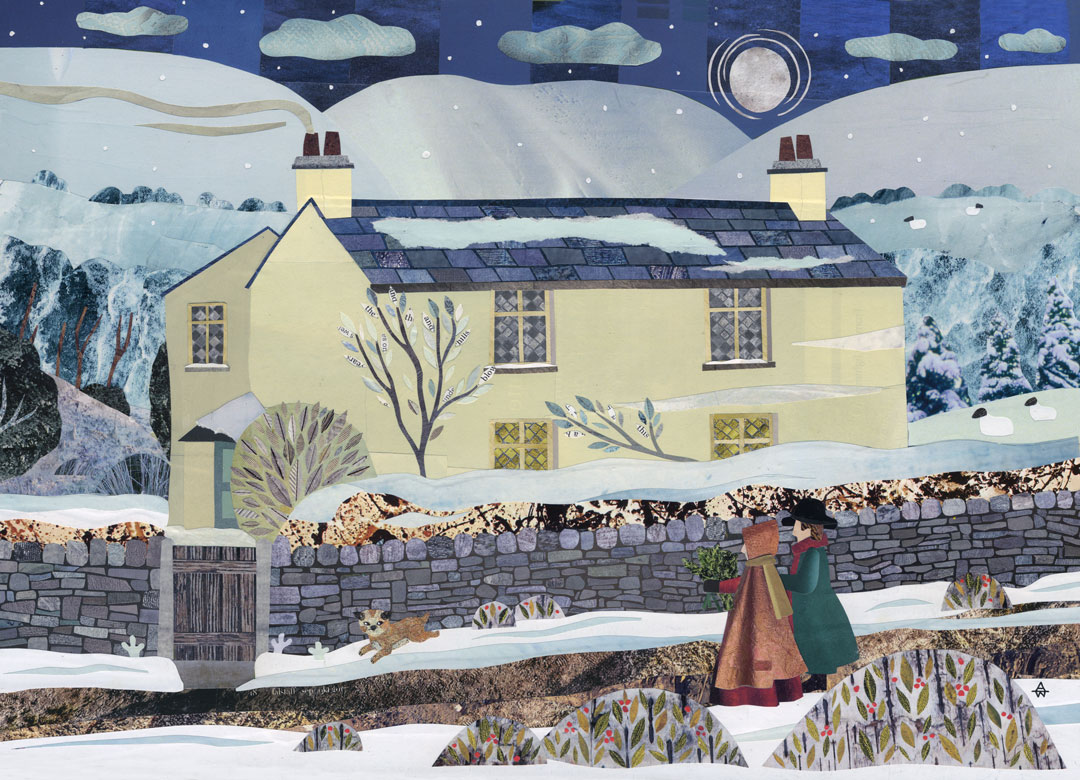
This is Wordsworth’s best-known poem. Here’s a quick excerpt.
I wandered lonely as a cloud
That floats on high o’er vales and hills,
When all at once I saw a crowd,
A host of golden daffodils;
Beside the lake, beneath the trees,
Fluttering and dancing in the breeze.
One Woman’s Healing Connection to the Lakes
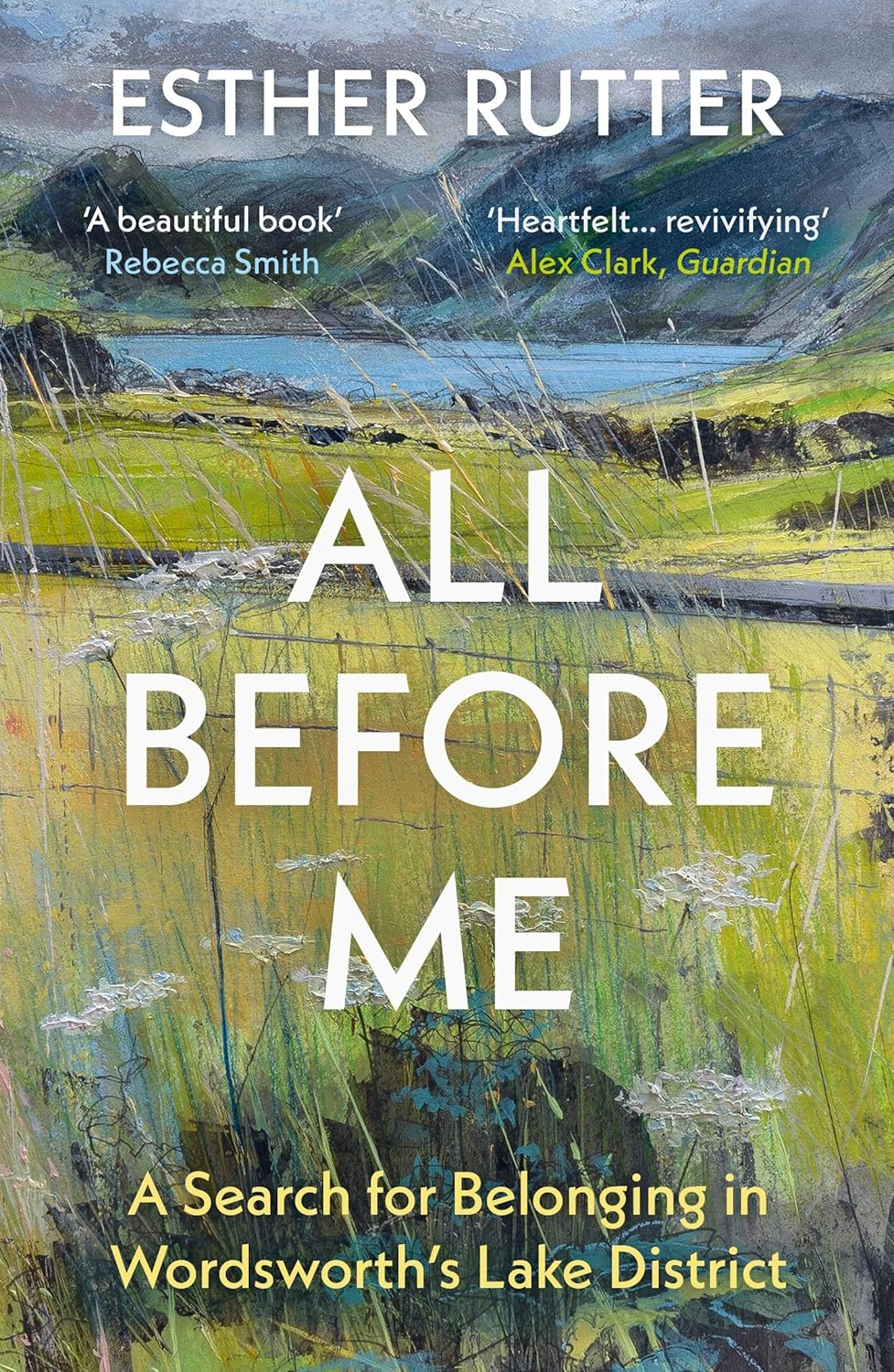
All Before Me is a very interesting and unique account, of how the Lake District helped to heal one woman from a serious mental breakdown.
While teaching in her early 20s in Japan, she suffered an acute breakdown, and was even section in a Japanese psychiatric institution, until she could be flown home under escort.
Back in England, Esther (though originally from Suffolk) was offered the chance to live and work at Dove Cottage in the lake District, the home of William Wordsworth and his sister Dorothy.
It was here that she began to heal. In the lives and writings of these literary siblings, she found an approach to living a life of peace and meaning, and also made lifelong bonds of friendship – and eventually love.
This book is a moving and absorbing account of the struggle to know oneself, and is intertwined with stories of the Wordsworth home and history.
Esther Rutter is a writer from Suffolk, who now lives in Scotland. She has previously worked at the Wordsworth Trust and Robert Burns Birthplace Museum. She also works as a scriptwriter and appears on BBC Radio 4’s Woman’s Hour.
Dorothy Wordsworth (an equally good writing sister!)
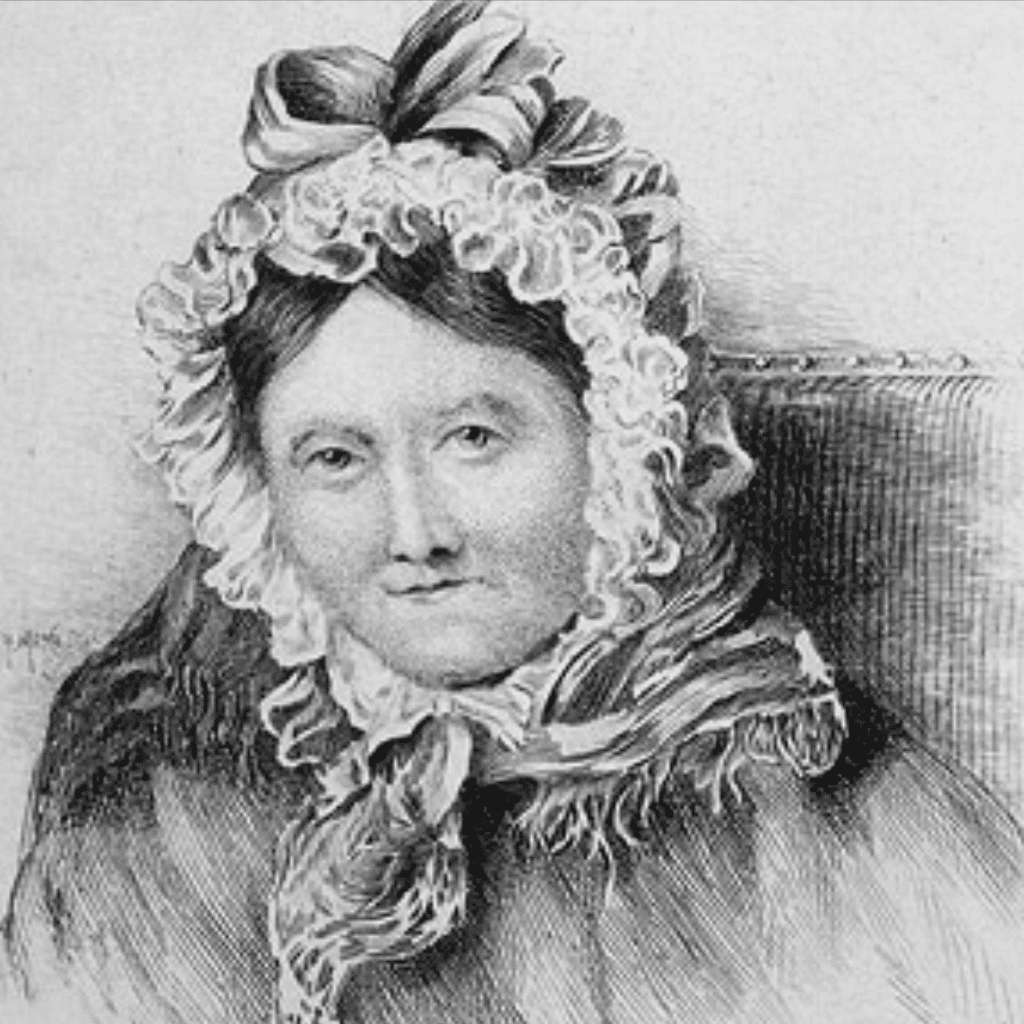
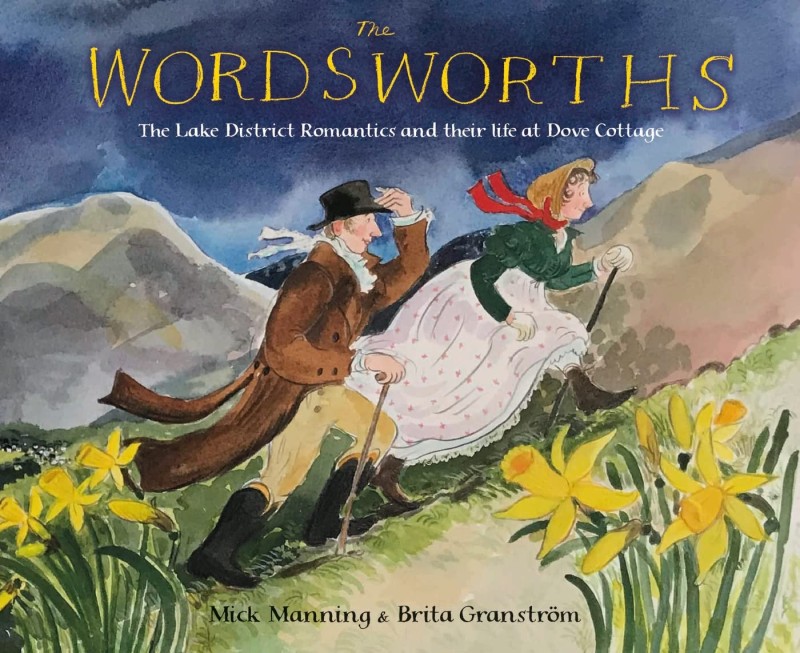
We’ve all heard of William Wordsworth , but his sister was also a wonderful writer and passionate about the natural world in the Lake District, where they both lived. She and a fellow writer back in the day were involved in protests, against the round house built on the Lake District’s largest island of Belle Isle. Calling it ‘a beautiful spot that is now ‘deformed by man’ and resembling a tea canister!
The two siblings were close all their lives, and although Dorothy had no ambition to be a public writer, when she died her poems, diaries and letters were found. Born in Cockermouth, she spent a good portion of her childhood in Yorkshire, where she was sent to live and educate, after the death of their mother.
She then returned to Cumbria, where she lived in Penrith, and again was near her siblings. Eventually after a period living in Dorset, they settled at Dove Cottage, the house in Grasmere now frequented by tourists in the Lake District.
They later moved to Rydal Mount, where Dorothy lived for the rest of her life (she enjoyed walking and even climbed Scafell Pike with a friend, writing about the experience, which inspired her to tour Scottish islands and the European alps.
When she became ill, Dorothy was cared for by her brother and sister-in-law and others, although he died five years before her. She lies buried in the Grasmere churchyard, alongside her beloved brother.
William was inspired by Dorothy’s diaries
It’s now known that William’s most famous poem, was inspired by his sister’s diary entries on daffodils:
I never saw daffodils so beautiful they grew among the mossy stones about and about them. Some rested their heads upon these stones as on a pillow for weariness and the rest tossed and reeled and danced and seemed as if they verily laughed with the wind that blew upon them over the lake.
Did you know daffodils (like all bulbs) are unsafe near animals (dogs, cats, rabbits, guinea pigs, horses, livestock?)