How to Upright an Overturned Sheep (and why)
Pregnant sheep (and sometimes due to wool waterlogged from rain) can sometimes roll over onto their backs, and can’t get back upright, due to having four stomach chambers (so will die if not turned back upright).
If you see a sheep on its back, just firmly right it back (simple video), then stay with it, until rain has drained off, so it won’t happen again. Then inform your local farmer.
Obviously inform the farmer if nearby. But sometimes (especially on large farms), there may not be one nearby. So grab a handful of wool on the sheep’s side and gently roll them away from you (to avoid being kicked by the sheep who will have no idea that you are trying to help).
Most sheep will be wobbly or have pins and needles, so support them for a while until regain balance. Then ensure it is no at risk from falling over again (such as heavy rain still on the coat, wait until it has drained away from them being upright).
Obviously if you are out walking with a dog, keep him or her far away to avoid stress.
Why it’s important to upright overturned sheep
A sheep on its back is known as ‘cast’, and can die within 24 hours, if a farmer is not close by to turn it back upright. Sheep are ruminants and cannot physically function in an inverted position.
As long wet fleeces weight up to 25% of a sheep’s body weight, in heavy rain (or sometimes pregnancy), it means it’s not possible for the sheep to roll back over by itself.
Also when upside down, the sheep’s largest stomach chamber continues to ferment grass, and as sheep cannot belch, this can put pressure on the lungs and heart. The weight of the internal organs can also crush blood vessels, and cut off circulation. Sheep in this position cannot also not run off from crows or foxes.
So if you are out walking and see a sheep on its back, that’s why it’s really important to know how to turn it upright, so it can run off and join its flock.
England’s sheep friends
Sheep have been part of the English landscape for thousands of years. We have around 30 million sheep and lambs. They are not stupid, they are intelligent and social animals that play a key role in maintaining biodiversity, but face serious welfare issues in modern farming.
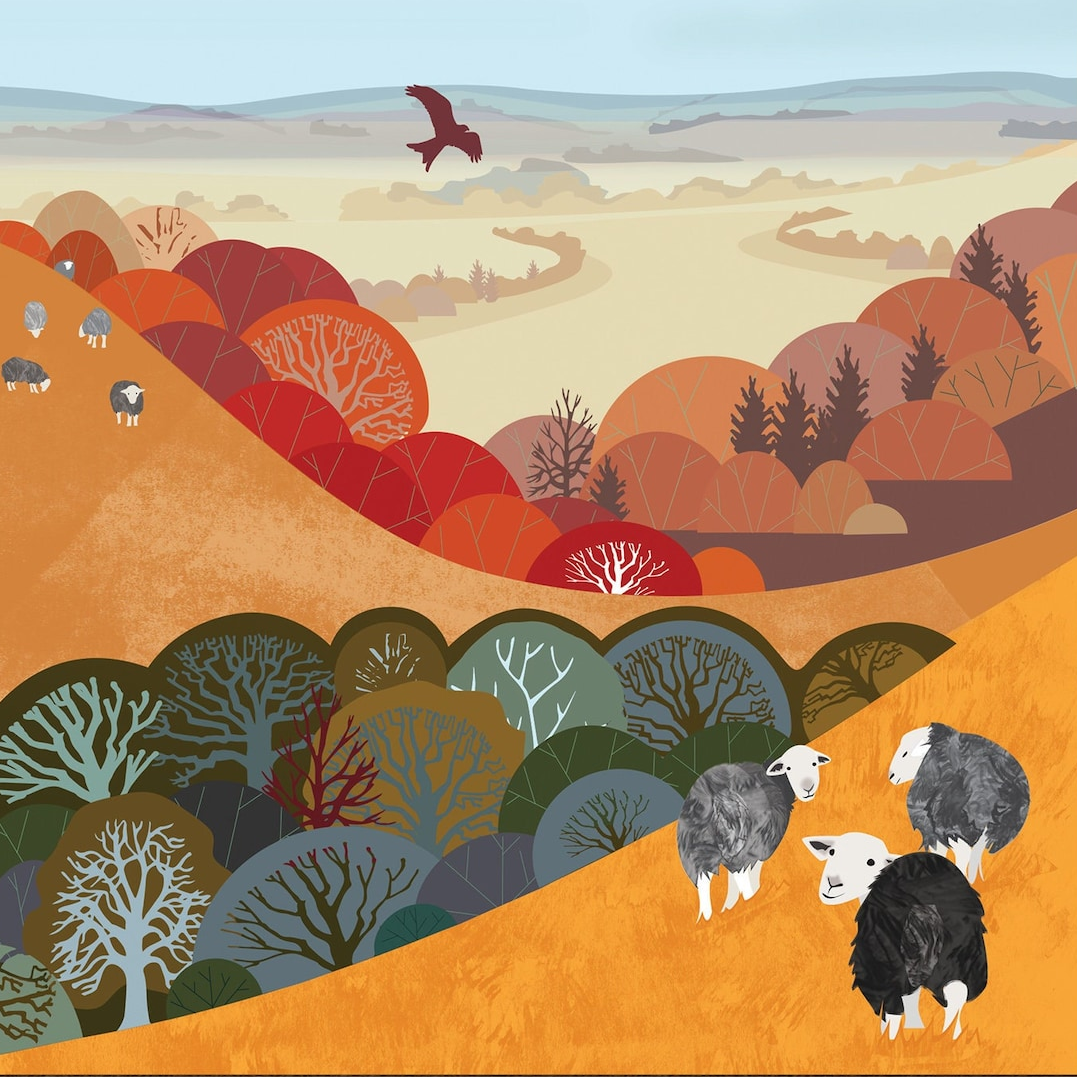
Depending on where you live or visit, will depend on the kind of sheep you see. In Cumbria, you’ll come across hardy Herdwick sheep and there are many other breeds nationwide like Swaledale. Unlike cows, sheep won’t approach to say hello, as with rectangular pupils to give vision to spot predators without turning their heads, they see you a mile off!