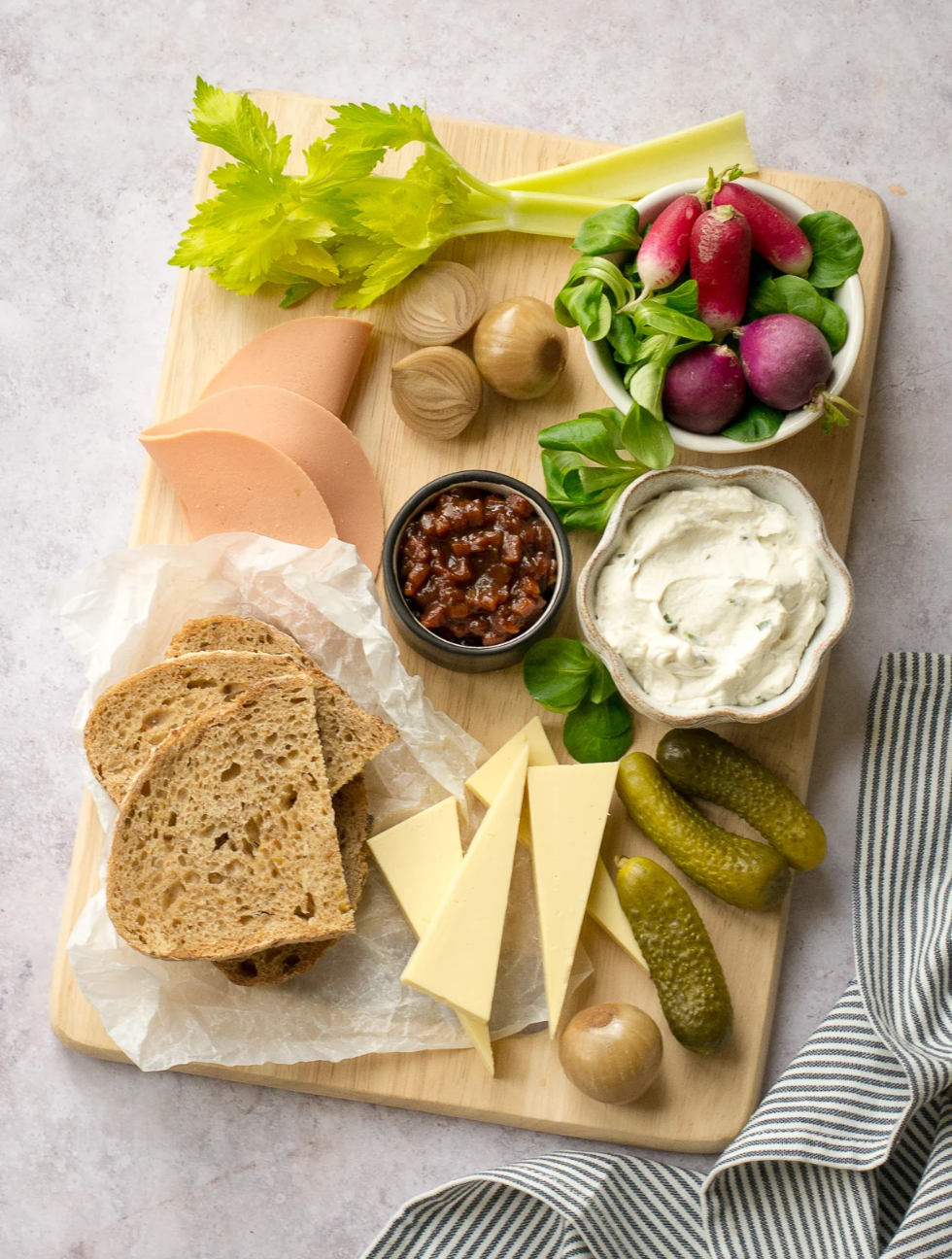
Plant-Based Calcium (you don’t need dairy for strong bones)
You would think from the media and dairy companies that if you gave up drinking dairy milk, your bones would crumble away and you would fall over. Not so. Many cultures drink no or little dairy (in fact, it’s the dairy-guzzling nations like the UK, USA and Scandinavian ones that get osteoporosis, due to lack of exercise and more dairy.
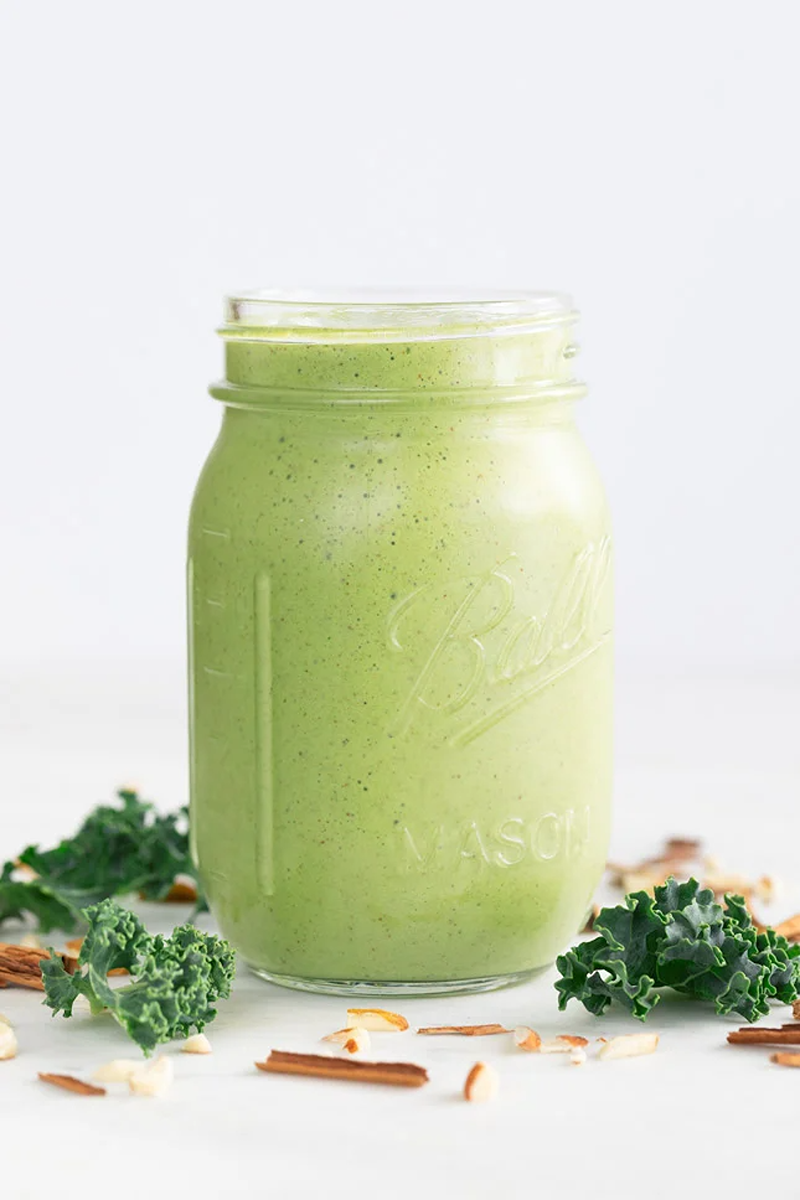
Kale is high in calcium (it’s not the favourite vegetable of many, but easy to mix with sweeter veggies, or blend with banana (and optional sweet fruits like pineapple) in a kale smoothie).
Check medication before consuming lots of leafy greens, due to vitamin K interaction.
Dairy does give calcium, but it also acidifies bones, which means bones release calcium to compensate. This is why the countries that drink the most milk get worse bones, than those that don’t. If we need dairy, why do Asian women have stronger bones than us?
Many people of African descents are also lactose-intolerant, which is why there are calls for NHS Healthy Start to offer something other than vouchers for dairy milk for children in low-income families.
Of course there are vested interests. And in a country of 60 million people, we simply don’t have enough land for everyone to drink milk from free-range cows, which means most milk is coming from factory farms.
How to get calcium, without dairy milk
It’s pretty easy. The highest sources are dark green leafy veggies (check medication due to vitamin K interaction). That doesn’t mean you can’t have a bit of broccoli, just don’t chug down smoothies made with a ton of spinach!
Figs are also high in calcium, as are beans, peas, pulses, nuts and seeds. And if you eat vitamin C rich foods, these help the body to absorb calcium well. Smoking does the opposite. Regular weight-bearing exercise is also a great way to keep bones strong and healthy. You can even buy calcium-fortified foods like tofu.
So in short, if you follow a well-balanced diet and healthy lifestyle, you should have no problems at all getting your calcium intake.
Three Good Non-Dairy Vegan Cookbooks
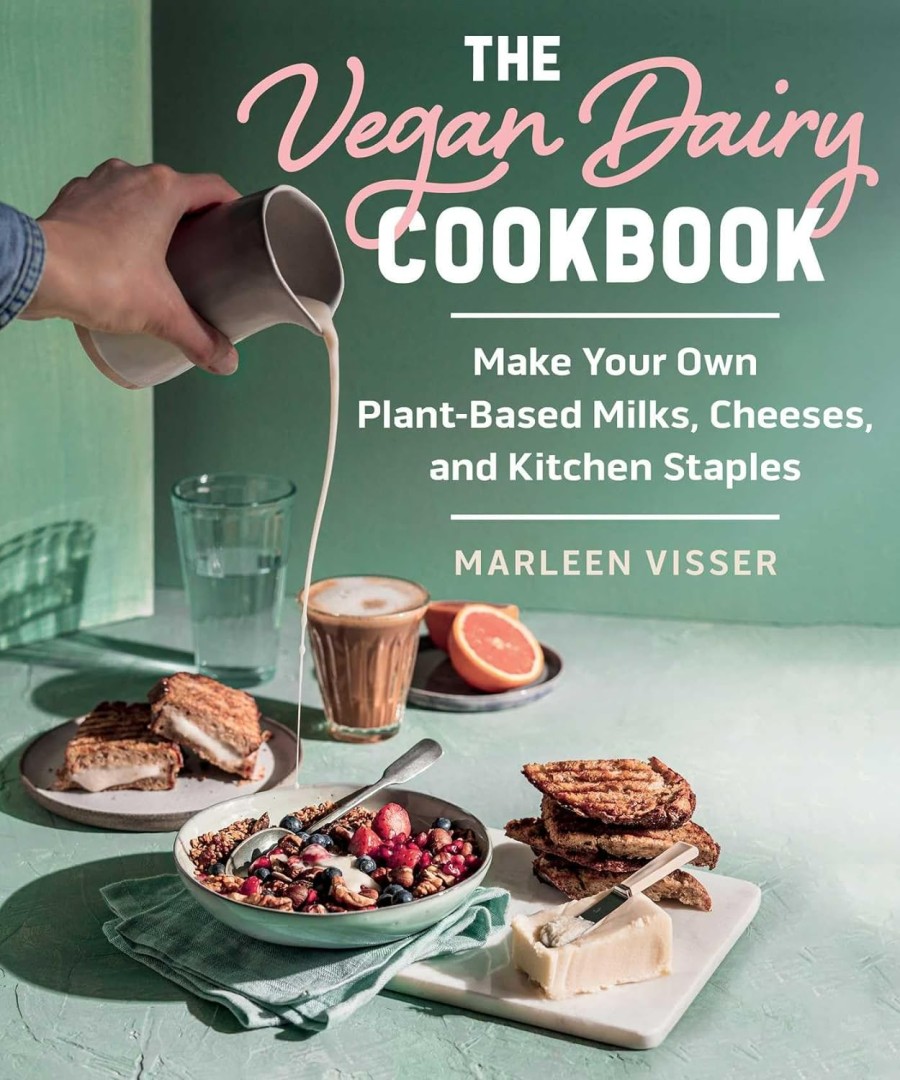
The Vegan Dairy Cookbook is a book of homemade plant-based alternatives to milks and cheeses. Ideal for people who avoid dairy for ethical or medical reasons, these recipes taste just as good as the real thing (if not better!)
Avoid unpasteurised milks and cheeses for pregnancy/nursing, children and weak immunity.
Before cooking, read up on food safety for people and pets (many foods are unsafe near animal friends). Bin allium scraps (onion, leeks, garlic, shallots, chives) and citrus/tomato/rhubarb scraps, as acids could harm compost creatures. It’s okay to put them in food waste bins (made into biogas).
For tinned foods, fully remove lids (put inside) or pop ring-pulls back over holes (and pinch top opening closed) before recycling, to avoid wildlife getting trapped.
The book includes info on safe sterilising, then goes onto providing recipes, which include:
- Homemade Plant Milks
- Homemade Vegan Cheese
- Homemade Vegan Cream Cheese
- Homemade Vegan Mayonnaise
- Homemade Vegan Béchamel Sauce
- Homemade Vegan Ice Cream
Marleen Visser is a food stylist and photographer, who likes to create vegan recipes, for everyone to enjoy. She lives in The Netherlands.

Breaking Up with Dairy is a highly-reviewed book of 100 plant-based recipes by an American chef. The book also features the ‘5 stages of breaking up’, to learn about dairy from a health, environmental and animal welfare perspective.
Recipes include:
- Parmesan & Gorgonzola (‘real ones’ are not even vegetarian, as both contain calf rennet)
- Pepper-Jack & Young Gruyere Cheese
- Baked Truffle Mac
- Breakfast Pizza with Hollandaise
- New York Spelt Bagels with Roast Garlic Cream Cheese
- Mini Quiches
- High-Protein Cottage Cheese
There are colour photos of each recipe, plus swaps to make each recipe allergy-friendly. No complicated fermentation or hard-to-find ingredients, just easy to make recipes for home cooks of all skill levels.
Bailey Ruskus is a seasoned chef and health coach, who trained at Le Cordon Bleu in San Francisco. She has been a professional chef for 14 years, and an advocate for holistic health, the environmental and animal welfare.
She began to eat plant-based after giving up dairy to heal chronic pain from a 16-year battle with endometriosis after exhausting all other options. She lives in California, USA.
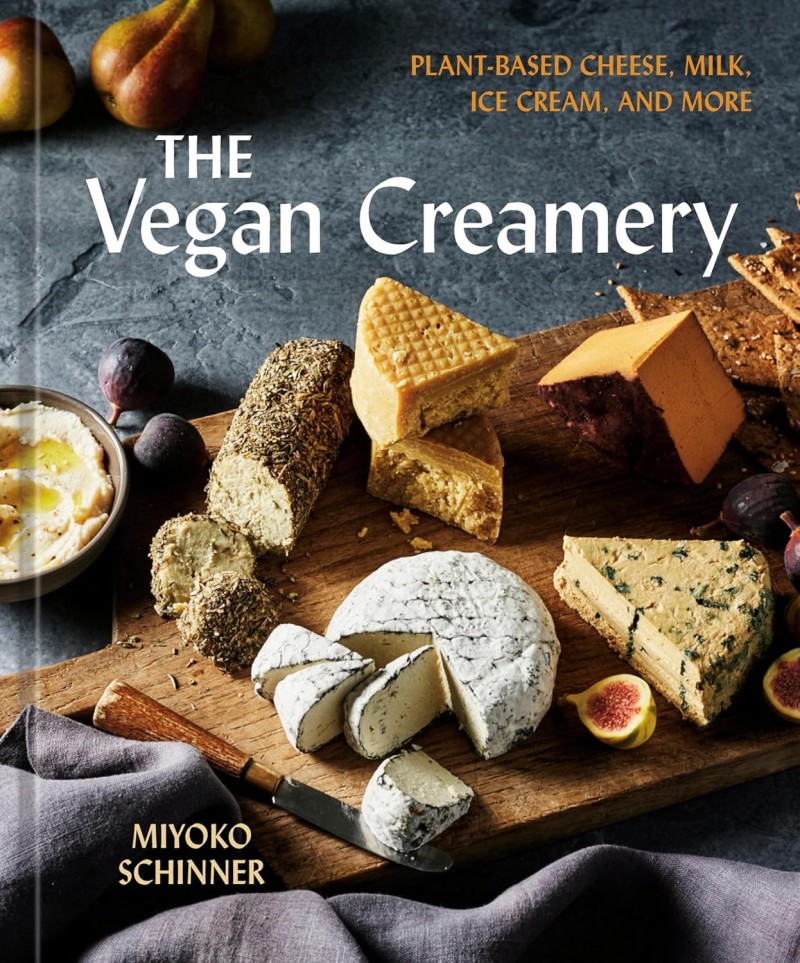
The Vegan Creamery is a beautiful book, to teach home chefs (or professional ones) how to make their own plant-based milks, cheeses and ice-creams. Using mostly nuts and seeds, now you can enjoy your favourite rich desserts, or a batch of fresh strawberry ice-cream, on a summer’s day.
The author (an expert on dairy alternatives) has figured out over the last 30 years how to mimic real dairy, and now shares her carefully crafted recipes. Recipes include:
- Cashew Milk and Cream
- French-style Soft Truffle Cheese
- Homemade Ricotta
- Reggie Goat Cheese (for pizza)
- Seed Milk Mozzarella
- Bean Halloumi
- Rancho Rockfort!
- Pumpkin Seed Oat Yoghurt
- Salted Maple Choc Chip Ice Cream
Miyoko Shinner is a chef who founded Miyokos, one of the USA’s top vegan butter companies (which uses no palm oil and has surpassed us by creating oat milk butter, something yet not on England’s grocery shelves. Before that, she created cookies that were served on American airlines.
Now having stepped back from business, she has founded Rancho Compasión, a non-profit farmed-animal sanctuary located in Northern California, home to over 100 rescued animals.
Feel magnesium and calcium supplement
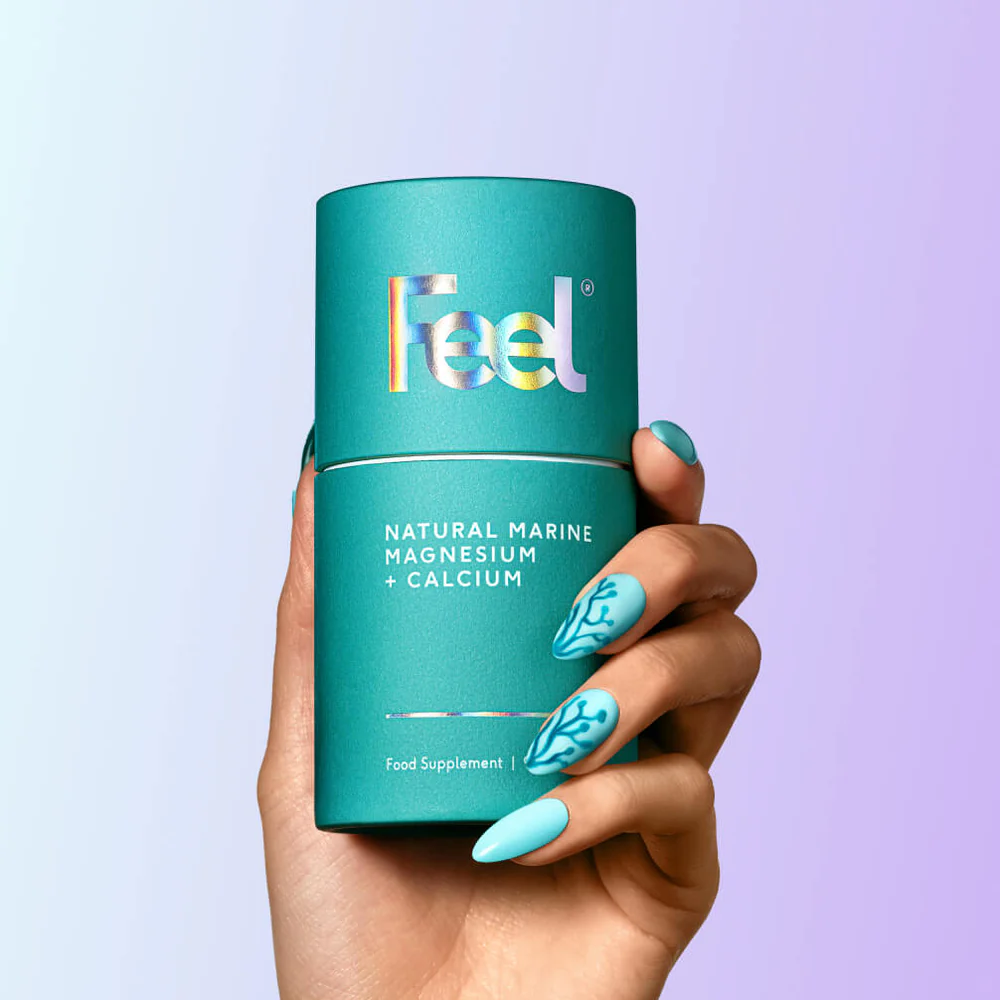
Feel Magnesium & Calcium is a quality nutritional supplement formulated by experts, and sold in zero waste sustainable packaging. All their products are vegan and not tested on animals.
Use code partner20 for 20% discount (not bundles or subscriptions). If you subscribe, sign up for an account to earn discount rewards.
Check with your GP before taking supplements if on medication (also for women if pregnant or nursing). Keep them away from children and pets, and recycle unused supplements and medicines at pharmacies (never flush them down the loo).
This supplement is mostly for healthy bones, but a good side effect is a good night’s sleep (magnesium is known as ‘the sleep vitamin’) with added benefits for relaxation and nerve function.
Using plant-based minerals from the seawaters of the Irish and Atlantic seabed around the Atlantic coast and 72 trace minerals, this is backed by over 40 peer-reviewed scientific publications. This mineral complex is 250% more effective than regular calcium, and many times better than regular magnesium.
When to expect improvements?
- 1 month (more vitamin D should mean efficient use of calcium and phosphorus for better bone health, and silica to improve bone mineral density, and improve hair, skin and nails.
- 3 months (good body serum levels of fat-soluble vitamin D, for better immunity, bone health and muscle function)
- 1 year (bone turnover supported by nutrients for better structure and stability, and enhanced bone strength)