Redemption Roasters (giving prison leavers a job and income)
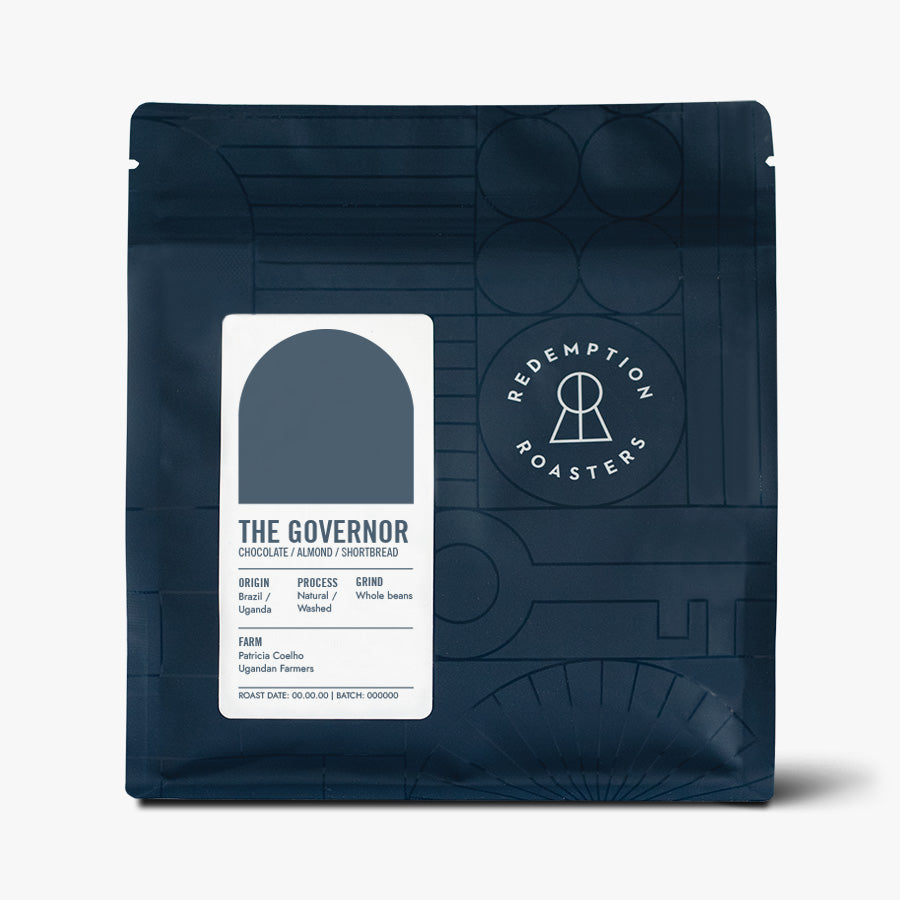
Redemption Roasters trains people who have left prison, with skills to become skilled baristas. They roast blends, and also have 11 London coffee shops to pop in for an empowering espresso!
This brand goes further, even working with a project in Colombia, to support farmers who were previously growing for the drugs industry, to instead produce coffee to earn sustainable incomes.
Aviod caffeine for pregnancy/nursing (NHS says if you do drink it, no more than 1 cup of mild coffee or cola, or 2 cups of weak tea daily). Also avoid caffeine for affected medical conditions (like insomnia!)
Swishing coffee grounds into sinks could clog drains, so use a SinkShield.
You can bin coffee grounds and tea leaves in food waste bins (usually broken down by anaerobic digestion). If you don’t have one, just bin them (acids could harm compost creatures – same for rhubarb/tomato/citrus scraps and allium scraps – onion, garlic, shallots, leeks and chives).
More coffee brands doing good for others
- Change Please Coffee uses profits from its brews to train homeless people to become baristas, funding a living wage job and accommodation advice. The beans are sold whole or ground, including 1kg packs, ideal for coffee shops, pubs, hotels and restaurants.
- Send Coffee funds 48-week training courses to become baristas, for London residents with learning difficulties and special educational needs (the course also includes financial literary and self-care). Choose coffee from Brazil, Uganda or Ethiopia.
- Kickstart Coffee (Cambridge) uses all profits to plant coffee trees in Uganda, and fund educational needs for children and teachers.
- Manumit Coffee offers coffee made by a co-operative of former slaves, and reinvests profits to help stop modern slavery.
Coffee and packaging
It’s difficult to package coffee, as it needs some kind of seal to keep fresh. But this company for a start focuses on roasted beans, that you can buy and roast yourself. And with a mission to donate millions to animal charities, this brand deserves support!
The good news is that most supermarket bag bins now accept soft packaging like coffee bags, so save them up and drop them off, next time you’re passing!
What exactly is coffee?
Most of us love a cup of real coffee. But what is it exactly? It’s basically a beverage made from roasted ground beans found inside the red cherries of the coffee plant, which contain natural caffeine (you can buy decaffeinated coffee, but look for Swiss-water and other eco methods, not ones that remove caffein with chemicals).
A tropical shrub (you can’t grow coffee in England!), the cherries take nearly a year to ripen, then are roasted to give good flavour. Enjoyed black or with added oat drink, it’s a lovely beverage to start the day.
There are two commercial species of bean, but many different flavours, usually described a bit like wine (chocolate, honey, cherry, caramel etc), and the flavours often depend on where the coffee beans are grown (from Latin America to Africa).
The most popular coffee drinks are:
- Espresso (a shot of coffee, brewed under high pressure)
- Americano (an espresso diluted with water)
- Latte (espresso with steamed milk)
- Flat white (similar, but more coffee)
- Cappuccino (equal parts steamed milk, espresso and thick milk foam)
- Macchiato (espresso with just a little milk)
- Mocha (espresso latte with chocolate)
If you order coffee out, check ingredients as many syrups are not vegan.
Issues with conventional coffee brands
Most big-name coffee brands are owned by multi-national corporations (Nescafé is owned by Nestlé, the world’s most boycotted brand due to water aquifer and baby formula marketing issues). Big brands coffee from global suppliers, rather than direct from farmers (for better income, welfare and traceability). Many use pesticides and treat beans with chemicals that are linked to kidney and respiratory issues.
A few low-quality coffee brands have been found to contain ground corn, twigs and even glass fragments.
Ethical brands avoid large-scale monoculture farming of coffee berry bushes, to support biodiversity that helps birds, insects and bees. And small-scale farmers use shade-grown bushes which also helps them grow and sell other crops to local markets.
Costa Coffee meanwhile has been bought by Coca-Cola and is decimating local high streets from enjoying drinks at locally-owned coffee shops, which retain money and profits within communities. It recently had to pay millions in unpaid wages to some of its workers.