Afripads (eco feminine care made by local men!)
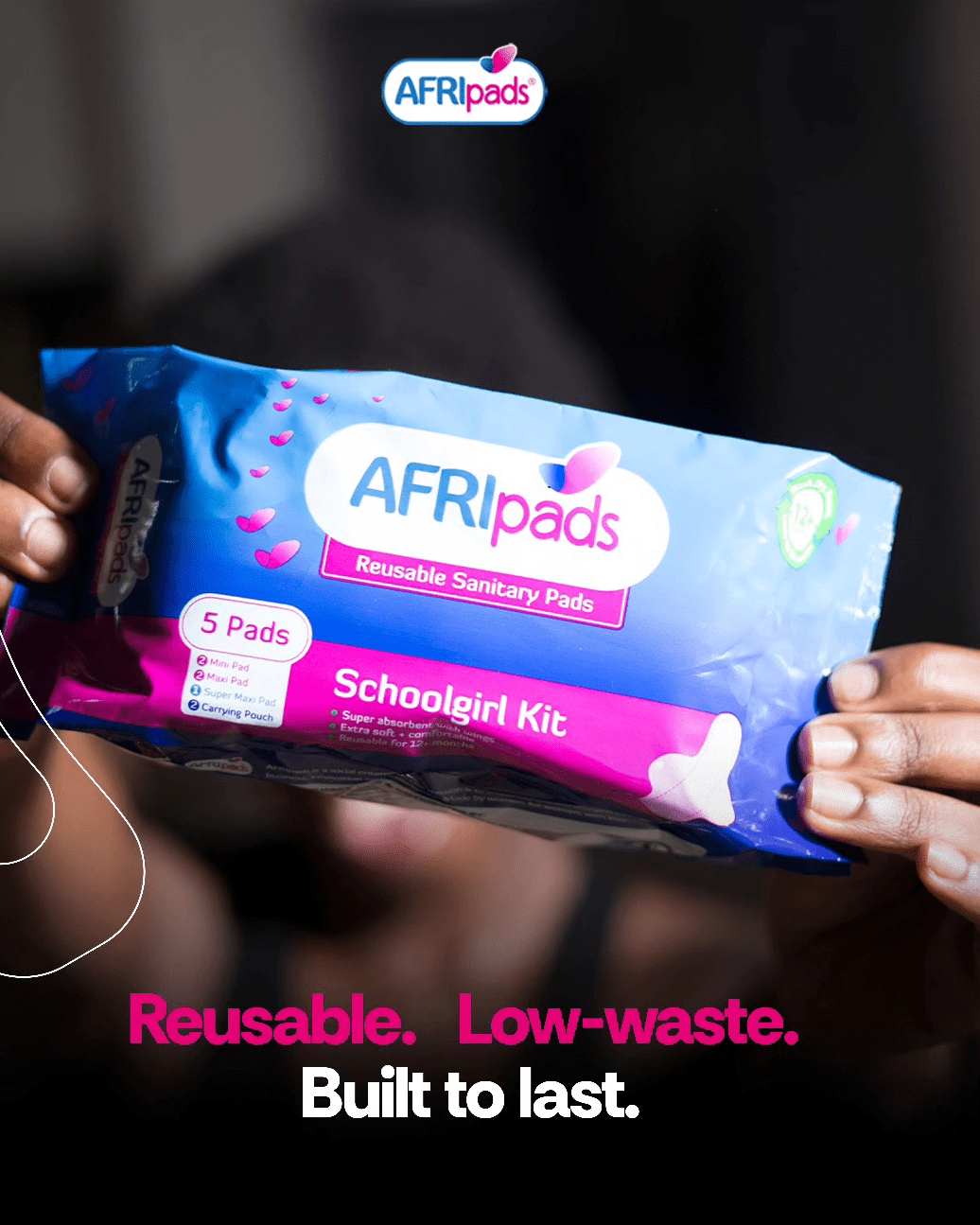
There’s something just so patronising about big western companies (often run by white men) telling us to all buy ‘free feminine care’ for girls and young women in Africa. So they don’t have to use banana leaves, or miss school or the opportunity to work, due to lack of access to feminine care products.
In fact, this is all a load of bunkum. Sending disposable plastic feminine care to African girls is not the thing to do. For a start, plastic is not comfortable in hot weather (and this is Africa!) Secondly, there are few sewers or ways to dispose of used products.
And perhaps most importantly, Africa is ravaged by poverty and has lots of cases of HIV and AIDS. So it’s likely that products could be shared, leading to the spread of more disease and heartache.
Afripads are made from a blend of recycled paper and papyrus leaves. And they are made (locally) in Africa by local people (including men) who get to earn a good honest income, offering eco-friendly zero waste feminine care for the millions of menstruating women on the continent.
This was not the first company. The very first idea was created by engineer Moses, who ‘couldn’t stop inventing things’. Sent to a village to ask how he could help, two women hit him over the head with a (clean) sanitary towel, and told to him to go off and invent something better. So he did! Moses is no longer with us. But he has left an empowering legacy for African girls and women.