Cheeky Panda Bamboo Kitchen Roll: A Sustainable Alternative
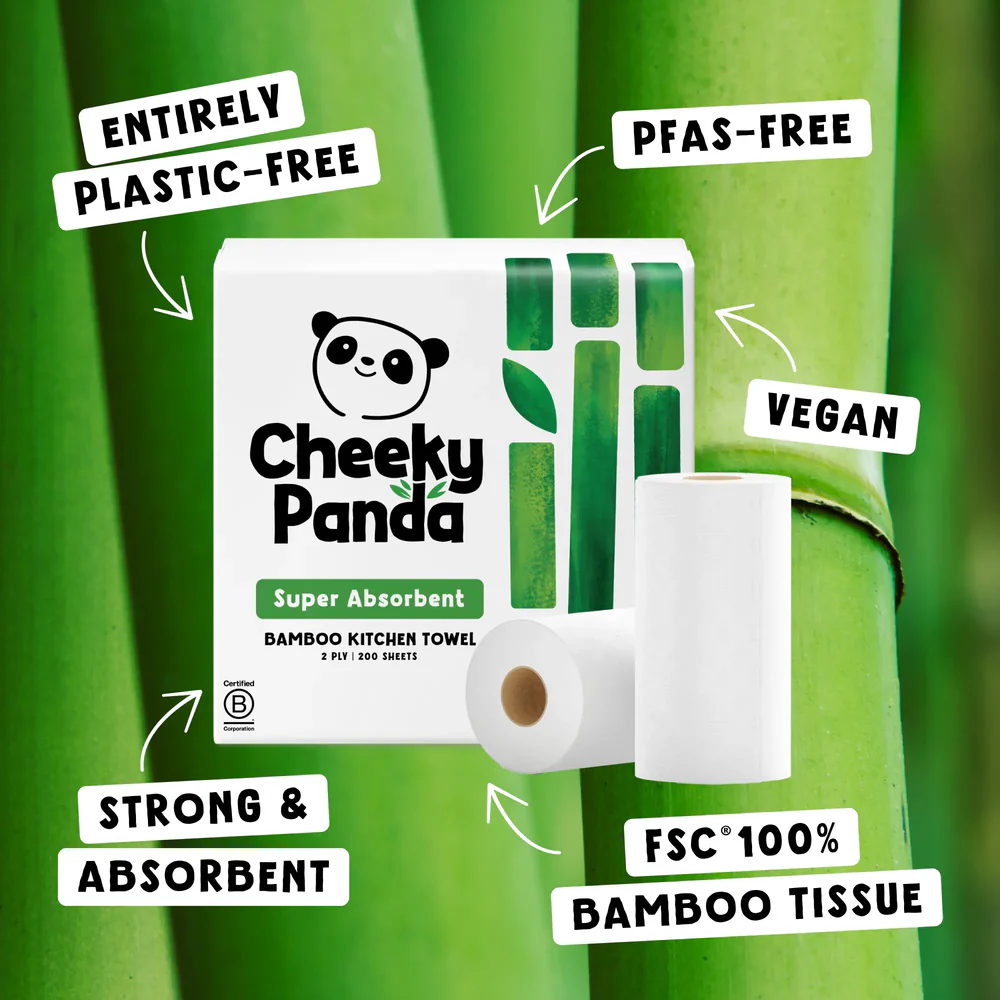
Cheeky Panda Bamboo Kitchen Roll is a zero waste alternative to brands that are made from trees, usually cut down in Boreal forests (home to moose and grizzly bears). This brand is guaranteed to only use 100% bamboo (not mixed with other woods, like some brands).
Bamboo is the world’s fastest-growing grass (up to 3 feet a day). So even when harvesting, it quickly grows back again. It’s not local but far better than making kitchen towels from trees. Sold in paper packaging, bamboo is also very soft and absorbent.
Ideal to wipe up spills in the kitchen, they are ideal for coffee spills, sauce explosions, or when the blender lid was not on properly when you made your smoothie! These towels don’t disintegrate when they get wet.
Choose from packs of 4 or 10 rolls, each one has 200 sheets. You can then safely bin used towels, and everything else is easily recycled.
If using with cleaners, choose biodegradable cleaning brands (unscented for pregnancy/breastfeeding/babies and affected medical conditions). Avoid essential oils near pets (citrus oils are unsafe, so don’t use to clean floors/counters).
Why Kitchen Roll Should Never Be Flushed
Kitchen roll may look similar to toilet paper, but it is made to be much stronger. It is designed to absorb liquids and stay together when wet, which makes it excellent for cleaning but unsuitable for flushing.
Flushing kitchen roll can cause toilet blockages because it does not break down quickly in water.
Instead:
- Clean or lightly used kitchen roll: Tear it into smaller pieces and add it to your home compost if your compost system allows.
- Roll covered in oil, grease, or food waste: Place in bin.
Biodegradable Dry Wipes: Everyday Alternative
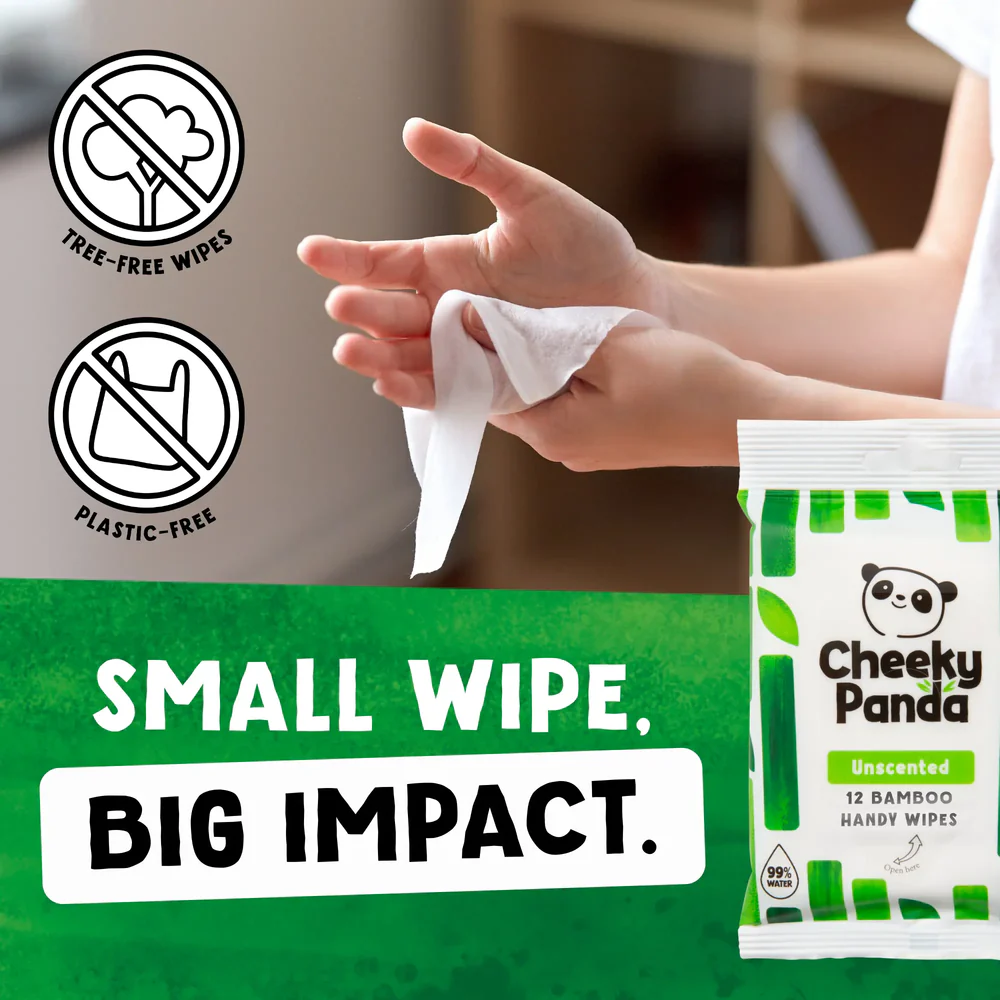
For jobs where you need something a little stronger than kitchen roll, biodegradable dry wipes can be a useful alternative.
Like bamboo kitchen roll, these wipes are designed to be thrown away after use, while the packaging can be recycled. They are a versatile option for many everyday tasks around the home.
You can use biodegradable dry wipes as an alternative to cotton pads for removing make-up or nail polish. They are also useful for cleaning up small spills, wiping your face when travelling, or keeping in your bag for days out.
Simply add a little water and they can also be used for cleaning surfaces such as mirrors, windows or shelves.
Anti-Bacterial Surface Wipes
Many antibacterial wipes sold in supermarkets contain harsh chemicals and create unnecessary waste. These anti-bacterial surface wipes provide an alternative designed for effective cleaning while reducing reliance on stronger chemical ingredients.
These wipes contain less than 5% cationic surfactant, an antimicrobial ingredient that helps remove 99.99% of bacteria with each wipe. They are designed for situations where hygiene is especially important, such as cleaning areas that need a higher level of sanitation.
They can help tackle bacteria, viruses, fungi and algae, making them useful for cleaning high-touch surfaces around the home or workplace.
The majority of the packaging can be recycled at home. However, the inner wrapper contains partly recycled plastic, so it may need to be taken to supermarket plastic bag recycling points if your local kerbside collection does not accept this type of material.
Small Changes That Make a Difference
Switching from traditional tree-based kitchen roll and chemical-heavy cleaning wipes to bamboo and biodegradable alternatives is a simple way to reduce your household impact.
No single product choice solves every environmental issue, but choosing renewable materials, reducing unnecessary waste and disposing of products correctly can all help create a more sustainable home.