Ban the Sale of Real Fur (join the campaign)

Thanks to Compassion in World Farming, fur farms are now banned in England. But it’s still legal for stores to sell imported fur, from animals that are often skinned alive, for the fashion industry. Buckingham Palace also still uses real bearskins (one bear killed for each guard’s hat).
Sign the petition at Fur Free Britain to ban the sale of fur, an industry where animals spend their lives in cramped cages, and causes wild-trapped animals to suffer in snares or steel-jaw traps.
Ruth Jones MP has recently tabled a motion to ban the sale and import of fur. It’s presently going through Parliament. Write to your MP to urge support.
The appalling conditions on fur farms are perfect for viruses to mutate and spread (COVID-19 was identified on nearly 500 fur farms during the pandemic, and led governments in Italy, Denmark and the Netherlands to ban the practice.
As long as we allow the import of fur products into Britain, we are complicit with suffering of those animals, and the risks that come with it. I say it’s time we stop exposing the country to this potential danger, all for a bit of fashion. Ruth Jones MP
Always check labels, as DNA tests on some ‘faux fur trim’ and novelty ornaments in gift shops have been found to be from real fur.
Although previously it was thought cutting up fur coats to use for orphaned animals was a good idea, new advice is not to do this, as the fur is difficult to clean and could rot.
Just recycle old fur coats at textile banks. Fur coats are not good for homeless people, as they are heavy (especially when wet) to drag around, modern sleeping tents for homeless people are better.
Myth: “Real fur is more eco friendly than faux fur”
It’s true that some synthetic fabrics shed microplastics, and that matters. Still, real fur isn’t automatically “green”. Fur production uses resources at every step: land and feed for animals, transport across borders, and chemical processing to stop skins rotting. Tanning and dyeing can involve hazardous substances, because raw pelts need heavy treatment to become a fashion product.
The cleaner answer is not “fur or plastic”. It’s buying less, wearing items longer, repairing, and choosing better materials where you can. A ban on real fur sales removes a product that requires animal suffering, while the wider work continues on lower-impact textiles and better recycling.
Myth: “It is only a small trim, so it does not matter”
Small trims keep the fur market ticking over because they’re cheap, popular, and easy to attach. They also normalise fur as a casual detail, not a serious ethical choice. That matters most with children’s coats, hat pom poms, and hood edging, where buyers may not even think to check.
In addition, those small pieces can come from the same supply chains as larger items. If the trade stays open for “just a bit of fur”, it stays open, full stop.
Sign up as a Fur Free Retailer
Small shops can sign up at Fur Free Retailer, to receive a ‘fox logo’ to display in your window. Active in 24 countries, there are no fees, just confirm (in writing) your credentials.
Boycott stores that sell real fur (like Harrods). This London shop even has a dress code, refusing to let in people who not appropriately dressed? So it’s okay to wear real fur, but not a pair of jeans?
Leona Lewis famously turned down a lot of money to turn on the store’s Christmas lights, due to its policy on selling real fur.
New Biodegradable Faux Fur Brands
Clean these at eco-friendly dry cleaners.
- Bio-fluff has received over $2 million in seed funding to help produce it for the mass market. Used by Stella McCartney.
- EcoPel is a luxury faux fur made from recycled polyester. The Ministry of Defence has been offered this for free, to replace bearskins at Buckingham Palace, but so far has not taken up the offer, despite it being identical in water run-off and quality.
- Gacha is a sustainable fur that is commercially compostable in 180 days (brands can take back end-of-life garments to industrially compost in proper facilities).
Faux Fur Saves Wild Cats in Africa

Panthera (an international animal welfare charity that removes big cats caught in snares) is helping to protect leopards from being killed in South Africa, for coats used in ceremonial regalia, although the tribes revere this beautiful species.
It has worked with graphic designers to replicate the costumes with Heritage Furs, which the communities adore. And also protects these beautiful spotted big cats.
Campaign Against Bear Fur at Buckingham Palace
A.A. Milne (who wrote the Winnie the Pooh books), wrote the famous poem on how ‘they’re changing guards at Buckingham Palace’. Even those of us who are not monarchists, can appreciate the sense of history and tradition, when the King’s Guards hand over their shifts, using precise military tradition.
However, each hat is made from real bearskin, hunted in Canada. And the Ministry of Defence refuses to test ECOPEL (with the same water-run-off and warmth textures, and is quicker to dry), even having been offered free faux fur until 2030. Italy, Sweden (and soon Canada) have all banned real fur for ceremonial purposes.
A Freedom of Information Act found that the UK government does not know the supply chain for the fur its buys for bearskin hats. And it’s your taxes (around £2000 per hat) that’s paying for them.
Bears are shot with crossbow bolts (often dying from infected wounds and blood loss) after being lured with buckets of cookies (hungry after hibernation) and cubs starve when mothers are killed.
We are a compassionate nation. And bears are living, feeling beings – not fabrics to make caps from. Allow us caps worthy of a royal guardsman. Allow us caps worthy of the UK. A Royal Guard
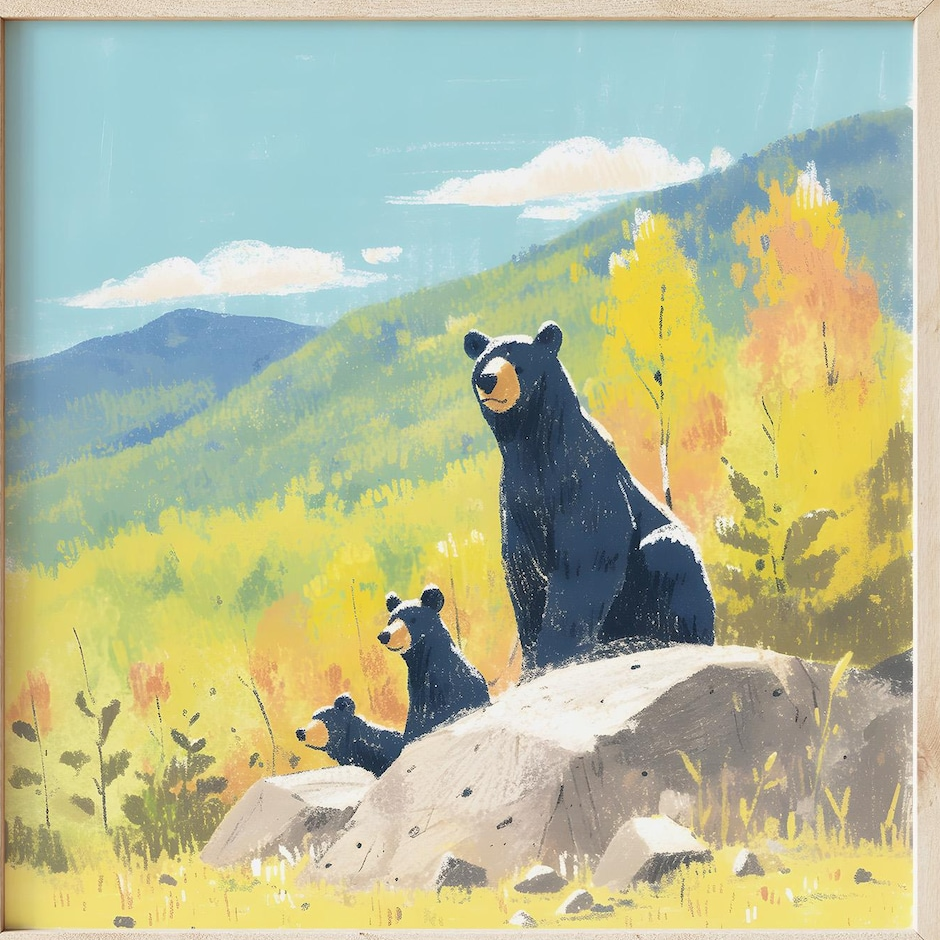
Black bears live on many foods (berries, nuts, seeds, salmon, crabs, mussels). In the forest, they disperse more seeds than birds, and use their paws to break logs while grubbing, which returns nutrients to the soil.
Yet over 1 million black bears have been killed for trophy hunting in the last 25 years, in North America. Black bears only venture into ‘human areas’ due to lack of habitat or lack of food.
My chances of being murdered by a human are 60,000 times greater. In working closely with wild bears, I have used bad bear manners on occasion and been slapped, but they were usually just welts. Black bear claws are strong for climbing trees, not sharp for holding prey. Lynn Rogers PhD (black bear expert)