Why Boredom is Good for Creative Minds!
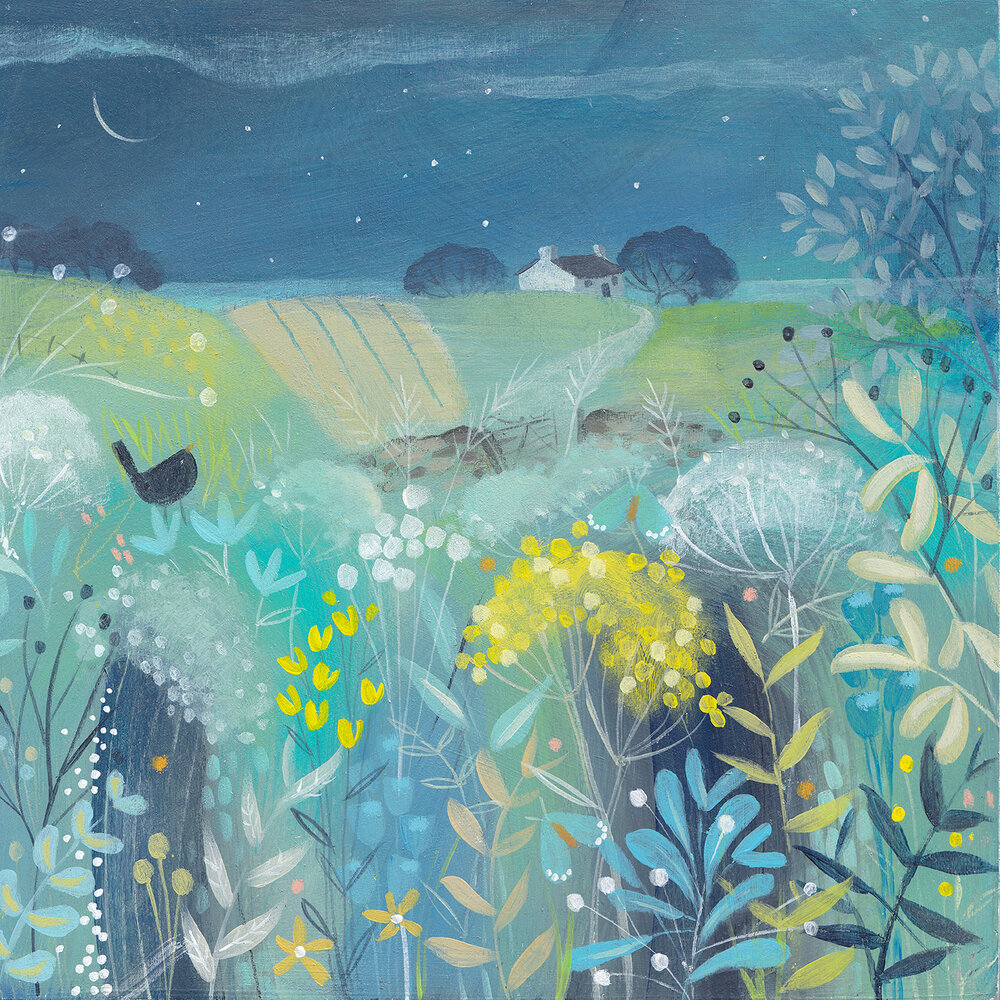
One of the things that has gone massively wrong with our society across England and beyond, is the belief that everything has to be exciting.
Bigger, better, louder. If you look at the happiest cultures on earth, nearly all of them lead pretty ‘boring lives’ compared to super-rich western societies.
It never used to be like this. If you are old enough to remember watching the TV quiz show Bullseye, the contestants were so chilled out that you would never have known if they had won the car (or speedboat) or not at the end of the show. Today a gameshow contestant is whooping and screaming, before the opening credits.
Boredom often gets a bad reputation. We’re quick to fill empty moments with distractions, chasing constant entertainment.
But what if boredom isn’t such a bad thing? In fact, those dull moments can be surprisingly beneficial. They give your brain a break and may open doors to creativity and personal growth that you wouldn’t expect.
Boredom isn’t as pointless as it might seem. When you’re bored, your brain isn’t being overstimulated, and that can actually be a good thing. It creates space for mental clarity, new ideas, and self-discovery. Here’s how boredom can make a positive difference.
Boosting Creativity
Have you ever noticed how some of your best ideas pop up in the shower or during a long commute? That’s boredom at work. When there’s nothing grabbing your attention, your mind starts to wander.
It puts the brain into “default mode”, activating creative thinking. Suddenly, you’re connecting ideas or solving problems you didn’t realise you even had. So, the next time you’re bored, don’t rush to your phone – let your imagination do its thing.
Encouraging Self-Reflection
In the chaos of daily life, finding a moment to reflect is rare. Boredom gives you that chance to pause and think.
You might start reflecting on your goals, feelings, or plans for the future. These moments can help you identify what truly matters and whether you’re on the right path. Without boredom, we’d miss out on these opportunities to check in with ourselves.
Improving Focus
When you push past boredom without turning to distractions, you build focus. For example, sticking with a repetitive task – even when it feels tedious – teaches perseverance.
It strengthens your ability to concentrate, a skill that’s becoming increasingly difficult to maintain in our over-stimulated world. Learning to sit with boredom can actually help you become more disciplined and patient.
Boredom in Our Busy Lives
In today’s world, boredom feels almost extinct. We have so many gadgets and apps designed to keep us constantly entertained. But is this constant stimulation really healthy? Let’s look at how our busy schedules and non-stop technologies are squeezing out boredom.
When was the last time you sat idle, without grabbing your phone? Smartphones, social media, and streaming platforms ensure you’re never far from entertainment. While these tools are convenient, they also rob you of those naturally idle moments.
Boredom might sound dull, but it’s often the birthplace of innovation. Without it, your brain doesn’t get the downtime it needs to reset and recharge.
Finding Time to Be Bored
Carving out time to get bored might sound strange, but it’s worth a try. Start by unplugging for a bit—turn off notifications or leave your phone in another room.
Let yourself sit quietly or stare out the window. Another option? Say “no” to unnecessary commitments that leave no room for pause. Little changes can create space for boredom to creep in, so it can do its magic.
Boredom isn’t something to fear or avoid. It can actually be refreshing when approached the right way. Use those moments to slow down, reflect, and reset.
Being bored doesn’t mean sitting still doing nothing. You can redirect that extra time into something productive or meaningful. Here are a few ideas:
- Go for a walk – Let your mind wander while enjoying fresh air.
- Try journaling – Record your thoughts, goals, or random ideas.
- Do a simple hobby – Knitting, doodling, or gardening are great for passing time.
- Daydream – It’s your chance to drift and imagine something out of the ordinary.
Boredom can teach patience. In a world of instant gratification, sitting with boredom helps you get comfortable with delayed rewards.
Waiting in line, for instance, no longer feels like wasted time. Think of it as a chance to practise patience and mindfulness. With time, you’ll realise that not every moment needs to be filled with action or entertainment.
We Need Competent (even Boring) MPs
We have politicians who strive to be loud and interesting. Everything has to be bigger and better. Trump is obsessed with getting more people come to his rallies than anyone else.
Johnson wanted to be a ‘world king’ who wanted everything in England to be ‘world-beating’. Enough, already. We all need to slow down and simplify our lives, this is where happiness lies.
Why ‘boring cultures’ are Usually Happier
In her beautiful book A Field Guide to Happiness, American journalist Linda Leaming travelled to study the lives of people living in the tiny Himalayan kingdom of Bhutan. She found that whilst she often had 10 things to do by lunchtime, they had one thing to do all week! She fell in love with the lifestyle (and one of the locals, who she married).
Although they now live back in the US, she spends her working life giving lectures, on what we can learn from slow ‘boring’ cultures.
Boring is Good (and more reliable)
One area that many women fall prey to is going after the ‘exciting men’ who treat them badly. And the ‘nice boring men’ don’t always get the girl. This is a shame, as often the boring man is the one who will treat his woman well, same as boring friends and co-workers.
Try being bored once in a while. Don’t buy anything, watch anything, scroll anything or say anything. You don’t have to stare at the wall like a lemon. But just listen to the purr of a cat, take a small walk to gaze at an apple tree in fruit, or listen to some music, rather than switch on rolling news.
Think of your over-busy life as a pond, and the constant rain has been thumping huge drops from the sky, agitating the water. Do nothing and let the water stop falling. When the water becomes clear, you’ll find that you can view your reflection better, and the answers to your life will arise!
My aunt and uncle in their country home, taught me how to be okay with sitting still. To be a decent writer, you have to be okay with either writing or doing absolutely nothing.
I’m a firm believer that the only way to be creative, is to sit around and do nothing, until you get bored enough to entertain yourself. Cole Schafer
Niksen: The Dutch Art of ‘Doing Nothing Much’

Niksen is the Dutch concept of ‘doing nothing’. This is a very interesting concept, because we learn that Dutch children (the happiest in the world) don’t do homework!
They also are pretty much given their own freedom, with parents not thinking there’s a child attacker on every street. Families don’t use smartphones or tablets when in a room together, there’s a lot we can learn from them.
So many people these days exhaust themselves, by doing something. Obviously doing something is good when you should be doing something (paramedics and even growing vegetables). But don’t do something, when you should be doing nothing!
This way of living is an antidote to the modern world, filled with what the late anarchist lecturer called Bullshit Jobs (a book for anyone whose heart sinks at the sight of a whiteboard, or believes that ‘workshops’ should only be for making things). You know these type of jobs – ones that endure simply because they help powerful people – lobbyists, telemarketers, bailiffs etc.
The phenomenon of burnout has given rise to a multimillion-dollar industry of self-help to counter its negative effects. Self-help tips (however well-intentioned) are useless. You wouldn’t tell a soldier suffering from PTSD to eat more healthily or a single mother in a poor neighbourhood to find a hobby.
We are all different, living different lives, and we have different responses to stressful problems. There is no ready-made solution. That’s why we’re drowning in self-help books. Maartje Willems
A Man Who Does Nothing – for a Living!
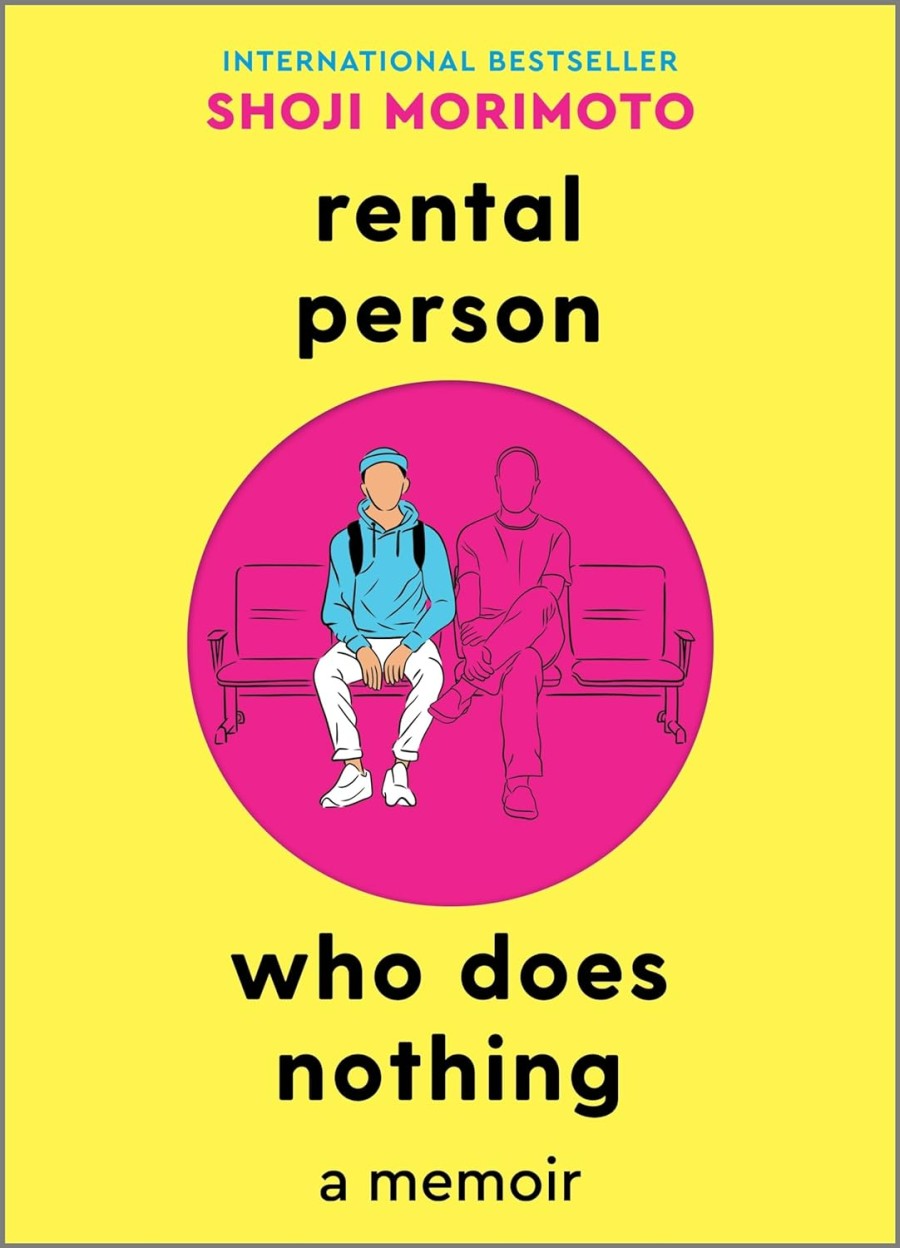
Rental Person Who Does Nothing is a fascinating book. The true story of a man in Japan who literally rents himself out to ‘do nothing’ for most of the time.
Services he offers are for things that actually matter: he goes to restaurants with people who don’t want to eat alone, is the other player in a board game or keeps a space in the park for someone to come view the cherry blossom.
Shoji (a Japanese earthquake expert) started his own ‘job’ to offer services for the lonely and socially anxious, after a boss told him that he contributed nothing, and it made no difference whether he showed up to work or not.
So he wondered if a person who ‘does nothing’ could still have a place in the world. With one tweet, his Rental Person service was born.
He now rents himself out for useful services, to help others. This can be listening to a secret that someone needs to reveal, ‘testing’ how it would be to have someone live with you, or even wave goodbye if you leave a train station for a long journey.
The rest of the time – he does nothing!
People can die, because of the stress of adapting to society. Or they can lose every ounce of their energy. I’ve seen it happen. If people are pressured by society into saying they have particular abilities, then the true value they have as themselves becomes blurred. If you say you have value because you can do particular things, you will always be judged by established social standards. Shoji Morimoto
About the Author
Shoji Morimoto began working as a rental person who does nothing in 2018, and has since been hired over 4000 times. He has written several books. He lives in Japan with his family.