Tips (and books) to help you budget the books!

Most of us had parents who were generous, but knew how to live within their means. Even the man who invented credit cards (for authentic reasons) now says he wishes he hadn’t. The best way to get out of debt (or never get into it) is simply to only buy what you can afford.
Stay away from debt at all costs. Debt (not poverty) is the greatest energy of financial well-being and peace of mind. Debt causes us to mortgage our future for the present.
They will dress debt up in a suit, and call it credit. But it all comes down to the same thing. You will have mortgaged your future, to pay for your present. And that is something you never want to do. Kent Nerburn
If you are in debt, call StepChange for free confidential help.
Work out your true monthly income
Use your take-home pay (not gross salary). And that includes interest from savings, rent from other properties and any benefits. If your income varies, use an estimate based on the lower-income month.
Look at your last 3 months of spending
Go through your bank account and see what the most money is going on. In most cases, you’ll find it’s just a ‘drip-feed’ of small purchases like supermarket shopping items.
A twice-weekly shop may end up saving you a lot more money. As will cutting out takeaways. And other non-essentials like subscriptions to gyms and unread magazines, online shopping binges and TV extras like Netflex (plus giving up impulse purchases and any form of gambling, including lotteries).
Separate needs from wants
Budget for the essentials first: rent/mortgage, tax, bills, food, transport, insurance and debt payments. Only then add in any ‘wants’. No-one is saying to live in a sack cloth and stare at the wall. But perhaps a good budget cookbook would be better than eating out, and using present clothes and shoes would be better than buying new. Cancel non-essential subscriptions.
Then separate your money into ‘pots’. Keep one for your essentials, another for occasional treats. And reserve a third as an emergency fund or rainy day saving account (even if it’s £10 a week).
Pay yourself first
Don’t wait until the end of the month, to see what’s left. Find an amount you need to live on (outside of essentials) and stick to it. Then anything left over you can save.
For example say after rent, bills and food, you give yourself £100 a month to live on. Stick to that, and then anything leftover, you can put into a savings account.
Build an emergency fund
This is good to cope with anything unexpected (a rent deposit, vet bill not covered by insurance etc). Aim ideally for 3 to 6 months of expenses.
Good books to help you budget the books
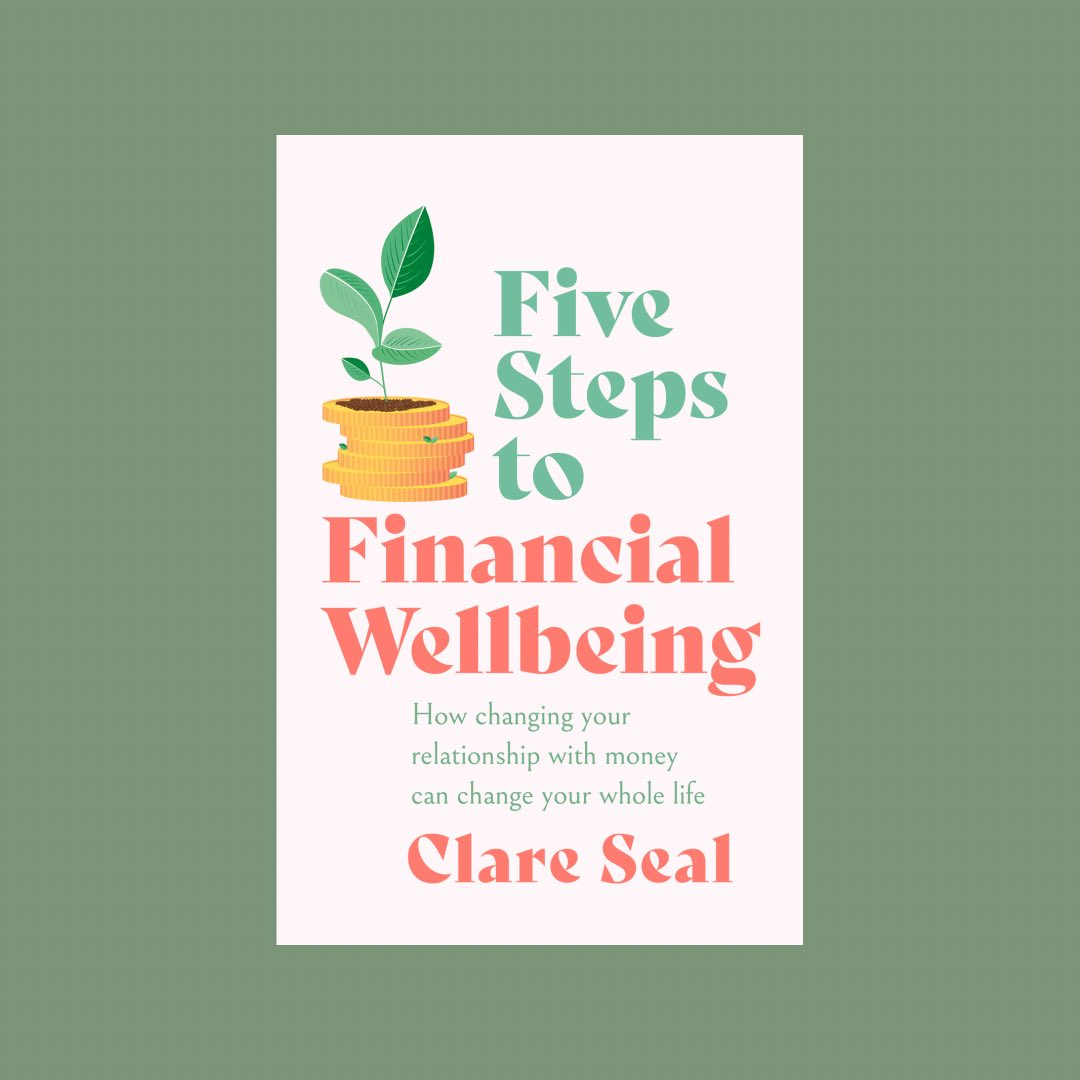
Five Steps to Financial Wellbeing shows how to change your mindset, so that you can live a simpler life in line with your values, and realise that money should not be the main focus of your life.
It encourages you to enjoy life without ‘buying things’, avoid debt and invest for the future. The author used these methods to get herself out of £27K of debt, and now can help you!
Clare writes that the modern age is an issue, where you just go online and ‘press a button’ to send yourself into debt. Then feel bad if you made a mistake. So-called ‘sunk fallacy’ syndrome’
This can be for big things too. You may have bought a house too big for you, a failing business like a small indie shop or a big hotel you can’t afford to run). But you keep trying to sail against a falling tide, and get deeper into trouble.
If your idea of bliss is to live in a little cabin by the sea and create a small income from crafting/woodwork or giving walking trips, you may end up having less money. But you’ll likely be debt-free and a lot happier for it!
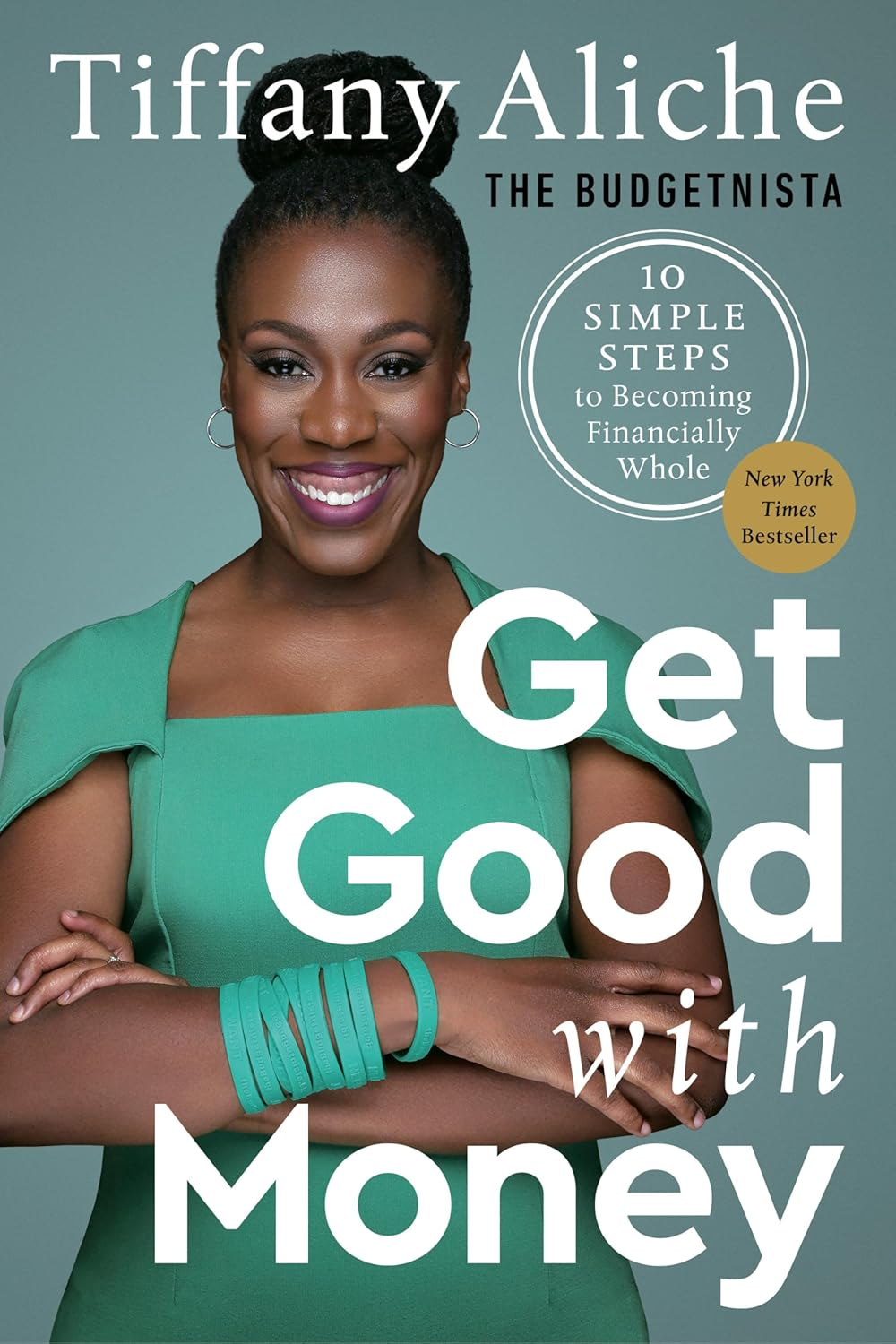
Get Good with Money is a book by a US former kindergarten teacher, who after bad financial advice during a recession, lost her nest egg which put her in a huge financial hole.
So she created her own plan to get out of debt, bought her own house and even legislated for children in New Jersey to receive financial literacy lessons.
Her 10-step method involves listing every debt (‘you can’t beat what you can’t see’) and picking a payoff meethod. Either Avlanche (highest interest first to save most money) or Snowball (smallest balance first for small wins). She says the method that works is the one you actually use!
She then suggests updating your list weekly to keep momentum after the first weeks, to see your debt go down.