Homemade Tomato Ketchup (and better brands)
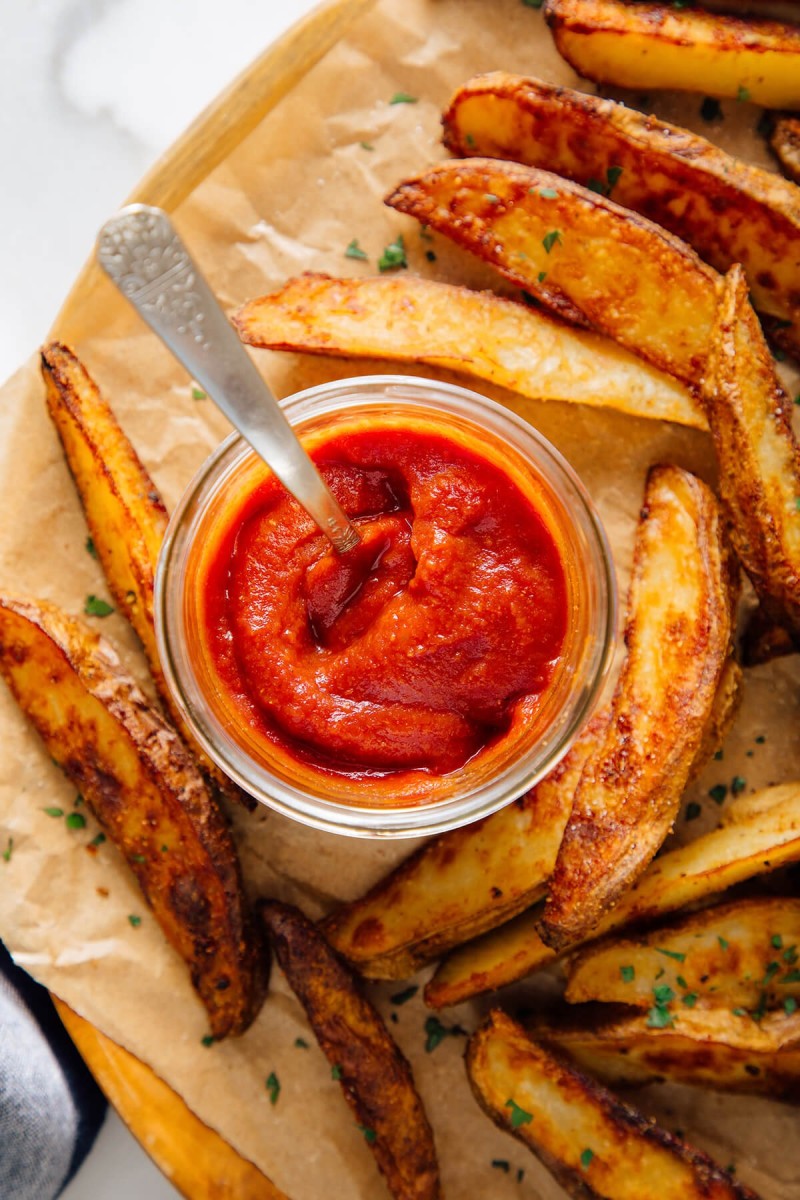
Tomato ketchup is one of England’s store cupboard staples. But many brands contain few tomatoes and refined sugar, and millions of littered plastic sachets are given out at takeaways and hotels.
This homemade ketchup (Cookie + Kate) is delicious, nutritious and simple!
Ketchup would you believe, was invented as a fermented fish sauce in China, where it was made with fish guts, soybeans and spices. The recipe soon shifted to mushrooms, walnuts and oysters when first imported to Britain, and it was only in 1812, when Henry J Heinz perfected the vinegar-preserved tomato ketchup that is now a staple in everyone’s kitchen.
Modern politics (Reform UK etc) now talks about ‘supporting local economies and businesses’. Yet such parties also are in the pocket of big business, especially in North America. In fact, the best way to support local economies is to buy from local artisan businesses.
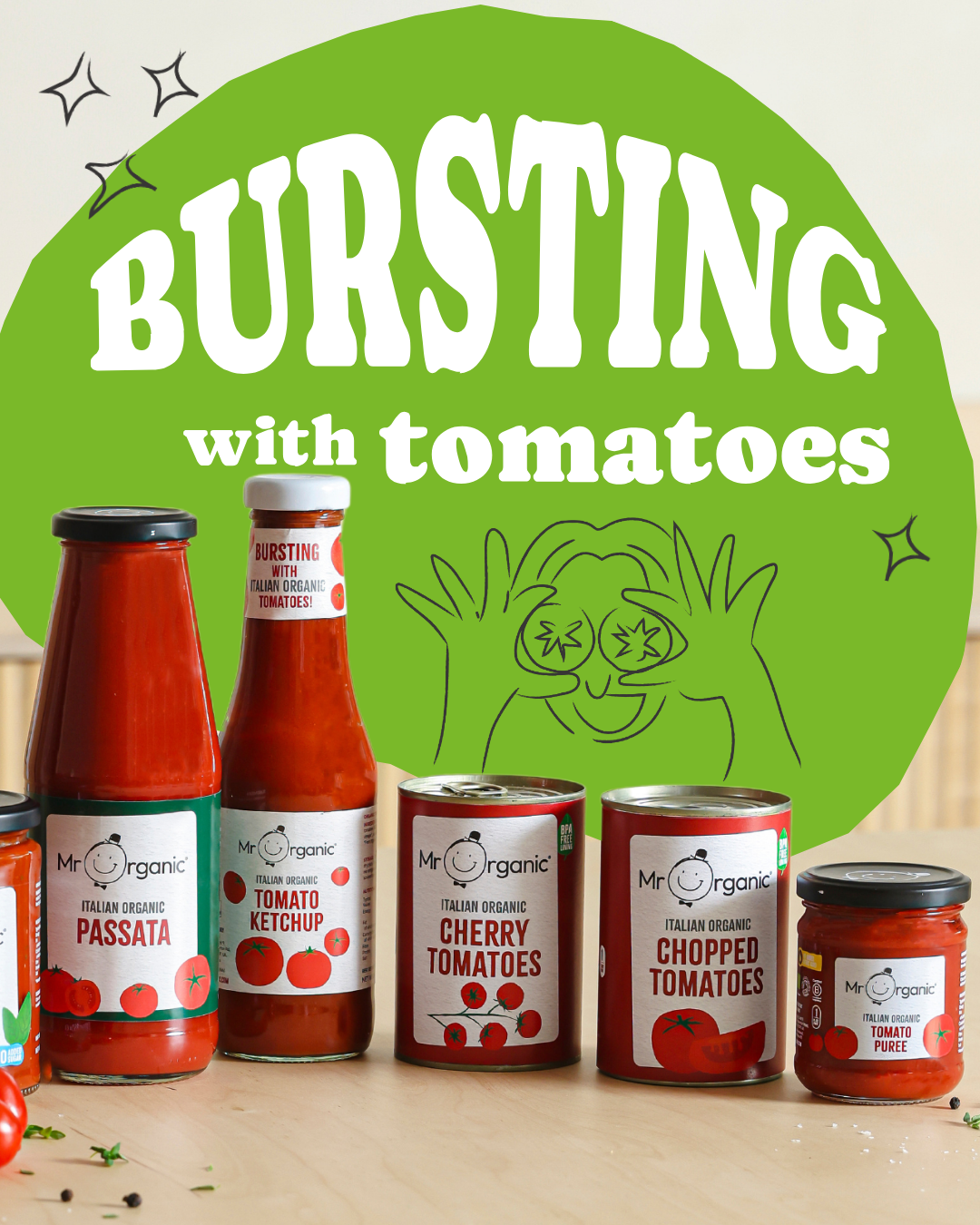
This often has to be online, but in the case of ketchup, all you need to do is to pop along to your independent farm shop or health store, and you’ll find alternative brands to the big guns like Mr Organic (made with Italian tomatoes) and Biona.
These brands have way more tomatoes, and are much tastier (the notion that Heinz is best does not ring true – it’s often beaten by low-budget supermarket brands in taste tests).
Heinz is an American food brand (based in Pennsylvania), so that’s a lot of money from your bottle of ketchup going elsewhere, rather than into local economies.
- Ingredients in Heinz Tomato Ketchup (plastic bottle): tomato concentrate (no percentage given), distilled vinegar, high fructose corn syrup, corn syrup, salt, spice, onion powder, natural flavouring.
- Ingredients in Mr Organic Tomato Ketchup (glass bottle): Italian tomatoes (80%), cane sugar, vinegar, sea salt, spices.
- Ingredients in Biona Organic Tomato Ketchup (plastic squeezy bottle): tomato puree (70%), raw cane sugar, vinegar, salt, spices (Biona also makes an organic brown sauce)
Make Your Own Tomato Ketchup
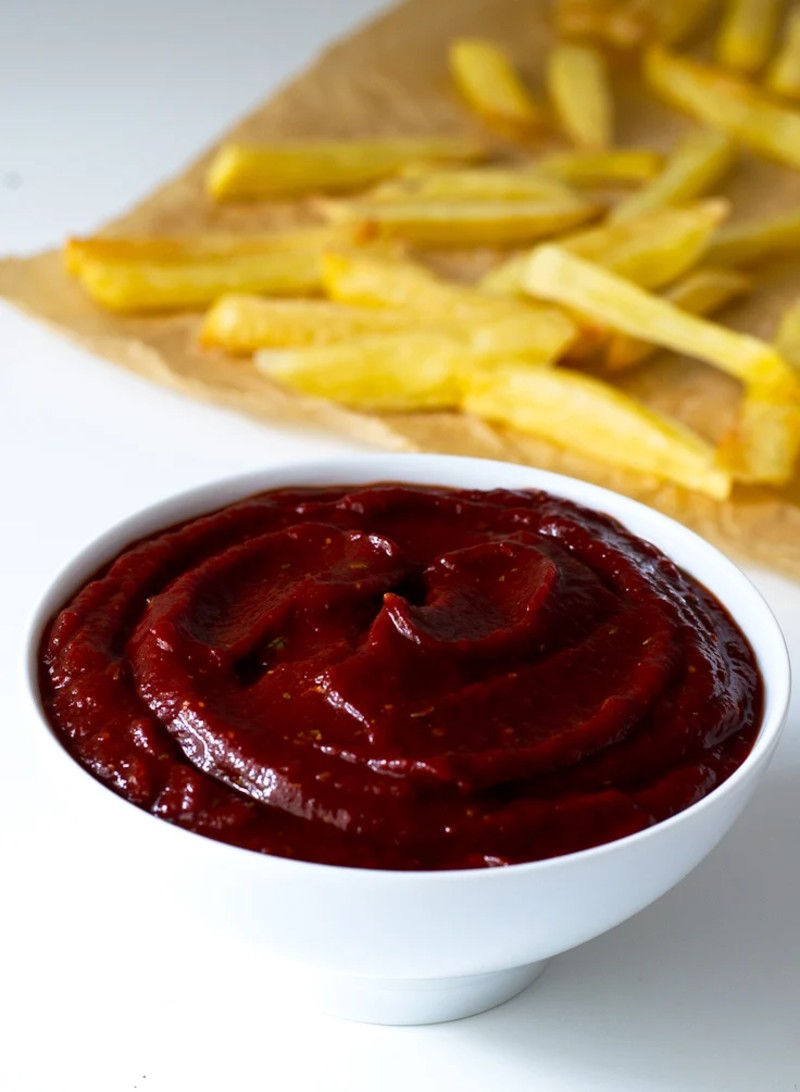
This is easy to do, as long as you invest in a glass jar to store it in, and ensure it’s sterilised before using again. Here are a few simple recipes to try:
This 2-minute healthy ketchup (Simple Vegan Blog) just needs mixing the ingredients in a bowl: tomato paste, maple syrup, apple cider vinegar, onion powder, oregano and sea salt.
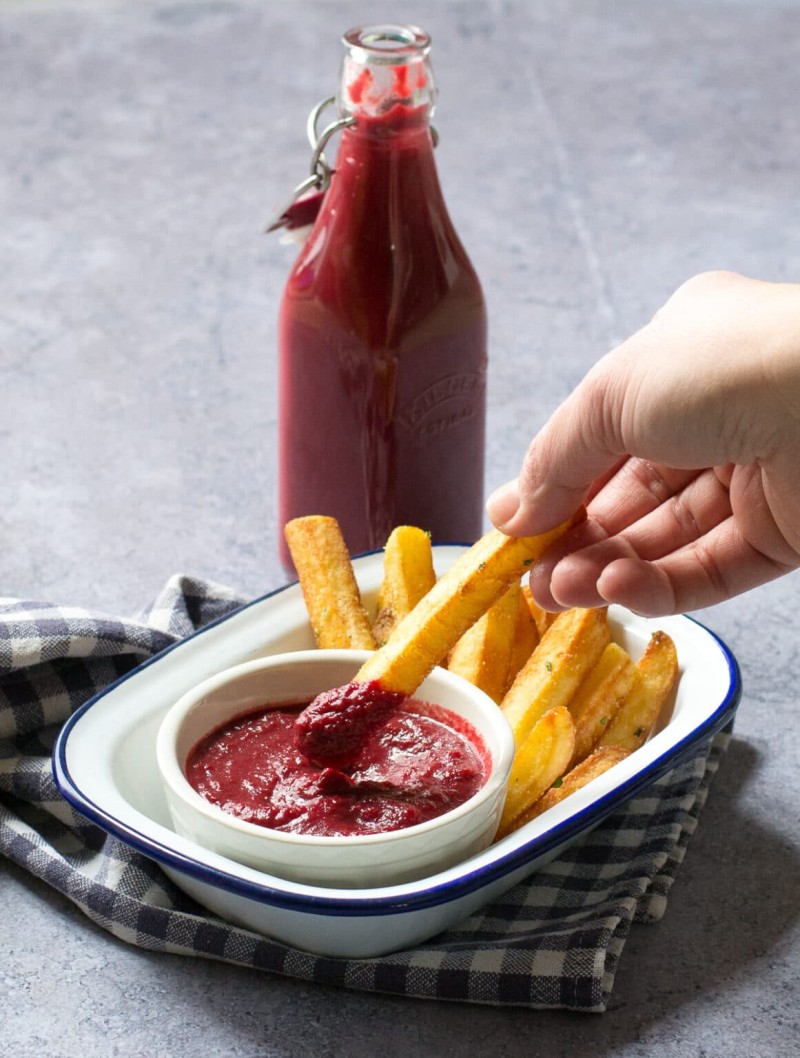
This beetroot chilli ketchup (The Veg Space) combines the earthy flavours of beetroot with spicy chilli. It’s even packed with veggies (carrot, onion and celery), just be sure if using pre-cooked to avoid the ones with vinegar.
Decant Ketchup into Bottles (or use edible sachets!)
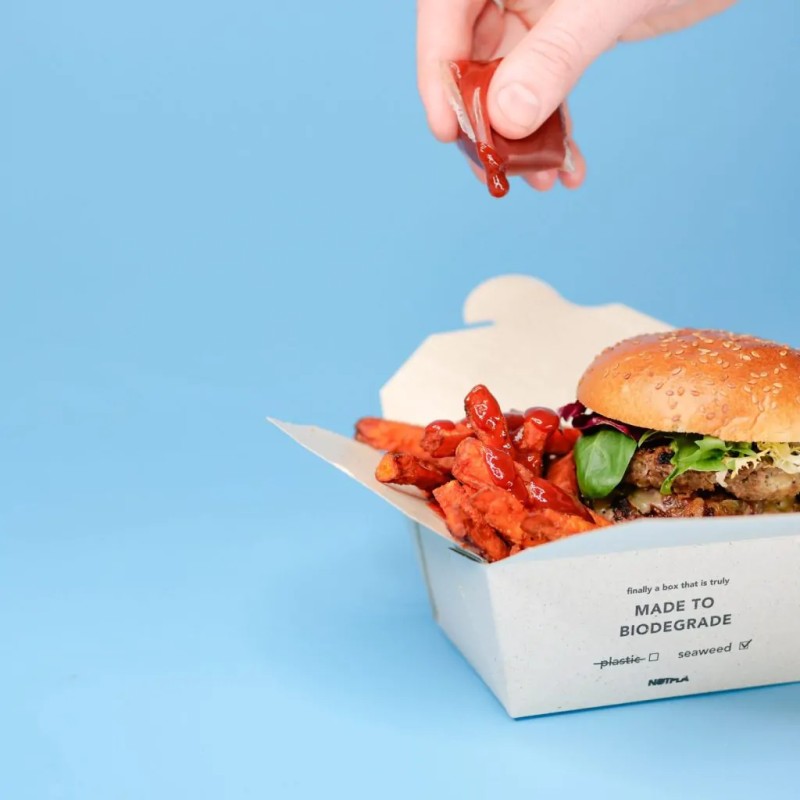
Those wasteful plastic sachets of ketchup (and brown sauce and mayonnaise) are being banned by the EU from 2030. But we can act now (and we’re no longer in the EU anyway).
Hotels and shops can easily swap the sachets for bottles on the table, or decanting into washable containers. Greenpeace estimates that around 855 billion single-use plastic sachets are trashed each year, nearly all either littered or ending up in landfills.
Critics want Extender Producer Responsibility laws, which means the companies that give out plastic ketchup sachets (like McDonald’s and Burger King) should be the ones paying for clearing up the litter, rather than through your council tax (same with Dominoes and their plastic sauce trays).
Notpla has been working with producers, who are trialling their edible ketchup sachets, made from biodegradable seaweed. This is a great idea, so why are not all fast food joints on board already?