Blackpool: a classic seaside break in England
The first town in the world to have electric street lighting, Blackpool is home to a big rollercoaster and Big Dipper, not really for those who like quiet holidays. For some, it’s pure seaside tradition, salty air, arcades, and a stick of rock in a paper bag. For others, it’s a working town that hosts big crowds, then gets on with normal life the next morning.
That mix brings real debates with it. The Illuminations bring joy and jobs, but also worries about light pollution. Donkey rides can feel like harmless nostalgia, yet animal welfare matters. And of course the Tower Ballroom is a national icon, known for its ballroom dancing.
If out walking, follow the Countryside Code, to keep all creatures safe. If at the coast, read up on keeping dogs safe by the seaside.
Why People Keep Returning to Blackpool
Blackpool has a nostalgia all of its own. Trams hum along the Promenade, gulls cut across the sky. And a windy seaside walk is the stuff of memories. The sea can look calm one minute, then steel-grey the next. That changeable weather suits the place, because Blackpool never sits still either.
Part of the pull is tradition you can still touch. It’s not a museum resort where everything stays behind rope. You can step into the Ballroom, buy fresh-made rock, and eat chips while watching the tide shift. At the same time, the town works hard year-round, with locals commuting, raising families, and running small businesses that don’t close when the schools go back.
Home of the Ancient Blackpool Trams
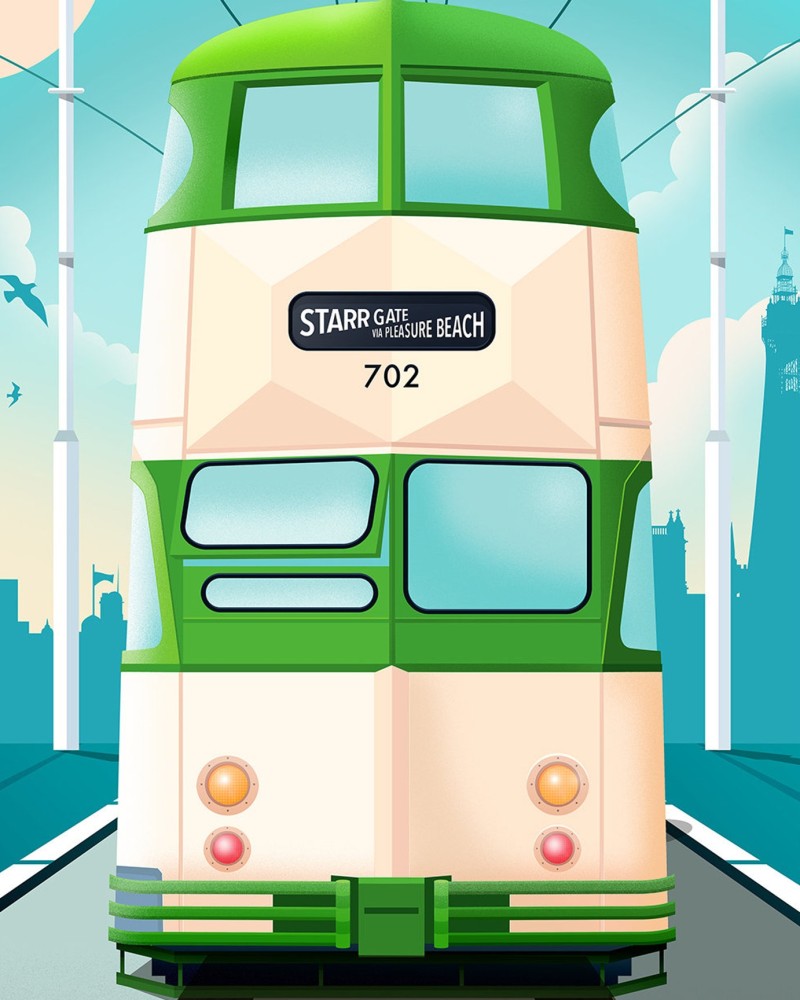
Blackpool tram has a proud history, but spent years running older slower cars that creaked along the seafront. Today it has had a revamp, with wider platforms and new trams that go at higher speeds and are more accessible.
They have spacious low floors for step-free boarding, modern ticketing systems and upgraded tracks. While the old trams had around 3 million annual rides, today it’s nearer 5 million.
There are 61 stops in all. One criticism of out-of-town shopping retail parks is that people need a car to drive to them. But Blackpool even has tram stops within 5-minutes walk of the main retail park, for people who don’t have a car, which helps to reduce road traffic.
Blackpool Tower Ballroom: old-school glamour
The Blackpool Tower took seven years to build, and is indeed modelled on the Eiffel Tower, and known for its ballroom-dancing competitions. The floor is designed to sway in high winds. It opened back in 1899.
The ballroom sits inside the Tower complex, and it feels like entering a brighter, slower era. Expect ornate décor, a famous dance floor, and music that suits everything from a gentle waltz to a proper spin across the room. Even if you don’t dance, the atmosphere makes it worth the visit.
Blackpool Illuminations: tackling light pollution
Although astronomers are aware that the Blackpool lights bring in substantial tourism income, they are concerned over plans to create an artificial ‘aurora borealis’ (northern lights) by way of a 1KW laser to shine in the sky.
This would not just blight the night sky, but ruin views across the county (and also for Merseyside, Cumbria, North Wales and even Isle of Man).
Blackpool landladies: the hidden engine of the resort
The town has been known for decades as the home of its ‘Blackpool landladies’ who run hundreds of local bed-and-breakfasts. The 5pm rule years ago meant many guests were ‘booted out’ after breakfast (no matter the weather) and not allowed to return until ‘high tea’ at 5pm!
Donkey rides on the beach: welfare tips
Alas the town is one of the few seaside resorts that still offers donkey rides for children. Unlike abroad, donkeys here are inspected for welfare, but most parents now are choosing to move on from donkey rides.
Today The Donkey Charity has welfare experts who oversee the remaining rides on UK beaches, ensuring the animals have clean water, shade and rest areas, and there are also limits on working hours and weight limits for children.
Blackpool rock: why a sweet became a symbol
Blackpool is where sticks of rock were created, made by folding and stretching coloured toffee or sugar crystals into hard sticky sticks, which will pull all your fillings out!
Keep rock, candy floss and pebble sweets away from young children, due to choking hazards.
The upcoming sugar tax means that many brands will likely go bust (unlike soda drinks, it’s likely more complicated to make them with artificial sweeteners).
Blackpool Rock was first sold around 1902 (or created in the 1870s) when Ben Bullock began to make sticks with words like ‘Whoa Emma’ at his Yorkshire factory, after a holiday in Blackpool.
Sticks of rock fell out of favourite during the sugar-rationing of World War II, and men were not around to do the heavy lifting of the sugar mix.
Typical ingredients of a modern stick of rock are refined sugar, glucose syrup, flavours and the colours E153, E100, E122 and E129 (the two red ones are linked to hyperactivity in children).
Candy floss was surprisingly invented by a dentist (in the days when you could find affordable dental care!) Introduced at the 1904 World Fair, it was made of over 70% air, a single serving had just 110 calories. It’s made from granulated sugar, corn syrup, flavours and colours.