Celebrate Bright Friday (not endless sales)
PLAINANDSIMPLE (buy less, buy better!)
Around 80% of goods bought on Black Friday end up in landfills or incinerators within a short space of time, as most items are not made well, or are ‘impulse purchases’ that are then thrown away. Not only does this leach methane gas, but the clothes are likely made from oil-based synthetic fibres. Which contributes to pollution and climate change, and leaches microplastics from washing machines, into the sea.
As as most items are ordered online, that’s more oil from vans driving to the goods to you (and often being returned when you decide you don’t want them.
To be fair, not every deal is bad. If you’ve planned for months to buy a new laptop for work, a genuine discount can help. The trouble is the surrounding pressure, because it nudges us towards overbuying, and it makes restraint feel like failure.
Watch for these common traps:
- Fake urgency: “Ends tonight” becomes “extended” the next day.
- ‘Was’ prices: A high “before” price that no one paid last week.
- Bundles you don’t need: Extra bits that will gather dust.
- Bargain logic: Buying because it’s cheap, not because it’s useful.
The Real Cost Behind the Bargains
A cheap jumper can carry expensive baggage. Lower prices often mean lower-grade fibres, heavy dye use, and rushed production. That can show up as bobbling after a few washes, loose seams, and a shape that never quite fits again. The result is predictable: you buy twice, then throw away twice.
A phone upgrade gives another clear example. The cost isn’t only money. It’s mined materials, factory energy, shipping, and the hard question of what happens to the old handset. Even when you recycle, parts get lost, and perfectly fixable devices get replaced because repair feels awkward.
A kitchen gadget is the quiet culprit. It arrives boxed within a box, wrapped in plastic, with a promise to “save time”. Six months later it lives at the back of a cupboard, because the old wooden spoon worked fine.
Spot the Pressure Tactics
These are the tricks that push people into “yes”:
- Countdown timers and flashing banners
- “Only 2 left” stock warnings
- Email and text spam that follows you for days
- Price bouncing, where the discount changes hourly
- Buy now, pay later prompts at checkout
- “Free” next-day delivery that encourages split parcels
- Suggested add-ons that feel like savings
Bright Friday is a simple shift, saying ‘spend for a purpose, not because you are told to. That doesn’t mean you never buy new things. It means you buy yourself or someone else a quality item, when it’s needed.
On Bright Friday you might mend a coat, replace a worn-out pan with a sturdy one, book a local class as a gift, or spend your money with a high street shop that pays fairly. You might also spend nothing at all, and still take part.
But you don’t rush to Next at 6am and go through the rails, to grab bargains for things you don’t need or even like.
There are also non-shopping ways to join in. Donate unwanted items you’ve been meaning to shift. Volunteer at a food bank or community pantry. Share a skill, such as sewing on a button, fixing a bike chain, or helping a neighbour list items on a local resale site. Value isn’t only what you purchase, it’s what you keep in use.
Some Brands Refuse ‘Black Fridays’
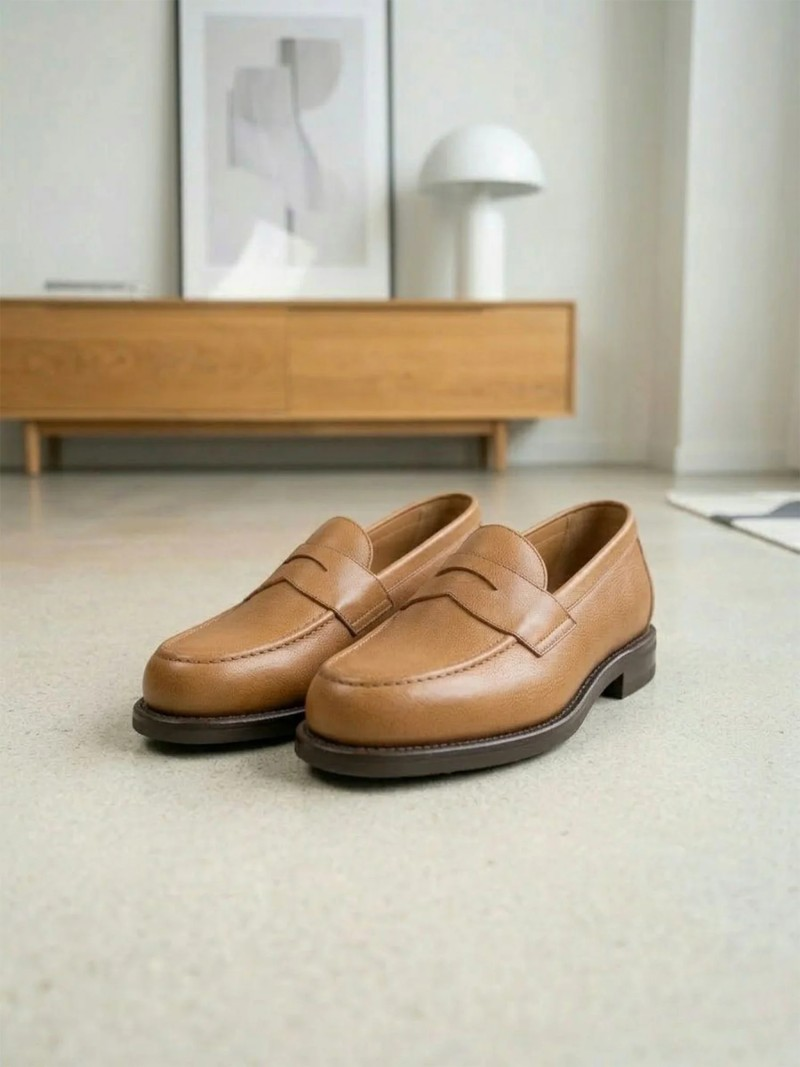
Will’s Vegan Shoes (London) is a footwear brand, that never has sales, let alone a Black Friday. Instead it focuses on producing quality footwear in zero waste packaging, each item sold with a whopping 365-money-back. Although it charges a bit more, it works out cheaper as these are shoes to last!
Donate unwanted clothes and shoes to small small charity shops that don’t test on animals). You can place damaged/ripped/stained cloths (including socks and undies) in textile banks. They are then shredded to upcycle into insulation, carpet underlay and other industrial goods.
Pay A Little Extra for Fairly-Made Clothes
PLAINANDSIMPLE (buy less, buy better!)
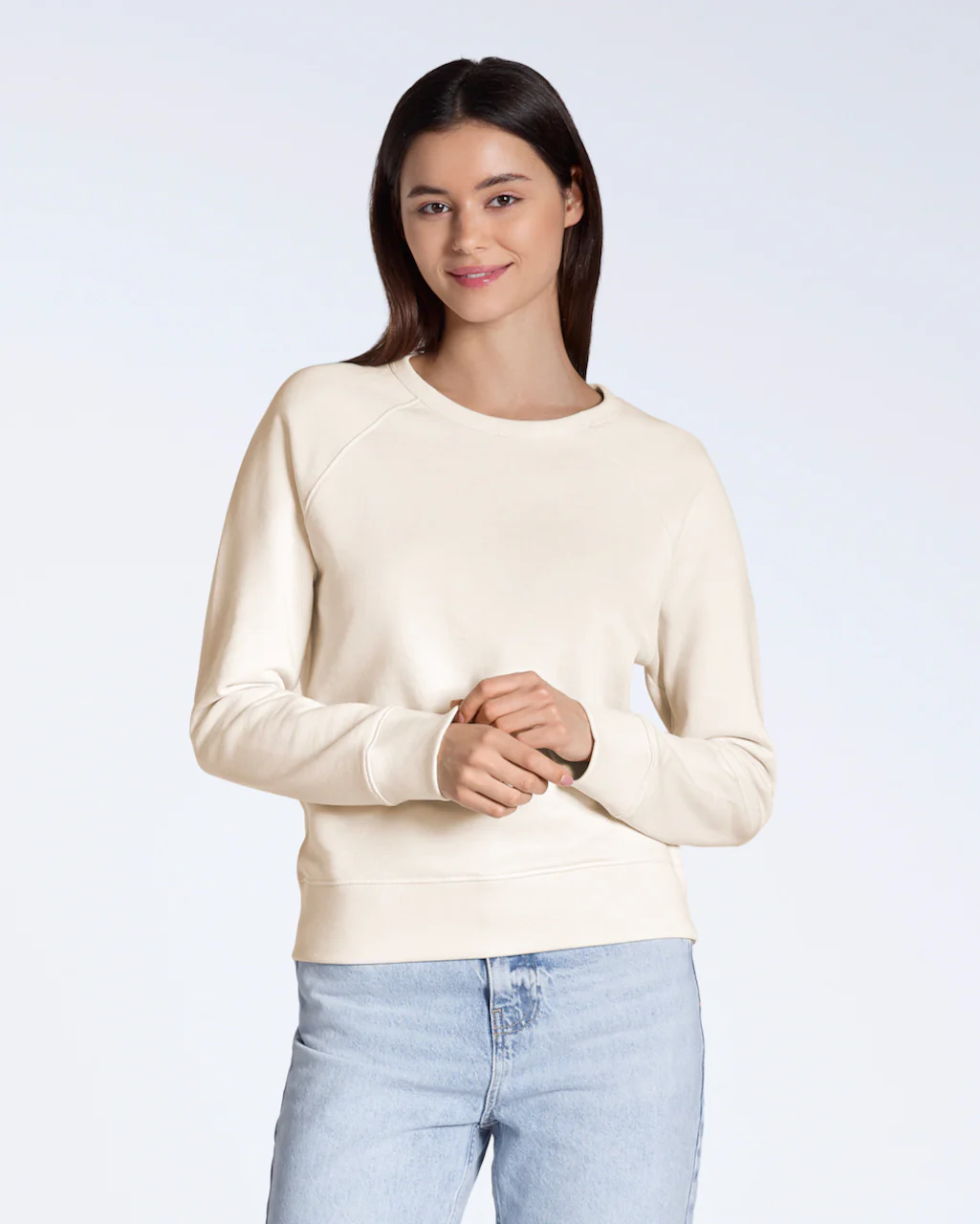
Building a capsule wardrobe of a few quality fairly-made organic clothes, is far better than constantly buying ‘bargain clothing’ that is often made abroad, in conditions akin to slavery.
The Ethical Trading Initiative was brought into force, after the tragic building collapse a few years back, which killed many clothing workers in Bangladesh.
But it’s nowhere near as stringent as labels like Fair Wear, which is like the clothing alternative to Fair Trade food and drinks.
It traces how clothes were made, from farmers growing the fabrics to sewing the clothing. If you buy a £1 t-shirt, someone along the line, is not being treated well.
Fair Wear’s 8 Code of Labour Practices are:
- Employment is freely chosen
- The right to collective bargaining
- No employment discrimination
- No exploitation or child labour
- Payment of a living wage
- Reasonable hours of work
- Safe and healthy working conditions
- Legally binding employment relationship
Good on You lets you type in the name of clothing brands, to find ratings for human rights (how and where it was made) along with animal welfare and environmental scores.
M & S comes out top for the high street. And despite bargain brands like Primark not scoring well, more expensive brands (like Next) don’t score much better.
If laundering synthetic materials, use a microfiber filter. To stop plastics leaching out of washing machines, and into the sea.
Demand quality. Not just in the products you buy, but in the life of the person who made it. Orsola de Castro
Fast fashion – is asking you to forget about other humans, in favour of low prices. Amanda Lee McCarty
Often the ‘big brands’ boast that no child labour is used. Well it can’t be, because it’s illegal. But many are still paying a pittance to the garment workers, and making huge profits on selling you often inferior clothing.
In developing countries, workers are at risk from air pollution, fire hazards and chemical exposures. Fair Wear brands push for clean air, safety rules, good income and fire escapes.
Fair Wear brands not only pay their workers a living wage, but ensure this means workers can not just feed their families, but send their children to school, pay rent and see a doctor if they need to.
These brands also tend to use sustainable fabrics like organic cotton, hemp and linen. Which means less water used (in countries that often have water shortages) and this also helps to protect rivers (and wildlife) from pollution run-off.
Finally, Fair Wear brands tend to be made better, so last longer. Fashion is one of the most polluting and wasteful industries on earth. So buy less, but buy better! Better for the planet, workers and your wallet!