Budget Bedroom Makeovers (before-after inspiration)
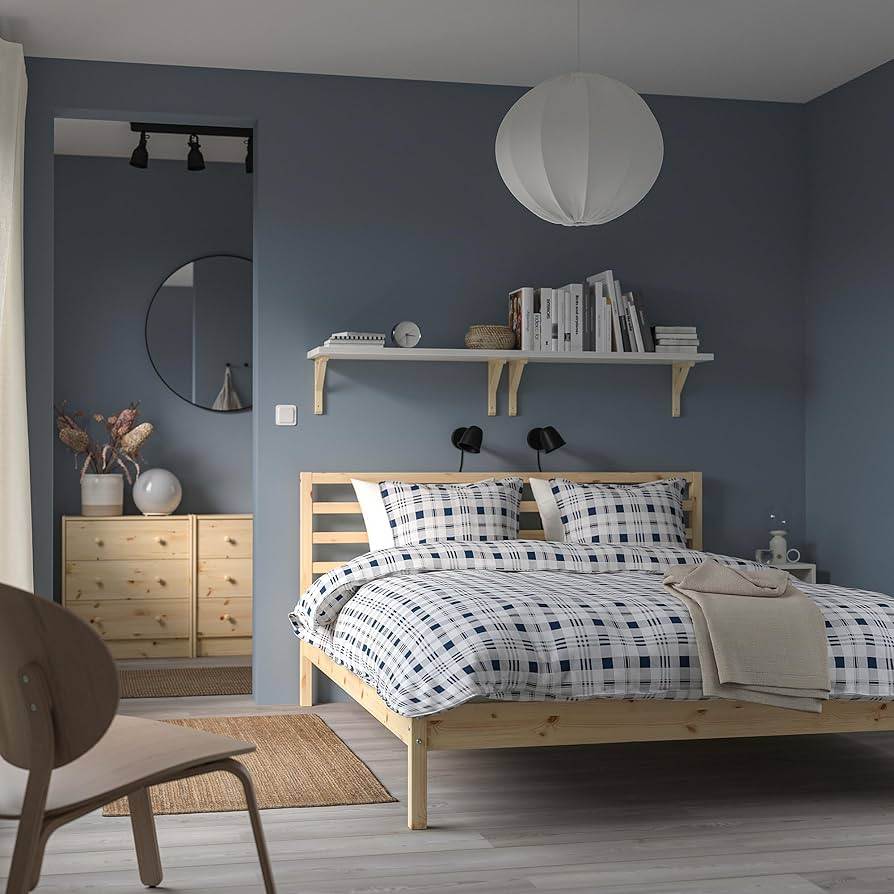
IKEA
A bedroom makeover doesn’t need a big budget, or a week off work. Most of the “before” problems come from the same few things: colour that fights the light, one harsh ceiling bulb, bedding that doesn’t feel finished, and a layout that makes the room awkward.
This post shares budget bedroom makeovers with simple before and after inspiration, plus steps you can copy this weekend. Expect quick wins, not perfection. You’ll focus on the biggest levers first: colour, lighting, textiles, layout, and styling. When those five line up, even a small room starts to feel calmer.
Your home is your sanctuary, and giving it a beauty makeover does not have to cost a fortune. By room, it’s possible to do this on £50 to £100 if you have few resources, using a bit of innovation, second-hand finds and rearranging furniture.
For babies, read about tips for a safe natural nursery (contains info on safe sleeping clothing, cots and bedding etc). Ensure indoor plants are pet-friendly.
Start With a Clean Slate
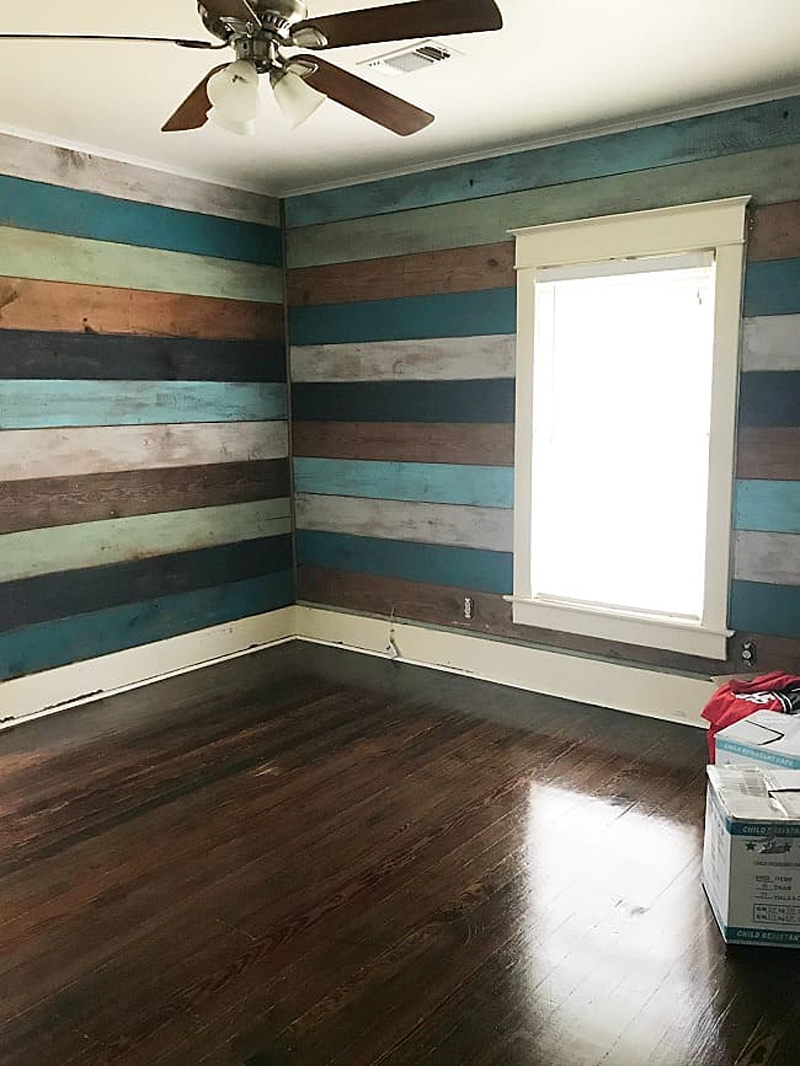
Thistlefood Farms before….
Before any decoration or choosing items, remove/recycle clutter and give a good deep-eco clean, opening the windows if safe to do so (not enough for cats to jump out – it’s a myth they ‘right themselves’ if landing from high windows) to set the stage for how you wish to makeover your bedroom.
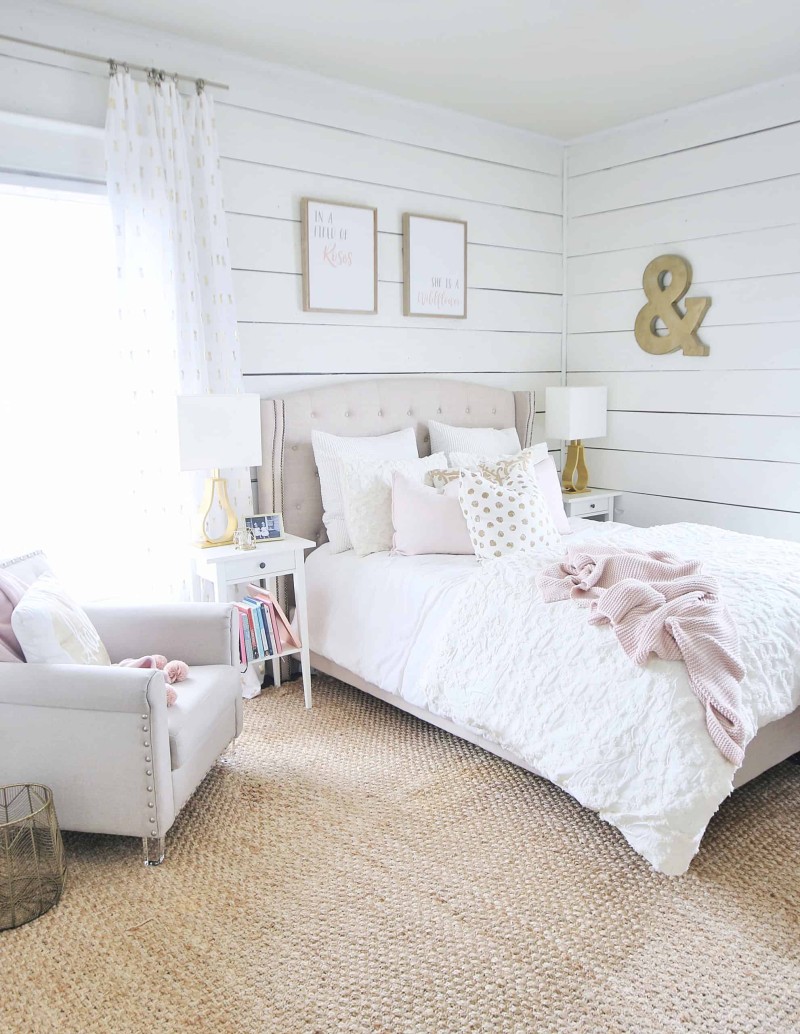
and after!..
Bedrooms should be where your mind turns off, so get rid of things that bring you down – paperwork, photos of old relationships that make you upset, clothes you will never wear etc.
- Vacuum ever corner (including under furniture and under the bed, wash the windows inside and out for more light (avoid facing indoor plants to face gardens, to help stop birds flying into windows.
- Wipe (with a dry cloth) all light switches and door handles, and dust headboards and other forgotten spaces.
- If dusting away old cobwebs, leave spiders you find where they are (they do no harm and will move of their accord – or humanely move spiders and their babies to somewhere else in your home – most indoor spiders have never been outdoors, and could die).
Paint Walls for Quick Change
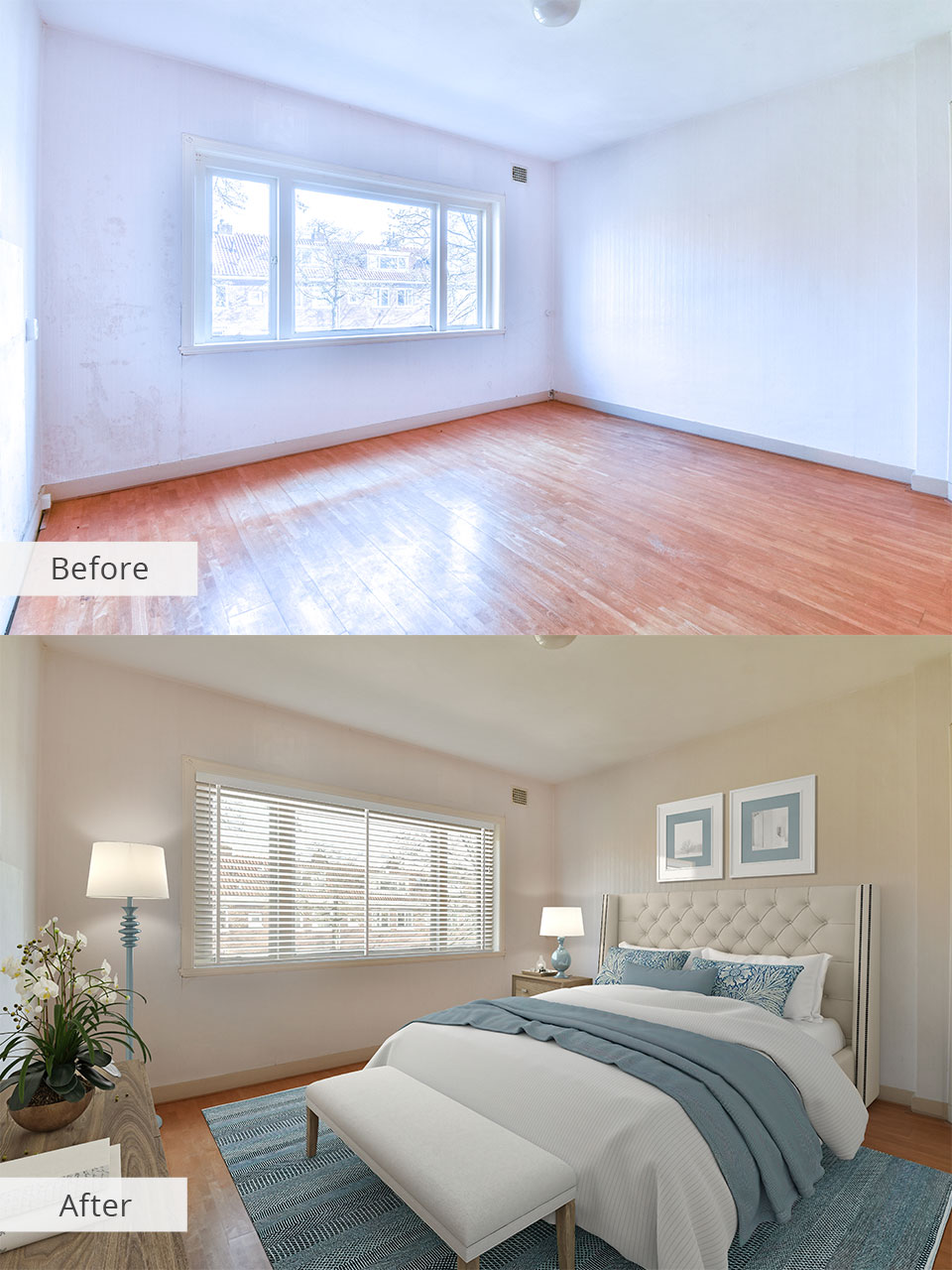
Painting your walls with natural house paint can turn a bright white harsh wall to something more relaxing. Pick calming colours (pale blues, earthy greens, muted greys or soft peach) to encourage rest and help with sleep. Some people like to paint an accent walk in a bolder shade behind the bed.
Update Flooring on a Budget
Read our post on sustainable flooring.
If you can’t afford a new carpet, a nice big rug (tacked for safety) is another option.
Arrange Furniture for Space and Comfort
Sometimes you don’t even need new furniture. Consider repositioning the bed to get natural light in the morning, or free up space. Try to position it, so bedlinen does not face in the afternoon sun. And avoid placing near noisy windows or radiators.
You could remove bigger furniture if it disrupts airflow, or rearrange to create better pathways, especially for older people or those in wheelchairs. Consider a reading chair in a corner, and store away extra chairs, laundry baskets or old bedside tables, to give more space.
Add Comfort and Personality
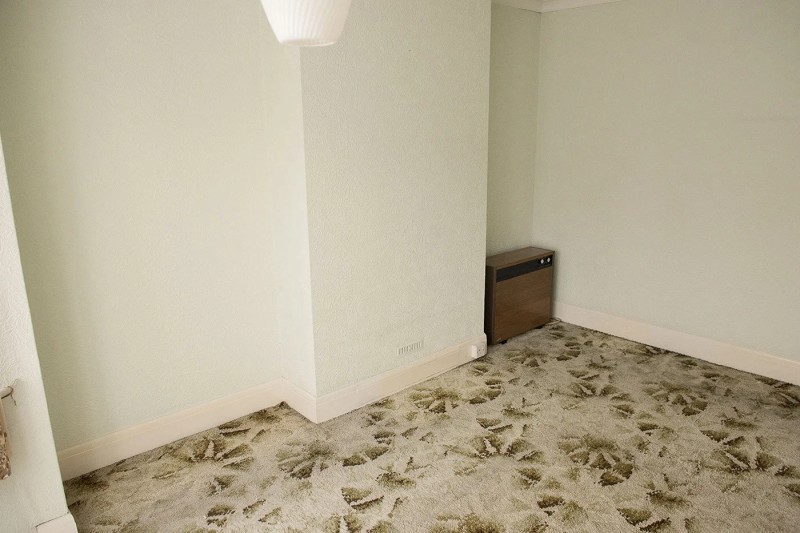
Fifi McGee before…
Adding comfort and personality brings a bedroom to life. Soft furnishings, meaningful accessories, and thoughtful details make the difference between a cold space and a sanctuary that suits you. You do not need a big budget to fill your room with warmth and style.
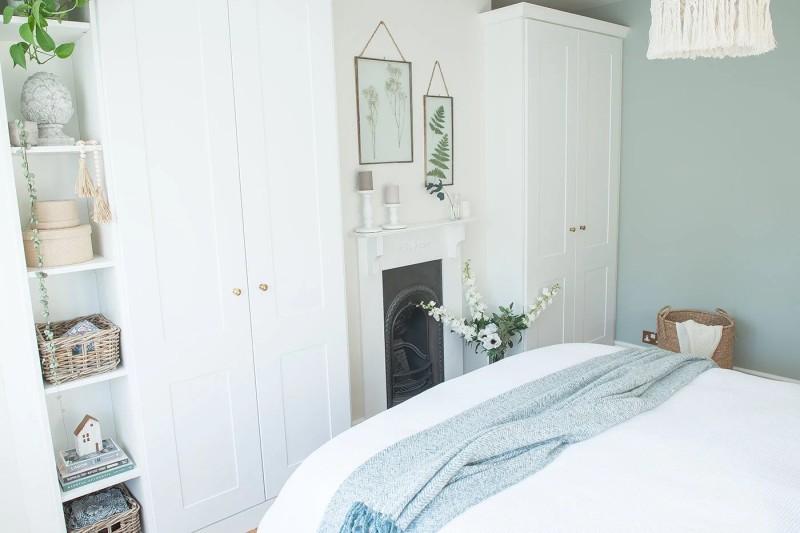
and after!..
The best bedroom makeovers often use clever choices, personal touches, and affordable swaps that transform the feel of your space without emptying your wallet.
Affordable Bedding and Sustainable Choices

The bed is the heart of any bedroom. Sustainable bedding does not cost that much, you can often find bargain linen or cotton bed sets, which last well over time, and give better sleep.
Sustainable Bedding and Fire Regulations
If avoiding fire retardants for bedding and pyjamas (fire regulations are still complied with), just take extra care:
- Avoid overloaded plugs & convector heaters
- Don’t leave warm laptops and phones on beds
- Test smoke alarms weekly, and know escape routes.
- Avoid ‘floaty sleeves or nightgowns’ (especially for children)
- Don’t smoke indoors. Use a personal ashtray outside.
- Avoid fabric conditioners (these increase flammability).
Avoid perfumes, essential oils and scented candles near babies or pets (air rooms before allowing them back in). Learn toxic plants to avoid near pets (including sago palm and lilies).
Style With Accessories and Lighting

Photos and prints: Add framed photographs or affordable prints. Paper High sells lovely photo frames made from a blend of recycled paper and elephant dung (the flecks depend on what your elephant friend ate that day!)
These albums have a serious side. As the villagers are paid to collect the dung, to see the local creatures as income, rather than harming them for eating crops, as their habitats disappear. As the average elephant eats around the same as us chomping down 300 cans of baked beans each day, that’s a lot of dung!
Plants: Even one small plant on a bedside table can make a room feel fresh. Choose low-care options if you are not green-thumbed. Read our post on pet-safe plants to know ones to avoid near pets (including lilies and sago palm, both toxic, even if a tail brushed past).
Add a few favourite books (not horror novels!). Join the local library and go through your favourite genre for bedtime reading (romance, Agatha Christie novels etc). Don’t read ‘to-do’ novels at bedtime, or of course you could read a bedtime devotional, always nice.
A quality lamp on your bedside table is nice for bedtime reading, make sure it’s a good one, so it gives enough light for reading, without having to turn on the main light. Use with energy-efficient light bulbs.
Turn lights off when not in use (or use blinds/curtains and task-lights, to help stop birds flying into windows).
Light cotton curtains are easy to hang and wash, or choose wooden blinds that are cheap to cut and fit. They (or net curtains) give privacy during the day, if you wish to relax before the evening in privacy).
A bedroom makeover doesn’t need a big budget, or a week off work. Most of the “before” problems come from the same few things: colour that fights the light, one harsh ceiling bulb, bedding that doesn’t feel finished, and a layout that makes the room awkward.
This post shares budget bedroom makeovers with simple before and after inspiration, plus steps you can copy this weekend. Expect quick wins, not perfection. You’ll focus on the biggest levers first: colour, lighting, textiles, layout, and styling. When those five line up, even a small room starts to feel calmer.
Start with a plan that saves money
It’s tempting to buy bits first, then “make it work”. That’s how you end up with three cushions you don’t like and no bedside lamp. Instead, do the unglamorous steps up front. They take an hour, and they save cash.
First, measure the room. Note the wall lengths, window width, and where sockets sit. Then measure your bed and any bulky pieces. After that, declutter in a brisk way. You’re not organising your whole life, you’re just giving the room space to breathe.
Next, set a spend limit, even if it’s small. Write the number down. It helps you choose on purpose.
Finally, decide on one main change (your hero), then choose two supporting changes. That’s the whole plan. For example, paint as the hero, then better lighting and new bedding as support.
Before you shop, shop your home. It’s not about being clever, it’s about using what you already paid for.
- Lamps: Move a living room lamp into the bedroom for a week.
- Art and frames: Reframe prints you already own, or swap frames between rooms.
- Throws and cushions: Pull one good texture from the sofa, then keep the rest simple.
- Trays and bowls: Use one as a bedside “landing spot” for small items.
- Furniture: Try a stool as a bedside table before you buy anything.
Pick your ‘hero’ change: paint, textiles, or layout
Choose the hero based on the room’s biggest problem.
- If the room feels too dark, paint usually gives the fastest lift. A warm off-white, soft taupe, or muted green can calm a space without looking bland. Test first with sample pots, because light changes the colour more than you think.
- If the room feels too busy, textiles often fix it. A new duvet cover that sets the tone, plus curtains that match the same family, can make the room look pulled together. Keep patterns limited. One pattern is plenty.
- If the room feels too small, layout matters most. Moving the bed can open a walkway, improve access to storage, and stop the room feeling blocked. Sometimes the “after” is just the same furniture, but placed with more care.
A few realistic hero examples:
- Fresh wall colour to brighten a north-facing room.
- New duvet cover and curtains to replace a jumble of colours.
- Bed moved away from a door swing to clear the path.
Set a budget that works: a simple split for spend, save, and DIY
A budget works best when it has lanes. Otherwise, the small buys eat everything.
A simple split that suits most budget bedroom makeovers:
- 50% on the hero change (paint, curtains, bedding, or a small rug)
- 30% on lighting and comfort (bulbs, bedside lamps, pillow upgrade)
- 20% on décor and storage (baskets, frames, hooks, trays)
To cut costs, start with second-hand. Facebook Marketplace is good for mirrors, lamps, and solid wood bedside tables. Charity shops are often better for frames, small rugs, and throws. End-of-season sales help with bedding and curtains, especially after winter.
Upcycling also keeps things cheap. Sand lightly, then prime, then paint. That order matters, because it stops peeling later. Stick to one finish in the room (for example, matte black or warm brass) so old and new don’t clash.
From dull to calm: a softer colour palette and better bedding
Before: Flat magnolia walls, mismatched bedding, and nothing that anchors the bed area. The room feels tired, not restful.
After: A warm neutral or muted colour, then layered bedding that looks intentional.
What changed:
- Paint (or one feature wall) using testers first
- Duvet set in a solid, mid-tone shade
- Throw plus two cushions for texture
- Simple art above the bed (one larger piece works best)
Why it worked: the palette stays to three colours (wall, bedding, accents), so the eye relaxes. The bed becomes the focal point, even with basic furniture.
Rough cost range: £60 to £180, depending on whether you paint and how much bedding you replace.
From cramped to airy: smarter layout and a light-catching mirror
Before: A blocked window, a tight path to the wardrobe, and chunky bedside tables that steal floor space.
After: The layout opens the walkway, and a mirror helps bounce daylight.
What changed:
- Bed shifted to clear the main route through the room
- Bulky tables swapped for wall shelves or slim stools
- Mirror placed opposite (or near) the window
- Curtains hung higher and wider to “stretch” the wall
Why it worked: you’re making space where your body moves, not where furniture sits. Higher, wider curtains also make the window feel bigger, even if it isn’t.
Measuring tip: leave at least 60 cm for a comfortable walkway beside the bed, if the room allows.
Rough cost range: £30 to £150, especially low if you only rearrange and buy a second-hand mirror.
From messy to tidy: hidden storage that still looks nice
Before: Clothes piles, cluttered surfaces, and no home for the small daily stuff. Even clean rooms look messy when surfaces are busy.
After: Storage becomes part of the look, not an afterthought.
What changed:
- Under-bed boxes or zipped bags for out-of-season items
- Matching baskets on a shelf for “category” storage
- Over-door hooks for tomorrow’s outfit or a dressing gown
- A bedside tray for pocket items and chargers
Why it worked: you remove the visual noise, then give each loose item a place. The room reads as calmer straight away.
A simple rule that helps: keep bedside surfaces clear except lamp, book, water (and maybe the tray).
Rough cost range: £25 to £90, depending on how many containers you need.
From plain to cosy: lighting layers and texture (no rewiring needed)
Before: One harsh ceiling light and a cold feel at night. The room looks fine in the day, then feels flat after sunset.
After: Warm lighting in layers, plus one or two soft textures.
What changed:
- Warm bulbs (look for 2700K on the box)
- Bedside lamps or plug-in wall lights
- String lights or an LED strip behind the headboard (optional)
- Textured rug or heavier curtains to soften sound and feel
Why it worked: layered light gives you choices. You can read, wind down, or get dressed without glare.
Safety notes: don’t cover bulbs, avoid pinching cables under furniture, and use a surge-protected extension lead if you need extra sockets.
Rough cost range: £35 to £160, based on how many lights you add.
Make the ‘after’ last: finishing touches and easy upkeep
The best “after” photos have one thing in common: nothing looks crammed. Styling works when it’s a light touch, and when you leave empty space on purpose.
Keep décor to a few larger choices, not many small ones. One piece of art with breathing room beats a busy gallery wall you never finish. The same goes for plants, candles, and ornaments. Pick one or two, then stop.
Here’s a quick checklist you can screenshot and reuse:
- Make the bed properly (pillows stacked, throw folded)
- Keep one clear surface (usually the bedside)
- Hide cables where you can (clips help)
- Store spares out of sight (under-bed or top shelf)
- Stick to one metal finish (handles, frames, lamps)
- Do a quick floor clear before vacuuming
Style like a pro on a budget: art, plants, and bedside basics
Start with scale. Small art above a double bed can look lost. Go bigger, or group two frames with tight spacing.
Low-cost moves that look intentional:
- Larger art using printable downloads and a charity shop frame
- One plant (real, if the light suits it, or a good faux)
- Matching hangers for the visible rail section
- A tray to corral daily items, so the top still looks neat
- One scent choice (candle or diffuser), kept simple
A 10-minute reset routine that keeps the room photo-ready
This is the routine that keeps the “after” from fading by Tuesday.
- Make the bed, even if it’s not perfect.
- Put clothes in the hamper, not on the chair.
- Clear surfaces, then return items to trays or baskets.
- Open the window for a few minutes.
- Straighten cushions and the throw.
- Put one thing back where it belongs, even if you’re tired.