Zero-Waste Living Room Makeover: Redecorate on a Budget
A living room makeover doesn’t need a big budget to look like a real before and after. Most rooms change fast when you tweak the layout, fix the lighting, and add the right textiles. Paint helps too, but it’s not the only answer. Ensure any plants are pet-friendly and avoid facing outdoor gardens, to help prevent bird strike.
If you can shift a sofa, swap a bulb, and hang curtains higher, you’re already most of the way there.
Your home is your sanctuary, and giving it a beauty makeover does not have to cost a fortune. By room, it’s possible to do this on £50 to £100 if you have few resources, using a bit of innovation, second-hand finds and rearranging furniture.
Bright white often can look start, but off-whites are nice for small living rooms, then choose a couple of accent colours, to blend with the accessories you intend to choose.
Fresh natural paint is the quickest way to lift a tired living room. Some people prefer light and fresh living rooms, others prefer darker and warmer colours.
Living rooms benefit from a few nice lamps, so you are not sitting with strong light over your head. Also visit charity shops and discount stores to find bargain sofas and armchairs (ensure they have fire safety tags attached, they should do as it’s illegal to sell them otherwise).
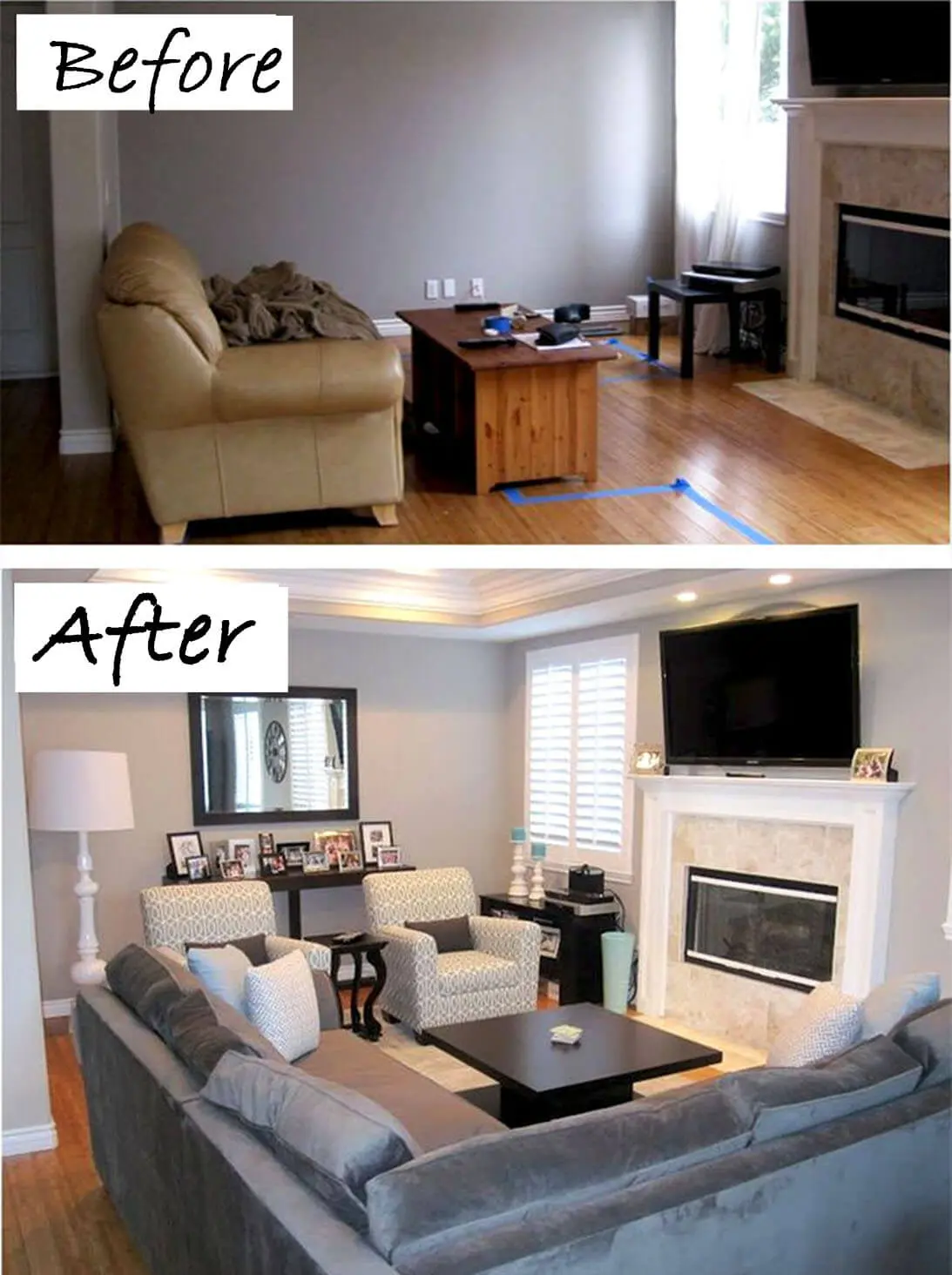
Experts say that rather make ‘all the chairs face the TV’, it’s nice instead to arrange them in an L-shape. You should still be able to see the TV, but this way you are also encouraged to sometimes turn the TV off and engage in conversation!
Often rearranging the furniture can encourage good walkability, and let in natural light. Look at the difference with this living room, simply from rearranging furniture and a fresh lick of paint:
The budget makeover game plan
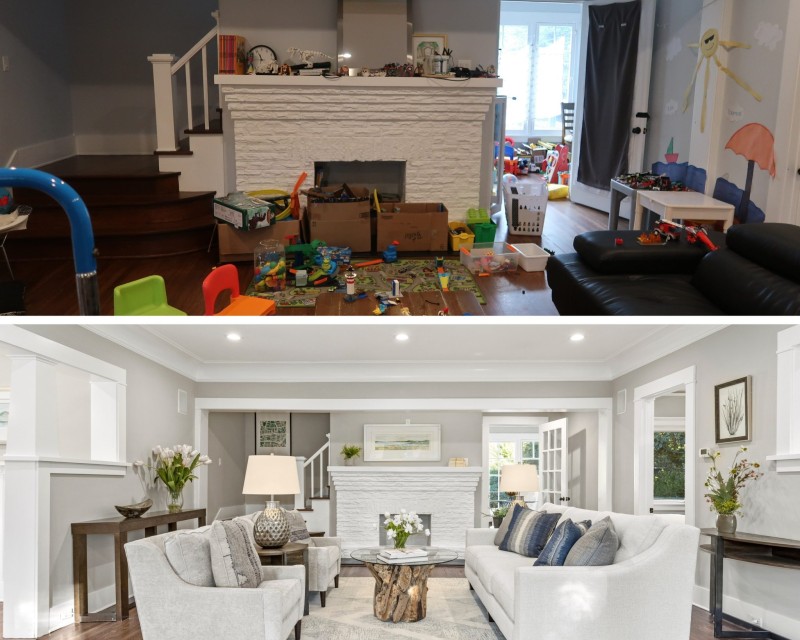
The easiest way to waste money is to shop before you decide what the room should feel like. Start with one clear goal, then make a few confident choices that support it. Think: brighter, calmer, warmer, or more pulled together.
Next, choose a colour direction. Keep it to two or three main colours, then add one accent. That alone stops the “bitty” look. After that, decide what stays. A sofa you already own is often the biggest “budget saver” in the room, so work with it.
If you only remember one thing, make it this: scale and light do most of the heavy lifting. A too-small rug and a single harsh ceiling light can make even nice furniture look wrong.
If the room feels off, it’s usually not your taste. It’s often layout, lighting, and clutter.
A 15 minute audit (what to keep, fix or replace)
- Take photos from three angles, including the doorway view.
- Note what feels off, for example dark corners, cluttered surfaces, no focal point.
- Measure the sofa width, then measure the rug area (you want front legs on the rug).
- List what you can keep (sofa, TV unit, curtains), what to fix (handles, lampshade, cable mess), and what to replace (too-small rug, tired cushions).
Create a simple budget:
- Soft furnishings (rug, cushions, throws, curtains) should be 40% share of budget
- Lighting (lamps, shades, bulbs) should be 25% of budget
- Paint an DIY bits should be 20% of budget
- Decor and storage should be 15% of budget
For example:
- £150 budget: £35 bulbs and a floor lamp (second-hand), £45 curtains, £40 cushions and a throw, £30 paint for one wall.
- £400 budget: £140 rug (right size), £90 lighting, £80 paint and tools, £90 curtains and cushion covers.