Inspiration from Abroad: How Central Park is Litter-Free
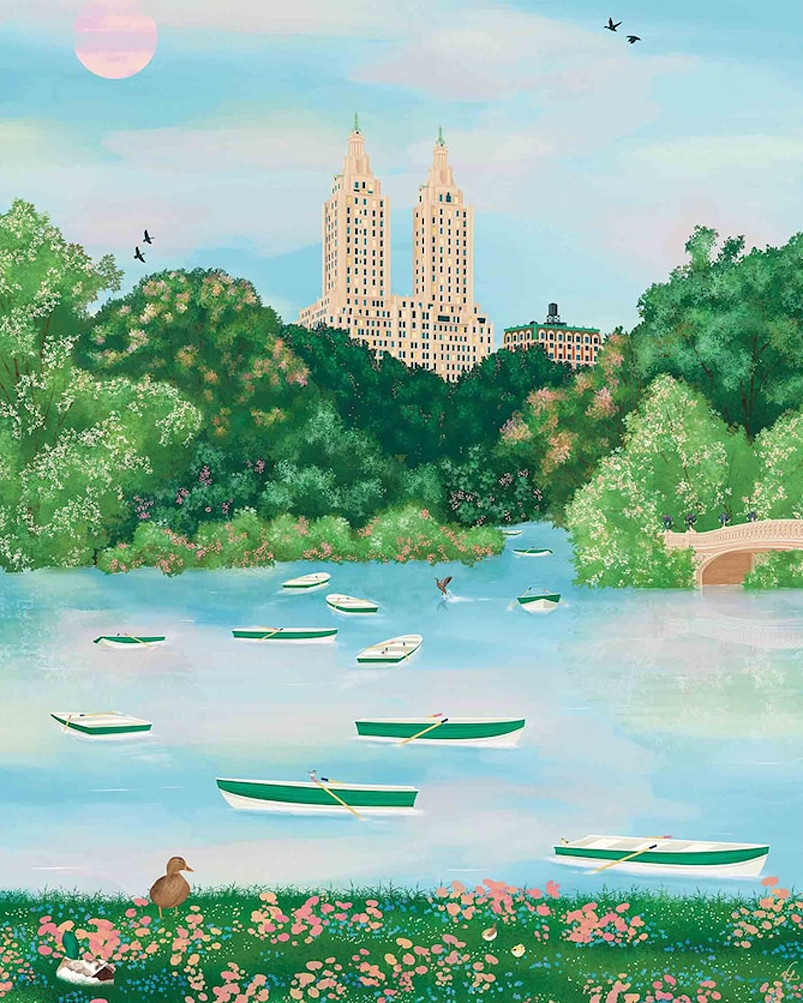
Central Park is one of the world’s biggest city public spaces, home to many birds and wildlife, and popular with millions of residents and tourists. Yet incredibly, it’s also practically litter-free. So what can we learn from the park that was actually inspired by England’s first public park in the city of Derby?
It wasn’t always like this. In the 1970s, Central Park was heaving with litter (it was also quite dangerous with lots of crime, but no more). And recently, it has banned horse-drawn carriages, after years of campaigning for horse welfare (there are many road accidents).
Read about pet-friendly plants (avoid bulbs and conkers near dogs). And learn of trees to avoid near horses (including yew, oak and sycamore).
Good trash cans and better collections
- Central Park has over 700 patented aluminium trash cans that are designed to not let ‘rubbish fly away in the wind’ like in England’s parks. Staff collect over 1300 tons of trash each year, and with high recycling rates. Electric carts are used to collect 8 tons of trash daily.
- The park is divided into around 50 10-acre zones. Each garden is responsible for both litter removal and horticultural upkeep, with signs to discourage visitors from bringing plastic into the park, to stop wildlife injuries or entrapment.
- Litter bins are not situated in the middle of landscapes or high-traffic areas, to minimise rodent access. Local stations process mixed waste asap to reduce odour and prevent scavenging overnight.
- Volunteers use bagsnaggers (telescopic poles) that remove snagged plastic bags from trees or rivers.
What England can learn from Central Park
England does not really have a park to compare. London’s Regent’s Park is around half the size. While Richmond Park and Birmingham’s Sutton Park are around twice the size of Central Park.
Despite the ongoing Birmingham bin strike (where people live with rats and volunteers have to send rubbish to landfills themselves), one mother recently was fined £150 for dropping a kale leaf in a shopping trolley, while gathering food for vulnerable people.
Although Richmond Park has strict laws on litter, these are not always adhered to. Councils are responsible for clearing up litter (no matter who dropped it) on public land. Report any you find to Fix My Street. And for private land, they can serve Litter Abatement Orders (if not complied with, they can issue fines or clear the litter and issue invoices to bill landowners).
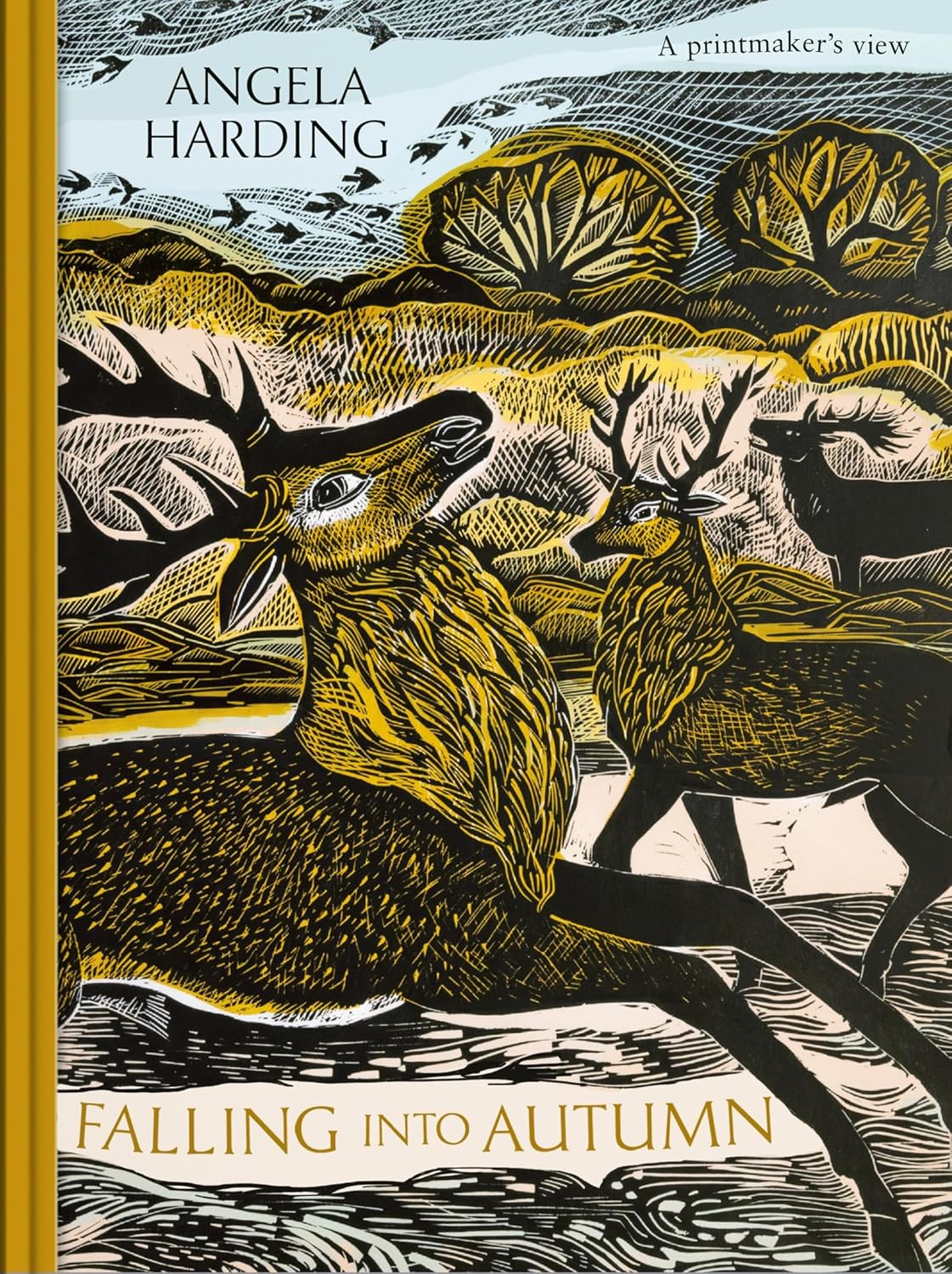
Richmond Park is of course known for its wld deer, that frequently mistake dropped rubbish for food. Stags can also get plastic rubbish tangled in their antlers. Common littered items are disposable blue face masks (always snip the ear strips before disposal if you find any), and blue hydration gel (dropped by cyclists – some deer have died from eating it).
Other hazards are plastic bags, balloons and plastic beer rings (again snip or rip them up before found, before disposing in covered bins – same with elastic bands and hair ties or anything with a ‘circular hole.
The Isabella Plantation bursts colour each spring and summer (Azaleas and rhododendrons (toxic to dogs) line the winding paths.
Alternatives to culling deer?
Richmond Park culls deer, saying venison profits help fund Wildlife Officers. And says contraceptives would cause stress through rounding up/fencing (and could impact male deer and other wildlife). And says this is done to avoid starvation. But a Freedom of Information Act found profits are huge, some it’s just a ‘glorified farm’. Deer contraception appears to be working well in the USA (with some caveats).
Other deer have died from litter, collisions with cyclists, becoming trapped in fencing, cables and rope and even a calf abandoned due to someone picking it up. Read more on how to co-exist peacefully with deer.
Councils should not plant flowers in railings, as deer (that eat floewrs) can get stuck in them.