The Beautiful Tudor City of Chester (Cheshire)
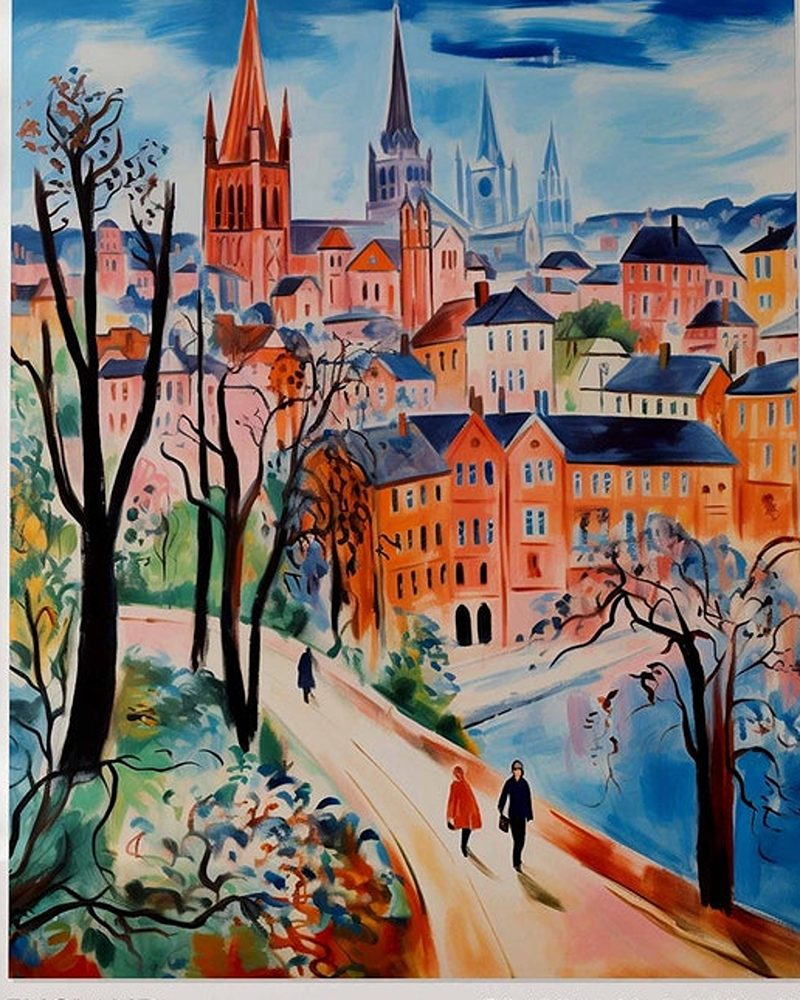
Chester is often called one of England’s most beautiful cities. This ancient place of striking old walls and black-and-white Tudor buildings (two-storey shopping galleries under covered walkways, found nowhere else in Englan
You arrive near the Welsh border and almost at once the mood changes. There are old walls under your feet, black and white timbered buildings at eye level, and the River Dee softening everything at the edges.
If out walking, follow the Countryside Code to keep all creatures safe. Keep dogs on leads near steep banks (and away from toxic spring bulbs).
What makes Chester’s Tudor character?
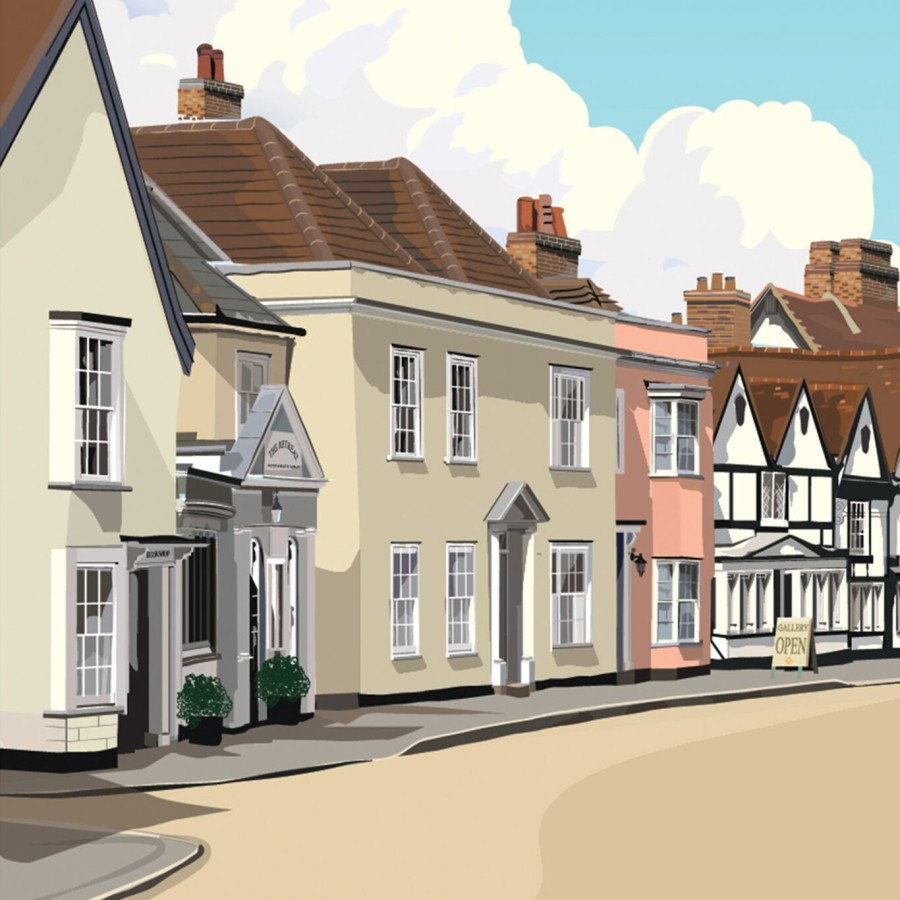
Chester’s beauty comes from layers of time, yet the Tudor look is what most people notice first. In the Chester city centre, black and white half-timbered buildings lean into the streets and frame the shopfronts below. The effect is warm rather than grand. It feels lived-in, slightly crooked, and full of personality.
That’s part of the appeal of historic Chester. It doesn’t look polished into something flat or museum-like. Instead, it feels textured. You see old beams, narrow lanes, upper floors that seem to hover over the pavement, and corners that open up slowly. The city has a kind of rhythm to it, and it’s best enjoyed on foot.
Tudor Chester also works because the old streets still carry everyday life so well. You can buy coffee, step into an independent shop, then look up and notice timber framing that has shaped the scene for centuries. The past isn’t sealed off here. It sits right alongside the present, which makes the place feel natural rather than staged.
The Rows and timbered buildings
The Rows are the feature people remember most. They are covered walkways with shops on two levels, and they give Chester a look that feels unlike anywhere else in England. At street level, there’s the usual flow of people and shop windows. Above, there’s another layer, quieter and slightly hidden, like a second street suspended over the first.
Eastgate Street shows this best, especially when the timbered fronts catch the light. Then Bridge Street and Watergate Street carry the same mood, with deep shop fronts, old woodwork, and narrow views ahead. Walking here feels a bit like moving through a stage set, except nothing is false.
A city shaped by Roman history
Chester began as a Roman fortress, and that early plan still matters. The walls started in Roman times, and parts of the street pattern go back a long way. Yet the atmosphere most visitors love comes later. Medieval lanes, Tudor rebuilding, and centuries of trade shaped the city people see now.
Walk the city walls for the best views
The walls are one of the best things in Chester because they show how the city fits together. From up there, you see rooftops, church towers, timbered streets, and open green spaces in a single sweep. It helps you understand the city before you get lost in its details.
Eastgate Clock is an obvious stopping point. It sits above one of the busiest streets and gives the scene a touch of ceremony. Near the cathedral area, the views soften a little, with trees and stone adding calm. Then, as you continue, you catch glimpses over the River Dee.
From Chester Cathedral to the River Dee
Chester Cathedral adds a different kind of beauty. It’s solid, calm, and slightly apart from the busier shopping streets. Around it, the pace drops. There are green corners, old stone, and enough space to stop for a moment without feeling in the way.
From there, it’s easy to move south towards the River Dee. This is where Chester opens up again. The river brings in light, movement, and a softer edge. There are bridges, boat trips, tree-lined paths, and benches where people sit without much hurry. In a small city, that contrast matters. One moment you’re among Tudor shopfronts and busy pavements; the next you’re beside water, watching the current pass.
The river also makes Chester feel more complete. It isn’t beautiful in only one way. The city has the close, detailed charm of old streets, but it also has air, green space, and room to breathe.
A walkable city with history and charm
Everything sits close together, so a day never feels wasted in transit. You can move from city walls to shops, from tea rooms to the cathedral, then down to the river without much planning. For couples, families, solo travellers, and history lovers, that makes a real difference.
There’s also enough variety to keep the day balanced. Independent shops sit beside familiar names. Old pubs and cafés break up the walking. Meanwhile, the centre stays small enough that you rarely feel rushed.
The Main Cheshire Towns
- Crewe was once a small village, until the Grand Junction Railway was built in the 1830s. The town grew up around the railways, all the houses, shops and schools shaped by the train industry.
- Nantwich feels like a walk through the pages of history. Black-and-white timbered buildings line its streets, dating back to the days after a great fire in 1583. The town’s medieval charm is made even richer by a lively food and festival scene.
- Warrington sits at the heart of modern Cheshire, linking Liverpool, Manchester, and the wider North West. Once a quiet crossing on the River Mersey, it grew rapidly with canals, railways, and industry.
Sharing Land More Fairly?
A large amount of Cheshire is owned by the Duke of Westminster, including Eaton Hall. Who despite being born with ‘the longest silver spoon anyone could have’ is at least using some of his wealth to help the less fortunate in society.
However there are calls for him to ban hunting on estates he owns (one creature was actually killed in someone’s garden, after the hunt pursued it onto private land)
Read more on why England could share land more fairly.
Cheshire’s Coastline and the Irish Sea
Cheshire is one of England’s most beautiful counties, nearly all of it rural apart from a few major towns like Warrington. Close to Wales, it is mostly inland but does have a short coast facing the Irish Sea.
Although known for its leafy centre, Cheshire edges out to the Irish Sea, offering its own mix of wild coast and seaside industry. Highlights include the Dee Estuary (vital for birds and wildlife) and the small towns of Neston and Parkgate, offering salt marsh views and fresh air.
If at the coast, read about how to keep dogs safe by the seaside.