Sapling climate positive vodka (with freepost return refill packs)
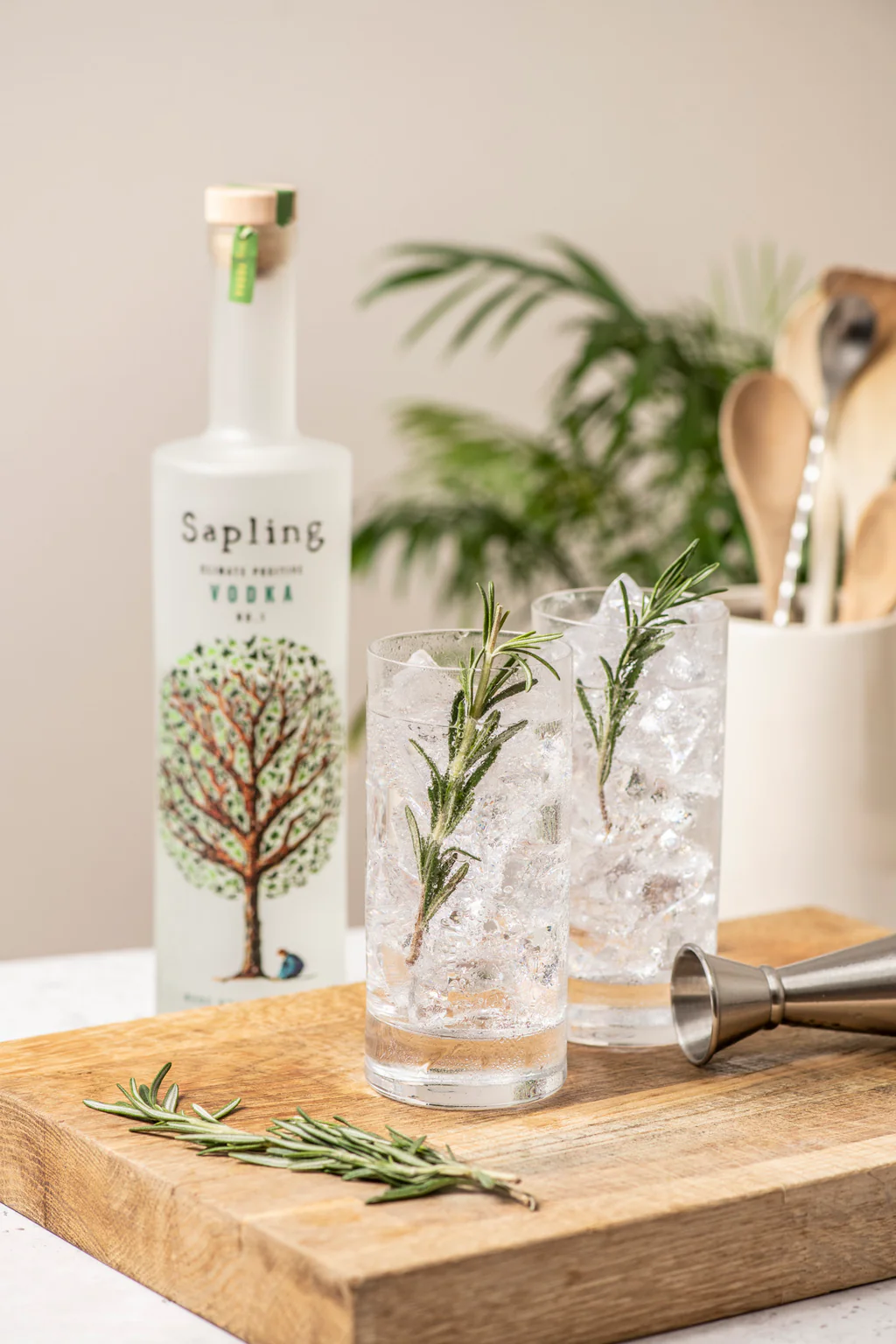
Sapling is a range of climate-positie vodkas, made with organic and responsibly-sourced ingredients. All made with methods that reduce waste, improve soil health and help increase biodiversity.
To reduce glass waste, the bottles are sold alongside refill pouches and boxes. Once you’ve refilled your bottle, pop the pouch in your nearest postbox for recycling, no stamp needed.
Rinse then recycle bottles (caps can be left on, machines separate them). Recycle corks in bulk at Recorked.
Corks are too dense to compost, so send off in bulk to Recorked for recycling.
The range includes:
Standard vodka is made from organic winter wheat, distilled four times for a clean crisp and naturally sweet taste. It features herb and citrus notes. Ideal on the rocks or for lime sodas.

Sapling regenerative vodka uses eco farming methods for a tasty mix of toffee, cereal, chocolate orange and slight woody notes. It’s fermented using low carbon koji.
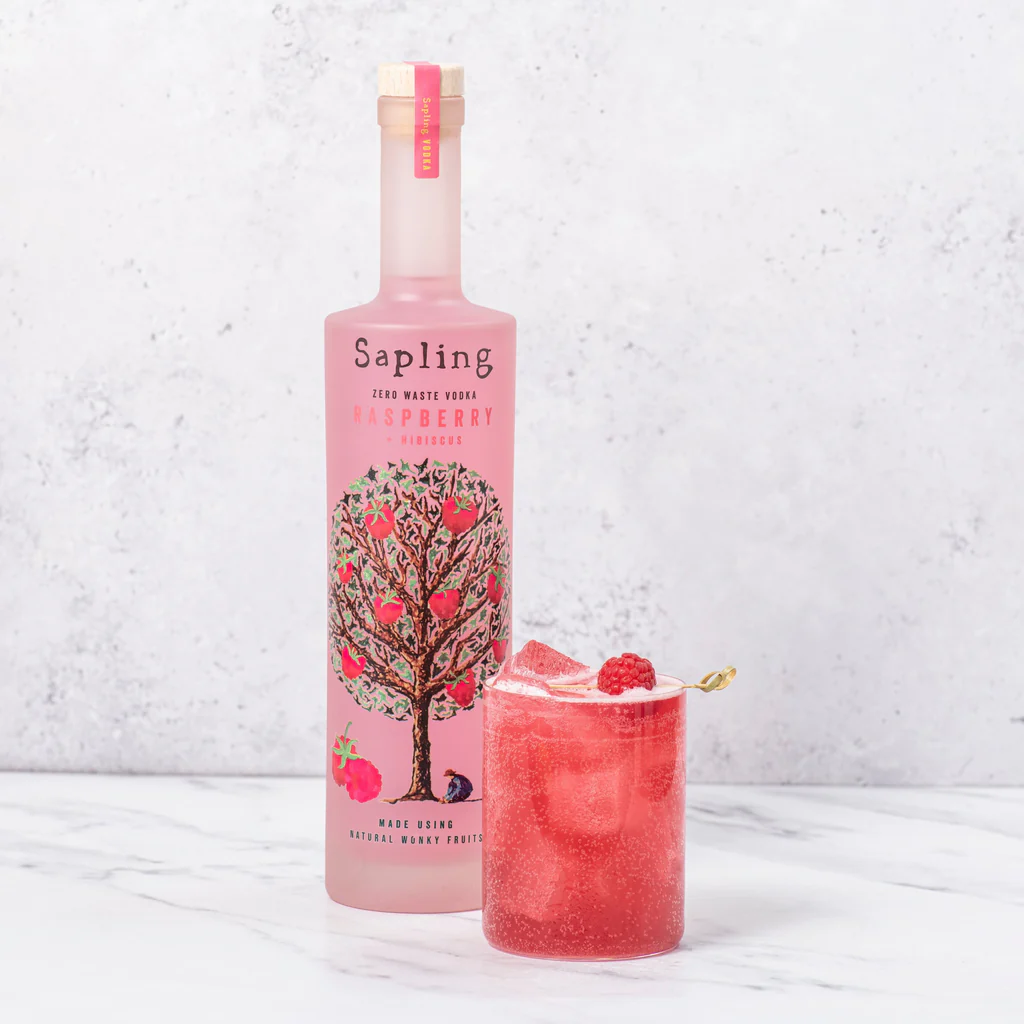
Raspberry hibiscus vodka is made with wonky raspberries that have been rejected by industry. This fruity refreshing blend is nice for summer. Hibiscus should not be consumed during pregnancy, but hopefully you won’t be drinking vodka anyway.
How to serve Sapling vodka
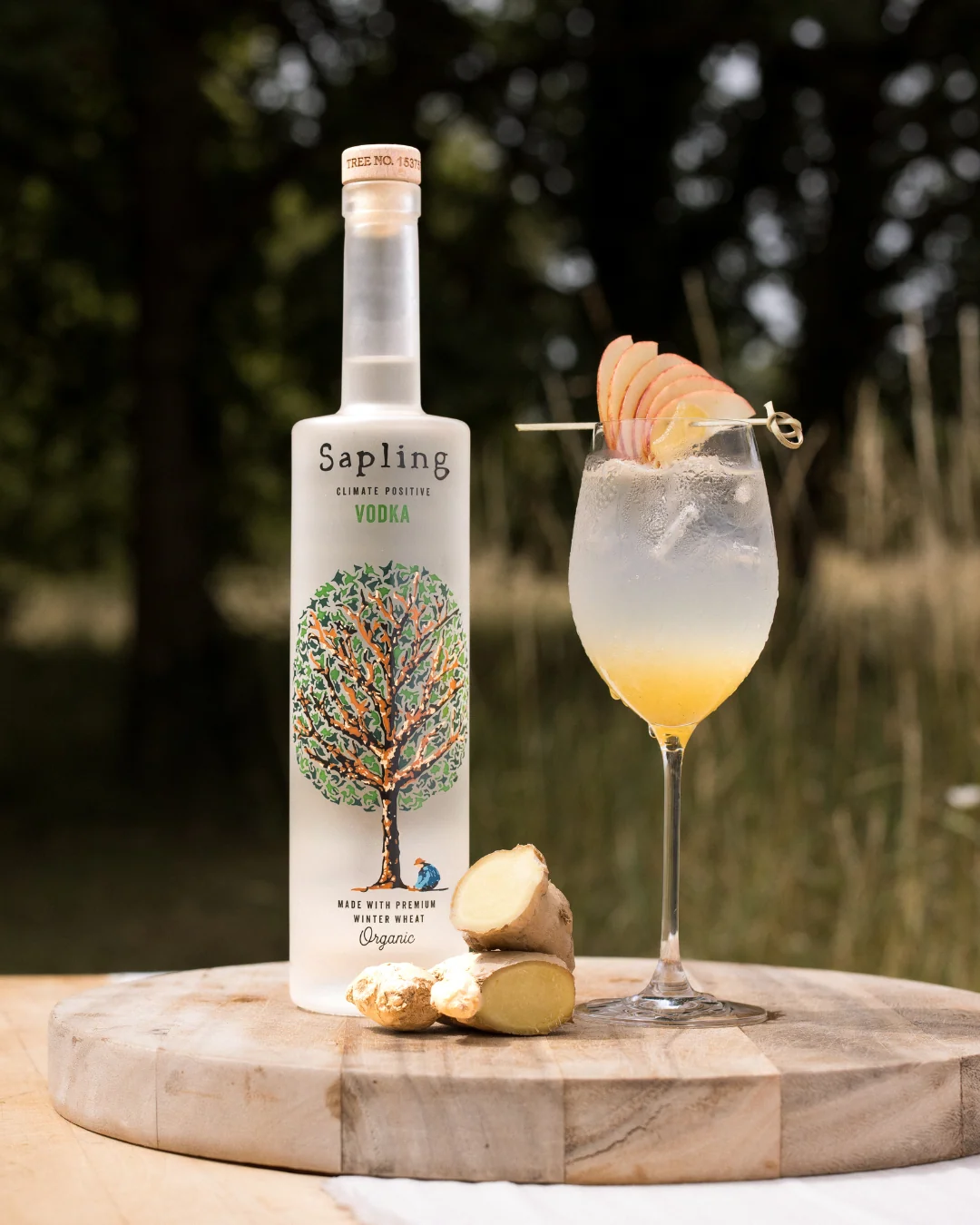
- Add ice to a wind glass.
- Pour over 50ml vodka with:
- 10ml ginger cordial and 30ml apple juice
- Top with elderflower tonic
- Garnish with apple slice and candied ginger
- Fill a highball glass with cubed ice.
- Add 40ml vodka, 100ml tomato juice
- And 10ml lemon juice
- Pinch of chilli flakes & sea salts
- A couple of dashes of hot sauce
- Garnish with a lemon wedge
How Sapling is planting trees worldwide
For every bottle of gin or refill sold, this brand plants a tree. It’s already planted over 500,000 trees around the world (including fruit trees in London and hazelnut trees in Suffolk which endangered dormice will appreciate), with the mission to plant 1 million by 2027.
Once you’ve refilled your bottle, pop the pouch in your nearest postbox for recycling, no stamp needed.