Innovative Community Ideas for Free Food!
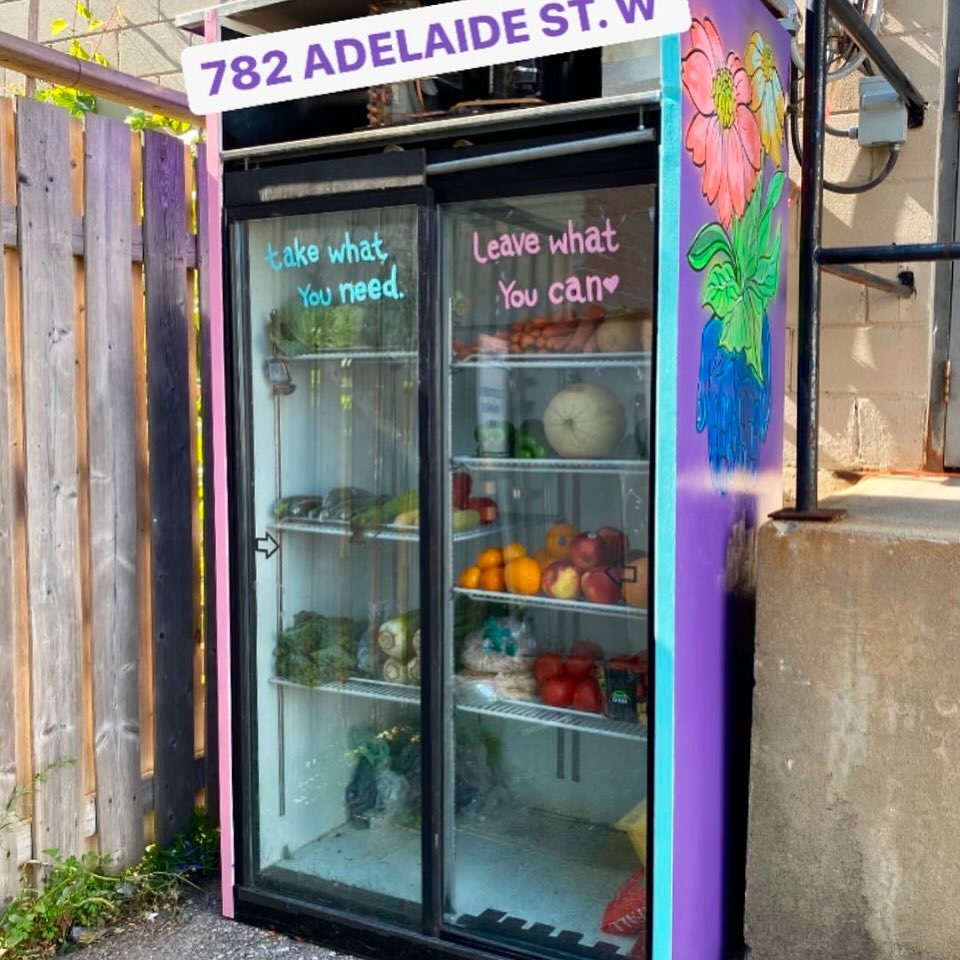
The Community Fridge Network is an organisation run by Hubbub, where volunteers get together to start a ‘fridge of free food’ to help reduce food waste, and feed hungry people.
Obviously there are food safety issues involved here, but don’t worry because if your community, school or office signs up, you get a resource pack including food safety details, to keep everyone safe. Already there are over 700 community fridges across the UK, which so far have provided 24 million free meals, and prevented over 10,000 tons of food waste going to landfill.
Before cooking, read up on food safety for people & pets (many human foods are unsafe around animal friends). Recycle packaging at kerbside or supermarket bag bins.
If donating food, know that ‘best-before’ food is usually okay (but don’t drop of food past its ‘use-by date’, as this is not safe). Also ensure hands are clean when accessing free food, to prevent breaking food hygiene rules.
You’ll also receive templates and posters, to get your Community Fridge up-and-running in no time. Food waste is a huge issue in England, and yet we have many people struggling to afford to eat. Landfilled food also emits lots of greenhouse gases, this is such a no-brainer idea, we need more like them!
Use Hububb’s interactive map to find your nearest Community Fridge. You can volunteer, drop by to share surplus food (or pick some up).
Shops, bakeries, restaurants and hotels can also get involved, dropping off food that would otherwise go to waste, at the end of the day. Worldwide, community fridges are thriving from Los Angeles to India. Let’s get the community fridge movement growing in England, too!
Bike Brigade (volunteer cyclists delivering free food)

Here’s a smashing idea from over the pond. In Toronto (Canada), The Bike Brigade is a group of around 1000 volunteer cyclists, that work with food banks to cycle free food (and pet food) to vulnerable people, who can’t get to the shops, due to disability or lack of transport. The idea began during the pandemic, and has grown ever since.
The riders are all vetted. If one falls off a bike or can’t reach the recipient, they just send a text to let the organisation know they are okay, and someone else is sent out, to make sure everyone in the community eats.
This in a city where around 1 in 5 struggle to buy food (and 31,000 households in low income brackets live more than 1km away from the nearest supermarket). The organisation also delivers medications and other essential items, for people unable to pick up themselves.
And of course for volunteers, this means non-polluting exercise, and a great way to do real good within a community, and help to empower local people against the domination of big supermarkets.
Gloucestershire’s Long Table (pay-what-you-can meals)

The Long Table (Stroud and Cirencester, Gloucestershire) is an award-winning social enterprise. It serves local seasonal food that is donated from local shops and allotments, to feed people with mostly plant-based meals, that also supports local farmers.
Founded by two friends who shared a mutual dismay of how society is ‘doing food badly’ and leaving people unwell and lonely (in a country where a third of all food grown and made is never eaten) they decided to do something to help.
The meals are offered on pay-what-you-can donation, with money given used to invest in pay-what-you-want cafes and a Teenage Kitchen (one student has already found a job as a baker at a local farm shop, proving this model is also creating stable full-time jobs).
Each month, the organisation publishes its standard meal cost (in February 2024 this was £9.30). But if you can’t afford that, it’s okay.
It’s just a guide to show how much it costs to make a meal, you will never be charged any more than this, even if you can afford it. But of course you can choose to pay a little more, which helps The Long Table offer more meals for free or less cost.
The Gleaning Network (free food from leftover harvests)
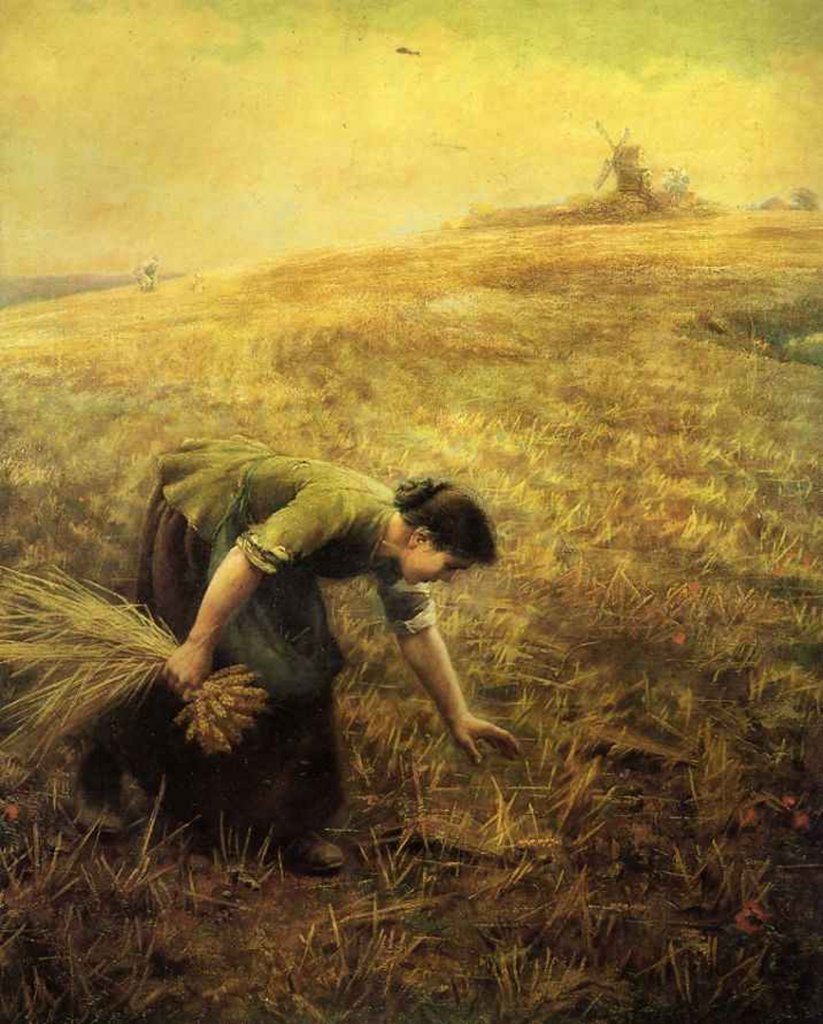
If you’ve never heard of ‘gleaning’, then you don’t know your Bible! It’s basically the ancient practice of harvesting leftover produce from the fields, then giving it to hungry people, to stop it going to waste.
Gleaning Network is not religious, but influenced by the ancient Biblical custom of ‘not reaping the corners of a field nor going over the field again after the first harvest’ to let those in need, ‘glean’ what’s left behind.
The food often comes from excess produce grown on local allotments, which are dropped off to give to those in need. Volunteers turn surplus farm produce into free meals, and once even cooked a dinner to ‘feed the 5000’. Jesus would be proud!
Linked to ‘Leftover Bread’ Beer!

If you’re familiar with the beer company Toast Brewing (that brews vegan ale using leftover bread), you’ll be pleased to know that these two organisations are linked.
All profits from the beers go to Feedback Global (the food waste charity started by the founder of Toast Ale – he remains on the board, to ensure it can never be sold to Unilever!)
What Greta Thunberg is doing for the planet, Tristram Stuart is doing to cut food waste. Shocked when he found out that all the food thrown out in the world each year, could feed every single hungry person on earth.
He has a lot of influence, where his TED Talk has been viewed over a million times (see it on his site). He’s very posh (from Sussex) and has made it his mission to help all the impoverished people worldwide, who have no food, due to westerners throwing it away. Read his facts twice:
- 20% to 40% of all UK fruit and veg are rejected, even before they reach the supermarkets.
- UK households throw away enough bread and cereals, to lift 30 million hungry people out of being malnourished.
- 24% to 35% of school lunches end up in the bin.
- 40% to 60% of all fish caught in Europe are discarded.
Food Recovery Network is the worldwide movement. Many regions have dedicated gleaning networks, making it simpler than ever to join in. Just imagine spending a day in the great outdoors, helping those in need, while enjoying the fresh air. Just remember to leave some food for wildlife.
Download a free Gleaning Toolkit to start something similar in your area, to deliver excess farm food that would otherwise go to waste.