Volunteer Community Gardens (get involved!)
The community garden movement has not yet taken off in the way that it has say in US cities like New York and Chicago. It’s amazing that we don’t have more of them, considering we now have a society, where many people are struggling to find affordable food.
Although food banks have their place, far better than eating cans of donated processed food – is to get together and find a plot of unused land, fand grow fresh organic produce for free!
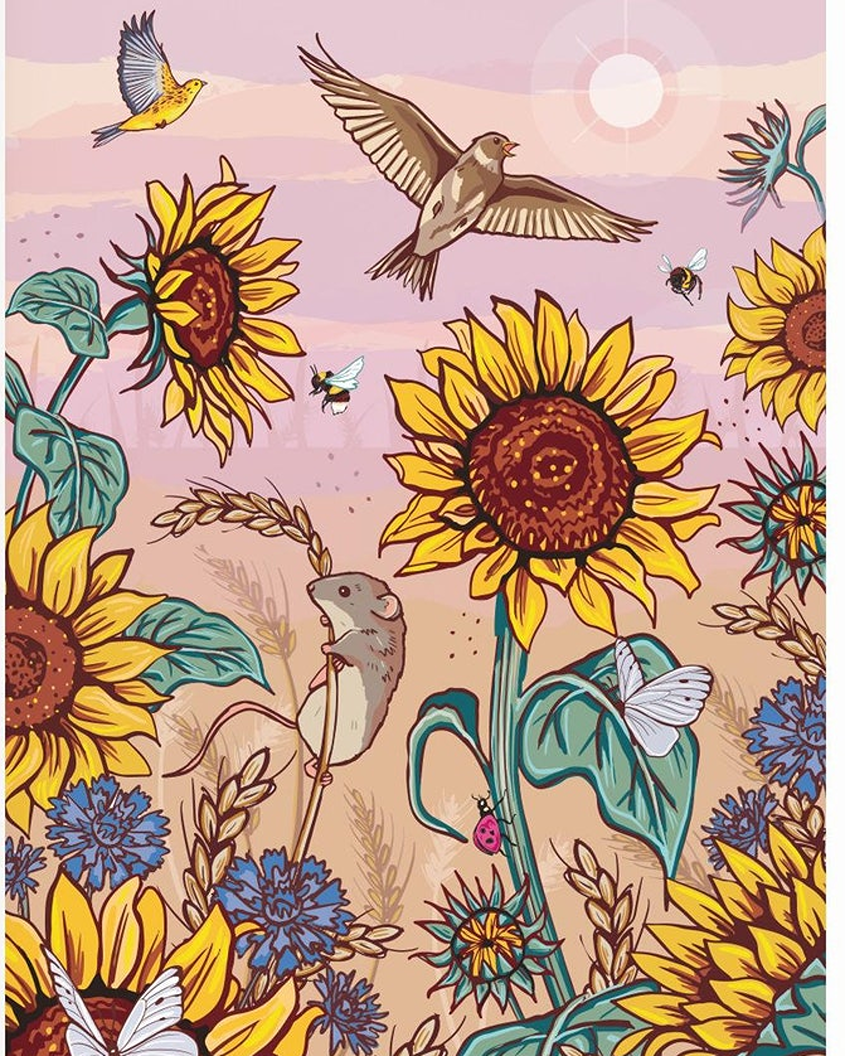
Community gardens don’t always have to be about growing food. They also create lovely natural areas for relaxation in urban areas, as well as flowers for pollinators (bees, butterflies, bats).
Note that wildlife-friendly ponds and fish ponds are different (fish are carnivores and would eat garden wildlife). Read more on pet-friendly gardens, wildlife-friendly ponds and garden water safety.
Avoid tin or bright-coloured birdhouses, as they can overheat, and attract predators. Read more on creating safe havens for garden birds.
Keeping People and Pets Safe in Gardens
Whether you grow food (or flowers) in community gardens (or any type), know a few little garden rules to keep all creatures safe. Remember you may not have pets, but others will.
- Many plants (including all bulbs) and trees (along with some mulch and fresh compost) are all unsafe near animal friends. Read more about pet-friendly gardens and humane slug/snail deterrence (to avoid toxic pellets).
- Never use netting to protect food (nearly all sold has holes way wider than recommended by wildlife rescues, to avoid creatures getting trapped).
- Acids can harm compost creatures, so bin citrus, tomato, rhubarb and allium scraps (onion, garlic, leeks, shallots and chives). Same with tea/coffee grounds (due to caffeine). Read more on making garden compost.
- If growing indoors (including greenhouses), avoid facing indoor plants to outside spaces (to help stop birds flying into windows).
The Many Benefits of Community Gardens
Community gardens also provide a place for people to socialise, so are wonderful say for isolated older residents. It’s amazing that our politicians focus on bed-blocking and NHS costs, yet don’t create simple preventive health measures like walkable communities and community gardens (which could provide free organic food for all, which is also better for health).
‘Food deserts’ are a modern phenomenon, where people on low incomes have restricted access to good food. Some people advise that ‘poor people should shop at ALDI’.
But often if you live on a sink estate with no bus services or Internet access to buy food online, your only option is the local NISA shop (or similar) selling over-priced frozen chips and pizza.
Community gardens empower people! You can grow own organic vegetables, herbs and fruits, some even grow orchards of trees for free fruit and nuts. As well as giving nutritious produce for all, it helps to dent the profits of the big supermarkets, who are often importing chemical-laden fruit. Better a juicy ripe peach from a local tree than a plastic punnet!
Community gardens also provide natural exercise. You don’t have to dig (it’s not good for earthworms or baby stag beetles). But growing food is still a physical act of planting seeds, adding mulch, and obviously harvesting the produce. It also means fresh air and chat, with cups of tea thrown in!
If children come along, they also get to learn where their food is from. A recent survey found that many younger children thought that potatoes grew on trees, and tomatoes came from underground! It sounds funny, but it’s not really, as it means young ones have now become distant from nature.
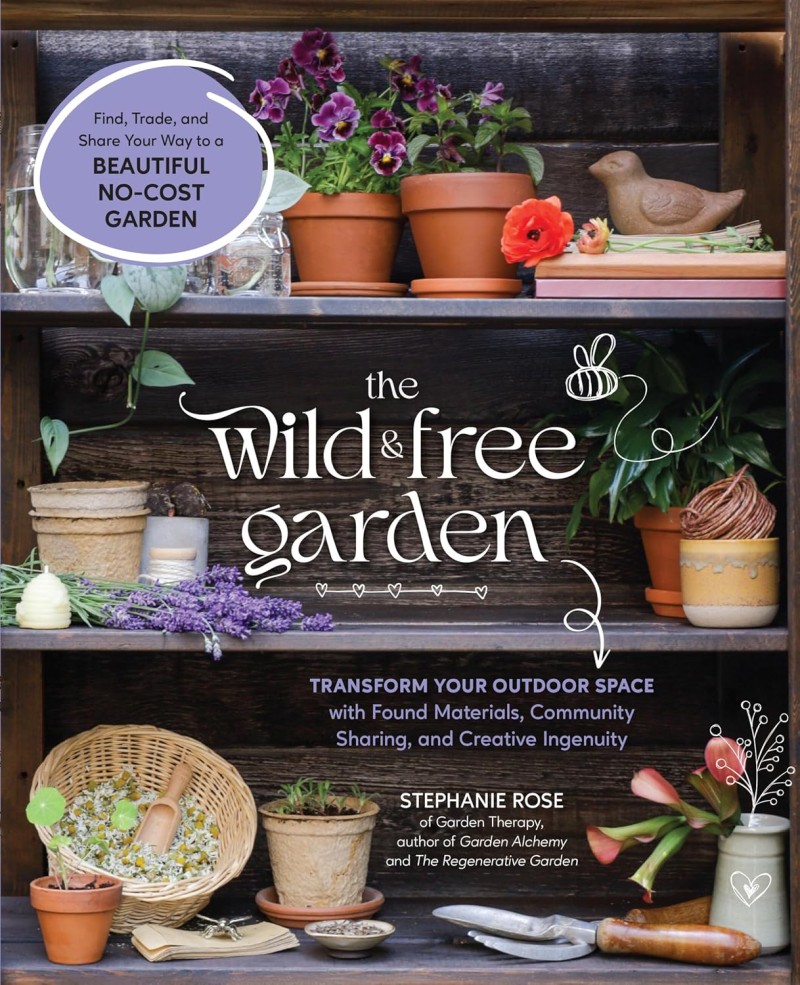
Let’s Plant & Grow Together is the ‘gold standard community garden handbook, by organic pioneer Ben Raskin. Transform neglected plots into flourishing spaces, and get tips on planning, soil fertility and fundraising. Includes a directory of plants ideal for community gardens.
A Gold Standard London Community Garden
Islington’s Culpeper Community Garden (Islington, London) is one of England’s most revered community gardens, transformed from local ‘wasted space’ into a city oasis. With almost 50 vegetable plots (including 2 raised beds for gardeners in wheelchairs), there is also an organic lawn, rose pergolas and a bog garden (amphibians providing natural slug control, and undisturbed nettles and brambles for ladybirds and insects).
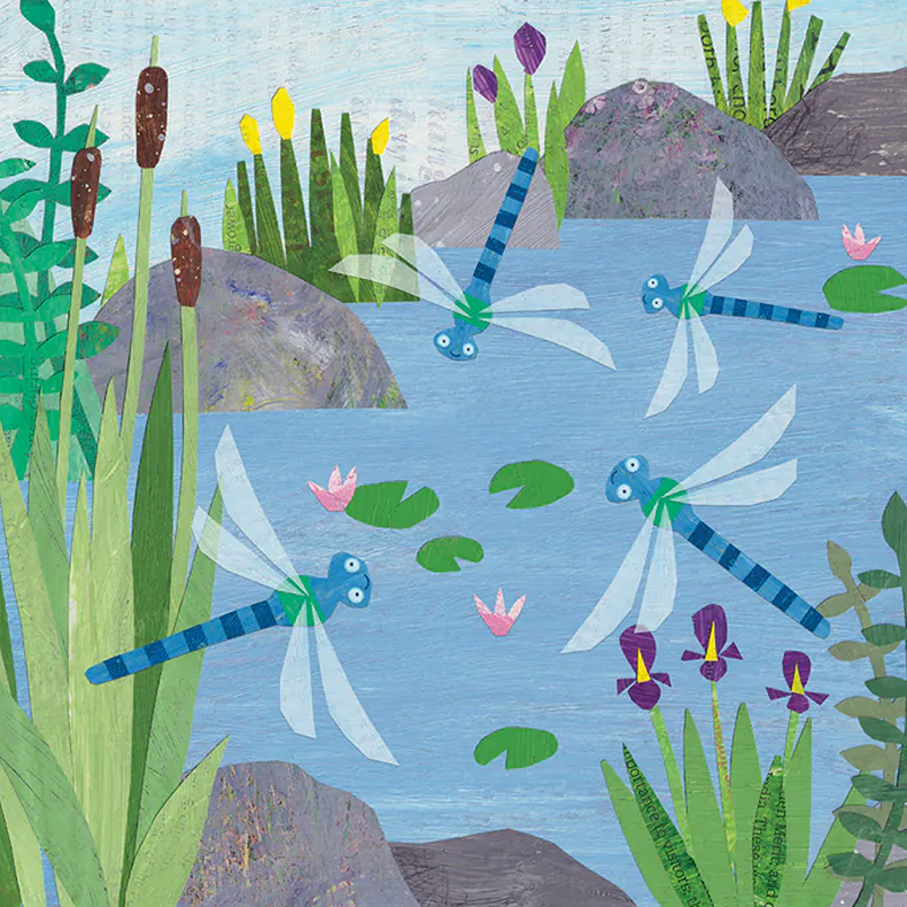
Woodlice, spiders and centipedes have set up home in the ‘mini-beast mansion’, and dragonflies/damselflies love the wildlife pond.
The garden is named after 17th century herbalist Nicholas Culpeper. When funding was cut a few years back, one councillor said he never had so many protest letters. Half the grant was returned, the remainder made up from local donations.