Community Orchards (help yourself to free fruit!)
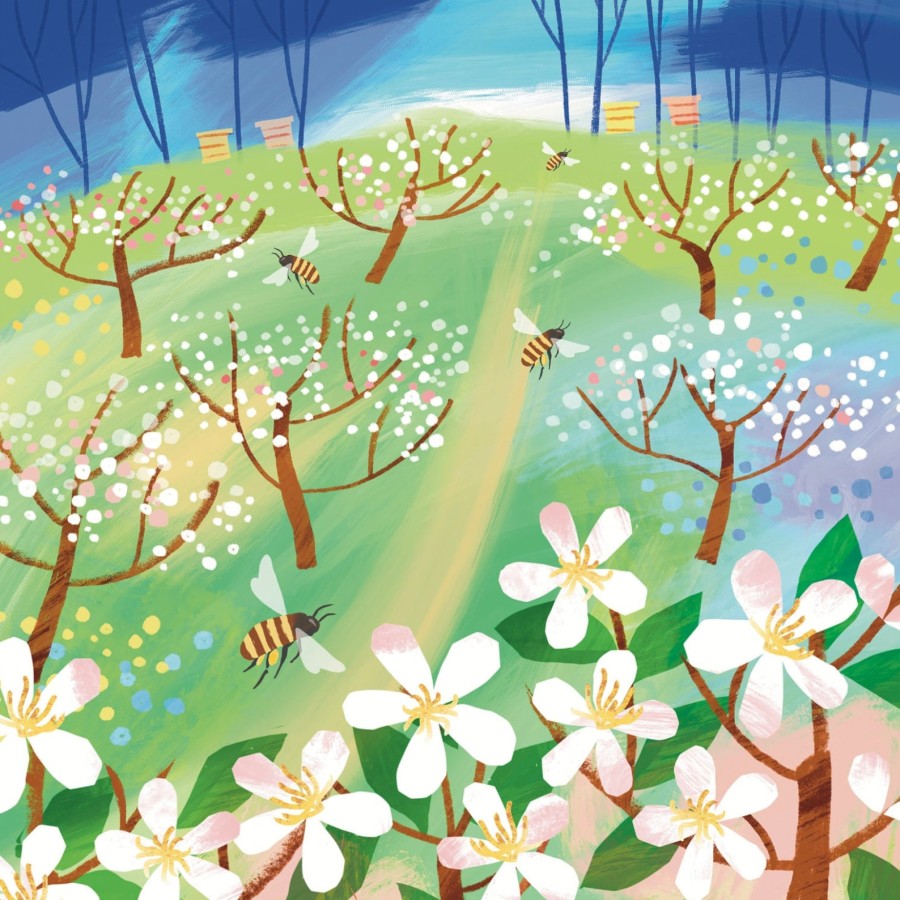
Community orchards are nationwide, planted and maintained by volunteers, enabling you to help yourself to free organic fruit (leave some for birds and wildlife!) Read the Community Orchard Handbook.
Despite orchards once being widespread through the British Isles (every farm had fruit trees), today new house building projects and roads (and cheap imports of fruit for supermarkets) has decimated our heritage orchards and unique fruits.
British orchards have declined by 64% in 27 years.
Common Ground (a charity that campaigns for community orchards) says that orchards are still mostly grown in the same areas (Kent, Somerset, Devon, Cambridgeshire, Essex, Herefordshire and Worcestershire). But outside these counties, orchards are struggling to survive.
Years ago, people would buy:
- Cherries from Hertfordshire
- Apples and cherries from Berkshire
- Apples from west London
Try finding an English organic cherry in supermarkets today – almost impossible.
And of course orchards provide quality jobs that many people enjoy – hard work but it’s rewarding, usually well-paid and gets people out in the fresh air, doing physical exercise.
And the more fruit trees we have, the better it is for wildlife (birds and creatures that use them for shelter) and pollinators like buzzy bees.
Planting more community orchards would also help to bring back our less known native fruits into use: damsons, cherry plums and crab apples.
For wildlife-friendly gardens, choose nontoxic humane slug/snail deterrents. If you share your life with animal friends, learn about pet-friendly gardens (many plants and mulches are unsafe). Know trees to avoid near horses (including yew, oak & sycamore).
Use fruit tree protectors and bags over netting (remove for pollination to let bees and other creatures to reach the flowers, or else no fruit will develop).
Keep apple chunks away from babies (choking hazards) and fruit pips/seeds/cores away from pets (due to natural cyanide). Ask permission before feeding to equines (too many cause colic). If given permission, feed cut up (cored) apple slicers from a flat palm, to prevent choking).
The Giving Grove (a great idea from the USA)
The Giving Grove has the vision of a nationwide network of sustainable little orchards, a wonderful idea from the USA. It supports neighbourhood volunteers to plant and care for fruit and nut trees (and berry brambles) to increase tree canopy, provide free food to areas with low incomes and improve the urban environment. What a great idea!
This movement is thriving in many cities, and collectively has so far:
- Provided over 127 million servings of free healthy food
- Absorbs almost 170 million gallons of water per storm (reducing urban floods and soil erosion)
- Sequesters 18,600 tons of carbon
- Lowered urban air temperatures in summer, reducing risk of heat-related illness
- Improved soil biology, to avoid artificial pesticides and fertilisers
You can download free resources for your community (obviously some plants and advice will be different, but is good to go for any area, generously supplied by their volunteer horticulturalists). From planting to pruning to harvesting.