Protecting England’s Very Own Coral Reefs

When we hear about coral reefs, we often think about huge ones like the Great Barrier Reef in Australia. But England has coral reefs too, just as much in need of protection.
Built by the skeletons of tiny animals, coral reefs are a bit like ‘underwater rainforests’ and support a third of marine life on our planet (providing habitats for plants, fish and invertebrates). All are at risk from plastic/oil pollution and temperature shifts (due to climate change) that cause coral bleaching.
Canyons Marine Conservation Zone is just off Devon’s coast. It hosts cold-water corals, sponges, and unique marine life like seahorses. Cold water coral reefs are also found in Scotland.
Never buy ‘sea sponges’. These are living creatures, cut away by divers with knives.
Near Norfolk, the Cromer Shoal Chalk Beds (the longest chalk reef in the world) stretch along the coast. They support rare sponges, anemones, and small fish. Compared to tropical reefs, English sites grow more slowly.
It’s home to many plants and animals. The Parpal Dumplin’ was discovered in 2011. This rare purple sea sponge got its name after a recent competition, the winner being a 9-year old who used a Norfolk accent to name it because ‘the sponge is purple and it looks like a dumpling!’
How to Protect England’s Coral Reefs
Modern life is destroying coral reefs (over-fishing, careless boaters and oil/plastic pollution). So in a nutshell, live a simple sustainable life: Read our posts on:
- Organic gardening and organic farming
- Sustainable sailing
- Biodegradable beauty
- Biodegradable cleaning
- Biodegradable laundry
- Microplastic catchers (for laundry)
Switch to reef-safe sunscreens (many regular ones contain oxybenzone and octinoxate, which can harm coral even in tiny amounts). Some on sale in the UK are banned in Hawaii, as they pollute waters when washed down sinks.
Zinc oxide (also found in cosmetics and nail polish) is often used in natural sunscreens. This is toxic to pets, so wash off your skin, before letting animal friends kiss you!
How Climate Change is Harming Coral Reefs
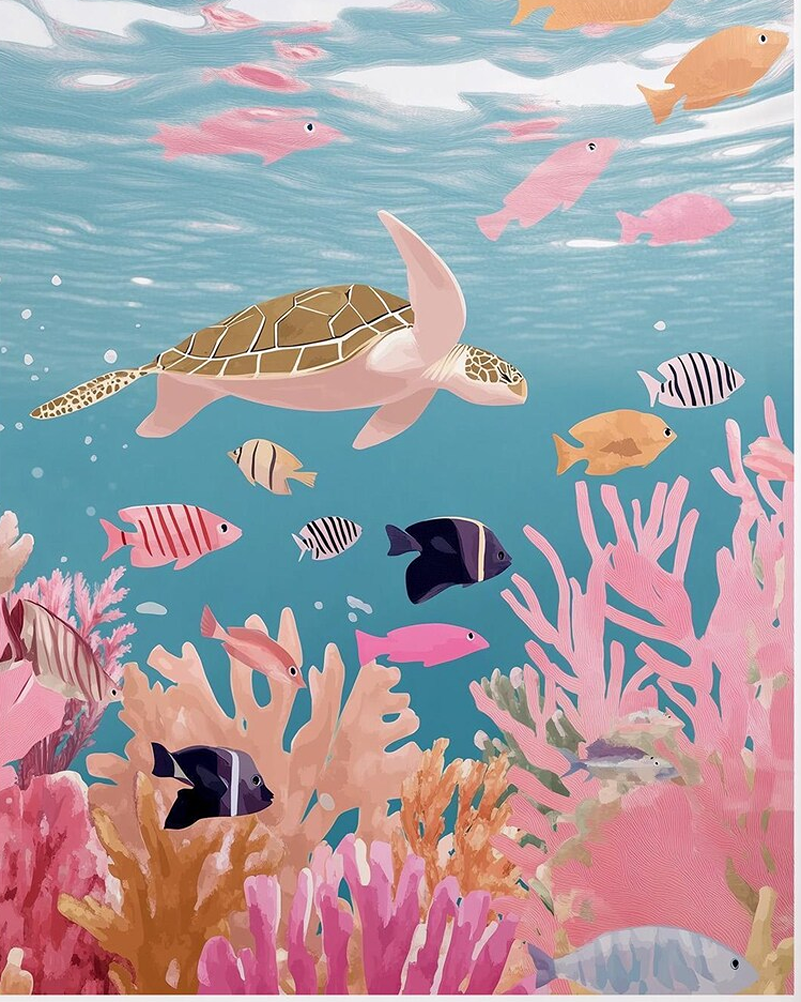
Climate change is causing sea temperatures to rise, which lead to coral bleaching. And just like if someone bleached you, it then becomes weak, sick and dies.
Marine wildlife is washing up dead by the thousands. Coral bleaching is the canary in the coal mine for global warming. Yet at this time of historic climate breakdown, the government extends the biggest dirtiest fossil fuel project for another 50 years. It’s criminal. Senator Peter Whish-Whilson, Australian Greens
Paul Gamblin (head of the Australian Marine Conservation Society) says that his country’s coral reefs are now like ‘a raging underwater bushfire’. One tourist says ‘it was like snorkelling on a corpse, so grey and lifeless. You can sometimes hear fish munching on the coral – there was nothing’.
Fiji: Environmental Lessons from Tropical Islands
Fiji is home to around 333 islands, and home to many coral reefs. It only gained independence from British colonial rule in 1970, and since then has created many environmental initiatives, in one of the world’s most beautiful tropical places.
The island has a gruesome history of cannibals, up till 100 years or so ago. One victim was British missionary Thomas Baker, who travelled to the South Pacific in the 1800s, but was killed (along with seven local followers) and eaten – the remains of his shoe soles are displayed in a museum.
Apparently, this was because he innocently touched the chief’s head, not realising this was not custom. Even today, Fiji has strong tribal customs. If visiting a village, only the headman wears a hat. Visitors should therefore not wear one (and also dress modestly and remove sunglasses).
Today, Fiji is just as strict at managing tourists. It promotes eco-tourism, and does not allow locals to damage mangroves. And has strict laws on fishing, as most of its over-fishing comes from outside tourists and ships, not local people just fishing for their supper.
Like Fiji, we should treasure our seas and native creatures within it. We could create ocean sanctuaries (there is only one at present in Scotland, which took years of campaigning to get passed). This is where nothing is disturbed or caught, it’s kind of a like a ‘Switzerland’ for fish and marine creatures!
If we can leave creatures alone and participate in volunteer beach cleans (to clear plastic, litter and oil), then our native marine creatures, fish and coastal birds have a chance of survival.
Controversy Over Imported Bottled Water from Fiji
One huge controversy is the import to UK and other countries of bottled water from Fiji. Despite being surrounded by oceans, fresh drinking water is scarce, and locals rely on surface water, and leaky infrastructure to stay hydrated.
Yet bottled water imported from these islands is sold at an astronomical price in swanky restaurants, which also of course means importing bottles thousands of miles away. It’s even sold by ‘more ethical’ supermarkets Waitrose and Ocado – what are they thinking?
Its website advertises water imported over 10,000 miles as water from ‘tropical rain that slowly filters through volcanic rock into an ancient underground aquifer. There’s nothing on Earth quite like it’.
Tesco (which charges around 80p a bottle) calls bottled water from Fiji ‘far from pollution, acid rain and industrial waste, taste paradise – clean water when you unscrew the cap’. Far better instead to just ‘turn on the tap’ and get a 330ml glass of perfectly-safe treated water for around 3p a litre.
In 2025, The Plastic Pollution Coalition filed a lawsuit against one company marketing its Fiji water as ‘natural’, as tests found it contained microplastics and BPA (a plastic linked with health concerns in food).