Which Parts of Your Body Can You Donate or Recycle?
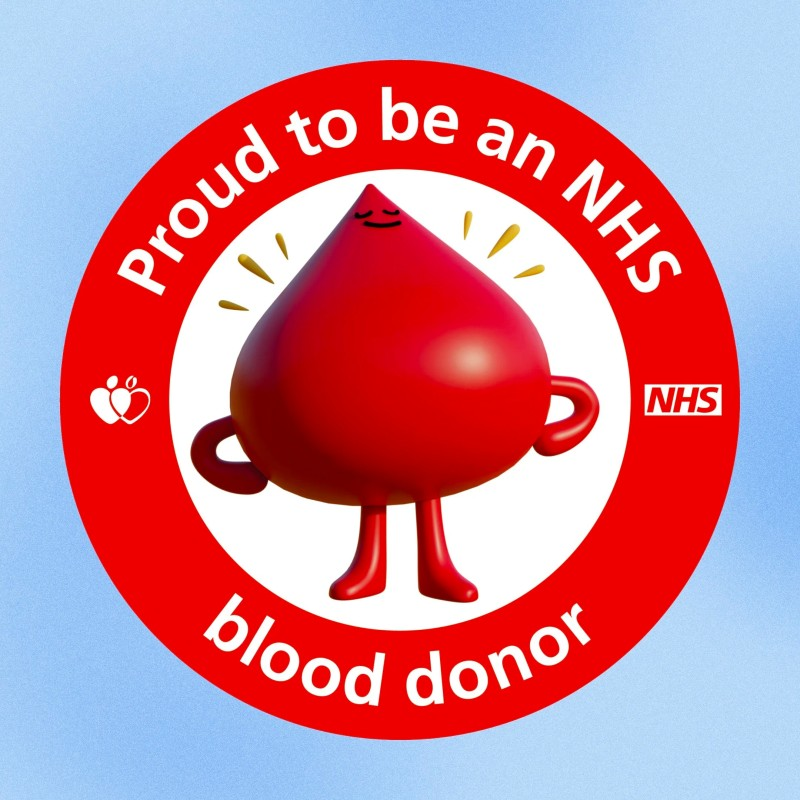
Millions of people donate blood in England, would you like to join us? Some people are not allowed to give blood (including those who have travelled to certain countries or have had recent tattoos, plus there are age and weight limits).
For those who can, it’s pretty quick and simple, and you will either help or save a life. Also learn how to donate your bodily organs (and body).
You can create an account online, then look up your nearest place (take a book, as the clinics are short-staffed so often you have to wait beyond your appointment). You’ll be asked beforehand if you have any medical conditions – you can’t attend even if you have a cough) to save wasted journeys.
On arrival, you will be given a brief health check, and a quick pin-prick test to check for iron levels and any other conditions that would mean you can’t donate that day.
Have something to eat/drink before, don’t do strenous exercise, nor drink alcohol/caffeine for a few days before.
You’ll then be taken to a reclining chair, and a nurse or trained professional will watch over you, while a needle is inserted into your arm, and blood is collected for around 15 minutes (you give around a pint, which is a safe amount – your body has 8 to 12 pints of blood.
You then get tea and biscuits/crisps, rest for 20 minutes or so, and then go home and take it easy for the rest of the day.
How is your donated blood used?
Once your blood is collected, it’s labelled and sent to a lab, where it’s tested for safety and sorted into:
- Red cells (for anaemia or surgery)
- Plasma (for burns, liver disease, or bleeding disorders)
- Platelets (for cancer treatment or severe bleeding)
These are then delivered to hospitals as needed, and you even receive an email showing where your blood went and how it was used.
For instance, if you have a rare blood type, you may learn that it helped a child with sickle cell anaemia. The blood is usually used within a few weeks, though plasma can be frozen for up to a year.
But remember that common blood types are just as important, as most people have them, so there is a bigger demand overall. Just like putting diesel into a petrol car, it’s important that the right blood type is given to the right patient.
How plasma donation works
You can also donate plasma, which is drawn using a special method that separates this pale yellow liquid from red cells, then returns the rest of the blood to your body. This process takes longer (up to 45 minutes) but again it’s easy and painless.
This has special proteins to help burns and accident victims, or people with bleeding or immune disorders.
How to join the Stem Cell Register
While some people donate blood or plasma, others go a step further by joining the stem cell (bone marrow) register. Once your cheek swab is collected, the team will check your tissues (not just your blood type). Then you could be invited to donate, if there is a match with a blood cancer patient.
If you’re matched through the stem cell registry, staff may ask you to donate bone marrow. You take a course of injections over a few days to boost stem cells, then donate in a way similar to plasma.
To surgically remove bone marrow, this is a minor procedure under general anaesthetic, where doctors collect marrow from your hip bone using a needle. Most donors report some soreness afterwards, but no lasting pain.
Organ Donation (takes 2 minutes, saves 9 lives)
Organ donation is a huge gift, either during life or after death. In just 2 minutes, you could save 9 lives! Just register online to ensure your wishes are carried out (and let your family know of your wishes).
Living donors (kidney and liver)
You can donate kidneys and liver while still alive (people can live on one kidney and livers grow back). There are slight risks of high blood pressure, fatigue and pain for donating kidneys, visit the NHS living donor page to learn more.
It also has information on donating liver tissue and bone and amniotic membrane tissue (for babies delivered by elective caesarian section at a partner hospital.
Placenta can be donated and does not interfere with the delivery of a baby). Overseen by specialist tissue donation nurses or health care professionals.
Donating hearts, lung and pancreas
These give life to people who are waiting for life-saving transplants.
Donating skin
Doctors use donated skin to treat patients with burns and severe injuries. Skin donation also helps cover wounds, prevent infection and ease pain while natural healing takes place.
Donating bone, tendons and cartilage
This can help complex joint repairs or to replace bone, lost to cancer or surgery. These tissues help patients to heal and regain movement.
Donating blood vessels and heart valves
This helps people (especially children) with serious heart problems. And makes major heart and vascular surgery possible.
Donating corneas
These are the clear layers at the front of your eyes, that help you see. Donating them restores sight for people with damaged or diseased eyes (people with glasses can still donate).
Comedian Paul Kerensa (who co-wrote comedy series Miranda) is the proud recipient of the cornea of a 65-year old woman, to whom he is very thankful. He says he wears his ‘hand-me-down cornea’ with pride.
Donate your body (for medical research)
Body donation! is a great way to help reduce animal testing. Cadavers are needed to find cures for disease (healthy bodies too as you need a healthy brain to compare with one from someone who died of dementia).
Usually religious views are respected and some offer prosthetics for open caskets. Read of reasons only to give to humane medical research.
Donate Breast Milk (to help premature babies)
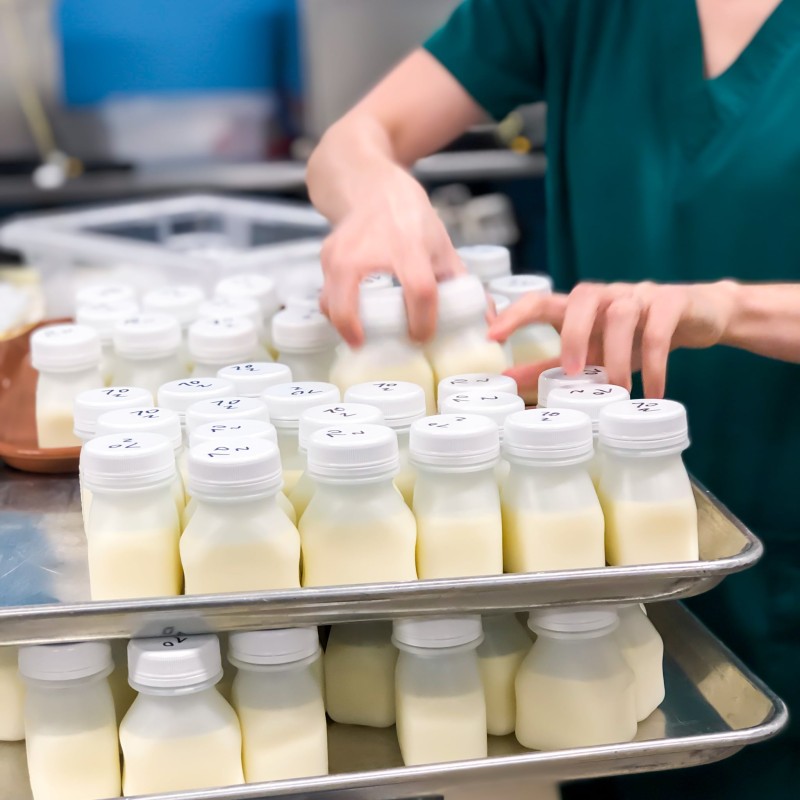
The Hearts Milk Bank and UK Association of Milk Banks both list their hubs where women can donate breast milk. Usually produced on supply and demand (so you won’t run out for your own baby), this is (like blood) screened.
All donor milk (like blood) is screened after being pasteurised and is then frozen, and stored in medical grade freezers. Premature babies need high-fat milk to thrive, and where milk banks have been implemented in Brazil, child mortality rates have halved.
This is all run by experts, so you get questionnaires and blood test kits, and blood is tested for HIV and other diseases.
If a mother is unable to breastfeed, the next best thing is the breastmilk of another woman. Also in the heartbreaking situation where a family has lost a baby, some mothers choose to donate their breastmilk, in order to help another baby survive.
Every year, around 10% of babies are born too soon. For many of these infants, access to safe donor human milk can be life-changing. Offering essential protection and supporting healthier outcomes during their earliest, most vulnerable days. European Milk Bank Association
Find milk banks abroad
Little Princess Trust (donate hair to children with hair loss)
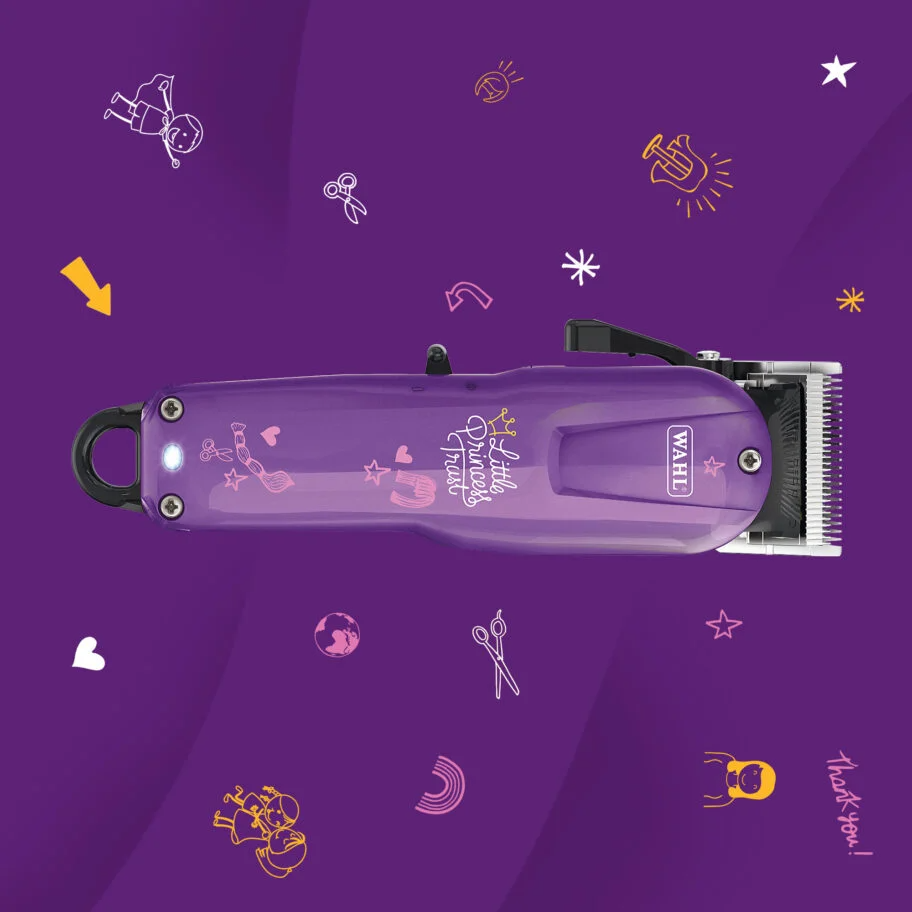
You can imagine it’s stressful for an adult to go through alopecia. But for a child it can be devastating, or of course some children lose hair temporarily if going through chemotherapy treatment.
Little Princess Trust is a charity that makes quality wigs for children, from donated ponytails, if people are having long hair cut off. Rather than just be swept away and binned, this hair can be used to make child-specific wigs, so they can feel a bit better and fit in with their friends.
Many salons (including Supercuts at time of writing) offer free haircuts, to people donating long hair, if they’re going for the chop!
The site has full info on how how to ask your hairdresser to keep the hair, and a few rules. Like no pink or grey hair!
Many salons offer free haircuts if you are donating to the charities (including Supercuts). So it’s a great way to lop your locks off for nothing, and help children at the same time!
You can also donate hair extensions to Little Lady Locks.
How to donate hair to children
There are a few rules here, as charities are quite strict on how to donate hair. Obviously you can’t have pink or grey hair to donate!
- Hair must be at least 10 inches (25cm) long, ideally longer than 12 inches, as there is demand for long hair wigs.
- Hair must be clean, healthy and free from split ends.
- All natural colours are accepted except grey.
- Wash your hair thoroughly but rinse out conditioner and styliing products. Ensure hair is dry to avoid mouldy in transit.
- Secure into a ponytail with plastic-free hair ties at both ends, and place another in the middle to keep it secure. Ask your hair stylist to cut above the highest hairband, this keeps the strands aligned.
- Place the dry banded ponytail in a cardboard or heavy paper envelope (no plastic) and print off the necessary forms, then weight at the post office before sending off to your new recipient!
Quality wigs for adults with alopecia
Amber Jean makes ethical (very expensive) wigs from hair that is donated in rituals in Asia (as opposed to some brands that literally chop off the hair of passing women, against their will). Gail Porter is an ambassador for the brand.