Ethical coffee brands (that do good)
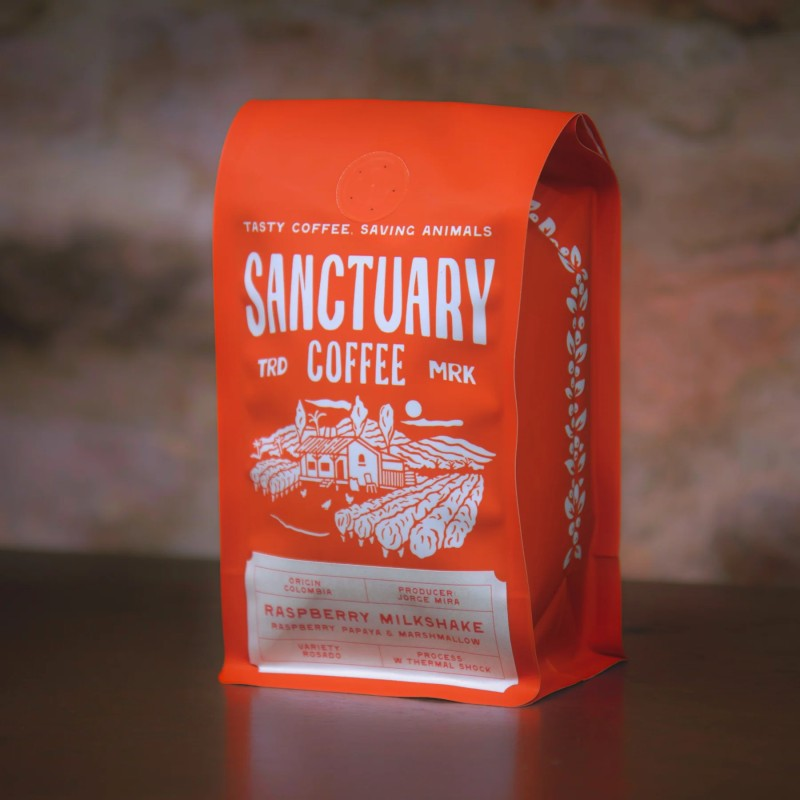
Choosing an ethical coffee brand can mean supporting better farming practices, reducing environmental harm, and even helping animals. One wonderful example is Sanctuary Coffee, that uses its profits to support animal charities and sanctuaries.
The founders were inspired after adopting a greyhound and discovering the challenges faced by dogs rescued from the racing industry. Greyhound charities receive no government funding.
Avoid caffeine for pregnancy/nursing.
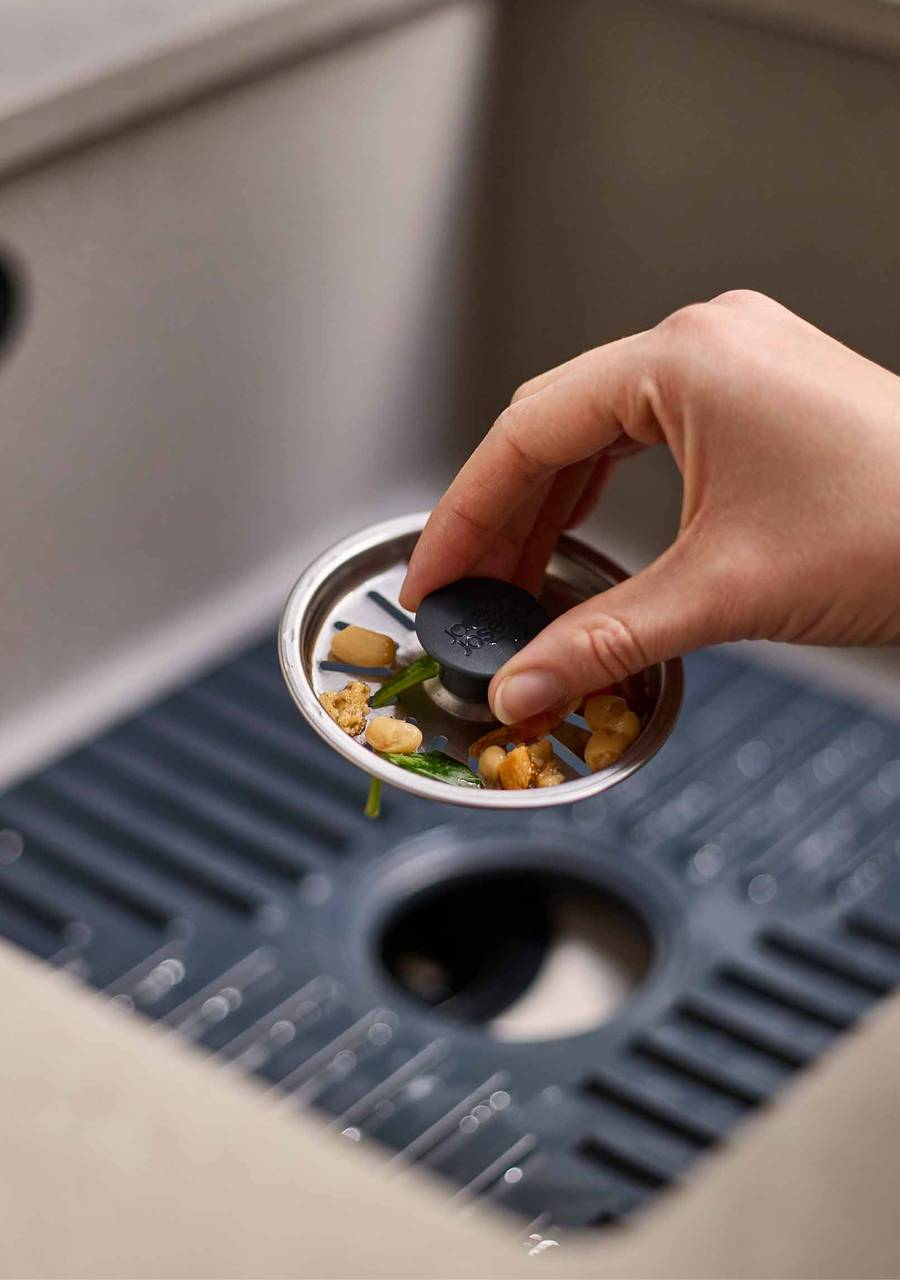
Swishing coffee grounds into sinks could clog drains, so use a SinkShield. Unless you have a food waste bin, just bin coffee grounds to avoid harm to compost creatures.
How & Where to Buy Sanctuary Coffee
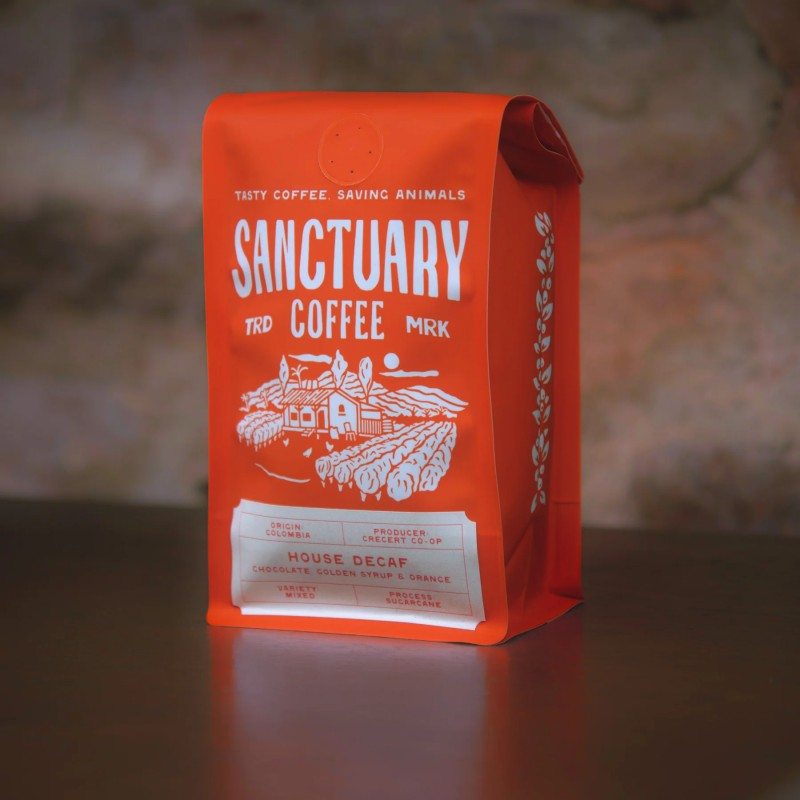
The company is now stocked in hundreds of shops and cafés. Beneficiaries have included animal sanctuaries involved in major rescue work, including a Welsh sanctuary that helped save animals from an illegal slaughterhouse operation. Caring for rescued animals is expensive — in one case, feeding rescued pigs alone cost thousands of pounds each month.
Sanctuary Coffee offers several blends, including a Colombian blend supporting small farmers, a House Brew helping fund co-operatives, and a stronger House Espresso for those who enjoy a richer coffee flavour.
The company also works with wholesalers, offering support with coffee machines and barista training.
Other coffee brands helping animals
Around the world, other coffee companies are using their profits to support animal welfare. Examples include:
- Mad Dog Coffee – a brand supporting animal causes.
- Happy Staffie Coffee – created with a focus on helping dogs.
In the USA, several coffee companies also help animals:
- Grounds & Hounds Coffee donates a portion of profits to support animal shelters, rescue programmes, vaccinations and spay/neuter initiatives. Its playful coffee names include Soul Pup, Morning Walk and Rescue Roast.
- Underdog promotes the idea that every cup helps save a pup.
- Rescue Coffee Co (Go Fetch! and Downward Dog)
- Fluffy Cow Coffee supports farm animal sanctuaries.
Bird & Wild Coffee (helping songbirds with each cup)
Coffee can be more than just a morning drink. The way coffee is grown can have a big impact on wildlife, farmers and the environment. Bird & Wild is a coffee company that uses its profits to support the RSPB and help protect songbirds in coffee-growing regions.
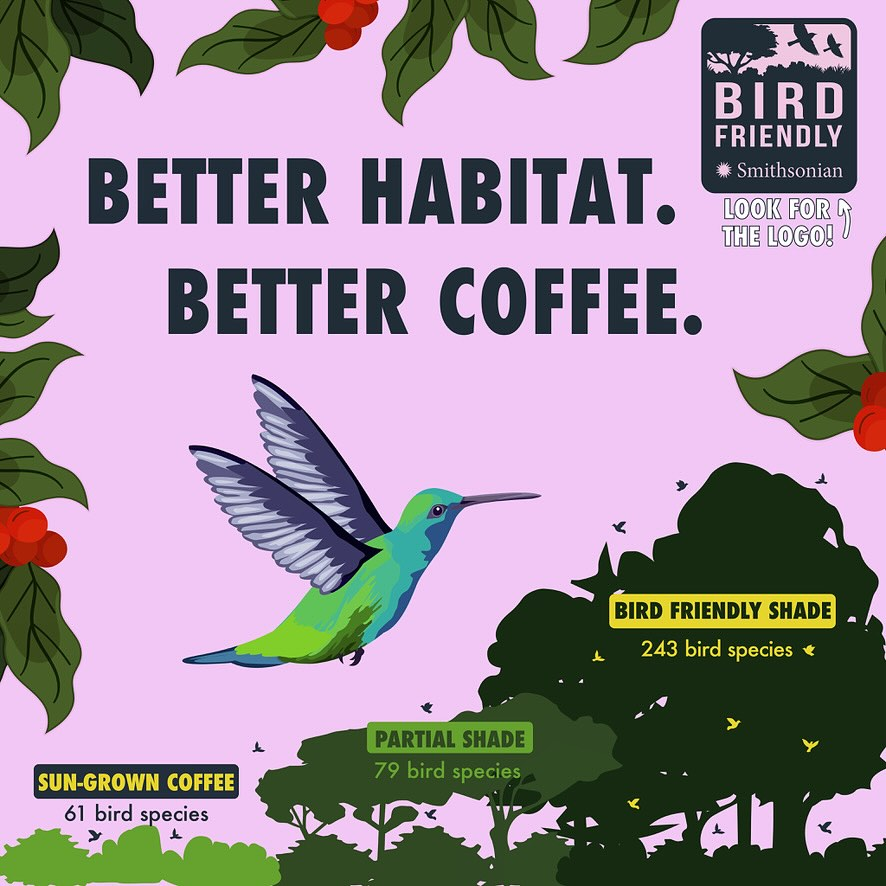
A key part of Bird & Wild’s approach is shade-grown coffee. Instead of growing coffee plants in large, open fields with little other vegetation, shade-grown coffee is grown beneath trees and among other plants. This creates a more natural habitat that supports birds, insects and other wildlife.
Why shade-grown coffee is better for nature
Traditional coffee plantations are often grown as sun-loving monocultures, meaning one crop is grown across a large area with little plant variety. These landscapes provide fewer places for wildlife to feed, shelter and nest.
Shade-grown coffee farms are different. The trees and plants around the coffee bushes create a mini-forest environment, to increase biodiversity.
Research has shown a huge difference between shaded and unshaded coffee farms. Unshaded coffee monocultures have been found to support as few as 6 to 12 bird species. In comparison, one shade-grown coffee plantation in Mexico recorded 184 bird species, including 46 migratory birds.
Shade-grown farms can also support mammals and insects. One shade-grown coffee plantation in India recorded 28 species of mammals. The flowering plants found in these systems are also valuable for bees, including endangered bee species that rely on diverse habitats for food.
Read how to create safe havens for birds (feeding, nest-boxes) and preventing bird strike). Don’t play birdsong near birds (confuses and can attract predators).
Packaging and buying Bird & Wild coffee
Bird & Wild coffee is available in glass jars, which can be reused or recycled. The jars are sent using recycled shredded cardboard packaging.
For businesses and organisations, wholesalers can buy coffee by the case at discounted prices, making it easier to provide more sustainable coffee options.
Kiss the Hippo Coffee (pays farmers 50% more than Fair Trade)
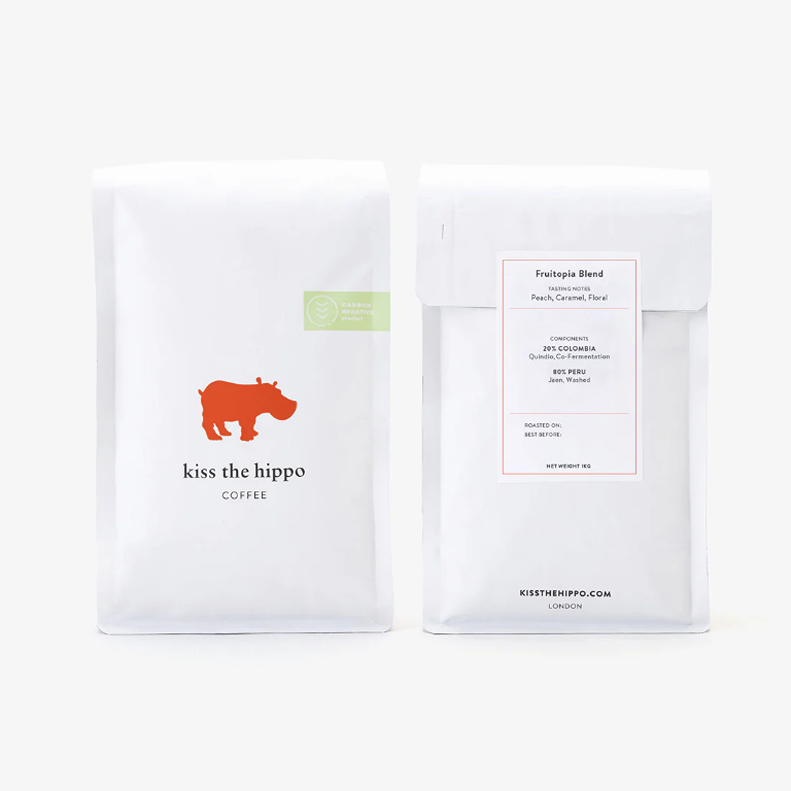
London-based roastery Kiss the Hippo is a brand that places these values at the heart of its business, combining speciality coffee with a strong commitment to farmers, employees and the planet.
Kiss the Hippo specialises in high-quality organic coffee, with beans roasted using one of the world’s most eco-friendly coffee roasting systems. The company focuses on reducing environmental impact throughout the coffee journey, from sourcing and roasting through to packaging.
Before reaching customers, every batch of coffee is carefully quality-checked to ensure it meets the roastery’s standards. This attention to detail helps create a consistent cup while supporting a more transparent approach.
Supporting Coffee Farmers With Fairer Prices
Coffee farmers are often at the beginning of a long supply chain, yet they can face some of the greatest challenges, including unstable prices, difficult growing conditions and limited resources. Kiss the Hippo aims to address this by building long-term relationships with coffee producers.
The company visits farms each year to check that farmers and workers are being treated fairly and that ethical practices are being maintained. Rather than relying only on certifications, these visits allow the business to better understand the people and communities behind each coffee bean.
An Environmentally Responsible Coffee Roaster
Sustainability is a major part of Kiss the Hippo’s approach. The coffee beans are roasted using energy-efficient methods designed to reduce emissions, helping make the roasting process kinder to the environment.
The company also considers what happens after coffee has been enjoyed. Used coffee grounds are collected and transformed into biofuel rather than simply being sent to landfill. This gives coffee waste a second purpose and reduces unnecessary environmental impact.
The roastery also ensures all employees receive a proper living wage, recognising that sustainability is not only about protecting the planet but also about supporting people.
Explore Coffee by Country of Origin
For coffee drinkers who enjoy discovering different flavours, Kiss the Hippo offers beans from a variety of growing regions around the world. Each country produces coffee with its own unique characteristics, influenced by climate, soil and farming methods.
Available origins include:
- Brazil
- China
- Colombia
- Ethiopia
- Guatemala
- Honduras
- Mexico
- Peru
- Rwanda
Coffee Flavours and Seasonal Choices
Kiss the Hippo’s range includes coffees with a wide variety of flavour profiles, from sweet and chocolatey blends to brighter fruit-led options.
Some examples include:
- Christmas Coffee – featuring notes of cinnamon, strawberry and chocolate, making it a festive choice for the winter season.
- Low Caf – with flavours of white sugar, cranberry and hazelnut, offering a lower-caffeine option without losing the speciality coffee experience.
- Honduras – with tasting notes of orange, nectarine and fudge, creating a balanced and naturally sweet cup.
- Colombia – offering flavours of plum, raisin and shortbread.
- George Street Blend – a popular blend combining chocolate, berries and butterscotch notes.
For those who prefer pods, the Decaf Pods offer flavours of dark chocolate, toffee and Brazil nut. These pods are not compatible with Nespresso® Vertuo machines, so it is worth checking your coffee machine before purchasing. Likewise, bin (don’t compost) coffee in pods.
Recycling Cold Brew Cans Carefully
Kiss the Hippo also offers ready-to-drink (some are vegan) canned cold brew coffee. When recycling cans, small actions can help protect wildlife.
Before putting a can into recycling, push the ring-pull back over the opening. Then step on top of cans to pinch inner rims together, to stop wildlife getting trapped at landfills.
Skylark (the world’s first non-profit coffee brand)
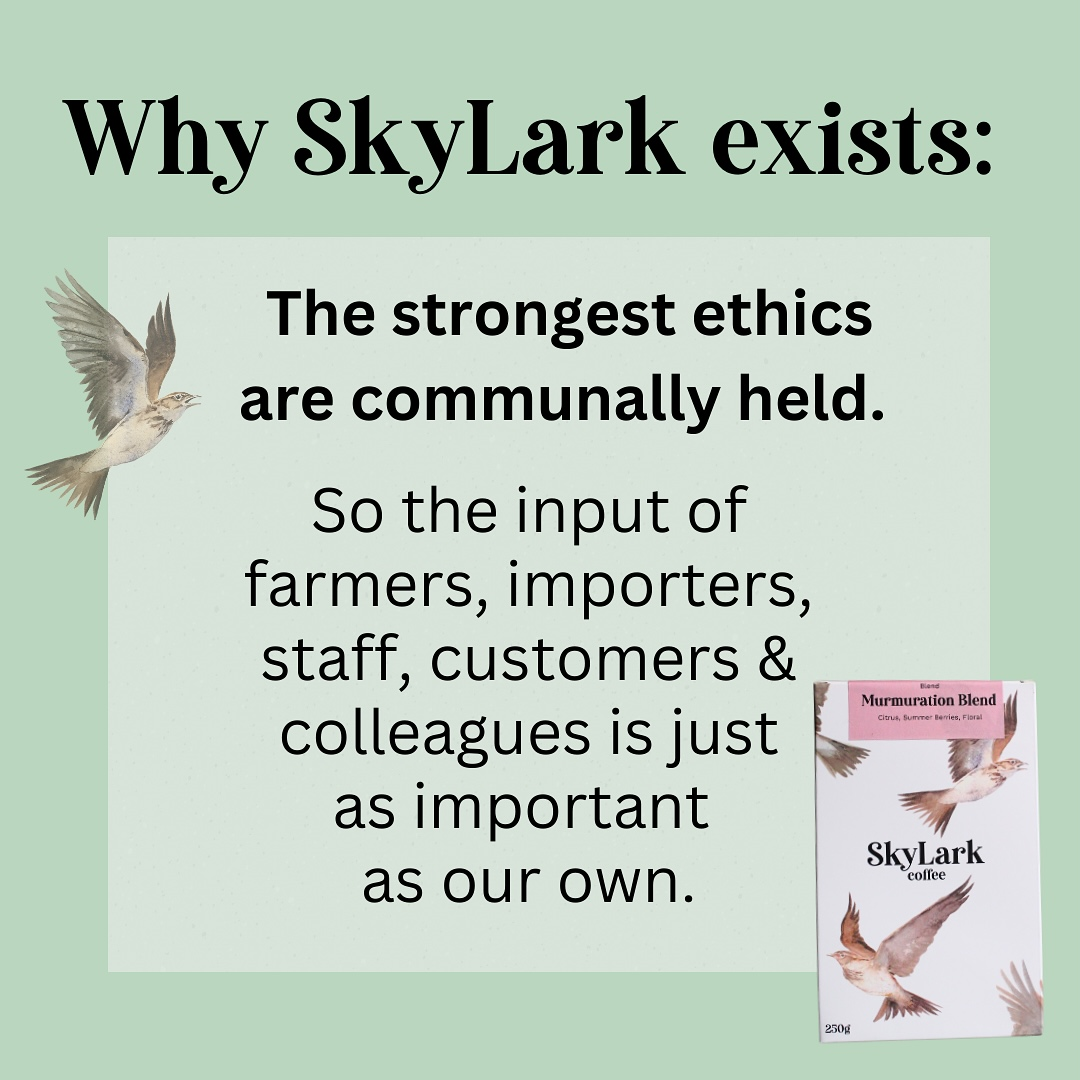
Skylark is the world’s first non-profit coffee brand. It pays twice the Fair Trade rate to coffee growers, giving other profits to environmental organisations, and those seeking to stop exploitation in the coffee trade (roasters receive the most profit normally, not the growers).
The company has key artistic support! The poetry on their bags is from Robert Macfarlane and art by Welsh painter Jackie Morris. If you’ve never read it, treat yourself to a copy of their gorgeous book collaboration The Lost Words
Brewed At the Foot of The South Downs
Skylark Coffee roasts coffee at the foot of the South Downs and has a simple aim: make great coffee while creating a fairer system for the people and places behind every cup.
Most of the coffee industry’s profits traditionally stay further along the supply chain, especially with roasters. Skylark’s model is different: they pay coffee growers top specialty prices — twice the Fair Trade rate or more — and donate their remaining profits to charitable projects supporting people and nature.
Their work supports projects including environmental restoration, coffee-growing communities and programmes helping people facing barriers into employment. They also publish their financial information openly, aiming to be transparent about where the money goes.
The name Skylark comes from the much-loved Sussex bird, reflecting their connection to local landscapes and conservation. They also donate towards protecting nature, including work linked to rewilding and biodiversity.
Exhale Organic Coffee (high in antioxidants)
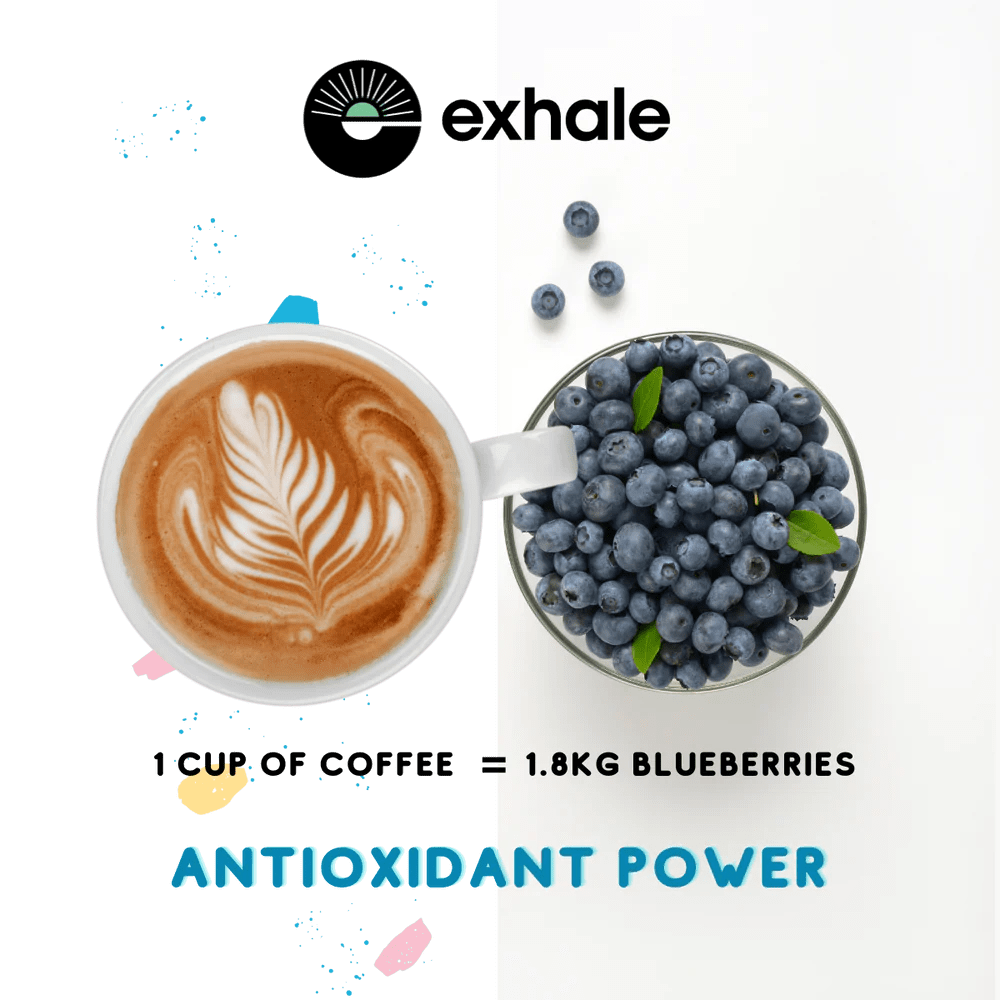
Exhale is an organic coffee brand that is naturally high in antioxidants. It is real ground coffee, so you will need a coffee machine, cafetière (French press), filter coffee maker, or another brewing method to prepare it.
The company sources certified organic, speciality-grade Arabica beans from farms that use sustainable growing methods. The coffee is roasted in small batches in London to help preserve flavour and naturally occurring plant compounds called polyphenols, which act as antioxidants.
Organic Decaffeinated Coffee
The decaffeinated coffee is made using the Mountain Water Process, a chemical-free method that removes caffeine using pure water rather than chemical solvents. This process helps retain much of the coffee’s original flavour while producing a naturally decaffeinated coffee. The beans are sourced from Mexico before being roasted in London.
For anyone reducing their caffeine intake during pregnancy, breastfeeding or for personal preference, this can be a good alternative. However, even decaffeinated coffee contains a small amount of caffeine.
Brewing
Exhale is real ground coffee or whole beans, not instant coffee. It can be prepared using:
- A cafetière (French press)
- Espresso machine
- Filter coffee maker
- Pour-over dripper
- Moka pot
- Bean-to-cup coffee machine (whole beans)
The company also recommends choosing the correct grind size for your brewing method to achieve the best flavour.
Inspiration from Abroad (a farmer-owned coffee brand!)
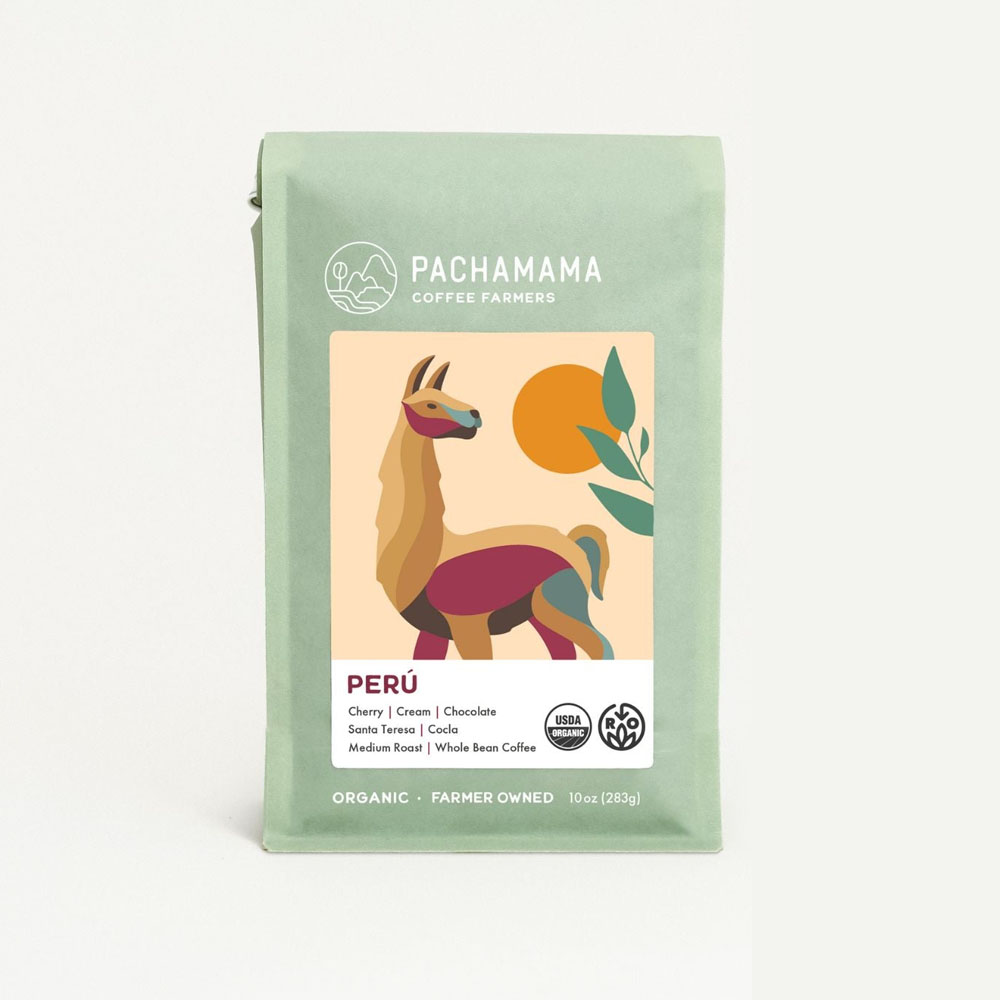
Pachama Coffee is a unique organic coffee company because it is owned by coffee farmers. Instead of outside investors or shareholders owning the business, thousands of farming families from Peru, Nicaragua, Guatemala, Mexico and Ethiopia collectively own the company. This means the people who grow the coffee also share in the success of the brand.
One of the nicest features of Pachamama is that each coffee includes information about where it comes from. Many products feature a short biography of the farmer or farming community that produced the beans.
Why Farmer Ownership Matters
Most big coffee brand are owned by multinational companies or shareholders. Their main aim is generate profits for investors.
Pachamama works differently. Because the farmers are the owners, they receive income not only from selling their coffee beans but also from the company’s success. This gives farming communities a greater share of the value created from every bag of coffee sold.
While no company can solve every challenge facing coffee growers, the farmer-owned model helps give producers more control over pricing, business decisions and long-term sustainability.
The Reality for Many Coffee Farmers
Coffee is one of the world’s most popular drinks, yet many of the people who grow it earn very little. Most beans are bought on the global commodity market. Prices can fluctuate and even fall below the cost of production. When this happens, farmers may struggle to cover their costs.
So only a small percentage of the price you pay for a jar of coffee, reaches the farmer. Sometimes even only a few pence from the retail price. The rest covers processing, transport, packaging, roasting, marketing, retail costs and profits throughout the supply chain.
Many instant coffees are made primarily from Robusta beans because they are less expensive to produce and contain more caffeine. Higher-quality speciality coffees are usually made from Arabica beans, which generally command higher prices but also cost more to grow.
Choosing coffee from companies that prioritise transparency, direct relationships or farmer ownership can help support a fairer distribution of income within the coffee industry.
Organic Coffee
Pachamama’s coffees are certified organic. Organic farming avoids synthetic pesticides and fertilisers and instead focuses on working with natural ecosystems to maintain healthy soils and biodiversity.
Many coffee lovers also appreciate the flavour of organically grown speciality coffee, although taste will always depend on the bean variety, climate, altitude and roasting process.
Sweet Revolution (vegan latte mixes)
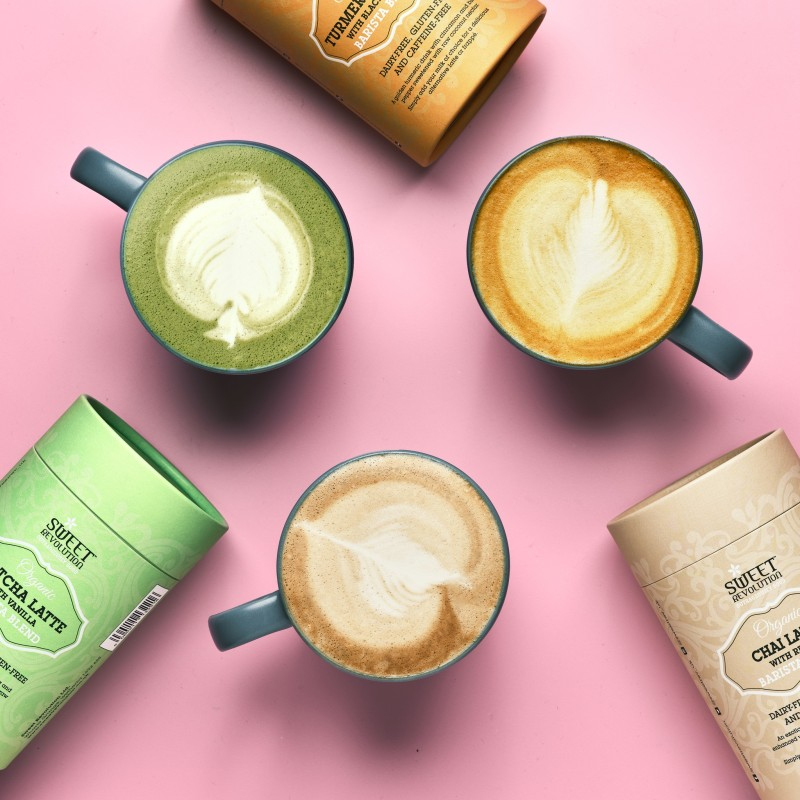
If you enjoy a creamy latte but don’t enjoy paying coffee shop prices, Sweet Revolution offers an easy and affordable alternative. Their range of vegan latte mixes lets you make café-style drinks at home in just a few minutes, with a choice of unique flavours that go far beyond the standard coffee shop menu.
Use code englandnaturally for 10% discount
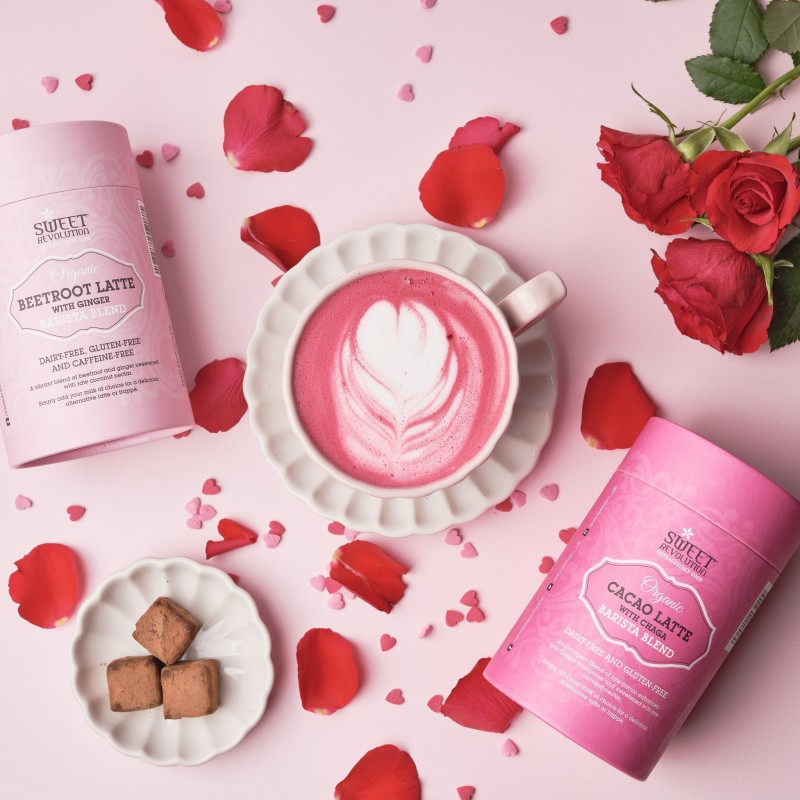
The range includes:
- Gingerbread
- Chai
- Matcha
- Beetroot
- Spirulina (if you take medication, check with your healthcare professional before consuming spirulina, as it may not be suitable for everyone).
Café-style drinks without the café prices
England has long been known as a nation of tea drinkers, but coffee has become increasingly popular over recent decades. Millions of people now enjoy coffee every day, and lattes remain one of England’s favourite café drinks.
The downside is the cost. Buying a latte every day soon adds up, and speciality drinks can cost several pounds each. Even supermarket instant latte sachets are often surprisingly expensive for what they contain.
Making your own drinks at home is much more economical. Sweet Revolution’s mixes require no expensive coffee machine, milk frother or barista skills. Simply stir the powder into hot plant milk (or water where appropriate), and you’ll have a warming drink ready in moments.