Pocket-Sized Philanthropy: Fundraising for Small Nonprofits
Most of us like to help small non-profits. But there are so many good causes needing help. How do you know which causes to choose, and how do you give anonymously, so you can give to various causes, without fear of being bombarded with so many requests for help, that you don’t what to do?
Most small charities don’t bombard you, they are grateful for every penny. It’s the big charities (which often test on animals) that often plague you with big donation requests, and free unnecessary plastic pens.
In the UK, use Gift Aid if you pay tax. For every £1 given, charities can claim an extra 25p.
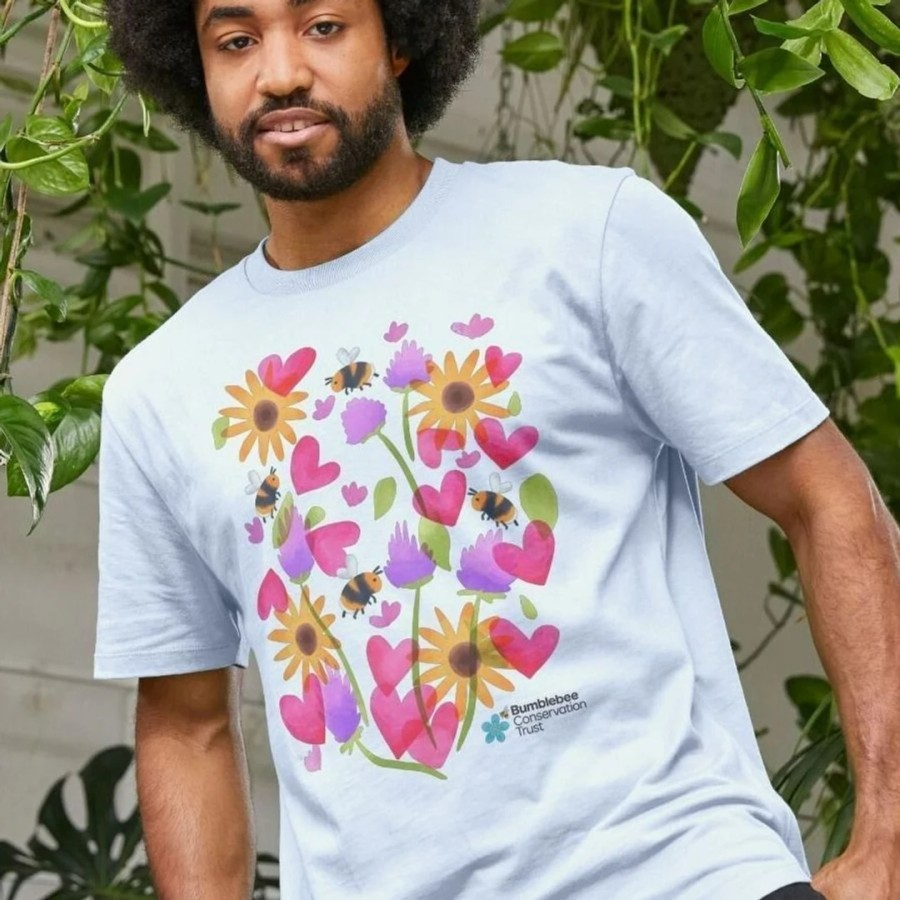
Teemill (organict branded t-shirts to raise funds)
If you run a small shop, you could use the branding to create print-on-demand grocery totes on organic cotton at Teemill is a wonderful company (run by an organic fashion company from Isle of Wight).
It has used its success to create a company where small companies (and charities) can make profit (or raise funds) by designing organic cotton print-on-demand t-shirts, sweatshirts and grocery bags. The above organic cotton jumper helps The Shark Trust.
Your customers or fans then order, and everything is printed-on-demand (to avoid waste) and sent you in zero waste packaging. Everything is also made with green energy. You can even send items back at end of life (using QR codes in the care labels), and they’ll be recycled into new t-shirts!
Donate anonymously to charity
One of the best ways to keep your giving private is to use the Charities Aid Foundation (where individuals or businesses cna tick a box or set up an account) to donate anonymously. Your details are not passed on, although this only works for UK-registered charities.
You could also invest with Charity Bank, a savings account where funds are used to help community projects.
One thing that annoys many people these days is when you use a self-checkout at a supermarket (or even at the kiosk) and you are asked to donate to charity (Tesco and Booths both do this). For a start, you should take time before deciding who to donate to (both groceries often ask you to donate to animal-testing charities).
And secondly, you should do this privately. These supermarkets make huge profits, and should be donating themselves, not asking you to donate more than you likely already do in your personal life. One reader asks ‘I’m not the one making billions in profits, you are. If you feel the need to do good, how about you donate on my behalf? ‘
Research who you give to, before giving
Know your values, and stick to them. Don’t donate to animal-testing charities if you believe in humane medical research to find cures for disease. Find small charities that run on a shoestring, rather than donate to big charity that spends money on marketing, company cars and huge salaries.
Enter your charity focus and area at Find That Charity. It will bring up big charities first, but also smaller registered ones. Then look each one up at the government’s Register of Charities. This will tell you what their income/expenditure is, and if anyone earns over £60,000.
Then look up Animal Aid to see which charities test on animals.
easyfundraising (a no-brainer way to raise funds)

In a perfect world people wouldn’t shop at Amazon or Argos, but millions do. So sign up easyfundraising and nominate your charity, and for each purchase from over 6000 brands (including insurance, air tickets and Booking.com), a portion of the sale is donated, at no cost to you. Loyalty points are not affected.
The big companies (like Amazon) lose a little profit for doing some good, so everyone’s a winner. Say you buy a Nintendo Switch from Argos for £290,00, your charity would get £11.60. A quick search online found that around 10 million were sold last year.
So assuming 1 million of them are sold at Argos, that’s £11 million in donations available to small charities, at no cost to any buyer. If you book a hotel for £150, your tiny charity would get £6.
Other participants include John Lewis, eBay, Currys, Trainline and Screwfix. You can even raise money from booking taxis and trips to Alton Towers.
One small business signed up and automatically raised over £1000 for a small homeless shelter, simply by buying what they would normally buy for their office (paper, cartridges etc).
How to sign up at easyfundraising
Just sign up and find (or add) your cause, which you can change at any time. Then use the app donation reminder, so that you never miss a free donation (the app pops up to remind you when you shop).
Big charities like RSPCA have raised over £20K, so just imagine how many tiny struggling charities could benefit. Local businesses can sign up and raise money each time they replenish office cartridges, or book travel/accommodation as part of their wowrk.
For charities outside the UK (say dog shelters in Eastern Europe), you can raise funds but must have someone with a UK bank account to bank monies into, as a ‘good cause’.
Donate unwanted goods to small charities
A Good Thing lets businesses donate items to small charities via an app, rather them languishing in offices or going to landfill. From office furniture to laptops, you can even donate meeting room space.
A dispenser was sitting unused in a dental surgery. It ended up donated to a omeless shelter, to sanitise rooms for residents. It would have cost £1600, was they got it for free!
Many animal shelters and wildlife rescues can legally take unused human medical waste from GP surgeries and hospitals. Get in touch to see how they could help.
Donate your time and skills

Most small local charities need volunteers, from helping out at shelters to building/decorating work. Or use your graphic design or photography skills to help promote and drive fundraising. Photographer Sophie Gamand uses her photographic skills to snap animals in shelters, ready for adoption drives.
Why positive media raises more funds

We all care. All of us. And turning off a TV ad because it’s so upsetting, does not make you a bad person. But showing distressing ads is not the way to raise funds. Many people can’t bear to watch and turn off, so you lose donations.
Undercover investigators do wonderful work to bring prosecutions, but Nick Cooney (who founded a successful charity to help farmed animals) says that charities would earn more, if they did not show upsetting ads that ask us to ‘donate just £3 a month’. Read his book: How to Be Great at Doing Good.
Instead of ads showing baby bears being ripped from their mothers for the bile industry, focus on the rescued bears and the good you are doing. Instead of images of starving children with flies around their eyes, focus on the work you are doing to help hungry children.
Instead of posting brochures of factory-farmed pigs through people’s doors, use the money to create simple vegan bacon sandwich recipes, or negotiate discounts on popular brands.
Start a giving circle to raise funds

Giving Circles is like crowdfunding, using software for people to pool small donations to help a cause. The favourite gets the most money, and sponsors give top-up money to charitise that are doing the most good.
Movement for Good gives away £1 million to good causes each year, nominated by the public. Each charity can get £1000 (ther are six draws each year, including for Ireland, the Channel Islands or Isle of Man).
My Giving Circle gives up to £2 million in grants and donations, funded out of earned income. You can donate a regular monthly amount, then ‘vote’ to help charities get the ‘top prize grant’ (say WarPaws that helps animals in war-torn countries).
Search Philanthropy Together, a site that lists over 4000 giving circles worldwide, for all kinds of niche areas. Great inspiration to join or start something similar.
More ways to raise funds for your cause
Movement for Good is run by the Benefact Group, which gives away all available profits to charity. This annual program donates over £1 million to good causes each year, and accepts nominations each year.
During each year, you can nominate your favourite charity or charities for awards of £1000 (one nomination per charity). This can also be in Ireland, the Channel Islands or Isle of Man. There are six £1000 draws each year, staggered throughout.
My Giving Circle is a social enterprise that each year, gives away up to £2 million in grants and donations, funded out of earned income. It earns money by connecting charities with donors and earning a small platform fee, when people donate via the website. Sometimes companies also get on board to sponsor grants.
Work For Good is a fundraising platform that helps businesses raise funds for charities through legal channels. Each year, charities have to turn away millions of pounds of donations from business, simply due to a legal agreement: Commercial Participation, which is expensive and time-consuming, so no good for tiny charities.
Yorkshire Building Society is just one of many companies, that accepts nominations from local charities via its own foundations. It considers projects that help job prospects in or near Bradford. Charities can apply from £100K to £500K for a funding period of up to three years. All must be registered with The Charity Commission, and submit annual returns on time.
The Pollination Project offers small grants (around $500) to tiny animal welfare non-profits worldwide. It has a dedicated team of 75 grant advisors and 5 country co-ordinators, all experts in their fields to guide funding decisions, to ensure each dollar creates meaningful change.
For farmed animal advocates, it can offer larger capital, and follow-up funding of up to $10K. Examples of projects funded include:
- An exam table for a pet mobile vaccine unit
- Earth-friendly water bowls for stray animals in India
- Campaigning for CCTV cameras in Spanish abattoirs
- Funding a vegan food relief bank in Ukraine
Sanctuary Angels Club (inspiration from abroad)
Sanctuary Angels Club (USA) offers custom pet portraits by a resident artist at a yoga retreat, with vegan cooking classes in Florida. The funds are used to help resident rescued animals.