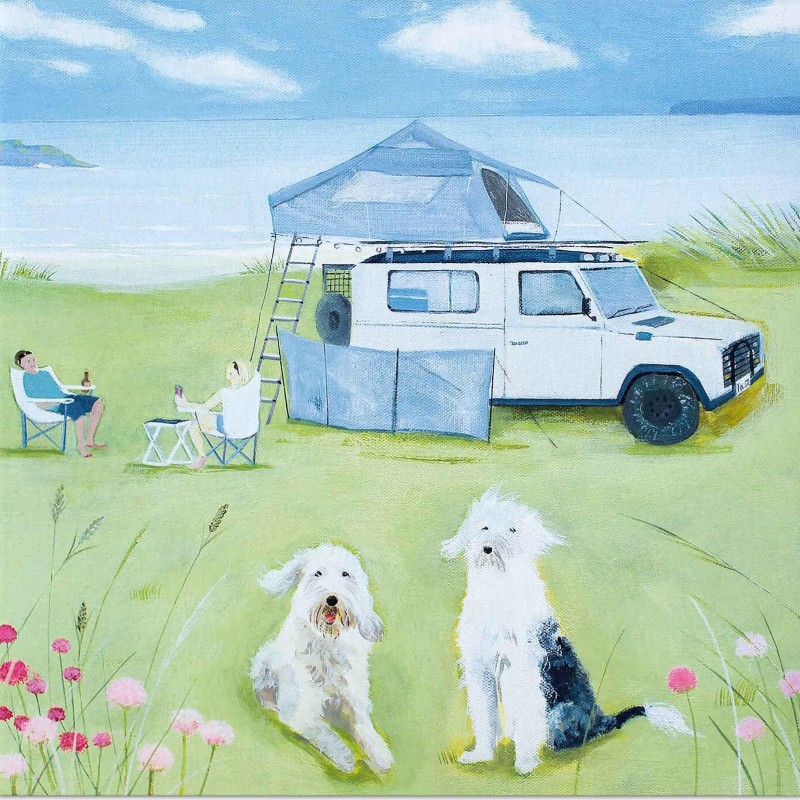
Greener Camping: Leave No Trace Principles

Camping trips can leave a real mark if we’re not careful. Greener camping is about making simple choices that protect the places we love. Things like packing out rubbish, choosing a cardboard tent, or using a solar lamp all make a difference.
The Leave No Trace principles have caught on with more campers looking for eco-friendly ways to enjoy the outdoors. More people now try biodegradable bags and reusable gear to avoid single-use waste.
Eco-Friendly Camping Practices
Camping is meant to connect people with nature, not harm it. Simple habits add up to make outdoor adventures cleaner and more mindful.
- Always take out all your rubbish, even if it’s biodegradable
- Skip single-use plastics in favour of reusables
- Stick to marked paths to protect wildflowers and prevent soil damage
- Keep noise down to help wildlife feel at home
Some of these ideas take hints from the Leave No Trace principles, which guide campers to leave every site looking as untouched as possible.
Follow the 7 Leave No Trace Rules
Read The Green Camping Book (from the man who created the ‘2-minute beach clean’ movement. Follow the 7 Leave No Trace Rules to ensure you leave just memories and footprints:
- Plan ahead & prepare
- Camp on durable surfaces
- Dispose of waste properly
- Leave what you wind
- Minimise campfire impacts
- Respect wildlife
- Be considerate of others
Actionable Tips:
- Take reusable food containers and cutlery
- If fires are allowed, use small amounts of local wood and keep them small
- Store food securely to keep animals away. Clean up food scraps and rinse pots, and never leave food (or toiletries) in your tent.
Helpful Tips for Greener Camping
- If you smoke, use a personal ashtray (to safely stub out butts, until you find a bin). This helps prevent pollution and wildfires.
- Choose unscented biodegradable beauty and laundry products. Scrubba makes a good ‘portable washing machine’.
- Choose solar or kinetic energy torches. Batteries leak chemicals and are choking hazards, so recycle them at local banks.
- Experts recommend peeing at least 30 metres from rivers and streams. Take forest-friendly loo roll, and use biodegradable poop bags, until you find a bin.
- Catholes: If you’re going wild and need to go, dig a small cathole. Choose a spot at least 60 metres (200 feet) from any watercourse, path, or camp. Use a trowel to dig a hole about 15cm deep and 10cm wide, do your business, then cover it neatly with soil and leaves. Never leave toilet paper unburied.
- Poo away from water sources, away from barnyard animals. If you don’t have bags, bury your poo and cover with earth. Never use plastic wet wipes or tampons/towels. Use zero waste feminine care.
- Wild camping is illegal in most parts of England (to protect private land, plants and wildlife) from trespassing, fires and barbecues.
Making Camping Greener for Everyone

Sustainable camping is easier when entire communities get involved. Campers, site owners, and local groups play a part by sharing knowledge and supporting eco-friendly spots.
The Greener Camping Club: Community and Certification
The Greener Camping Club is for anyone who likes camping or wild camping. It lists over 170 eco campsites (from Northumberland to Cornwall), and plants a tree for each person who pays the £12 membership fee (over 65,000 trees planted to date on their own campsites).
All campsites are also vetted for people-to-loo ratios, so you are never spending time queuing to spend a penny!)
This organisation distributes seeds to members, to plant wildflower meadows know pet-friendly flowers to avoid). And also distributes nesting boxes and bat boxes, to ensure birds and native wildlife have safe shelter nearby. Ensure dogs have good recall (to protect them and wildlife).
If you host a campsite, read our posts on pet-friendly gardens and wildlife-friendly gardens to know hazards and plants to avoid near animal friends.
Camping with Dogs: Protecting Wildlife and Habitats
Bringing a dog adds joy and energy to a camping trip, but it comes with responsibility. Dogs can stress wildlife, chase birds, or pick up harmful critters.
Smart Tips for Dog-Friendly Camping:
- Keep dogs on a lead where rules require
- Clean up after your dog and take waste with you
- Walk dogs only on marked trails
- Keep your dog from swimming in streams or ponds to protect aquatic life
Always check local site rules before you go—and remember, a dog’s good manners help protect wild spaces as much as your own.
Stay on Trails and Campsites
It’s tempting to step off the marked path for a shortcut or a quiet spot, but even small detours bring hidden harm. Paths are there to take the pressure off fragile ground and keep wildlife safe.
When people walk on roots or soft ground, they damage the tiny systems plants and animals rely on. Too many stray footsteps flatten grass, erode soil, and leave unsightly scars that take years to heal.
To help keep the wild looking wild:
- Always use marked trails. They’re placed with care to handle all the walking and to avoid places that need extra protection.
- Camp at designated sites. These spots are better for tents and fires, keeping impact to a minimum.
- Avoid widening paths. If a track is muddy, walk right through rather than widening the worn bit. This keeps new plant life safe along the edges.
- Mark your way gently. If you need to leave the path briefly (maybe to fetch water), put down a bright bandana or a stick marker to remember the way back. Lift it when you leave.
Build Minimal Fires
Fires are more than a camping tradition—they’re cosy and bring everyone together. But a big fire can scorch plant roots, blacken stones, and even attract unwanted animals to your pitch. To tread lightly, keep fires to a minimum, make them only where it’s allowed, and always be ready to put them out fully.
When you want a fire, follow these simple steps:
- Use a Small Fire Ring: Only build a fire in a pre-made fire ring if one is available. If you must make your own, use a spot far from trees and brush, and surround it with stones. This keeps the flames small and stops embers drifting.
- Limit the Size: Bigger isn’t better. A fire that’s just big enough for cooking or a bit of warmth is safer, easier to control, and uses less wood. It also leaves less mess behind.
- Only Burn What’s Needed: Use dead wood from the ground. Never snap branches from living trees or pile up huge logs. Collect only what you can snap by hand.
- Check the Rules: Read all local campsite rules about fire use. Many areas now ban fires during dry months, and using a stove might be safer and more sensible.
Putting your fire out needs care and patience:
- Stop Adding Fuel Early: Let your last wood burn down to ash before you’re ready to leave or go to bed.
- Pour Water: Carry water over and pour until all hissing stops. Stir the ashes with a stick so the water reaches every corner.
- Cover with Soil: Dig up a little soil, mix it into the wet ashes, and make sure no heat or smoke remains.
- Feel for Heat: Hover your hand over the spot. If you feel warmth, repeat the water and soil trick. Only leave the site when it’s cold to the touch.
Consider Camping in Someone’s Garden!
Domestic gardens are still home to wildlife (and many campers take dogs). From hedgehog safety to wildlife-friendly ponds (no netting in gardens, use a Goal Wall over football nets). Ensure you have organic secure lawns.
Welcome to My Garden is based on the Belgian tradition of bivouac (members pay a yearly fee, then stay for free in host gardens, arriving by foot or bike). Most have drinking water, a toilet and electricity (bonuses, not obligatory!) Groups are not allowed, and you are responsible for your own safety.
In England, Campspace offers tent spots and places to rent a campervan, plus there are child-friendly and pet-friendly spaces, plus farm settings (not for dogs). Examples we found were an apple orchard in rural Suffolk (near a pub and shop) and a walled garden in central London (with a hot water alfresco shower).
Camplify rents out caravans and motorhomes, with insurance and RAC breakdown cover included, from vetted members. GoBoony offers motorhomes to rent in Europe, again with insurance.
Small Campsites lists small and quiet campsites. The Quiet Site (in the Lake District) offers all mod cons, a zero waste shop and uses biodegradable cleaning products (the Ullswater Hopper Bus means no car is needed).
Waterproof Cardboard Tents!

Envirotent makes sturdy cardboard tents that are warmer, sturdier and darker than nylon (plastic) tents. And a lot easier to put up, without the bother of tent pegs! They are insulated and weather-resistant, then easier dismantled and recycled at end of use.
Obviously don’t smoke in or near it (that goes for any kind of tent). Any cooking should take place at least 2 metres away from the tent.
These tents are not the same as cardboard boxes. They are made from a high-performance board that has fewer surface holes, enhancing water resistance. So they can brave heavy rainfall (and survive up to 4 weeks outside in winter) without need for coatings. A great ideal also for rough sleepers, to keep warm and dry.
This company does not ‘sell tents’ to the public, but rather sells them to sites for music festivals, then collects and recycles them at end of the event, to stop the 1 in 4 plastic tents being left and littered. Campers are welcome to take their tents home, but they are not easy to transport due to their size.
Wild camping without permission, is actually illegal in England. So councils need to clamp down.
Composting Toilets: Waste Solutions
No one enjoys talking about toilets, but waste is a big issue at busy campsites. Composting toilets offer an answer that avoids chemicals and keeps sites cleaner.
Not water is needed, and if used properly, help to avoid local pollution.