Greener Golf (simple affordable swaps)

Golf is one of England’s most popular sports, with around 650,000 registered players and 3 million fans. Invented in Scotland in the 1400s, surprisingly the most popular place for golf on earth is not the USA but Iceland, where people often play past midnight in summer, when the sun never sets.
It’s important to be careful to avoid hitting birds on golf courses. If birds are in or flying towards the intended line of your shot, wait until they have safely moved out of the way, and also avoid hitting towards known bird activity or nests, especially in certain rough, or near water hazards.
Playing golf increases the chance of being hit by lightning. Avoid umbrellas in thunderstorms, along with keeping a safe distance from metal objects (golf clubs, motorbikes, wheelchairs, tent poles) and from trees (and tallest objects ).
If exposed to lighting, squat close to the ground with hands on knees, and tuck your head between them, touching as little of the ground with your body (don’t lie down). If your hand stands on end, drop to the above position immediately.
Sustainable Golf Course Management
Golf clubs can easily make areas greener, by a few simple swaps:
- Serve local organic food, and artisan vegan beers and wines.
- Compost food waste, to help create nice soil. Just bin citrus/tomato/rhubarb scraps and alliums (onions, garlic, shallots, leeks, chives) as acids could harm compost creatures. Same with coffee/tea grounds (use a sink protector mat, to avoid clogged drains).
- Install solar panels and green energy to bring down energy costs (by up to £30,000 a year). Use rainwater harvesting and water butts, for free water to irrigate your golf course.
Gillyflower Golf (Cornwall) has expanded areas of rough that are never mowed, created wildlife mini meadows to attract and feed pollinators, and has a massive fallen oak tree, that has been left to give homes to birds, small mammals and insects.
It’s even given a home to three pigs, who trample down brambles and turn up new ground for new plants, without machinery!
A Green Pristine Golf Lawn (without chemicals)
- Use rechargable electric mowers to avoid oil (gently skim areas with a broom before mowing, to check for sleeping wildlife, and use hand shears over strimmers). Never use robotic mowers (they mutilate wildlife that can’t escape in time). Read more on organic lawn care.
- Grazers (Yorkshire) is a nontoxic calcium-based substance that makes grass unpalatable, so humanely deters rabbits, deer and other unwelcome visitors (don’t use on edible grass for pet rabbits etc).
- Bumblebee Conservation has a guide to wildlife-friendly golf courses.
- Learn of toxic plants to avoid near visiting dogs.
Greener Golf Clothing and Equipment
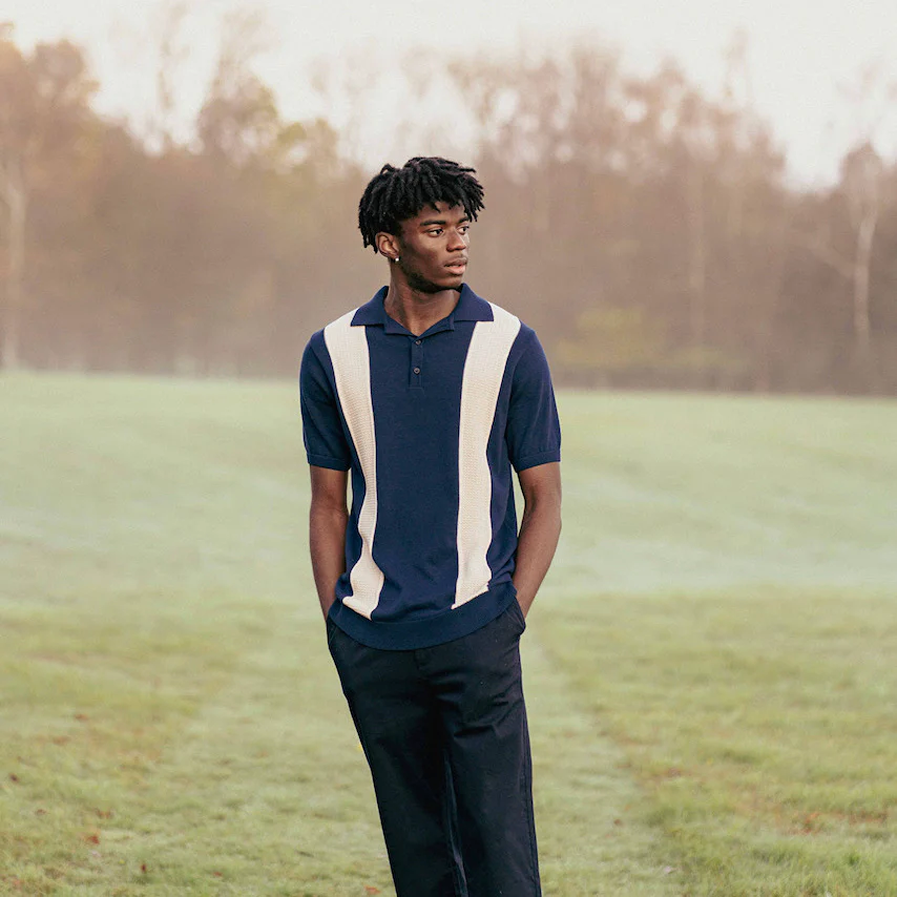
- SLYCKER makes organic cotton polo shirts. The brand was founded by two brothers, who took up golf and found it ‘horrendously addictive’. So decided to promote more sustainable golf clothing.
- Golf balls look like eggs to some wildlife (and many are accidentally launched off coastal resorts and cruise ships, so land in the sea). You can buy biodegradable golf balls.
- You can buy bamboo golf tees that break down naturally or even one made from coffee waste.
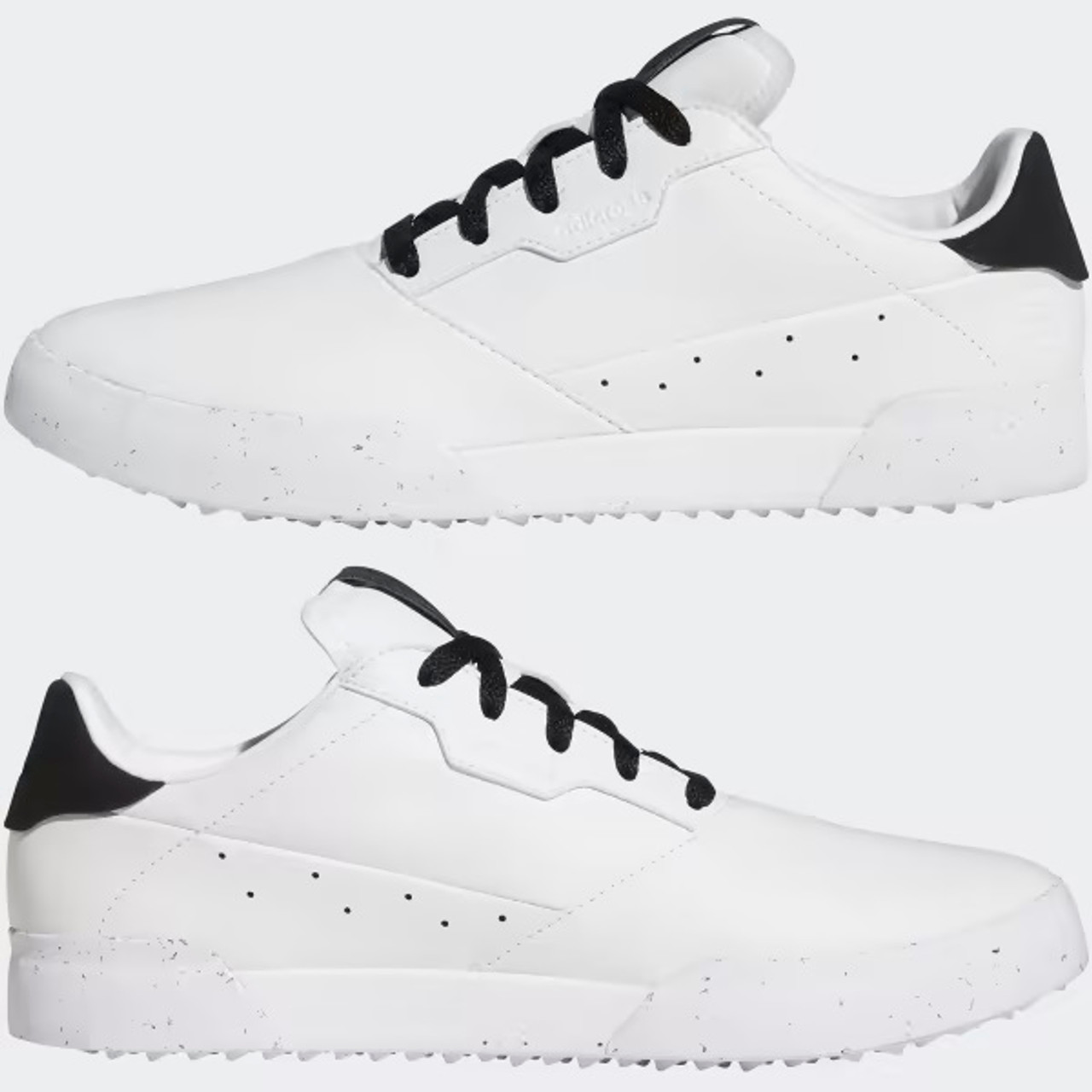
Many golf shoes (like football boots) are made from K-leather (kangaroo leather, made by shooting kangaroos and sometimes leaving joeys to die in the pouch, or else they starve). Switch to vegan golf shoes (and vegan leather golf gloves).
Why Do Councils Protect Golf (over wildlife?)
In Scotland, campaigners are fighting to save Coul Links (a coastal dune system in East Sutherland) from being made into a golf course, which would threaten endangered Northern Brown Argus butterflies (thought to be extinct for 100 years). And win winter, the flooded dune slacks provide shelter for birds (teals, wigeons) and greylag geese and endangered curlews feed in nearby fields.
A few years back, the Scottish government approved a luxury golf course on Balmedie dunes near Aberdeen, giving the land over to Donald Trump, the case made headlines, as one crofter and his mother refused to give up their homes (he had to build the course around them).
The crofter became a worldwide hero in standing up for his land, and later said ‘All he talked about was money. I told him he could take his money, and shove it up his arse. The only regret I have is that I didn’t knock him on his arse, when I met him’.
Should Golf Courses Share Land With Others?
England is home to around 25% of all Europe’s golf courses, many of them over several acres. Half of all London’s gold courses are owned by councils or the Crown Estate, together making up 11,000 acres that is the second largest amount of green space in the city, after parks and public gardens. Nationwide, golf courses make up to 10 times more land than allotments.
Together, that’s half the land area of the National Trust, leading many to ask why some could not be given over to become public areas, as many people (and their dogs) in England are craving for green space to walk and enjoy nature. This would save the NHS millions in both physical and mental health care costs.
London’s Beckenham Place Park is the first former golf course (closed down in 2016) to be turned into a public park by Lewisham Council. It has a 5km walking/cycle track, wildflower meadows, ancient oaks, luxury lawns and even a swimming lake.
People enjoy woodland walks and picnics, children play football and visitors sip wine at the nearby mansion cafe. Just 9 miles from Trafalgar Square, this is now (at 86 hectares) one of the largest public parks in London.